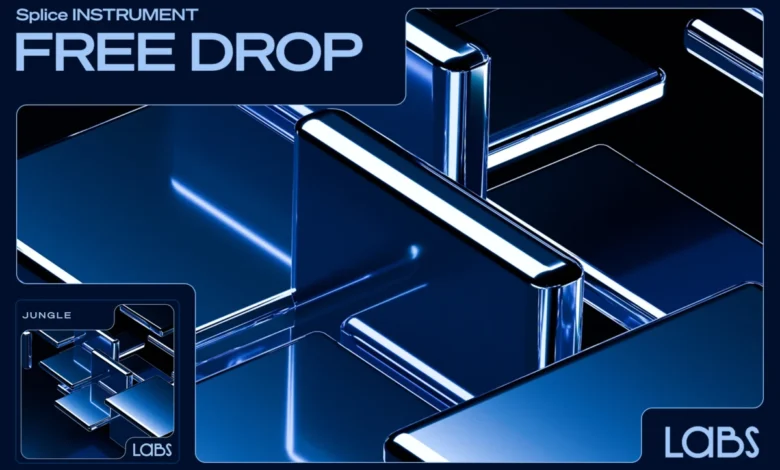
The digital music production ecosystem continues to evolve as Splice, the industry-leading platform for samples and plugins, has officially expanded its "Free Drops" initiative for the month of November 2026. This latest update to the Splice INSTRUMENT plugin offers users immediate access to a curated selection of experimental sounds, headlined by the "Machine Breaks" preset. This strategic move is part of a broader ongoing effort by the company to lower the barrier to entry for high-quality sound design while incentivizing active engagement with the INSTRUMENT software environment.
The Evolution of the Splice INSTRUMENT Ecosystem
Splice INSTRUMENT, which functions both as a standalone application and as a VST/AU plugin within Digital Audio Workstations (DAWs), was designed to bridge the gap between static sample libraries and dynamic instrument playability. By mapping samples—such as the chopped drum breaks featured in this month’s drop—across a keyboard interface, the platform allows producers to move beyond traditional "drag and drop" workflows.
The "Free Drops" program operates on a rotating, time-sensitive schedule. By offering proprietary presets at no cost for a limited window, Splice aims to cultivate a recurring user base that checks the platform monthly for new creative tools. Once a user claims a preset during the specified drop window, the asset becomes a permanent part of their library, effectively decoupling the acquisition from the standard subscription-based model that characterizes the majority of the Splice catalog.
Technical Deep Dive: The Machine Breaks Preset
The centerpiece of this November release is the "Machine Breaks" preset, a sound-design-heavy patch rooted in the aesthetic of high-energy electronic music. From a technical standpoint, the preset utilizes heavily processed audio samples that have been meticulously chopped and tempo-synced.
The integration of "glitched-out" samples suggests a shift toward the granular synthesis and complex time-stretching techniques that have become hallmarks of modern drum and bass, jungle, and experimental techno. By mapping these fragments across the keyboard, Splice INSTRUMENT enables users to perform the rhythm rather than simply triggering a loop. This granular control allows for the creation of unique, non-linear break patterns, providing producers with a "mechanical bite" that would otherwise require hours of manual chopping and manipulation within a standard sequencer.
This specific preset is derived from the broader "Jungle" pack, a comprehensive collection that reflects the high-tempo, breakbeat-heavy genre that originated in the United Kingdom during the early 1990s. The inclusion of these sounds within a modern plugin interface highlights a contemporary trend: the digitization and democratization of classic breakbeat production techniques.
Chronology of the Free Drops Initiative
The Free Drops program represents a significant pivot in Splice’s marketing and user acquisition strategy. Since the inception of the INSTRUMENT plugin, the platform has sought to maintain momentum through consistent content updates.
- Initial Launch Phase: Splice INSTRUMENT launched with a focus on ease of use, aiming to provide producers with "playable" versions of popular sample packs.
- Expansion of Free Drops: Following the initial platform rollout, the company introduced the "Free Drops" model, which serves as a recurring touchpoint for users. These drops have varied in scope, ranging from atmospheric pads and cinematic textures to the current, more aggressive rhythmic offerings.
- November 2026 Update: The current iteration, released on November 17, 2026, focuses specifically on the "Jungle" aesthetic, marking a departure from the more ambient or melodic drops seen in previous months.
Industry analysts note that this cadence—releasing content that appeals to specific sub-genres—is an effective method for maintaining high levels of user retention. By rotating the focus, Splice ensures that producers across various genres, from hip-hop to EDM, find utility in the platform over the course of a calendar year.
Industry Context and Economic Implications
The music technology market has become increasingly saturated, with platforms like Native Instruments, Arturia, and Ableton all competing for the same cohort of bedroom producers and professional sound designers. Splice’s strategy of integrating sample-based manipulation directly into a playable instrument represents a hybrid approach to the market.
Supporting data from recent industry reports indicates that producers are increasingly favoring "all-in-one" workflows. The time required to browse, download, slice, and sequence samples is often viewed as a friction point. By providing "ready-to-play" instruments like the Machine Breaks preset, Splice is effectively reducing this friction. Furthermore, the "no strings attached" nature of the Free Drops acts as a form of "freemium" marketing; users are more likely to subscribe to the full Splice catalog if they have already integrated Splice-branded plugins into their core production workflow.
From a macroeconomic perspective, the democratization of high-end sound design tools has significantly lowered the cost of entry for independent artists. A decade ago, the level of processing required to create the "Machine Breaks" sound would have required an extensive investment in outboard gear or complex, expensive software suites. Today, these tools are available via a cloud-synced plugin, reflecting a broader shift toward "Software as a Service" (SaaS) in the creative sector.
Implications for Future Sound Design
The shift toward tempo-synced, mapped samples in plugins like INSTRUMENT suggests that the future of music production is increasingly performative. Instead of static loops, producers are seeking instruments that respond to MIDI input in real-time. This allows for a more personalized, "human" feel in electronic compositions, even when using synthesized or heavily processed audio.
The "Jungle" pack, specifically, highlights the enduring influence of breakbeat culture. By providing these sounds in an accessible format, Splice is helping to preserve the technical DNA of early electronic music while ensuring it remains relevant for a new generation of producers who may not have access to the original hardware samplers used in the 1990s.
How to Access and Integrate the Drops
For users looking to utilize these assets, the process is streamlined to ensure minimal disruption to the creative flow. The accessibility of the "Free Drop" icon—represented by a water droplet—within the INSTRUMENT interface serves as a constant reminder of the rotating content.
The procedure is as follows:
- Software Installation: Users must ensure they have the latest version of the Splice INSTRUMENT plugin installed.
- Navigation: Once the plugin is loaded in a DAW, users access the preset browser.
- Claiming: The "Free Drop" icon indicates available content. Selecting this icon allows for the immediate download of the month’s featured presets.
- Integration: Once downloaded, the presets function identically to standard factory patches, allowing for full automation and MIDI mapping within the DAW environment.
Conclusion: The Future of Splice’s Content Strategy
The November 2026 release of the "Machine Breaks" preset is a clear indicator that Splice intends to continue its current trajectory of content-led growth. By leveraging the history of specific genres like Jungle, the platform is not only providing tools but also educating a new generation of producers on the history and technical requirements of these sounds.
As the music industry continues to embrace digital-first production, the success of initiatives like Free Drops will likely be measured by the number of active daily users (ADUs) and the frequency with which these presets appear in finished, released tracks. If current trends hold, Splice will likely continue to expand its INSTRUMENT catalog, perhaps eventually moving into more complex synthesis models or community-driven content creation. For now, however, the platform remains focused on providing high-quality, easily accessible sounds that empower creators to produce professional-grade music with minimal technical hurdles. As the industry looks toward the end of 2026, the success of this strategy serves as a template for other software developers looking to bridge the gap between static content libraries and interactive, performance-based creative tools.