The Unlikely Genesis of The Who: How a Futuristic Dystopia and Indian Philosophy Created Baba

O’Riley
Released in the summer of 1971, The Who’s fifth studio album, Who’s Next, established a new benchmark for rock music, delivering some of the band’s most enduring material. While the epic track "Won’t Get Fooled Again" anchored the album’s dramatic conclusion, its iconic opening track, "Baba O’Riley," originated from a remarkably complex and unconventional set of circumstances. Far from a straightforward rock composition, the song began as part of an ambitious, ultimately abandoned multimedia experiment before evolving into a cornerstone of 20th-century music.
The Origins of Lifehouse and Spiritual Influences
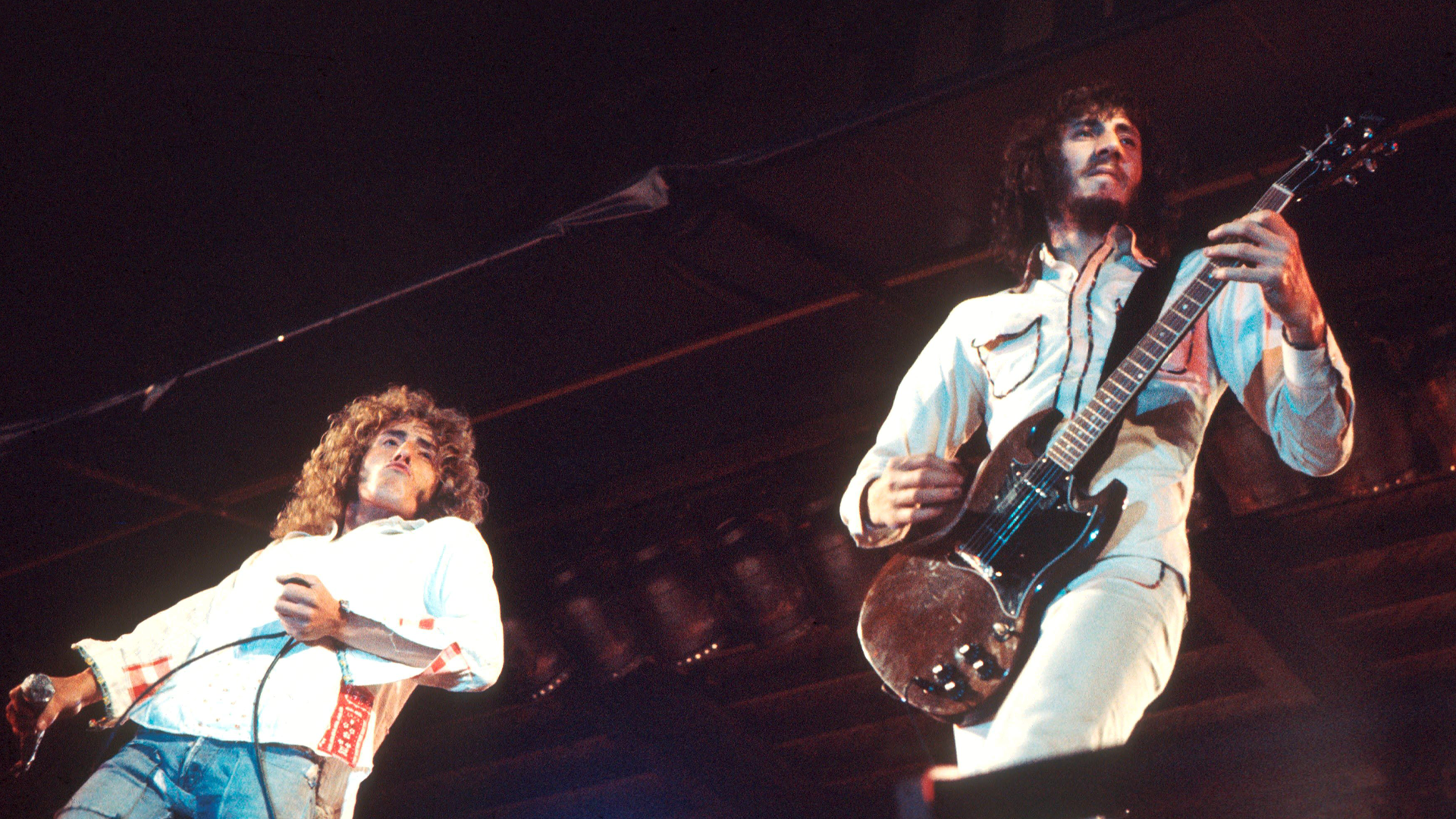
The trajectory of "Baba O’Riley" was heavily shaped by the aftermath of The Who’s 1969 rock opera, Tommy, which achieved critical acclaim and commercial success. Following this breakthrough, guitarist and principal songwriter Pete Townshend conceived an even more radical follow-up project provisionally titled Lifehouse. Similar to Tommy, Townshend envisioned Lifehouse as a multi-platform venture spanning both a double album and a feature-length film. However, the futuristic, dystopian narrative proved too abstract for the record label and difficult for the band members to fully conceptualize. Consequently, the project was shelved, and the musical arrangements developed for it were redirected toward what would become Who’s Next.
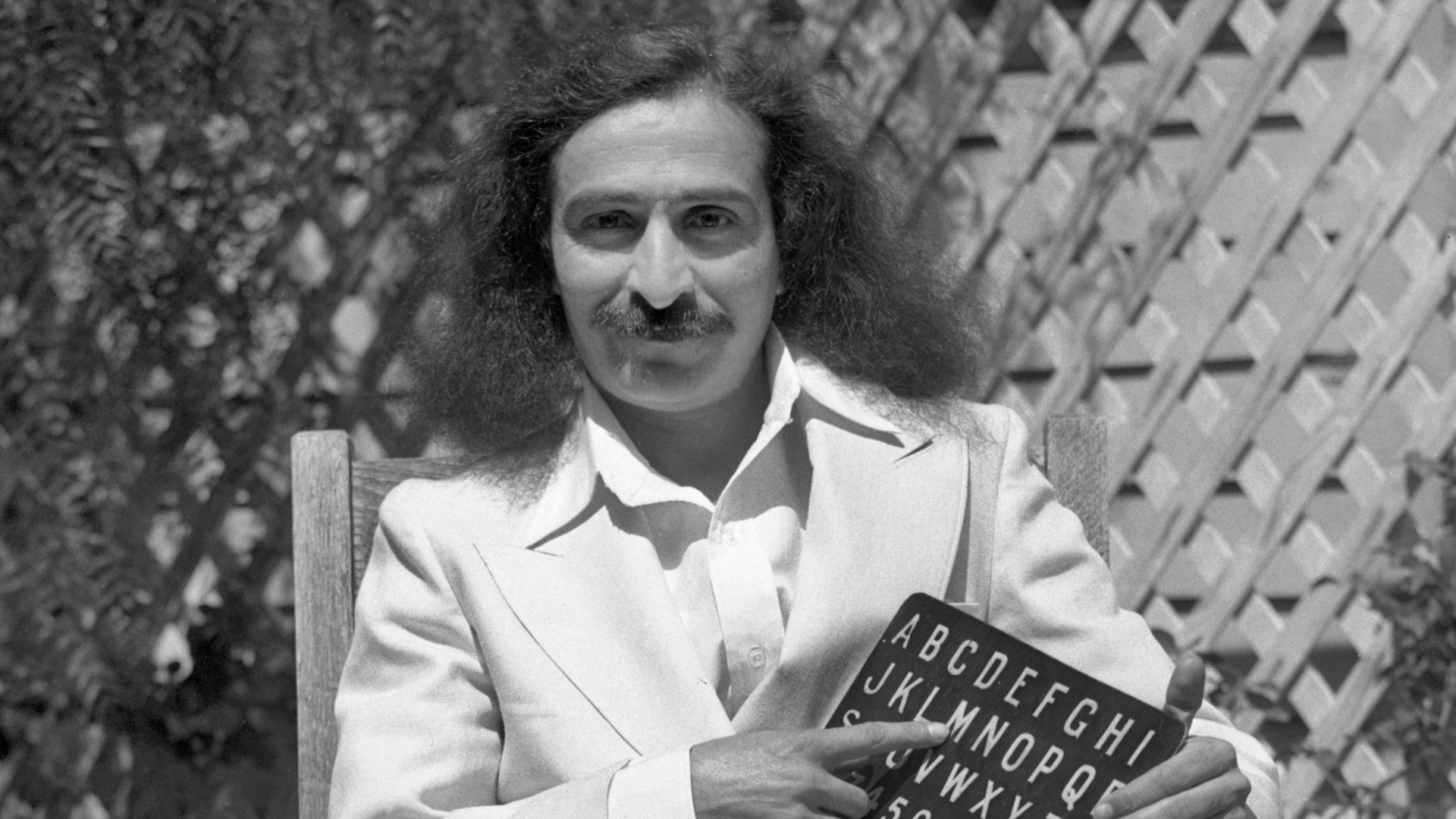
During this creative period, Townshend was deeply influenced by the teachings of Meher Baba, an Indian spiritual leader who had observed a strict vow of silence from 1925 until his death in 1969. Townshend resonated profoundly with Baba’s philosophical assertion that physical existence is fundamentally an illusion—a core theme that permeated the conceptual framework of Lifehouse. Although the broader narrative of the project was abandoned, specific stylistic and philosophical experiments survived, directly influencing the creation of the track originally intended to open the Lifehouse production.
Data-Driven Composition and Minimalist Pioneers
Townshend’s early conceptualization of the track involved an avant-garde approach to composition. He planned to feed biographical data of an individual—such as height, weight, hair color, and other statistical metrics—into a computer. This raw input would then trigger a synthesizer to generate a musical sequence, effectively translating human physical attributes into sonic data.
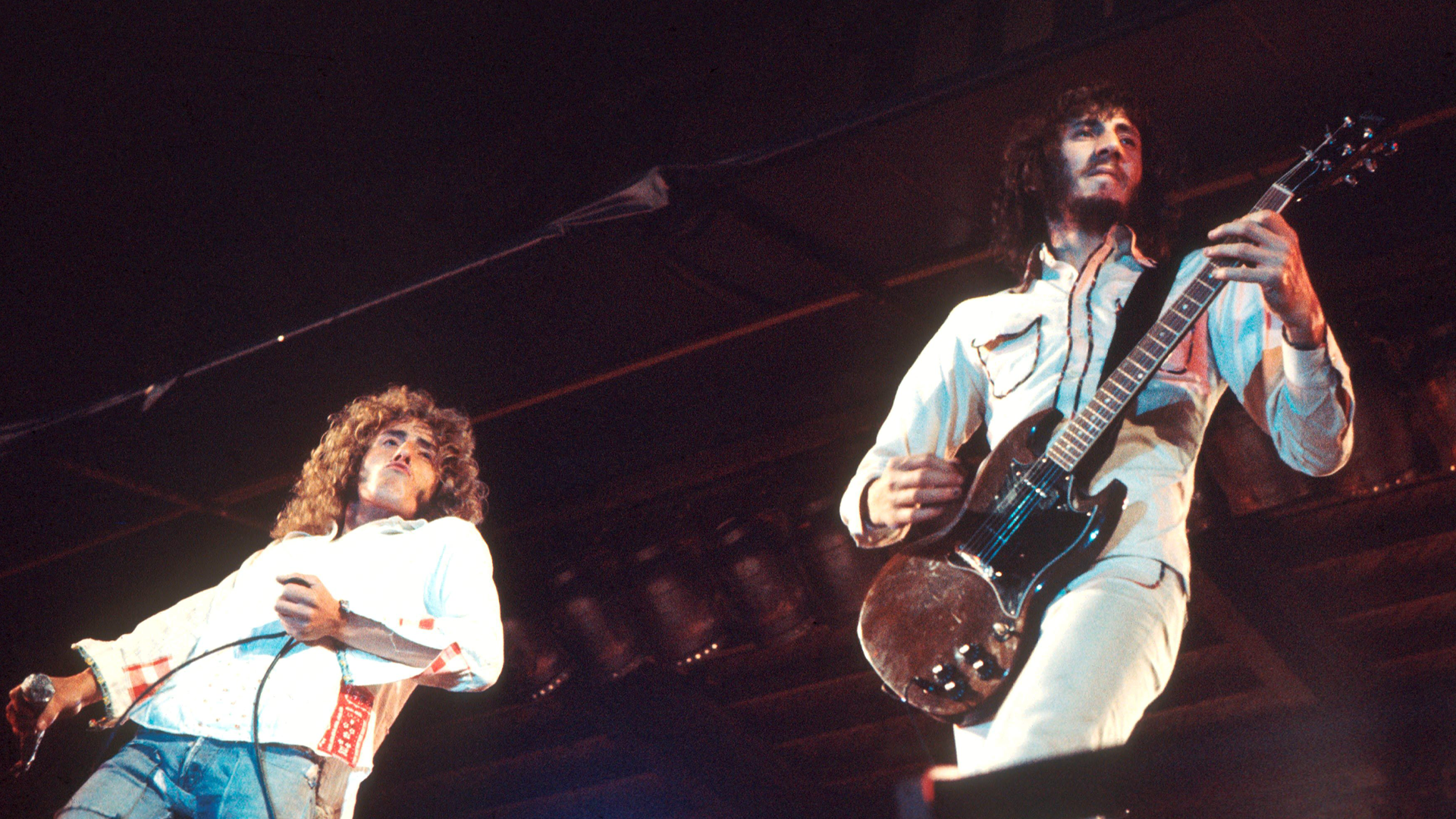
When Townshend processed the biographical details of Meher Baba through this experimental framework, he observed that the resulting output was remarkably minimalist. The pattern evoked the structural qualities of American composer Terry Riley, whose work had become a major influence on Townshend during the era.
Minimalism, pioneered by Riley alongside contemporaries such as Philip Glass and Steve Reich, relied heavily on tape loop technology and the continuous repetition of small musical cells over extended durations. Riley’s landmark 1964 composition, "In C," exemplifies this style, consisting of 53 distinct musical phrases that performers navigate at their own pace, resulting in performances ranging from 45 minutes to several hours. Acknowledging these artistic debts, Townshend combined the names of his spiritual mentor and the minimalist composer to title his creation "Baba O’Riley"—leaving the mysterious "O" element to be accounted for by later developments in the studio.
Decoding the Opening Riff: Organ, Not Synthesizer
Despite widespread assumptions regarding Townshend’s pioneering use of early synthesizer technology, the legendary opening sequence of "Baba O’Riley" is not a loop, nor is it sequenced, and it is notably not played on a synthesizer.
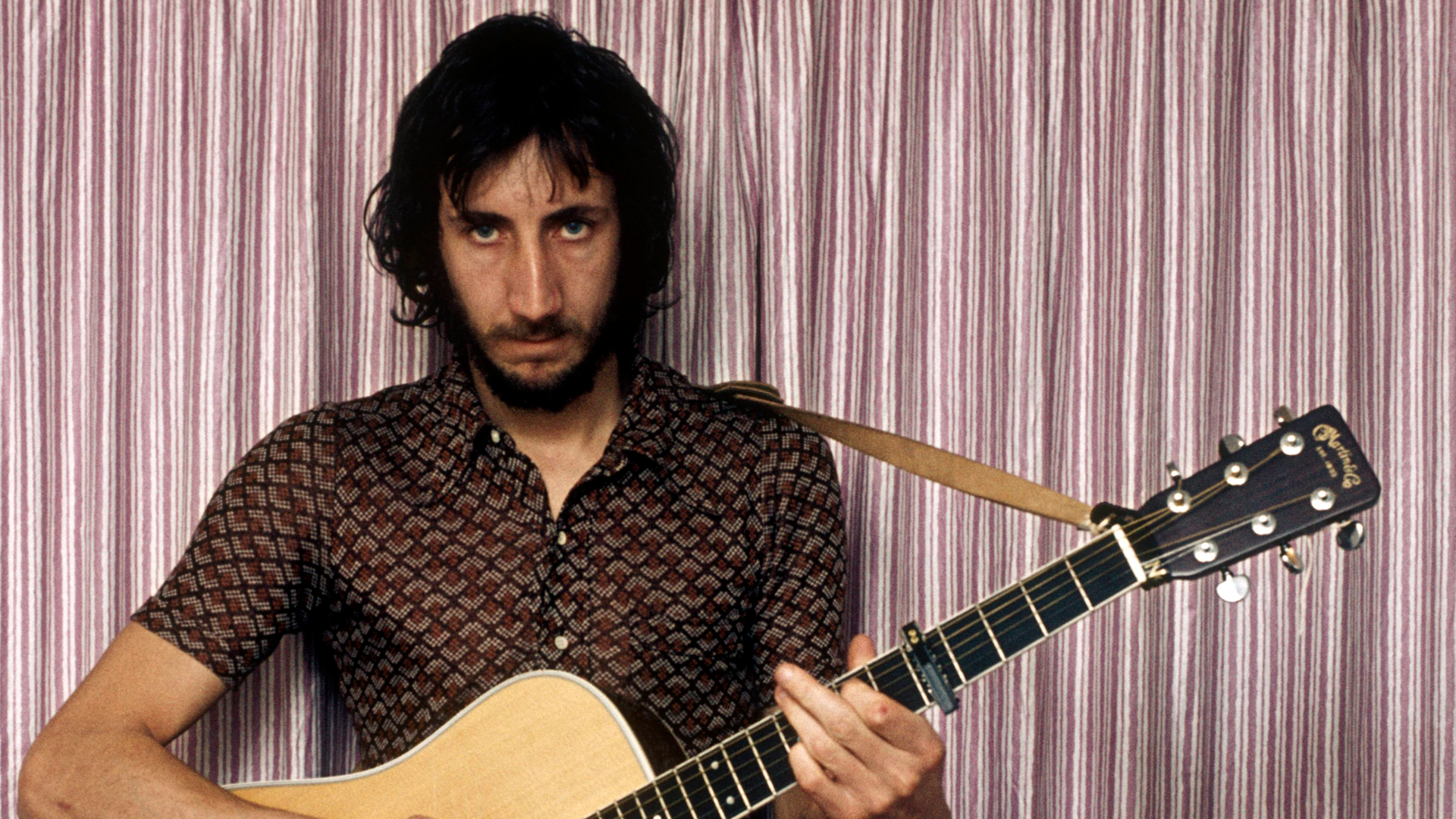
The foundational sound is generated by a Lowrey Berkshire Deluxe TBO-1 organ. Centered in the key of F major, the riff utilizes an open fifth chord comprising the notes F and C. The distinctive, mallet-like rhythmic pulse is achieved through the Lowrey organ’s built-in "Marimba Repeat" setting. Townshend recorded this performance live onto a reel-to-reel tape, manually introducing subtle interjections from the notes D and E. Because these variations were performed live rather than programmed mechanically, they do not always align with rigid grid timing, imparting an organic, distinctly human quality to an otherwise repetitive machine-driven pattern.
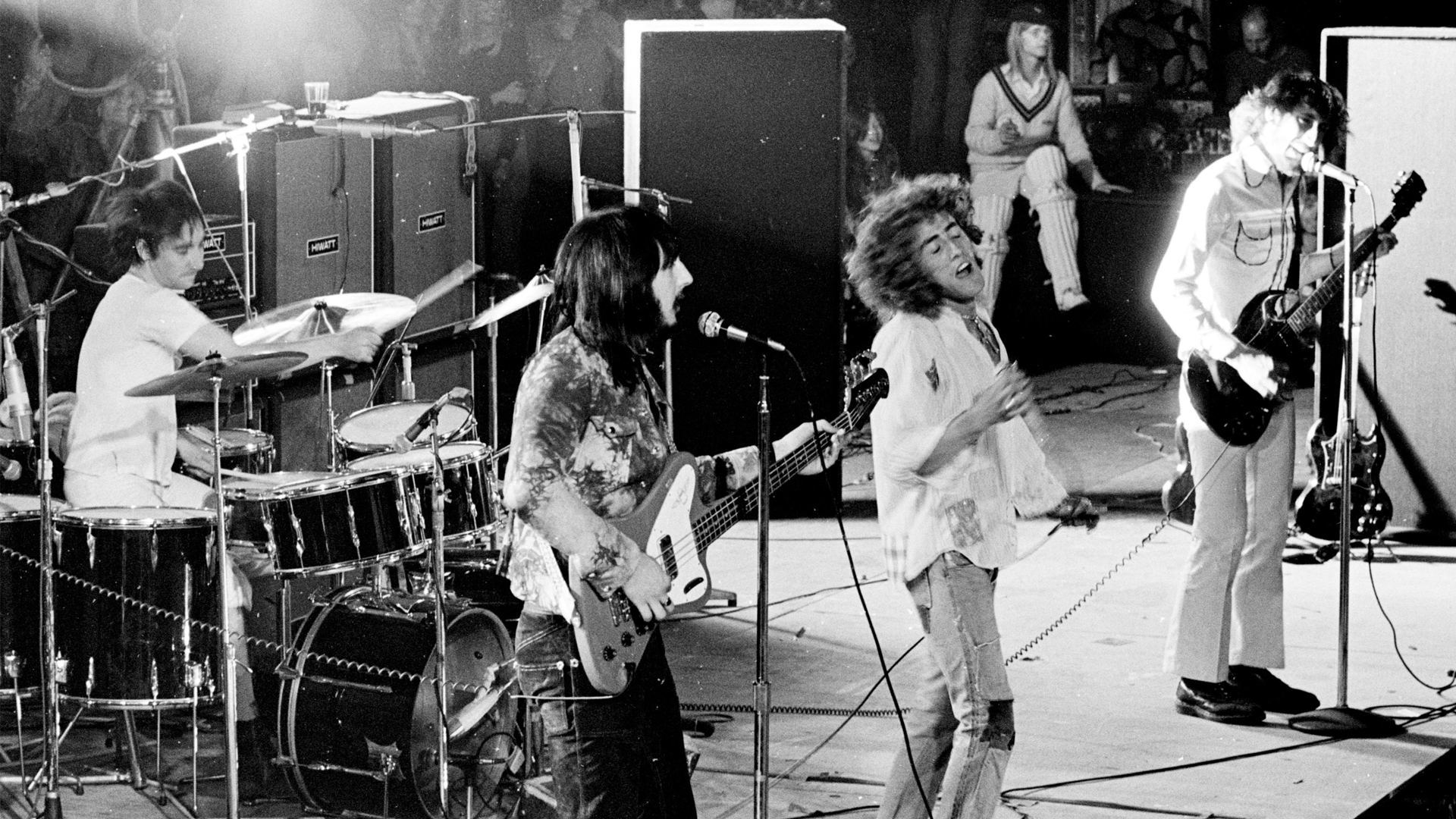
When the band convened at Olympic Studios in Barnes, South London, producer Glyn Johns transferred the mesmerizing organ track onto a multitrack tape. The remaining members of The Who—vocalist Roger Daltrey, bassist John Entwistle, and drummer Keith Moon—then undertook the challenging task of performing their parts live in the studio, perfectly synchronized to the pre-recorded organ track.
Arrangement and Instrumentation
The piano enters following the organ, establishing a straightforward triadic harmonic structure in F major for three beats, shifting to C major for one beat, and settling on B-flat for a full four beats. The voice-leading within the piano arrangement ensures that individual notes transition smoothly and lyrically from one chord to the next. The opening F chord features an A at the top, descending to G for the C major chord, and F for the B-flat chord, creating a steady sense of harmonic descent.
The piano is subsequently reinforced by drums and a heavily compressed bass guitar, the latter processed to emulate a synthetic foundation that supports the entire arrangement. It is not until nearly two minutes into the track that Townshend introduces his electric guitar, which embellishes the piano progression by occasionally anticipating the downbeat of each bar.
Roger Daltrey’s vocal delivery reflects the bleak, dystopian undertones of Townshend’s original Lifehouse narrative. The opening lyric—"Out here in the fields, I fight for my meals"—sets a stark thematic tone. As the song progresses toward a C major resolution, the arrangement introduces a moment of calm underpinned by the recurring refrain of "teenage wasteland." This phrase proved so culturally resonant that it is frequently mistaken by listeners as the actual title of the song.
The Celtic Influence and the Missing ‘O’
Following a return to the verse structure and another contemplative musical plateau, the song undergoes a radical tempo shift accompanied by heavy power chords, introducing an E-flat major chord alongside the established F, C, and B-flat progression.
The concluding section features a prominent violin solo performed by Dave Arbus. Arbus’s participation was entirely serendipitous; he happened to be recording in an adjacent studio room at the time and was invited to contribute to the session.
Supported by drummer Keith Moon’s shift into a double-time feel during this slower tempo, the arrangement adopts a distinct Celtic folk flavor reminiscent of traditional Irish music. This unexpected stylistic turn provided the inspiration for the "O" in "Baba O’Riley," tying the title back to Irish nomenclature despite its Eastern and minimalist origins.
According to session accounts, capturing the final movement of the track proved difficult, as Keith Moon accelerated the tempo significantly toward the conclusion. The original studio recording of the piece ran for approximately 30 minutes, meaning the commercially released version represents heavily edited highlights distilled from a much more expansive jam session.
Lyrical Meaning and Cultural Legacy
Reflecting on the song’s enduring cultural footprint, Pete Townshend clarified the social commentary embedded within the lyrics during an interview for the Classic Albums documentary series. "It’s not about getting wasted," Townshend explained. "It’s about wasted life, wasted opportunity, wasted years, and I take full responsibility for the fact that my generation complained about the state of the planet, and did nothing."
Decades after its 1971 release, "Baba O’Riley" remains a defining achievement in rock history. By merging minimalist composition techniques, early electronic home organ technology, Indian spiritual philosophy, and hard-rock arrangements, The Who crafted a timeless anthem that continues to influence contemporary music production, film scoring, and alternative rock culture.
Related posts: