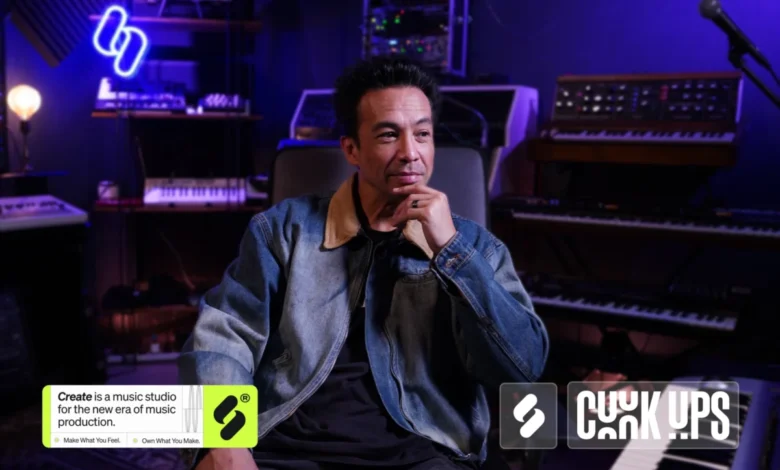
The evolution of music production technology has reached a significant inflection point as artificial intelligence and natural language processing begin to integrate directly into the Digital Audio Workstation (DAW) environment. In a recent demonstration at a pop-up studio in Amsterdam, veteran DJ and producer Laidback Luke showcased the capabilities of Splice Create, a new platform designed to bridge the gap between creative intuition and technical execution. By leveraging voice-to-sound technology, the session highlighted how industry leaders are adapting to a landscape where the barrier between a sonic concept and a finished arrangement is rapidly diminishing.
A Legacy of Innovation in Electronic Music
Laidback Luke, born Lucas Cornelis van Scheppingen, has maintained a dominant presence in the electronic dance music (EDM) industry for over two decades. His career is characterized by a unique transition from the underground club scenes of the late 1990s to the global festival stages that define contemporary dance culture. Throughout his tenure, he has been recognized not only for his performance skills but for his technical proficiency in the studio.
His portfolio includes an extensive list of remix work for global icons, including Daft Punk, Rihanna, Madonna, Pharrell Williams, Tiësto, Depeche Mode, and Calvin Harris. This body of work underscores his role as a tastemaker who understands the nuances of sound design and the demands of high-fidelity production. Given his history of early adoption regarding production software and hardware, his engagement with Splice Create serves as a barometer for how professional producers are integrating emerging technologies into established workflows.
The Technological Context: Splice Create and the DAW Evolution
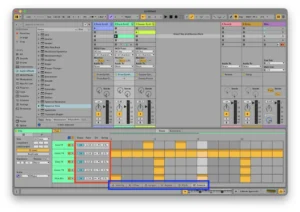
The traditional DAW model—used by industry standards such as Ableton Live, Logic Pro, and FL Studio—requires a high degree of technical literacy. Producers must understand signal flow, synthesis, automation, and MIDI programming to translate an idea into audio. Splice Create attempts to disrupt this paradigm by acting as an all-in-one workstation that integrates the extensive Splice sound library directly with generative and assistive tools.
The platform distinguishes itself from "one-click" music generators that produce full tracks without user intervention. Instead, it positions itself as an assistive intelligence tool. During his Amsterdam session, Laidback Luke demonstrated how the software interprets natural language prompts to curate sounds and assist in arrangement, effectively functioning as a technical co-producer. This approach addresses a common pain point for producers: the friction caused by navigating massive sample libraries, which can often interrupt the creative flow state.
Chronology of the Amsterdam Studio Demonstration
The demonstration in Amsterdam was part of a series of industry-focused activations designed to test the limits of Splice’s new interface. The process followed a structured evolution:
- Conceptualization: Laidback Luke initiated the session by identifying a specific aesthetic goal—a "rave track." This genre-specific intent provided the software with the parameters necessary to filter and select appropriate percussion and synthesis elements.
- Linguistic Interface: The producer utilized natural language to request specific textures, such as high-energy drum loops or specific synth leads. The software indexed the Splice catalog to present relevant options in real-time.
- Iterative Refinement: As the track took shape, Laidback Luke manually adjusted the outputs provided by the software, demonstrating that the human element remains the primary driver of the final mix.
- Integration: The final phase involved layering these elements into a cohesive arrangement, demonstrating the software’s ability to manage complex project files with minimal latency.
Supporting Data and Market Trends
The intersection of AI and music production is currently one of the fastest-growing sectors in the creative technology market. According to recent industry reports, the global market for music production software is projected to reach approximately $1.5 billion by 2030, with generative AI tools expected to account for a significant portion of that growth.
Data from the session suggests that tools like Splice Create can reduce the time spent on "sound discovery"—the process of auditioning samples—by upwards of 40%. For a professional producer like Laidback Luke, who works under tight deadlines for remix commissions and original releases, this efficiency is not merely a convenience but a strategic advantage. By offloading the repetitive labor of file management and search, the producer can allocate more mental bandwidth to composition and arrangement.
Industry Implications and Professional Reactions
The integration of natural language processing into the studio has sparked a broader debate within the music community regarding the role of the producer. Some critics argue that relying on assistive technology may homogenize sound design, while proponents suggest that it democratizes the production process, allowing artists to focus on musicality rather than technical hurdles.
In his assessment of the software, Laidback Luke noted, "I think the way that it streamlines the way I produce and what I already know is fascinating. It takes something that I’m used to, but makes it easier." This sentiment reflects a pragmatic view held by many veteran producers: technology is not a replacement for creativity, but a facilitator of it. The software does not "make" the music in the sense of autonomous creation; rather, it acts as a highly efficient assistant that understands the user’s intent and executes technical commands.
Broader Impact on the Production Ecosystem
The implications of this shift extend to several areas of the music industry:
- Education and Onboarding: For novice producers, the ability to use natural language to find sounds reduces the intimidation factor of complex software, potentially accelerating the learning curve for the next generation of creators.
- Workflow Standardization: As more platforms adopt AI-driven search and arrangement, the industry may see a move toward a universal language of production, where producers can seamlessly move between hardware and software environments using consistent commands.
- The Future of Remix Culture: With the ability to rapidly source and manipulate high-quality samples, the speed at which artists can execute remixes and mashups is expected to increase. This could lead to a more reactive music culture, where producers can respond to trending sounds and cultural moments in real-time.
Conclusion
The collaboration between a veteran artist like Laidback Luke and an emerging platform like Splice Create represents a significant milestone in the digital audio landscape. By successfully integrating natural language processing into a professional-grade DAW, the technology addresses the fundamental challenge of the modern studio: balancing technical complexity with creative spontaneity.
As the industry moves toward 2027 and beyond, the focus will likely remain on how these tools evolve to support, rather than supplant, the creative intent of the producer. The Amsterdam demonstration serves as a clear indicator that the future of music production will be defined by the symbiotic relationship between human artistry and machine intelligence. For professional producers, the task ahead is to harness these tools to push the boundaries of their sound, ensuring that while the process becomes more efficient, the resulting art remains deeply human and uniquely expressive. The Splice Create platform is now available for further exploration, marking a new chapter in the ongoing history of digital music creation.