How a Strange Encounter with Chris Thomas Led to INXS’s Global Breakthrough with Listen Like Thieves

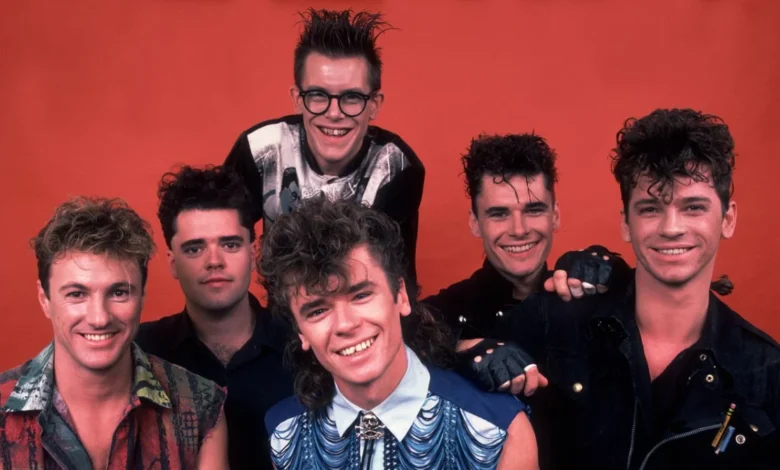
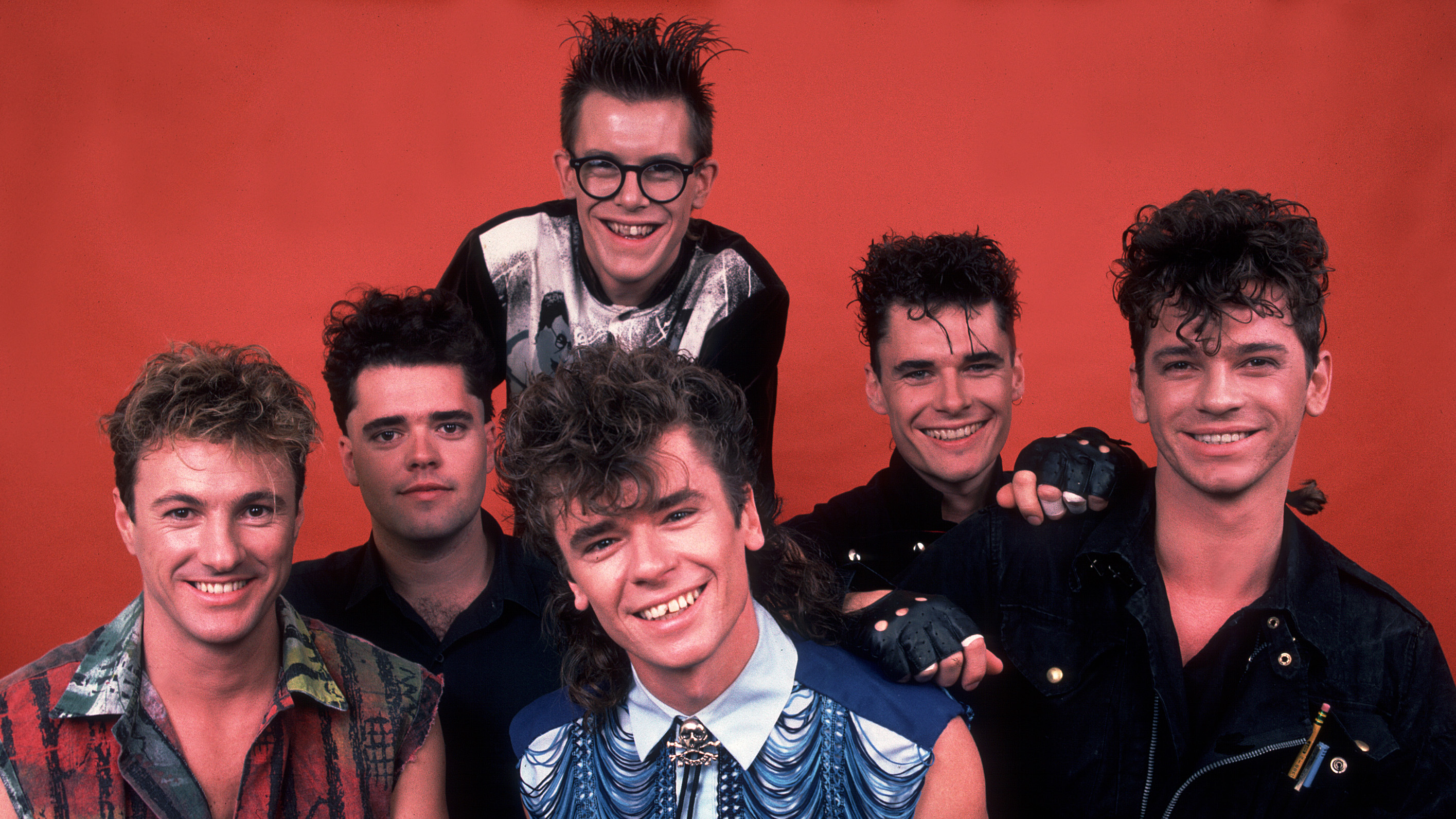
The trajectory of a rock band is often defined by a single moment of clarity, a pivot point where raw potential meets the precise technical expertise required to translate that energy into a commercial juggernaut. For the Australian sextet INXS, that moment did not occur in a boardroom or a high-end recording studio, but rather in the middle of a sweat-soaked performance at the Hollywood Palladium in 1984. As the band powered through their set, keyboardist and primary songwriter Andrew Farriss noticed a stranger wandering across the stage, inspecting amplifiers and peering behind drum kits while the music was still in full swing. This intrusive observer was not a misguided fan or a confused roadie; he was Chris Thomas, one of the most formidable producers in the history of modern music. His unconventional "stage inspection" would eventually lead to the creation of Listen Like Thieves, the 1985 album that transformed INXS from an Australian curiosity into a global phenomenon.
The Landscape of 1984: INXS on the Precipice
By the mid-1980s, INXS had already established themselves as a dominant force in their native Australia. They had successfully navigated the transition from the pub-rock circuit to the top of the domestic charts with albums like Underneath the Colours and Shabooh Shoobah. However, the United States remained a challenging frontier. Their 1984 album, The Swing, had shown promise. Produced by the legendary Nile Rodgers, the record featured the hit "Original Sin," which topped charts in Australia and parts of Europe and reached the lower rungs of the Billboard Hot 100.
Despite the success of "Original Sin," there was a lingering sense among critics and industry insiders that the band’s recorded output had yet to capture the visceral, funk-infused rock energy that defined their live shows. Michael Hutchence’s magnetic stage presence and the band’s tight, rhythmic interplay were legendary, but on record, they often sounded more like a polished New Wave act than the powerhouse rock unit they truly were.
The Palladium Incident: A Producer’s Unorthodox Audit
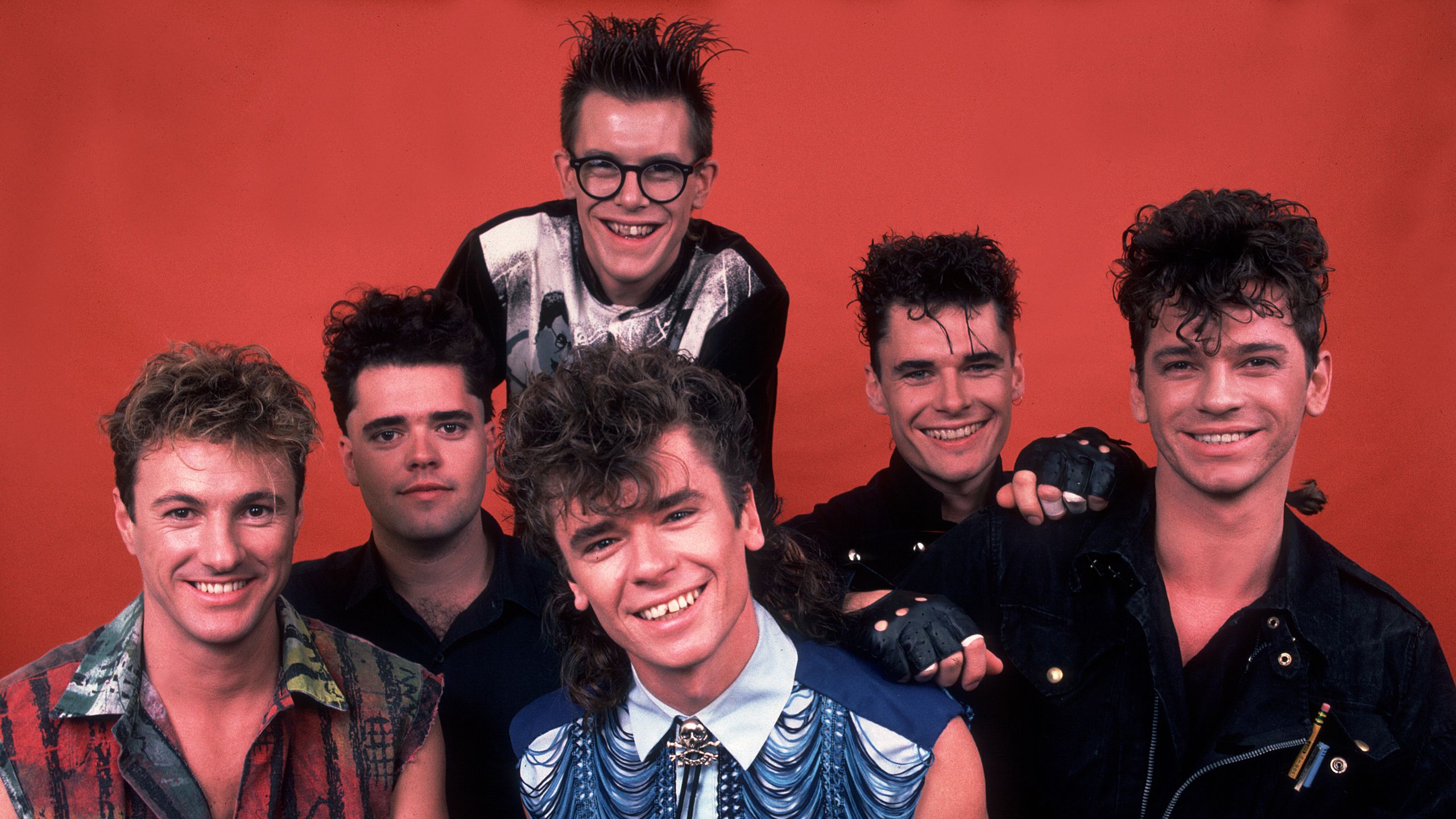
The encounter at the Los Angeles Palladium remains one of the more surreal anecdotes in the band’s history. Andrew Farriss recalls the confusion of seeing a man casually strolling through their performance space. "I’m looking around at our crew guys, like, ‘What the hell is going on?’" Farriss noted in a later interview. "And all the while this bloke is walking around all over the stage, behind our gear, looking at the amps, everything."
The man was Chris Thomas, a producer whose resume was nothing short of staggering. Having served as an assistant on The Beatles’ "White Album," Thomas had gone on to produce the Sex Pistols’ Never Mind the Bollocks, Here’s the Sex Pistols, Pink Floyd’s The Dark Side of the Moon (as a mixing engineer), and seminal works by Roxy Music, The Pretenders, and Elton John. When he introduced himself backstage after the show, the band was initially defensive about his mid-show antics.
Thomas, however, was blunt. He told the band that while they were one of the greatest live acts he had ever seen, their records were failing them. His assessment was that no one had yet recorded the band "properly." He argued that the disconnect between their live power and their studio recordings was a technical failure, not a creative one. He had spent the concert walking the stage to hear the individual components of their sound—the specific grit of the guitar amps, the punch of the monitors, and the acoustic space the band occupied—so he could understand how to replicate it in a studio environment.
Chronology of a Breakthrough: The Road to Listen Like Thieves
Following the Palladium encounter, the band made the strategic decision to hire Thomas for their fifth studio album. The timeline of the project reflects a band moving with newfound purpose:
- Late 1984: Initial discussions begin between INXS management and Chris Thomas.
- Early 1985: Andrew Farriss and Michael Hutchence begin intensive songwriting sessions, focusing on more concise, radio-friendly structures that retained their signature "black-rock" groove.
- August 1985: Recording sessions commence at Rhinoceros Studios in Sydney, Australia.
- September 1985: The band struggles to find a "lead single" until the final days of recording, resulting in the last-minute creation of "What You Need."
- October 1985: Listen Like Thieves is released globally.
The Recording Process: Replicating the Live Experience
When sessions began at Rhinoceros Studios, Thomas immediately sought to dismantle the standard recording protocols of the era. In the 1980s, the prevailing studio trend was isolation: drums in a booth, guitars direct-injected or isolated in separate rooms, and layers upon layers of synthesizers added later. Thomas wanted the opposite.
He famously asked the band, "Where’s the gear that you were using in Los Angeles?" When told it was still in the U.S., he insisted they replicate the live setup as closely as possible. This included using stage monitors (wedges) in the studio rather than relying solely on headphones, a move that allowed the band to feel the physical vibration of the music as they played.
"Most recording studios try to isolate all the musicians from each other," Farriss explained. "But instead of that, he got us all to play together, exactly like we play live." This "live-in-the-studio" approach captured a specific urgency. The title track, "Listen Like Thieves," and the atmospheric "Kiss the Dirt (Falling Down the Mountain)" benefited from this organic cohesion, sounding less like programmed pop and more like a band in a room.
Data and Chart Performance: The Global Impact
The gamble on Chris Thomas paid off immediately. Listen Like Thieves became the bridge that allowed INXS to cross over into the American mainstream with permanent residency.
Billboard 200 Performance:
The album peaked at No. 11 on the Billboard 200, a massive jump from The Swing, which had peaked at No. 52. It remained on the charts for nearly two years, eventually achieving Double Platinum status in the United States.
The Singles:
- "What You Need": The album’s breakout hit. It reached No. 5 on the Billboard Hot 100, becoming the band’s first Top 5 single in the U.S.
- "Listen Like Thieves": The title track reached No. 12 in Australia and became a rock radio staple in the U.S. and UK.
- "This Time": A melodic rock anthem that solidified their appeal to both pop and alternative audiences.
- "Kiss the Dirt (Falling Down the Mountain)": While a more modest chart performer (No. 15 in Australia), it became one of the band’s most critically acclaimed tracks, noted for its unique rhythmic structure.
Analysis of Implications: Setting the Stage for ‘Kick’
The success of Listen Like Thieves was more than just a commercial victory; it was a proof of concept. It proved that INXS’s unique blend of funk, dance, and rock—often referred to as "the groove"—could be packaged for a mass audience without losing its edge.
Chris Thomas’s influence cannot be overstated. By forcing the band to embrace their live identity within the confines of the studio, he helped them find their definitive sound. This partnership would continue for their next album, Kick (1987), which would go on to sell over 20 million copies worldwide. Listen Like Thieves provided the blueprint for Kick’s perfection; it was the moment the band learned how to use the studio as an instrument to amplify their natural chemistry.

The album also had a profound impact on the next generation of producers and musicians. Giles Martin, the son of legendary Beatles producer George Martin and a world-renowned producer in his own right, has frequently cited Listen Like Thieves as his favorite album of all time. This endorsement from a figure steeped in musical royalty underscores the technical and creative achievement of the record.
Broader Impact and Official Legacy
In the decades since its release, Listen Like Thieves has been recognized as a cornerstone of 1980s rock. It signaled the rise of Australian music on the world stage, proving that a band from Sydney could compete with—and often outperform—the giants of the UK and US scenes.
For the band members, the album remains a point of immense pride. Andrew Farriss views the record as the "milestone" that defined their career. It was the moment they stopped trying to fit into the existing pop landscape and instead forced the landscape to adapt to them.
The legacy of the 1984 Palladium incident serves as a reminder of the importance of perspective. It took an outsider—a producer with a "weird" habit of walking around stages mid-concert—to show INXS who they really were. By stripping away the artifice of 80s production and returning to the raw power of their live performance, Chris Thomas and INXS created a record that remains as vibrant and influential today as it was nearly forty years ago. The thieves didn’t just listen; they conquered.
Related posts: