Native Instruments Introduces Super*Saw: The Revolutionary Synthesizer Co-Created with PC Music Founder A. G. Cook

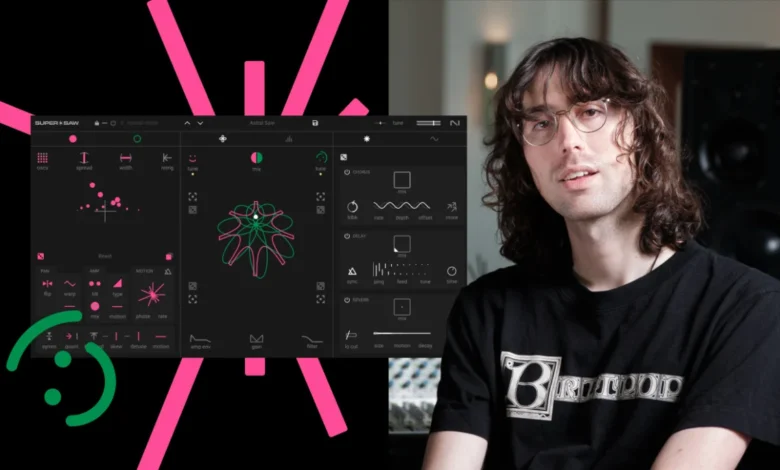
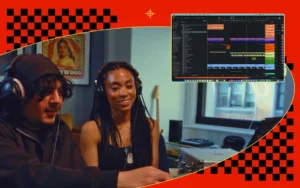
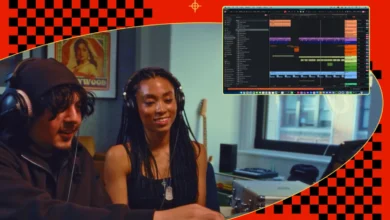
The landscape of electronic music production and sound design has long been defined by the unmistakable grit and power of the stacked sawtooth wave. Originating during the digital and virtual analog synthesis revolution of the 1990s, the "supersaw" quickly became the bedrock of European rave anthems, euphoric pop productions, and wall-of-sound club arrangements. Building upon this rich legacy, industry heavyweight Native Instruments has officially announced the launch of SuperSaw, a pioneering virtual synthesizer developed in close collaboration with visionary producer, songwriter, and PC Music founder A. G. Cook. Officially pronounced "SuperStarSaw," the instrument aims to condense years of laborious digital routing, stacking, and multitracking into a single, highly expressive software plugin. To mark the global release, Native Instruments met with Cook at the historic Baltic Studios in London to discuss his distinct production ideology, the arduous workflow challenges of the past, and how SuperSaw pushes digital sound design to its absolute limits.
Background Context and the Evolution of the Supersaw
To understand the significance of Super*Saw, one must look back at the technological shifts of the 1990s. Traditional analog synthesizers were frequently limited by hardware constraints, typically offering a modest number of oscillators per voice. However, the advent of digital virtual analog synthesis allowed producers to exponentially increase oscillator counts, giving birth to the supersaw—a technique where multiple detuned sawtooth waves are layered together to create a massive, wide, and aggressive sonic texture.
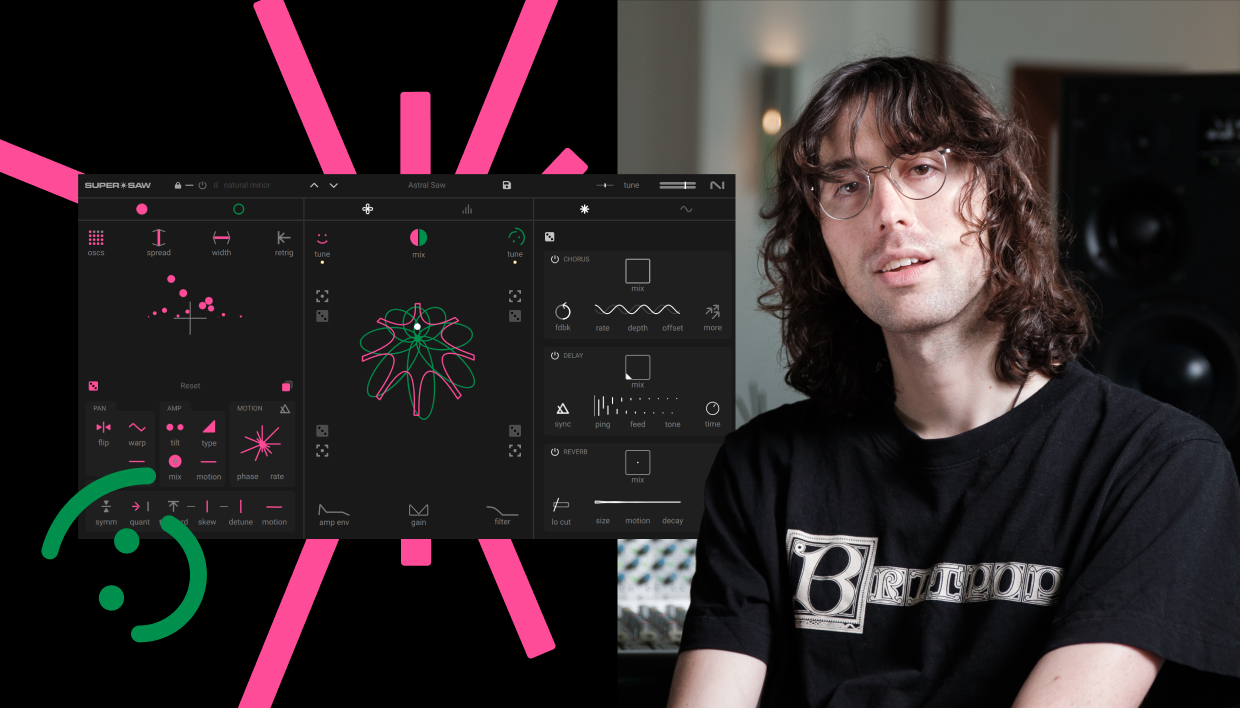
Over the decades, this waveform evolved from a localized club phenomenon into a global pop staple. In modern production, the supersaw is heavily utilized across hyperpop, EDM, contemporary dance music, and cinematic sound design. Yet, achieving a professional, nuanced supersaw sound has historically required complex digital signal routing. Producers typically had to instantiate multiple tracks, load separate software instruments, manually adjust fine-tuning parameters across dozens of oscillators, and meticulously draw automation curves to ensure the sound evolved dynamically over time.
For A. G. Cook, whose decade-long career includes shaping the sonic identity of hyperpop as the founder of PC Music, executive producing for global pop icon Charli XCX, and releasing critically acclaimed solo bodies of work such as 7G, Apple, and Britpop, these tedious workarounds were a daily reality. The desire to streamline this process into a dedicated, tactile instrument had been a long-term ambition for the producer.
The Genesis and Architecture of SuperSaw
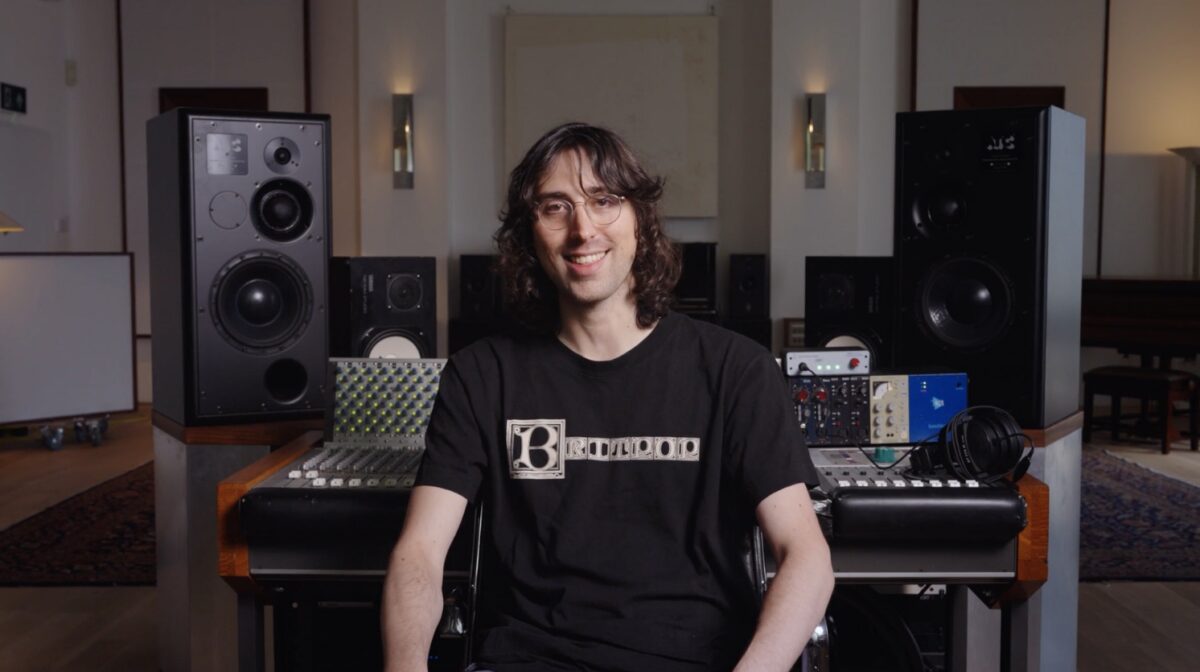
Speaking from London’s Baltic Studios, Cook reflected on the realization of his long-held goal to build a custom hardware-inspired plugin. The core philosophy behind SuperSaw is rooted in honoring the foundational digital architecture of the 1990s while subverting its traditional limitations. Rather than reinventing synthesis from scratch, Cook and the development team at Native Instruments chose to hyper-focus on a single waveform, forcing users to explore the infinite creative possibilities found within pure sawtooth stacking.
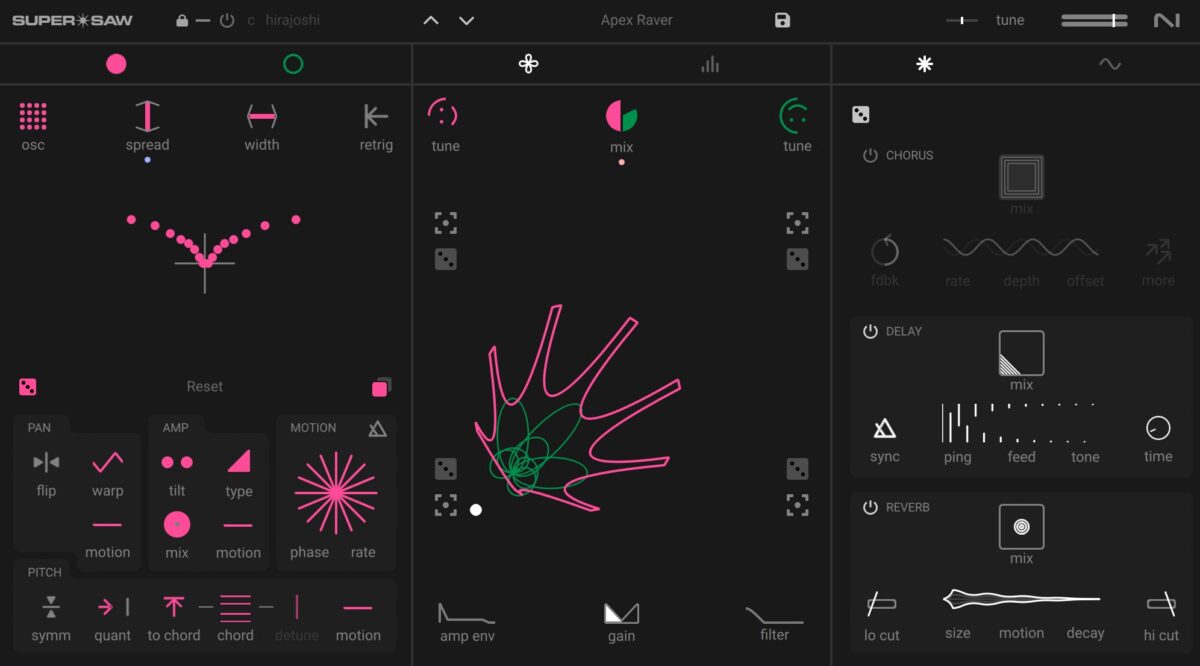
Super*Saw features a sophisticated dual 8-voice sawtooth oscillator system, structurally organized into two distinct, color-coded visual and sonic layers: pink and green. According to Cook, this dual-layer architecture mirrors his own mental framework for sound design. He likens the interaction to a comedic duo, where one layer functions as a wild, heavily modulated counter-melody while the other anchors the frequency spectrum with a solid fundamental note. The contrasting pink and green visual worlds provide immediate feedback, allowing producers to visualize how different frequency ranges and spatial spreads interact in real time.
Furthermore, the instrument is engineered for dynamic, performance-based interaction rather than static automation. At the heart of the interface lies a four-corner "Morpher," enabling musicians to smoothly transition between disparate chord shapes, detune amounts, and modulation states on the fly. Additional features include a star-shaped motion controller that can be mapped freely to panning, amplitude, or pitch, alongside a built-in randomization engine that invites happy accidents during the patch creation process.
Industry Implications and Workflow Analysis
The commercial release of Super*Saw addresses a critical bottleneck in modern DAW-based music production. By eliminating the need for convoluted multi-plugin templates, the instrument democratizes complex sound design techniques that previously required advanced audio engineering knowledge.
From an analytical perspective, Super*Saw represents a broader industry trend toward purpose-built, ideologically driven virtual instruments. Rather than offering endless, Jack-of-all-trades workstation synthesizers, modern software developers are increasingly partnering with influential artists to release hyper-specialized tools that encode a specific producer’s signature workflow directly into software. This reduces cognitive load for creators, allowing them to remain in a state of musical flow rather than getting bogged down in technical routing.
For Cook, the plugin serves as a definitive bridge between his past catalog and future artistic endeavors. In many ways, Super*Saw acts as an interactive epilogue to albums like 7G and Apple, distilling the chaotic, maximalist energy of those records into an accessible format for the global producer community. Whether deployed to craft shimmering, ethereal pop chords, aggressive subterranean basslines, or towering wall-of-sound rave leads, the instrument provides an immediate, expressive gateway to the outer boundaries of electronic music.
Availability and Market Reception
Super*Saw is available now worldwide through the official Native Instruments website, compatible with major digital audio workstations via standard plugin formats. Early reactions from the electronic music production community have been overwhelmingly positive, particularly among producers working within hyperpop, EDM, and forward-thinking pop genres. As software instrumentation continues to evolve, collaborations like the Native Instruments and A. G. Cook partnership highlight the growing importance of artist-led product design in shaping the future of music technology.