Phoenix James Unveils the Creative Architecture Behind Her Latest Single Hold On

The landscape of modern music production is increasingly defined by the fusion of disparate influences, a reality best exemplified by the work of singer-songwriter, artist, and producer Phoenix James. With a multi-cultural background spanning the distinct musical epicenters of Birmingham, Miami, and New York, James has cultivated a sonic identity that bridges the gap between the soulful textures of R&B and the expansive, experimental nature of indie pop. Her most recent creative endeavor, the single “Hold On,” serves as a case study in contemporary arrangement and collaborative production, offering a window into the intersection of analog warmth and digital precision.
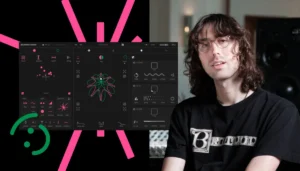
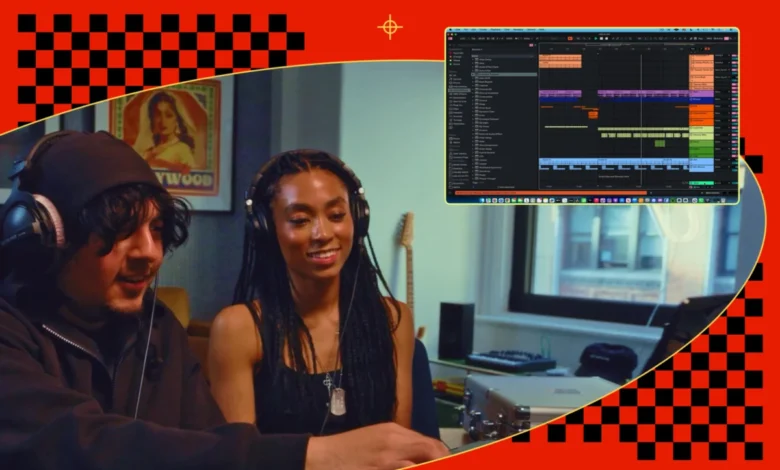
In a detailed technical breakdown featured on the Splice YouTube channel, James and her longtime collaborator, producer and engineer Abner Dennis, provided an exhaustive look at the composition process for “Hold On.” The walkthrough serves not only as a promotional tool for the single but as an educational resource for independent artists, illustrating the transition from raw, disparate ideas to a polished, commercially viable track within the Ableton Live environment.
The Technical Anatomy of the Track
The production of “Hold On” was characterized by a meticulous layering process that prioritized texture and atmospheric depth. James and Dennis utilized a hybrid setup, marrying the organic quality of Juno synthesizer recordings with the precision of modern software-based production. A significant portion of the track’s percussive foundation was built using samples sourced from the Splice library, demonstrating the industry’s shift toward high-fidelity, royalty-free assets as a standard for professional-grade music creation.
By integrating traditional guitar performances with processed digital samples, the duo achieved a sound that feels both vintage and contemporary. The arrangement process in Ableton Live focused on balancing these elements to ensure that the vocal performance—the centerpiece of the composition—remained clear while maintaining a sense of sonic urgency. This technical approach underscores a broader trend in the music industry: the move away from rigid genre categorization toward a more fluid, modular approach to production where the texture of the sound is as critical as the harmonic structure.
The Dynamics of Creative Friction
Perhaps the most significant takeaway from the collaborative process between James and Dennis is the role of creative tension in the development of a song. The duo candidly discussed the friction that occurred during the vocal tracking sessions, noting that their initial visions for the track’s emotional intensity were diametrically opposed.
“Originally, you wanted super soft vocals; I remember we got in a tiff about it,” James noted during the breakdown. “Because I was like, ‘Bro, there’s no energy behind the song. I need to be screaming on it.’”
Dennis, reflecting on the process from the perspective of an engineer, acknowledged that his inclination toward a more subdued, atmospheric vocal take nearly compromised the emotional resonance of the song. “She really understands how it’s meant to be,” Dennis stated. “I was doing way too much.”
This exchange highlights a critical reality for producers and artists: the most successful collaborations are rarely those that lack disagreement, but rather those that possess the communicative infrastructure to resolve it. The “tiff” James and Dennis experienced proved to be a necessary catalyst, pushing the song toward a more dynamic performance that resonated with the intended emotional arc of the lyrics. In the context of the music industry, this level of transparency regarding the creative process is becoming increasingly valued by listeners who prioritize authenticity over perfectly curated, sterile productions.
The Value of Capturing Fleeting Moments
Beyond the specific technical steps taken to arrange “Hold On,” Abner Dennis offered a strategic piece of advice for producers working in collaborative environments: the necessity of constant, low-stakes recording. Dennis advocates for the use of portable, always-on recording devices, such as the TASCAM, to capture spontaneous ideas that occur outside of formal recording sessions.
“It’s so useful to just have a little TASCAM always recording random stuff,” Dennis explained. “You might think that there’s nothing on there that’s useful, since you’ve already chosen all the ‘perfect’ sounds. But really, you have so many gems that, while creating, you might be ignoring because you’re going through things quickly—but you could just grab them later if you just have something recording the whole time.”
This methodology addresses a common bottleneck in music production: the “paradox of choice.” As digital audio workstations (DAWs) provide virtually unlimited options for sound design, producers often suffer from decision fatigue, causing them to overlook the spontaneous, human elements that make a track feel unique. By creating a repository of raw, unedited ideas, producers can revisit their early creative impulses later in the process, ensuring that the initial spark of an idea is not lost to the refinement phase.
Broader Implications for the Independent Music Industry
The success of “Hold On” and the accessibility of its production process point to several larger trends within the independent music sector. Firstly, the democratization of high-quality tools—exemplified by platforms like Splice—has lowered the barrier to entry for high-level sound design. Artists like Phoenix James are no longer reliant solely on expensive, professional recording studios to achieve a high-fidelity sound; instead, they can leverage digital ecosystems to build professional-grade arrangements from their home setups.
Secondly, the rise of "artist-led" tutorials and track breakdowns signals a shift in how music marketing functions. Audiences are increasingly engaging with the “how-to” of music, finding value in the technical struggle and the human experience behind the art. By pulling back the curtain on the creative process, James and Dennis have built a stronger connection with their audience, fostering a community of listeners who are also invested in the technical craft.
Chronology and Development
The timeline for the release of “Hold On” reflects the accelerated nature of the modern digital music cycle. The project underwent various stages of development, beginning with early-stage songwriting sessions in late 2025. By early 2026, the duo had transitioned into the intensive production and mixing phases, where the collaborative friction mentioned earlier occurred. The final master was prepared during the summer of 2026, leading to the promotional campaign that included the Splice YouTube feature in late September 2026. This timeline indicates a disciplined approach to project management, where creative experimentation is balanced against a structured release schedule.
Future Outlook and Artist Trajectory
As Phoenix James continues to bridge the gap between regional influences—Birmingham’s soulful roots, Miami’s rhythmic energy, and New York’s grit—her work remains a testament to the power of cross-pollination in music. The industry is closely watching how independent artists utilize these collaborative frameworks to maintain creative control while expanding their sonic palettes.
For aspiring producers and songwriters, the lessons from the “Hold On” breakdown are clear: technical proficiency in platforms like Ableton Live is only half the battle. The other half is the ability to communicate effectively with collaborators, the willingness to embrace creative conflict as a tool for improvement, and the discipline to capture and preserve the intangible, fleeting moments of inspiration. As the music industry continues to evolve, the ability to balance these human elements with digital tools will remain the hallmark of successful, enduring artistry.
In the final assessment, the breakdown of “Hold On” provides more than just a list of plugins and settings; it offers a blueprint for the modern creative process. By documenting the intersection of software-based production and interpersonal communication, Phoenix James and Abner Dennis have provided an invaluable resource for the next generation of independent musicians, setting a high standard for transparency and collaborative excellence in the digital age.
Related posts: