The Fifty-Year Genesis of SatchVai: How Joe Satriani and Steve Vai Finally Made Their First Studio Album Together

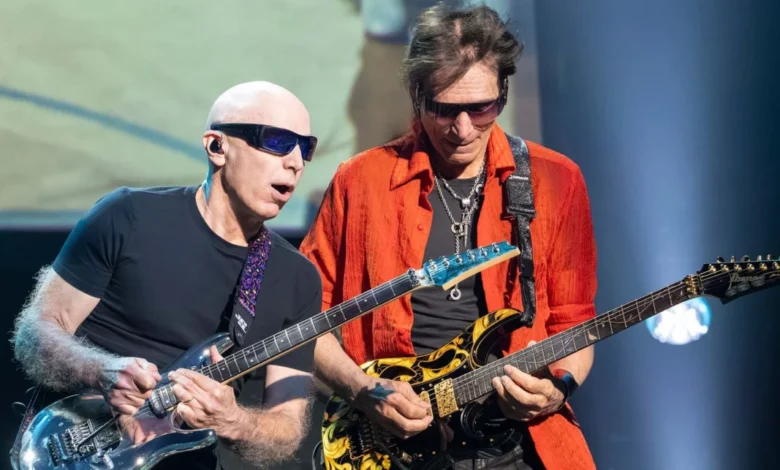
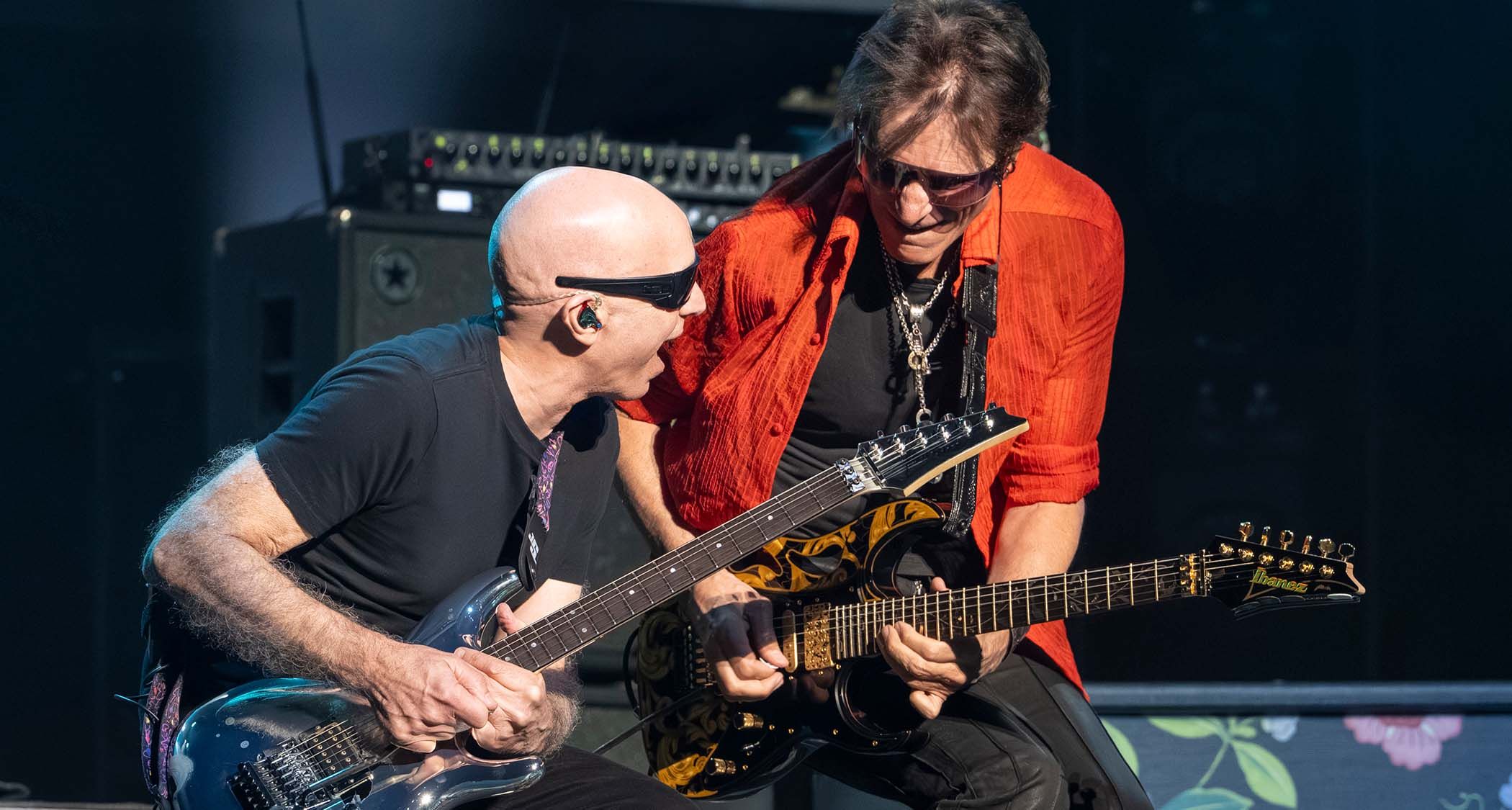
Guitar legends Joe Satriani and Steve Vai have formally released their collaborative studio album, a project with roots stretching back half a century to their formative years in Long Island, New York. Titled The Sea Of Emotion, the record represents the culmination of a lifelong friendship, parallel professional trajectories, and an enduring mutual admiration that began in the early 1970s when Satriani took on a young, ambitious Vai as a guitar student.
While the collaborative album arrives as a landmark release for the instrumental rock genre, the partnership itself predates commercial success, major record deals, and the global acclaim that eventually defined both artists’ careers. What began as informal lessons in suburban New York has ultimately evolved into a masterclass in modern guitar composition, crossing decades of technological evolution and demanding touring schedules.
A Long Island Foundation: From Lessons to Legendary Careers
The chronicle of SatchVai begins in Carle Place, Long Island, during the early 1970s. Satriani, born in 1956, was already developing a reputation locally as a formidable player. When a 12-year-old Steve Vai—then a raw, enthusiastic novice—sought him out for guitar instruction, Satriani immediately recognized exceptional raw potential.
"When I saw this 12-year-old kid with so much talent, I just thought, ‘I have to show this kid everything I know, because he is gonna go places,’" Satriani recalls.
Their early hangouts frequently took place in the fields across from Carle Place school, a local hangout spot where teenagers would discuss rock music, trade guitar techniques, and articulate ambitions of professional success. These fields, affectionately dubbed "The Sea Of Emotion" by the duo during their youth, would eventually provide the thematic and literal title for their collaborative three-part title track decades later.
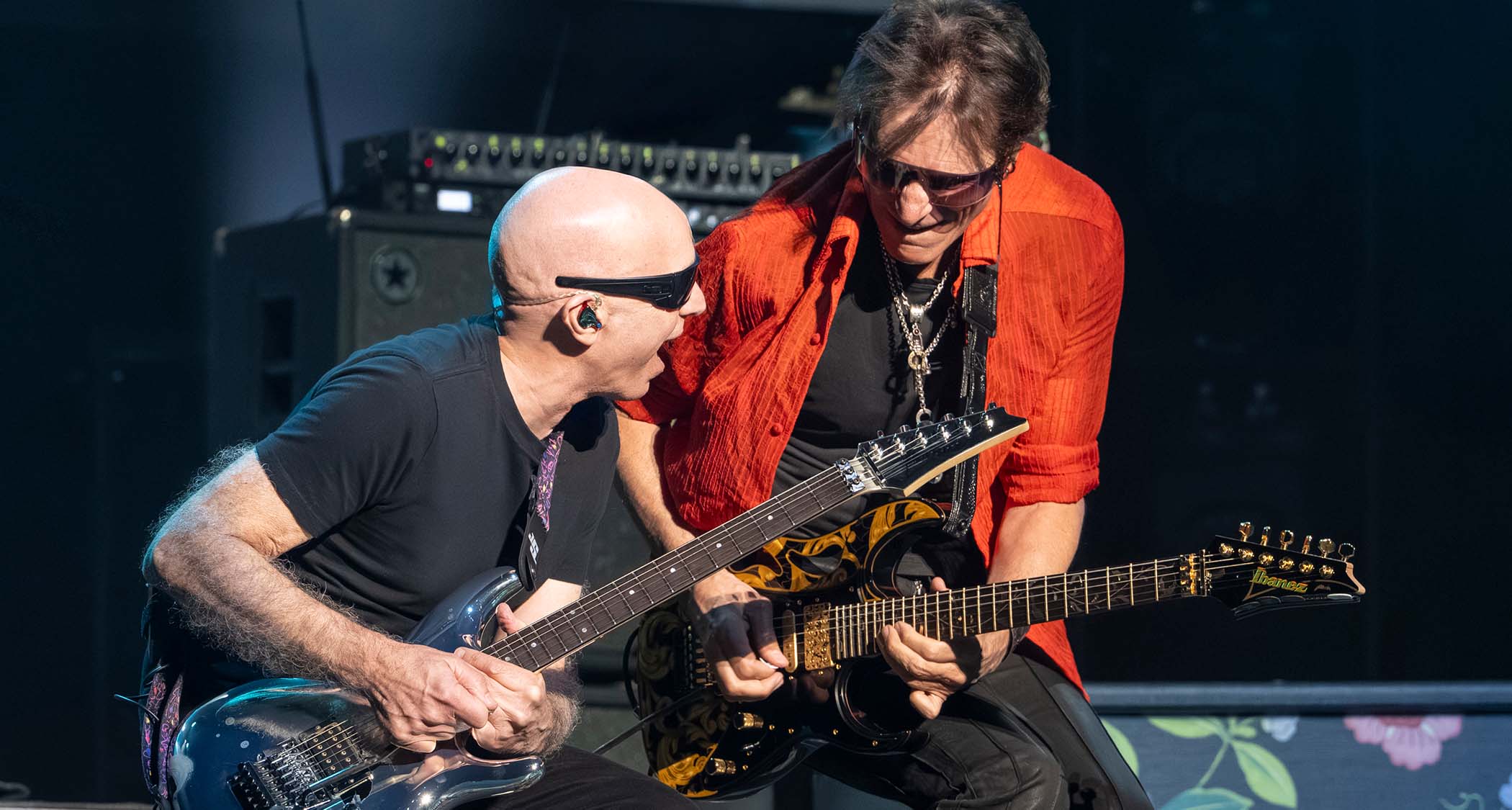
Curiously, the parallels in their artistic paths continued to manifest long after they left New York. Both musicians eventually relocated to California, inadvertently purchasing homes near each other in Lake Tahoe without prior planning. Furthermore, they experienced major personal milestones simultaneously, including the births of their children. Despite navigating intense, high-profile solo careers and fronting major musical outfits, their personal bond remained unbroken.
The Evolution of a Collaboration: Navigating Parallel Schedules
Though the desire to work together musically had always existed, orchestrating a full studio album required aligning two notoriously busy professional calendars. The official momentum for The Sea Of Emotion was deliberately jump-started by scheduling a co-billed tour—the Satch/Vai Tour—before a single note of the studio record had been recorded.
The timeline of the album’s creation was further complicated by high-profile side commitments. Vai spent considerable time on the road with the band Beat, performing the complex, avant-garde King Crimson guitar parts originally written by Robert Fripp. Simultaneously, Satriani undertook the formidable task of learning and authentically replicating Eddie Van Halen’s iconic guitar tones and parts while touring with Sammy Hagar on the "Best Of All Worlds" tour.
Between these rigorous touring cycles, Satriani and Vai maintained a transatlantic creative exchange, operating primarily between their respective bases in San Francisco and Los Angeles. Ideas were exchanged via digital audio files, email threads, and real-time messaging with producer and keyboardist Eric Caudieux.
This asynchronous workflow occasionally tested the patience of their record label, as initial deadlines came and went. However, both musicians found that the distance allowed them the necessary psychological space to process complex musical ideas without the restrictive pressure of an hourly studio clock.
"Steve would send me something that was very much completed," Satriani notes. "I’d be thinking, ‘What am I gonna play on this!? I need to sit back and just think about this, and not react like I’m in the studio and there’s a clock on the wall telling me I’ve gotta perform something in the next hour.’"
Embracing the Digital Frontier: Modern Production Techniques
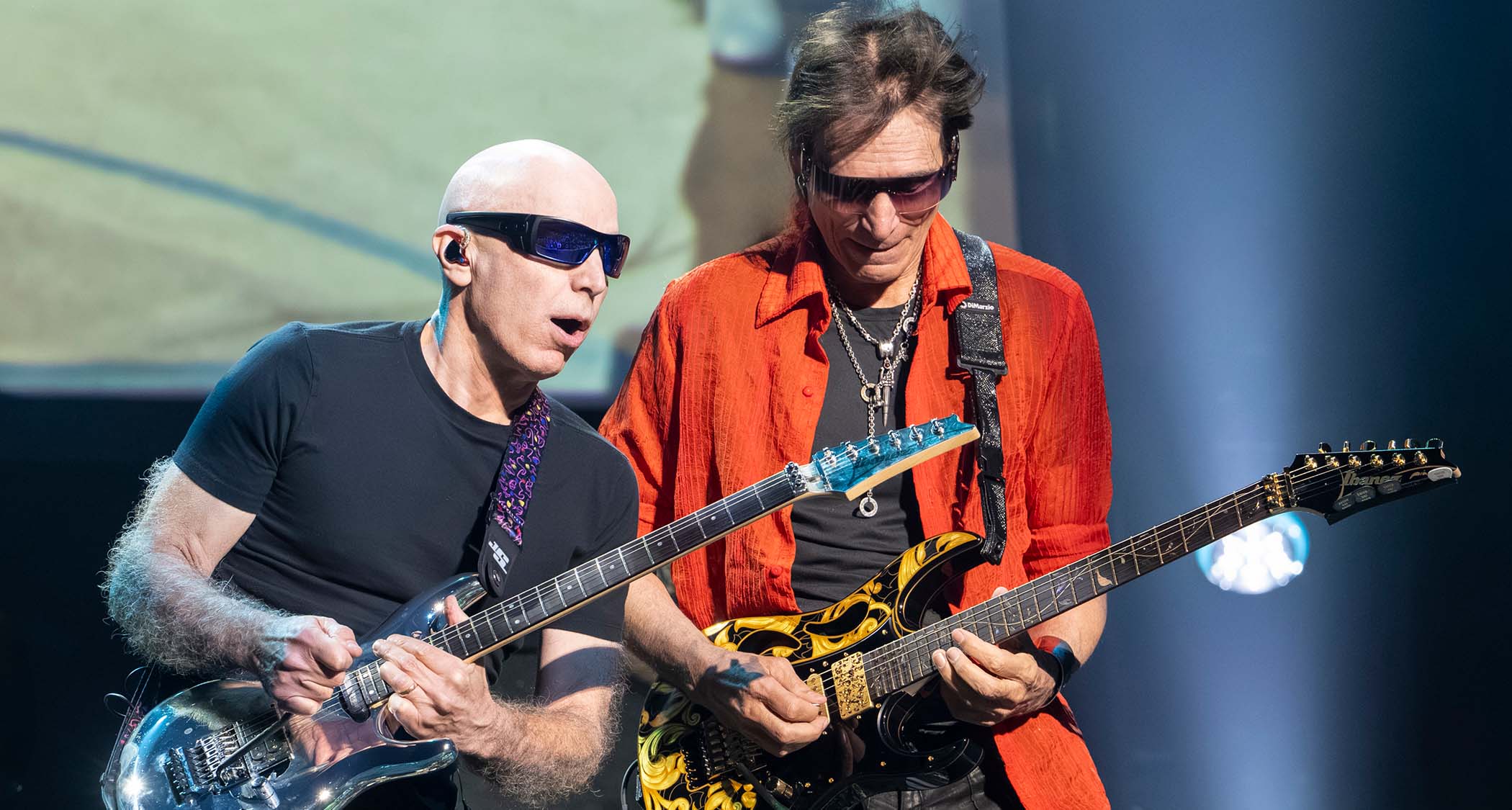
One of the most notable technical aspects of The Sea Of Emotion is its heavy reliance on modern digital modeling and plugin technology. Because both artists were frequently touring separate corners of the United States, traditional access to their massive, high-end live amplifier rigs was impossible.
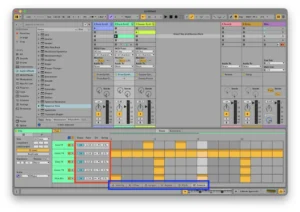
Initially, Vai expressed skepticism regarding software-based guitar tones, whereas Satriani quickly adapted to the digital paradigm. They ultimately utilized a suite of advanced virtual studio technology, including IK Multimedia’s AmpliTube and Tonex suites, Neural DSP plugins, and SansAmp hardware emulation.
Tracking direct into Pro Tools offered unexpected logistical advantages. Working alongside producer Eric Caudieux and mix engineer Greg Koller, the guitar tracks could be seamlessly integrated, compressed, and equalized relative to the rhythm section before physical amplifiers ever entered the equation.
"It was complicated, and it was stretched out over a year and a half, but it turned out to be great, because we never got bogged down with having to decide on a guitar sound while we were supposed to be being creative," Satriani explains. "It might seem counterintuitive to some people who’ve made records like myself in the old days, but, wow! What a relief to think about the creativity first before you have to worry about mic placement, and tubes, and the amp, and all that kind of stuff."
The Tracklist: From Sonic Anarchy to Classic Rock Nostalgia
The resulting album showcases a broad spectrum of instrumental dexterity, ranging from high-velocity fusion to atmospheric psychedelia. Tracks like the slide-heavy, whammy-bar-intensive "Bronco Freight Train" sit alongside the chaotic, late-night energy of "Zoot Suit Riot" and the woozy, nocturnal textures of "Old Sins Have Long Shadows."
A pivotal moment during the recording sessions occurred when both musicians occupied the same physical studio space to track "I Wanna Play My Guitar." The song stands out as the album’s sole vocal track, featuring a guest performance by legendary former Deep Purple bassist and vocalist Glenn Hughes—famously known as "The Voice of Rock" and a veteran of classic hard rock milestones such as Deep Purple’s Burn.

Hughes’ presence in the studio provided a tangible connection to the golden era of 1970s hard rock that both Satriani and Vai idolized in their youth. Taking successive vocal takes that left the production team struggling to choose the best performance, Hughes helped solidify the track’s authentic vintage spirit.
"The guy came in, take after take, each one of them was just, like, ‘How do we pick?’ He was so cool," Vai reflects. "He helped to authenticate the song."
For Vai, the track encapsulates the core philosophy of the entire project: a pure, unadulterated desire to explore the expressive capabilities of the instrument, unencumbered by modern distractions.
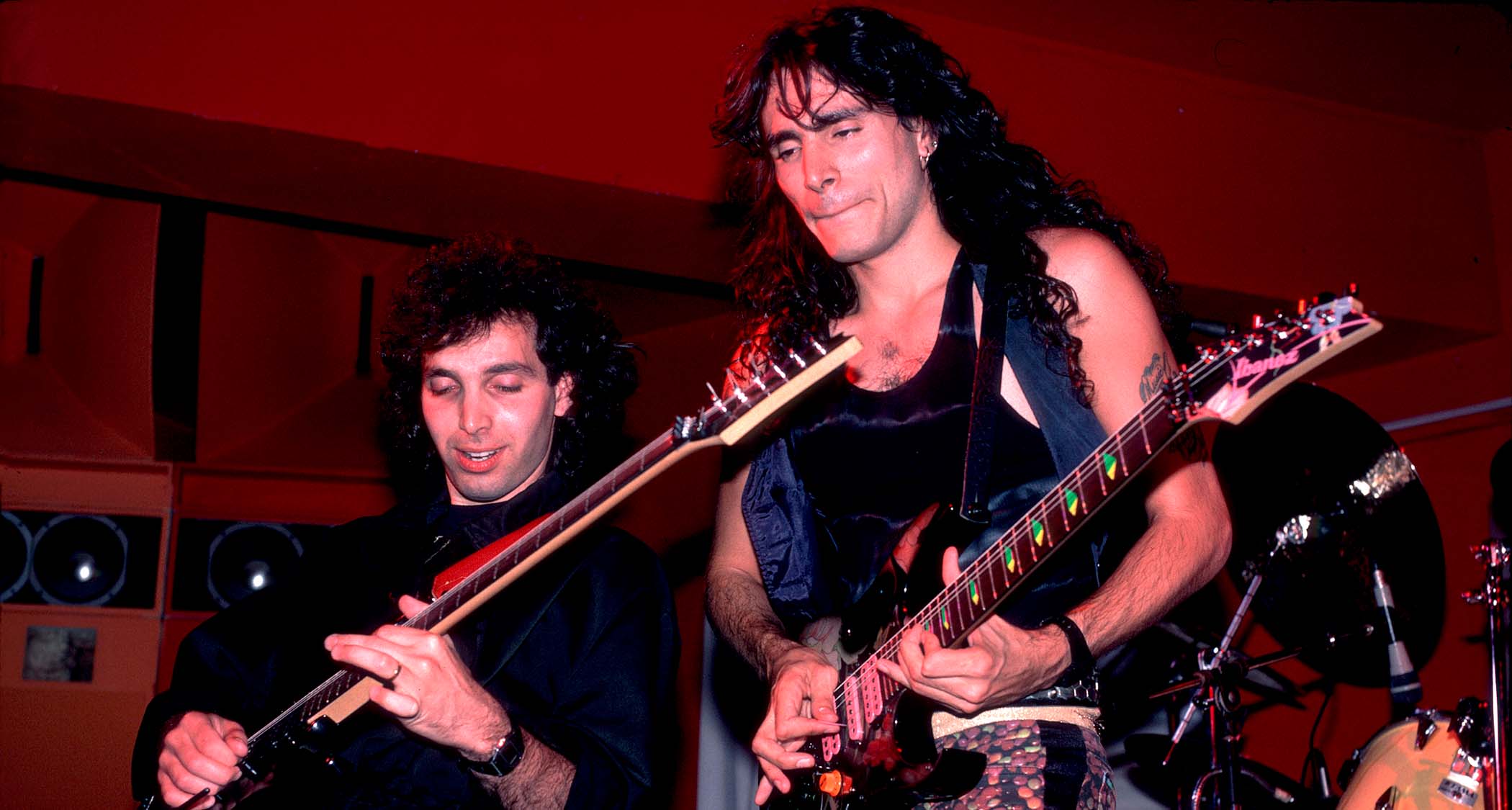
"It was Led Zeppelin, Queen, Black Sabbath, Deep Purple. It was just great," Vai says of the era that shaped them. "We didn’t have cell phones or internet or email, we just had our guitars and each other, and that was such a glorious time to be a teenager, and play the guitar, and have all that great inspirational music. There’s no emails in that song! That song is reminiscent of what it felt like when we were teenagers in the ’70s."
Implications and Industry Reception
The release of The Sea Of Emotion marks a significant milestone in contemporary instrumental rock. In an industry where legacy artists frequently rely on reissues or retrospective tours, Satriani and Vai have delivered a forward-looking composition that bridges a half-century of personal and professional history.
By successfully marrying analogue-era nostalgia with cutting-edge digital production workflows, the duo has demonstrated that decades-old creative partnerships can yield innovative results without succumbing to stagnation. As the pair takes the material to global audiences, The Sea Of Emotion stands not merely as a nostalgic victory lap, but as a dynamic testament to two of the electric guitar’s most influential architects continuing to challenge one another after fifty years of musical dialogue.