Panasonic LUMIX SHX1: the first compact cinema camera in LUMIX history by Jose Antunes – ProVideo Coalition

A Legacy of Evolution: The Road to the SHX1
The introduction of the SHX1 is the culmination of a deliberate, five-year strategic pivot that began in 2020. At that time, Panasonic recognized that the rapid shift toward live streaming, remote production, and hybrid content creation required more than just standard mirrorless cameras. The market demanded equipment that was smaller, easier to integrate into existing production rigs, and capable of sustained performance under taxing conditions.
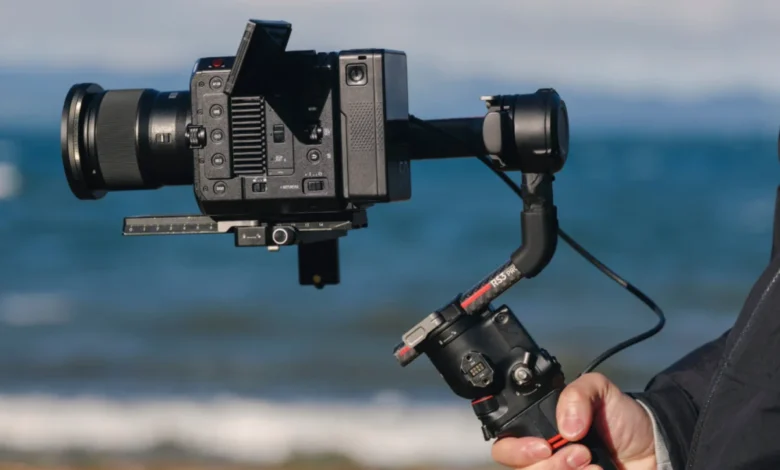
In 2020, Panasonic debuted the LUMIX BGH1, a Micro Four Thirds box-style camera that prioritized connectivity and modularity. This was followed in 2021 by the LUMIX BS1H, which successfully ported the acclaimed 6K full-frame performance of the S1H series into that same compact, cube-like body. These models established the "box-style" design language for the brand, emphasizing an open-architecture approach that allows users to build a camera rig—whether for a handheld documentary shoot or a complex multi-camera studio setup—around the specific needs of the scenario. The SHX1 is the logical successor to this lineage, incorporating five years of user feedback, technological refinement, and shifting industry standards.
Technical Specifications and Capabilities
At its core, the LUMIX SHX1 is engineered for versatility. It utilizes a full-frame sensor capable of 6K resolution at 24p and 5.9K at 30p, providing 10-bit unlimited video recording. This capacity ensures that the camera remains a viable primary production tool, even when compared against significantly larger and more expensive cinema rigs.
The inclusion of internal ProRes RAW and Blackmagic RAW support marks a significant upgrade, offering professional colorists and editors the latitude they require for high-end post-production workflows. Furthermore, the device is the first in the LUMIX range to support internal 32-bit float audio recording via a 3.5mm microphone input. This advancement eliminates the need for complex gain staging in the field, as 32-bit float provides a vastly wider dynamic range, effectively preventing clipping even in unpredictable, high-decibel recording environments.
Physically, the unit weighs approximately 984 grams, making it highly suitable for gimbal-mounted operations or drone-based cinematography. Its modularity is reinforced by the presence of 12G-SDI ports, timecode input/output, and dedicated slots for both CFexpress Type B and SDXC media.
Expanding the Ecosystem: The Professional Accessory Suite
Panasonic has opted for a tiered launch strategy, with a core body available for $4,699.99 and a comprehensive kit priced at $5,499.99. However, the true strength of the SHX1 lies in its upcoming accessory ecosystem, slated for release in the first half of 2027.
The development of the AU-XHU1 XLR Handle Unit is particularly notable for professional production teams. This unit facilitates four-channel 32-bit float audio recording at 96 kHz/24-bit resolution, bridging the gap between cinema-grade video and broadcast-standard audio. Complementing this is the AU-GRP1 Control Grip, which provides ergonomic tactile control over camera settings and zoom, essential for operators who require precise adjustments on the fly.
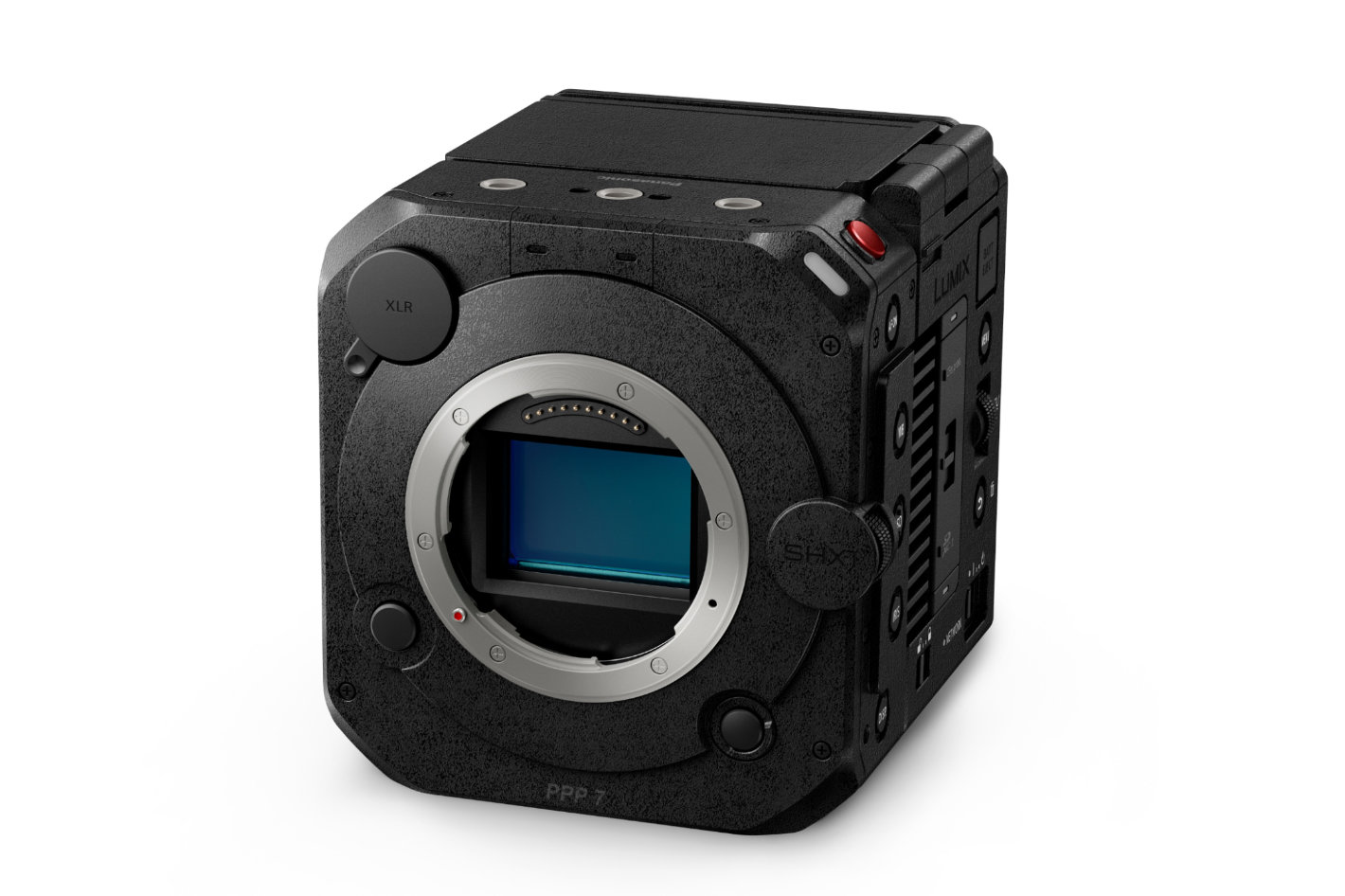
Perhaps most significant for the broadcast and live-event sector is the AU-LPU1 Live Production Unit. This accessory addresses the "remote" aspect of the camera’s potential, providing Genlock synchronization and LAN connectivity with PoE++ support. By integrating with established IP protocols, the SHX1 is no longer just a standalone cinema camera; it becomes a node in a professional broadcast network, capable of being controlled remotely alongside other PTZ (pan-tilt-zoom) cameras.
Industry Implications and Market Analysis
The launch of the SHX1 arrives at a critical juncture for the industry. As the line between "cinema" and "broadcast" continues to blur, production teams are increasingly seeking equipment that can serve multiple roles. A camera that functions as an A-camera for a commercial shoot on Monday can, with the right accessories, serve as a robotic, remotely-controlled camera for a live event on Tuesday.
This modularity offers a distinct economic advantage to production companies. By investing in a single, high-quality sensor and image processing engine, firms can reduce their equipment footprint while maintaining color consistency across multiple cameras. Because the SHX1 shares image-processing DNA with the S1H and the BGH1, post-production teams can expect a streamlined workflow when mixing and matching these units on the same production.
Furthermore, the shift toward 32-bit float audio and RAW recording formats indicates that Panasonic is targeting a demographic that values future-proofing. As streaming platforms increase their technical requirements for delivery, the ability to record high-fidelity raw data and uncompressed, clip-proof audio provides a competitive edge for independent creators and documentary filmmakers alike.
Strategic Positioning
Panasonic’s decision to position the SHX1 as both a cinema tool and a live-production device is a calculated move to capture market share from competitors who maintain strict divisions between their cinema and broadcast product lines. By positioning the SHX1 as a "Swiss Army knife" for visual professionals, Panasonic is betting on the trend of the "solo-operator" who demands the same level of control as a multi-person crew.
The professional feedback from early testers, such as those featured in the "The Rescue" and "Drinking Game" production showcases, suggests that the camera’s form factor does not compromise its performance. The consistent praise regarding its low-light capabilities, dynamic range (14+ stops), and the reliability of its Dual Native ISO technology reinforces its status as a professional-grade instrument.
Timeline and Availability
The product is scheduled for a phased rollout. While the body-only and initial kits are slated for release starting in December 2026, the full potential of the system—specifically the specialized live production accessories—will come to fruition in the first half of 2027. This timeline suggests that Panasonic intends to build momentum, first establishing the camera among early adopters and cinema specialists, and subsequently rolling out the infrastructure required for the broadcast and live-event markets.
Conclusion
The Panasonic LUMIX SHX1 represents a significant milestone in the evolution of digital cinematography. By successfully distilling the high-performance imaging capabilities of the S-series into a compact, highly expandable box-style body, Panasonic has provided a platform that addresses the complex requirements of modern production. Whether through its support for high-end recording formats, its focus on professional audio workflows, or its adaptability for remote operations, the SHX1 is designed to be as flexible as the creators who use it. As the industry continues to gravitate toward more integrated, high-efficiency production models, the SHX1 is well-positioned to become a cornerstone of professional camera systems worldwide.