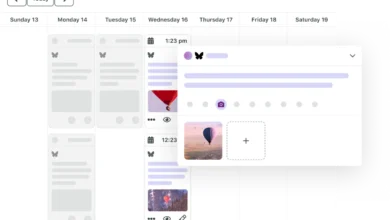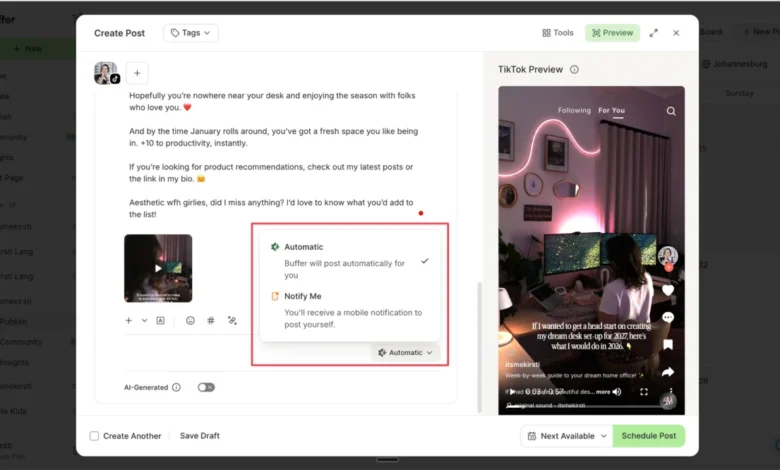
Maintaining a consistent content calendar on TikTok is a significant challenge for creators and businesses alike. The platform’s demanding production cycle—requiring high-quality filming, nuanced editing, and engaging captions—often leaves the actual act of publishing as an afterthought. For many, the "post now" approach is inconsistent, potentially damaging reach by failing to align with audience activity patterns. Recognizing this, TikTok has integrated native scheduling tools into its ecosystem, while third-party platforms like Buffer have emerged to offer more robust management features.
The introduction of native scheduling has fundamentally altered how creators approach their social media strategy. Historically, TikTok required manual uploads, forcing creators to be tethered to their devices at specific times. This friction often led to missed opportunities during peak engagement windows. As of November 2026, TikTok has fully normalized native scheduling, removing the barriers that once limited this feature to specific account types or high-follower thresholds.
The Evolution of TikTok Scheduling: A Brief Chronology
In the platform’s early years, the algorithm prioritized spontaneity. There were no native tools for batch-processing content. Creators relied on third-party workarounds, often involving manual reminders or external storage solutions. The shift began in earnest around 2022 and 2023, as TikTok sought to professionalize its creator economy. By late 2024, the rollout of TikTok Studio signaled the company’s intent to provide a comprehensive desktop workspace, mirroring the professional tools found on platforms like YouTube or LinkedIn.
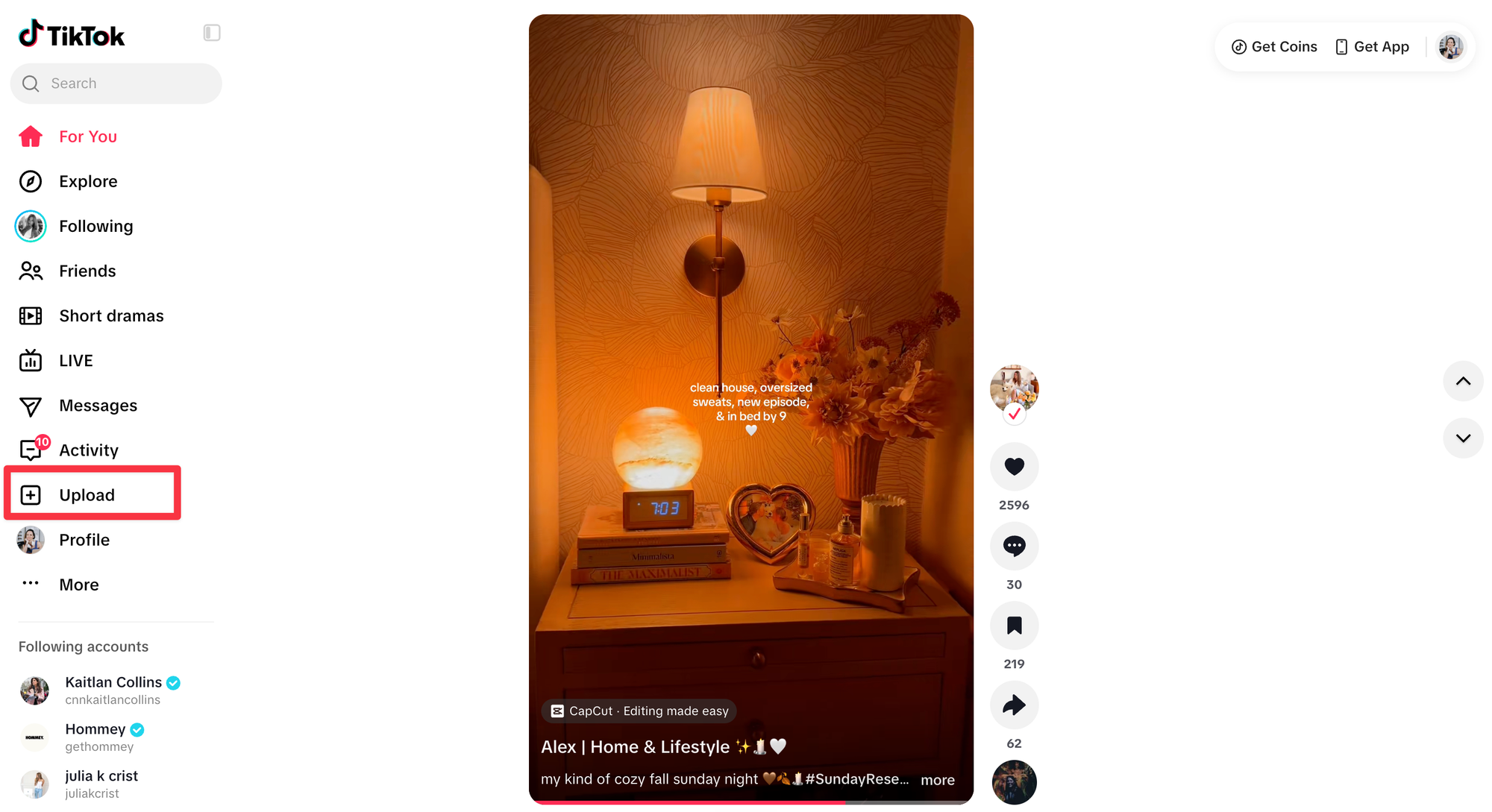
Today, the capability is ubiquitous. Whether using the web-based TikTok Studio or the dedicated mobile application, users can schedule videos and photo carousels anywhere from 15 minutes to 30 days in advance. This advancement has effectively democratized social media management, allowing smaller creators to compete with established brands by maintaining a steady output without the need for round-the-clock manual oversight.
Technical Parameters and Operational Rules
Understanding the technical constraints of TikTok’s native scheduler is essential for professional content deployment. The rules are standardized for all accounts, regardless of follower count:
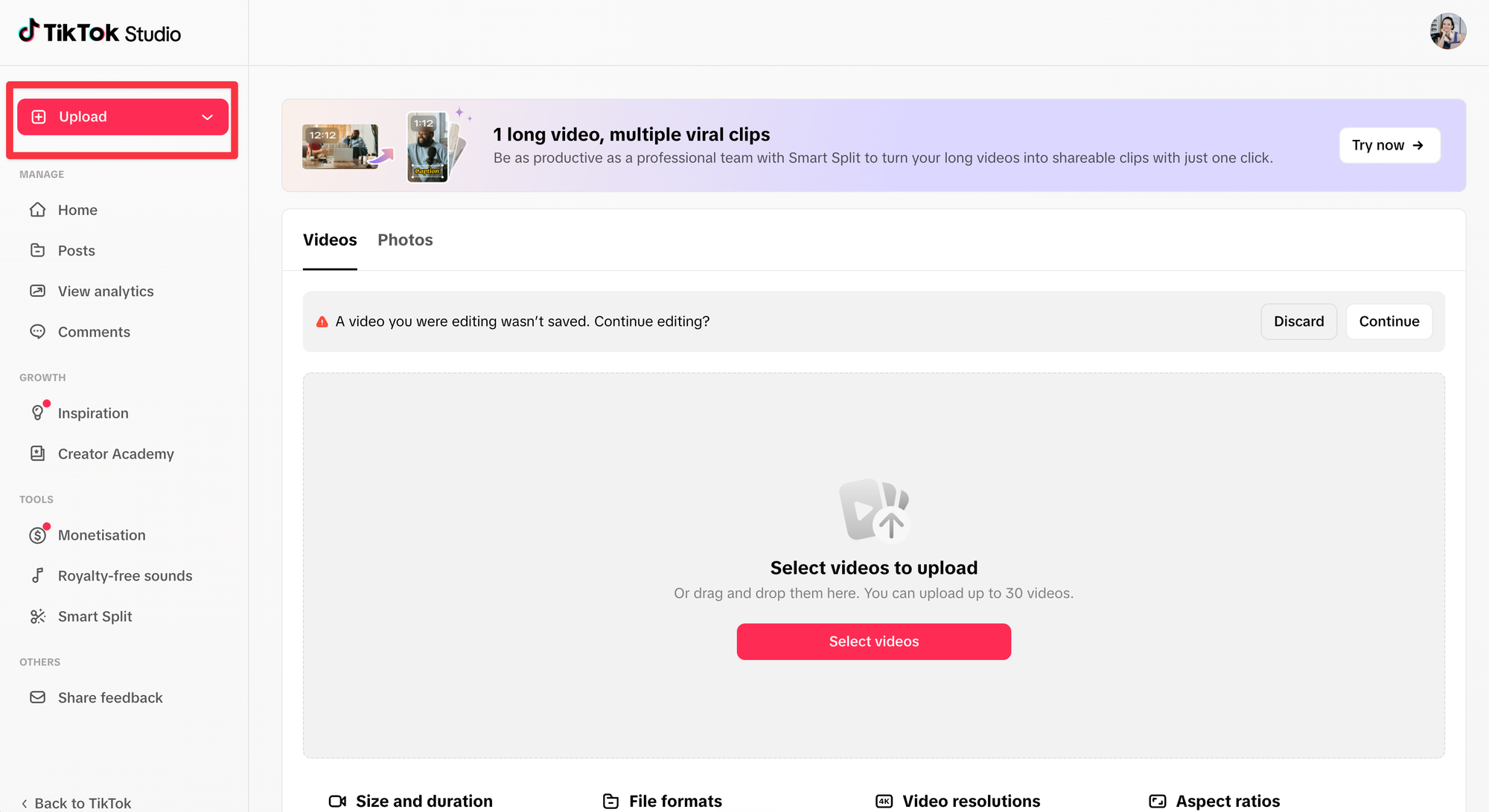
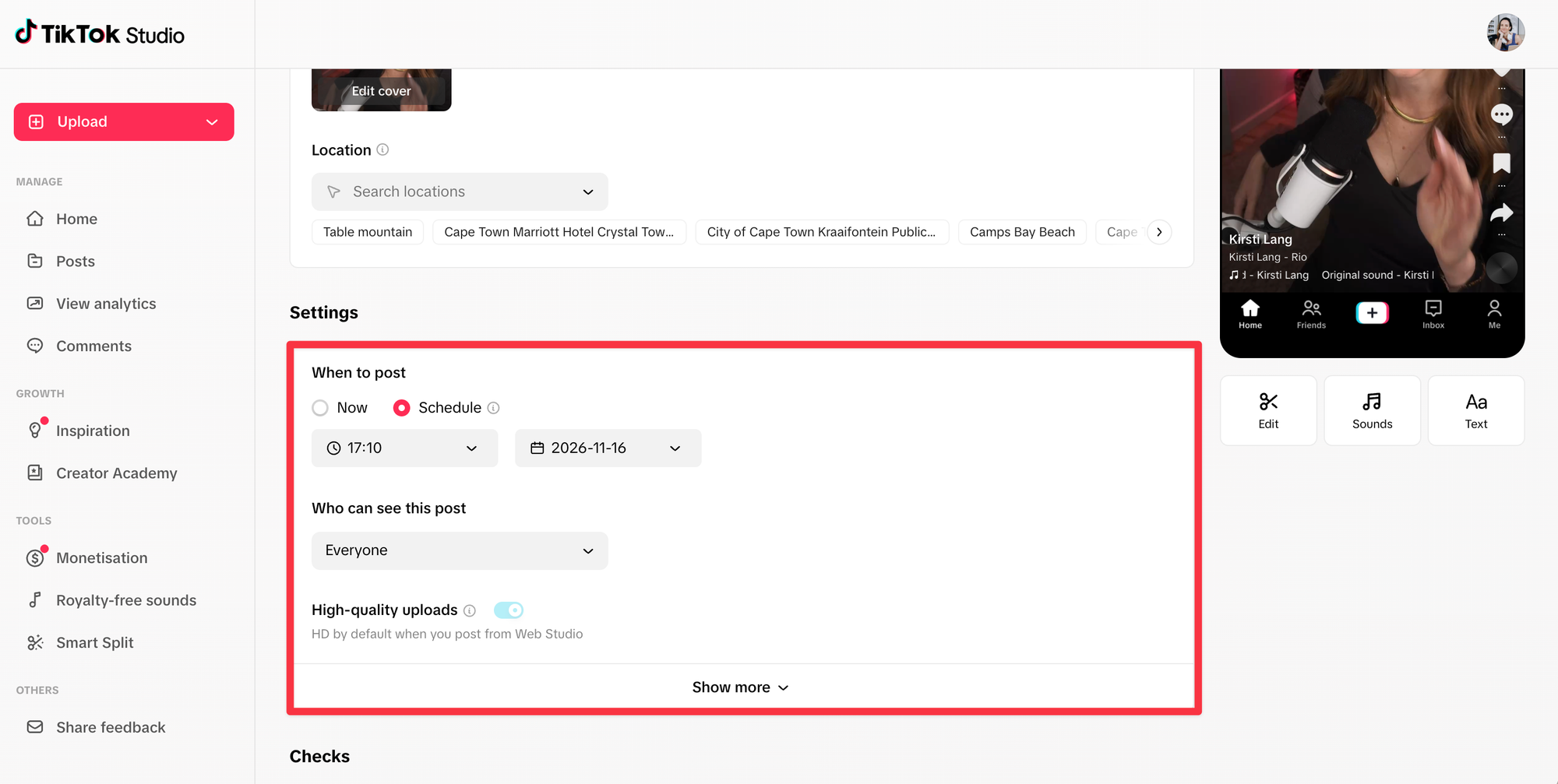
- Temporal Limits: Users may schedule content between 15 minutes and 30 days from the current time.
- Platform Availability: Scheduling is accessible via TikTok Studio on desktop browsers and the dedicated mobile application. It is not currently a native feature of the primary TikTok consumer app.
- Immutable Posts: A critical limitation of the native tool is the inability to edit a post once it is scheduled. Should an error occur in the video file or the caption, the user must delete the scheduled entry entirely and re-upload the content.
- Time Zone Synchronization: The platform automatically aligns with the user’s local computer time zone, preventing the need for complex conversions.
Comparative Analysis: Native Tools vs. Third-Party Solutions
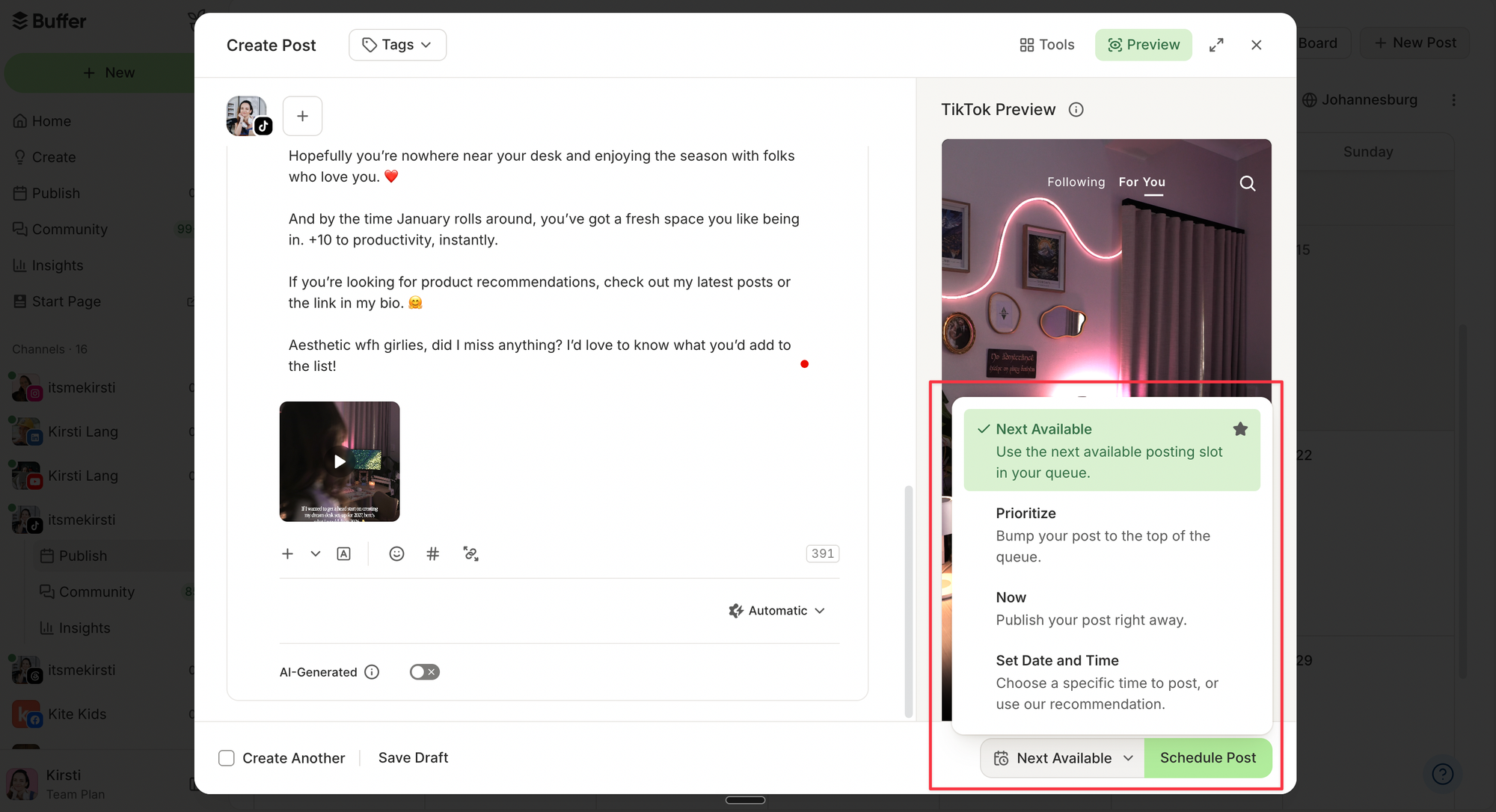
While TikTok’s native scheduler is a powerful, free resource, it lacks the depth required by larger agencies or high-volume creators. Third-party management tools, such as Buffer, offer a more sophisticated suite of features that address the limitations of the native system.
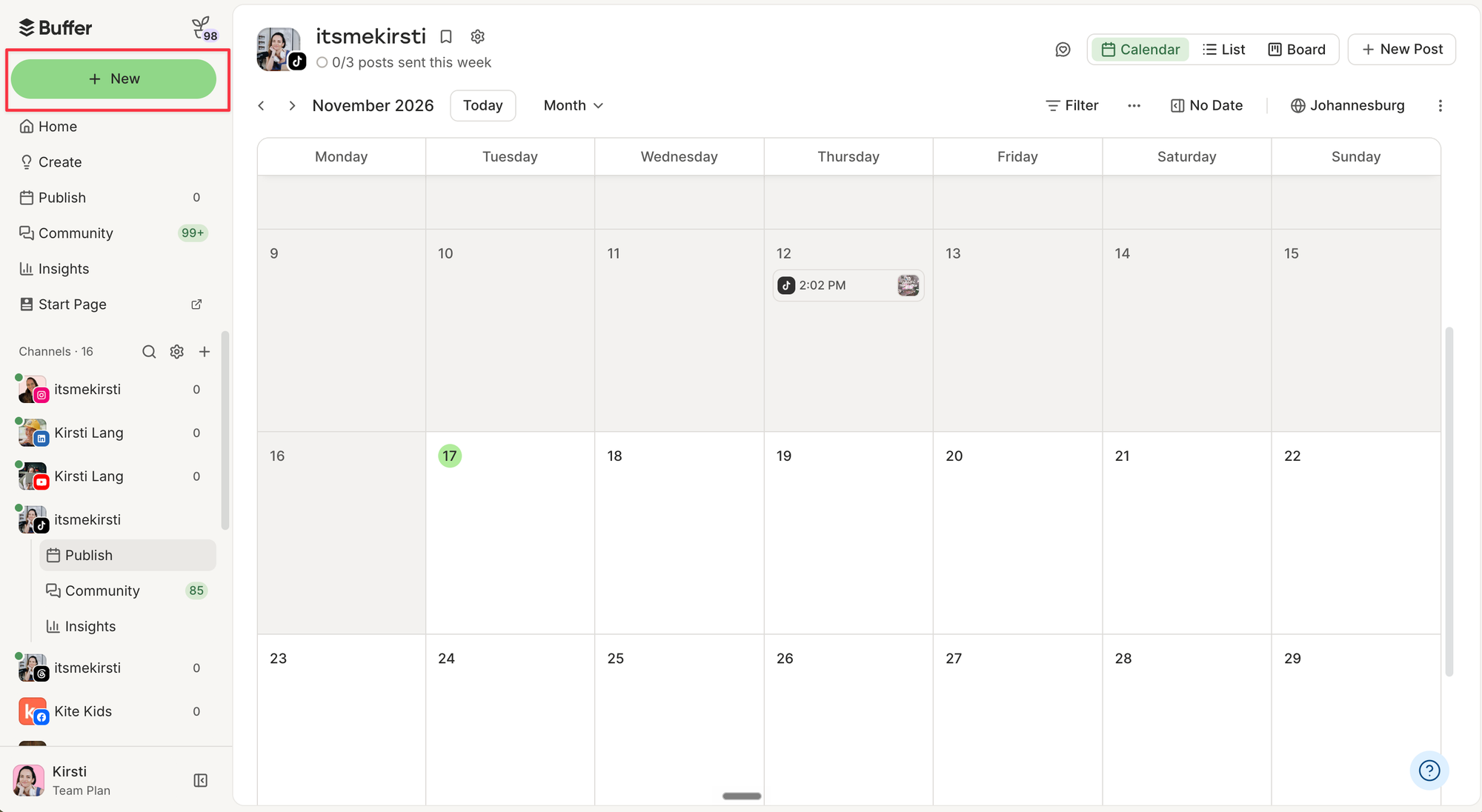
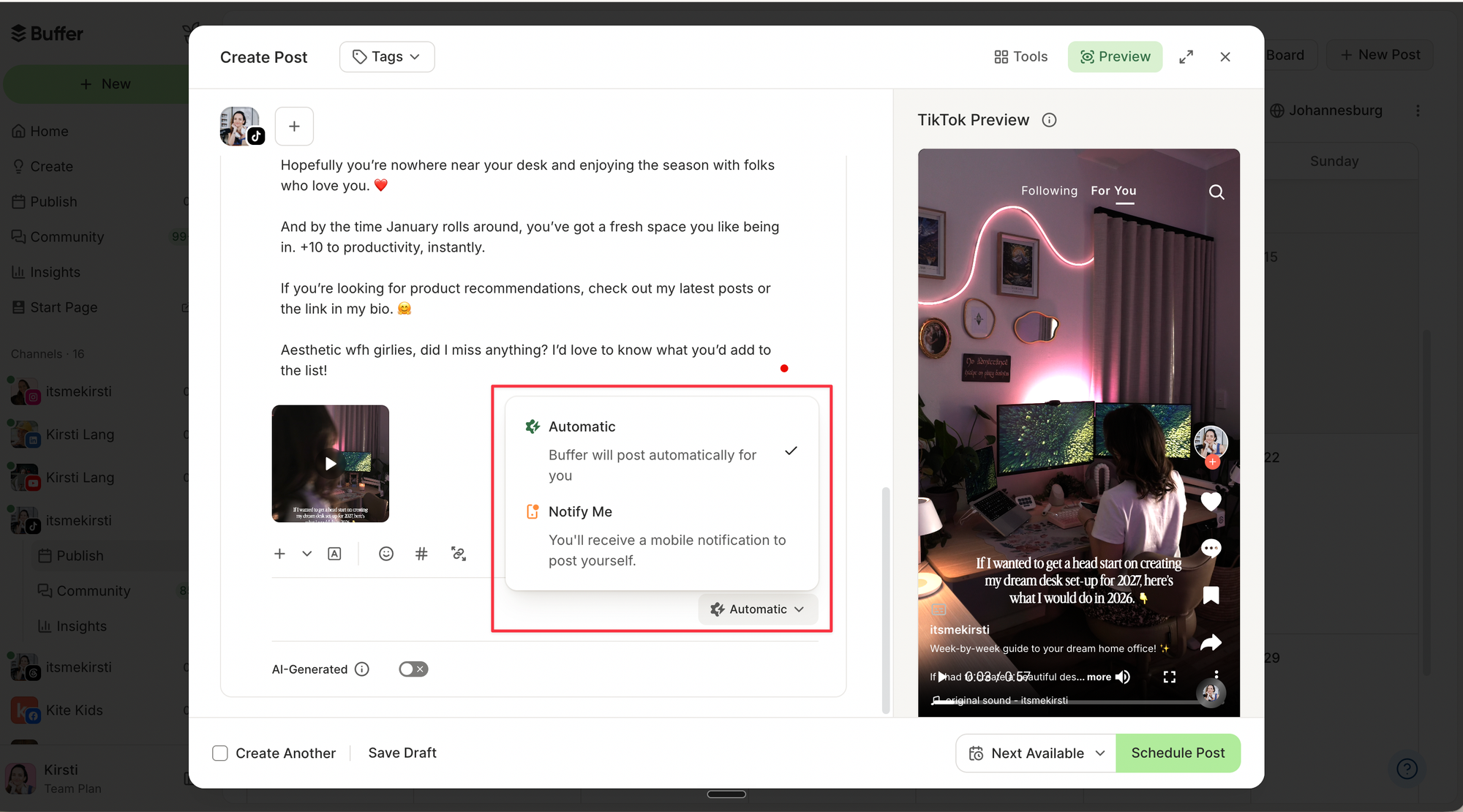
A primary differentiator is the "editing window." Native tools require a delete-and-re-upload cycle for any modifications, whereas professional scheduling platforms allow users to adjust captions, tags, and scheduling times until the moment of publication. Furthermore, third-party platforms facilitate cross-platform synchronization. An agency managing a campaign across Instagram, YouTube, and TikTok can use a single dashboard to deploy content simultaneously, ensuring brand consistency and saving significant labor hours.
Data from industry benchmarks suggest that for businesses managing ten or more posts per week, the time saved through centralized scheduling tools offsets the cost of a paid subscription within the first month of operation.
Data-Driven Scheduling: Optimizing for the Algorithm
The efficacy of a scheduled post is inextricably linked to timing. TikTok’s internal analytics provided within the TikTok Studio dashboard offer granular insights into when a specific creator’s followers are most active. Relying on "best time to post" industry reports—which analyze millions of global posts—is useful for new accounts lacking historical data, but individualized analytics should be the primary metric for growth.
Recent studies of over 7.1 million posts indicate that high-engagement windows are often concentrated on weekends. Specifically, Sunday morning at 9:00 a.m. and Sunday afternoon at 1:00 p.m. have shown consistent spikes in visibility. However, the most critical element of the algorithm is not just the time of upload, but the velocity of engagement immediately following publication.
Because scheduling creates a scenario where the creator may not be present when the post goes live, it is vital to integrate engagement management. Using a centralized inbox that aggregates comments from all social channels allows for rapid responses. Algorithms favor content that generates immediate, meaningful interaction; thus, the ability to reply to comments within the first 60 minutes of posting is often more influential than the specific minute of publication.
Strategic Implications for Content Creators
The shift toward a "scheduled-first" model has broader implications for the creator economy. First, it enables "batching," a productivity technique where creators film and edit multiple videos in a single sitting. This mitigates the risk of creator burnout and ensures a consistent flow of content, even during periods of low creative output or travel.
Second, it allows for better long-term campaign planning. For brands launching a product or a seasonal promotion, scheduling ensures that content is released in a deliberate, logical sequence. This level of orchestration was nearly impossible during the platform’s early days.
However, creators must be wary of "automated fatigue." While scheduling provides consistency, it can lead to content that feels disconnected from current trends. To maintain authenticity, successful creators often blend scheduled evergreen content—such as tutorials or educational series—with spontaneous, trend-driven uploads that react to real-time cultural moments.
Troubleshooting and Best Practices
If a creator finds that the "Schedule" option is missing, it is typically due to one of two factors: using the outdated consumer app rather than the TikTok Studio interface, or attempting to schedule a post too close to the current time (less than 15 minutes away). Ensuring that both the device’s software and the TikTok Studio application are updated to the latest version is the most common solution.
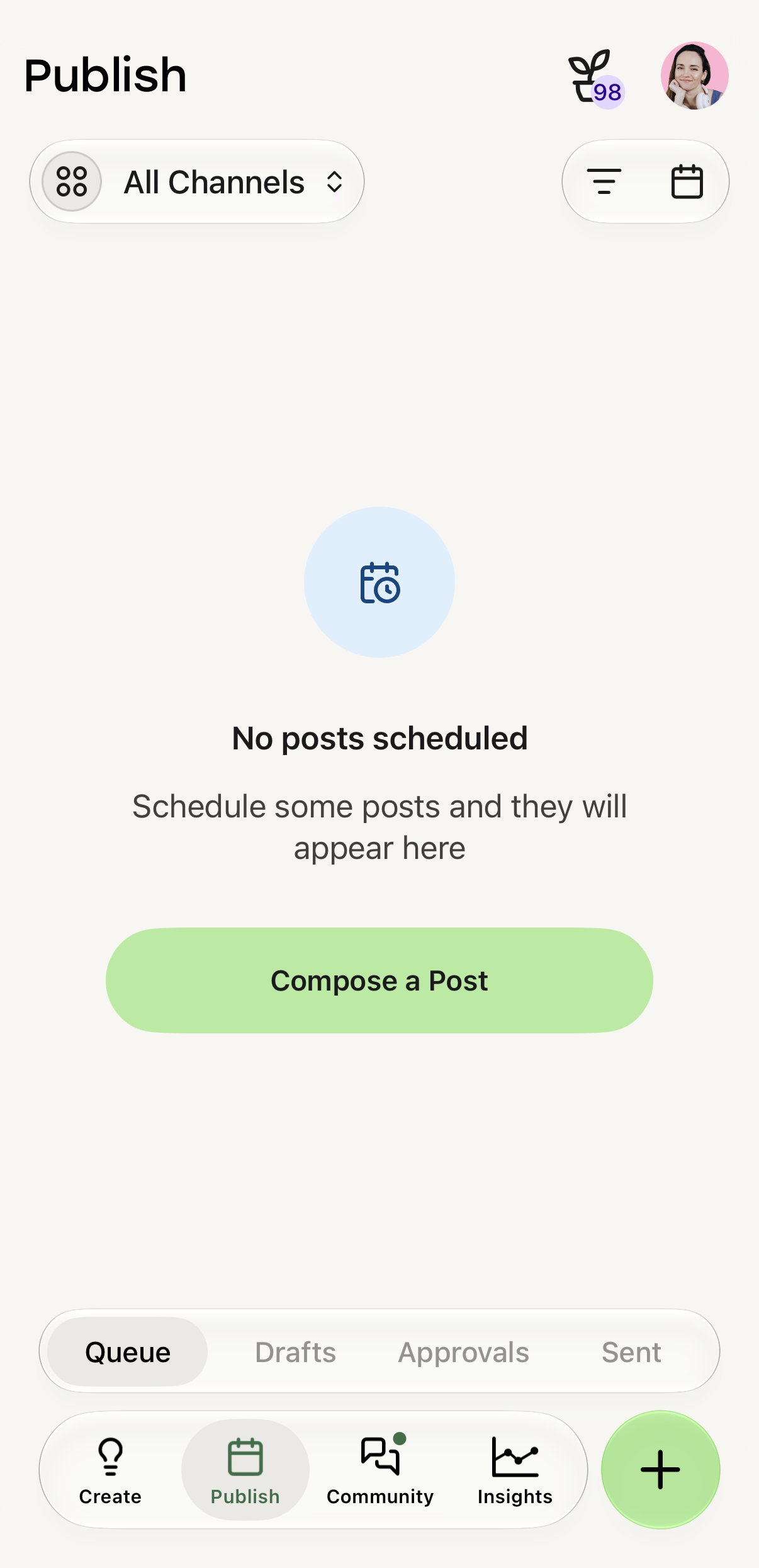
To maximize the success of a scheduled post, consider the following workflow:
- Centralize Assets: Maintain a dedicated cloud-based folder for all final video exports and their corresponding captions. This prevents the need to scramble if a post needs to be deleted and re-uploaded.
- Monitor Analytics: Review the "Follower Activity" tab in the TikTok Studio dashboard at least once a month to adjust the posting schedule as the audience grows or shifts.
- Cross-Platform Parity: If using a third-party tool, ensure that video specs meet the requirements for all intended platforms. While TikTok allows up to 35 photos for a carousel, other platforms may have different limits, necessitating individual adjustments before scheduling.
Conclusion
The ability to schedule content on TikTok has transitioned from a professional luxury to a fundamental necessity. Whether utilizing the free, built-in tools provided by TikTok Studio or opting for the advanced, cross-platform capabilities of third-party schedulers, the objective remains the same: to remove the friction of manual posting and allow creators to focus on high-quality content production. By aligning scheduled posts with data-backed audience insights and maintaining an active engagement strategy, creators can effectively navigate the complexities of the TikTok algorithm and secure a sustainable, long-term presence on the platform.
Related posts: