Generation Z In The Visual Effects Industry Navigating Tradition Innovation And The Evolving Workforce

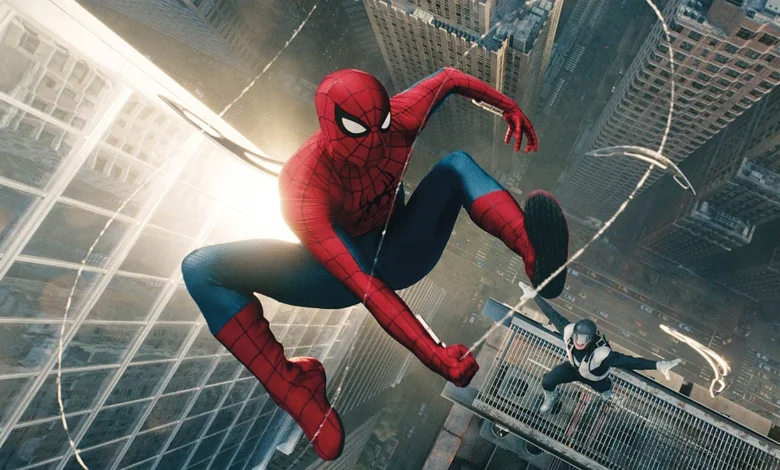
The visual effects (VFX) industry, a cornerstone of modern blockbuster filmmaking, is undergoing a quiet yet profound demographic transition. As veterans of the digital arts era approach retirement or transition into executive oversight, a new generation of artists is stepping into studio pipelines. Born between 1997 and 2012, Generation Z is making its presence felt across major facilities such as Industrial Light & Magic (ILM), DNEG, Digital Domain, Framestore, and Wētā FX. Often generalized in popular culture as demanding rigid work-life boundaries and wholesale systemic disruption, these young professionals present a more nuanced reality. Entering the workforce during a period marked by global pandemics, localized economic contractions, historical labor strikes, and the rapid rise of artificial intelligence, Gen Z VFX artists are not dismantling the industry; rather, they are adapting to its demands while reshaping its operational culture.
Background Context And The Pathway To The Industry
Choosing a career in visual effects rarely happens by chance; it is typically cultivated over years of exposure to cinema, animation, and digital media. Unlike previous generations who may have entered computer graphics from traditional fine art or pure software engineering backgrounds, Gen Z artists often grew up immersed in the digital age. They spent their formative years dissecting behind-the-scenes featurettes, analyzing digital compositing breakdowns, and consuming online tutorials via YouTube and Discord communities.
For Jiwon Chun, a texture artist at ILM, early childhood fascination with science fiction and fantasy motion pictures planted the seed for a professional trajectory. Similarly, Balthazar Bourguignon, an FX artist at DNEG, traces his career inspiration back to viewing digital epics at a young age, recognizing that cinematic imagery possesses the power to evoke deep emotional resonance.
The pathways, however, are diverse. Francesca Armstrong, a Lighting Technical Director at Wētā FX, approached the industry through computer science. Her academic background in coding demonstrated that technical problem-solving and creative arts do not have to exist in mutually exclusive spheres. Meanwhile, Max Popovych, a compositor at Digital Domain, benefited from familial exposure, working alongside a parent already established in the sector. This early familiarity allowed these individuals to build foundational software skills—often utilizing accessible tools like Adobe Substance Painter and open-source learning resources—long before stepping onto a studio floor.
Chronology And Entry Hurdles: The Post-Pandemic Labor Landscape
The transition from academia to the professional sphere was exceptionally challenging for the youngest segment of the workforce. Graduates entering the market between 2020 and 2023 faced a convergence of unprecedented global obstacles. The COVID-19 pandemic disrupted traditional studio operations and educational pipelines, while geopolitical shifts, such as Brexit in the United Kingdom, altered visa regulations for international talent.
Camille Garlaschi, a previs artist at Framestore, experienced these hurdles firsthand. Graduating into a recovering job market as a French citizen aiming to work in London, Garlaschi encountered strict immigration policies and a scarcity of junior-level openings. Compounding these entry barriers were the historic 2023 Writers Guild of America (WGA) and SAG-AFTRA strikes, which brought Hollywood feature film and television production to a near-standstill. These labor stoppages triggered widespread contractions across the VFX pipeline, resulting in layoffs and heightened instability for artists on temporary work visas.
Despite these systemic shocks, studios gradually resumed operations, bringing a renewed focus on workforce stability. Young artists quickly learned that the modern VFX sector operates on dynamic, short-term project cycles. Léa Desrozier, an environment generalist at DNEG, notes that the inherent unpredictability of production schedules requires a high degree of professional flexibility—a reality rarely emphasized in traditional academic settings.
Balancing Work-Life Dynamics In A Remote And Hybrid Era
Work-life balance remains a central tenet of Generation Z’s occupational expectations. Historically, the VFX industry has been plagued by grueling crunch periods, uncompensated overtime, and systemic burnout. While older generations often accepted these conditions as standard industry dues, younger artists are more proactive in establishing personal boundaries.
Yet, this emphasis on balance is complicated by the rise of hybrid and remote work models. While remote environments offer flexibility during health issues or heavy workloads, many junior artists express concern over missed opportunities for professional osmosis. Balthazar Bourguignon emphasizes that physical proximity to senior colleagues fosters spontaneous knowledge transfer, social cohesion, and mentorship that digital communication tools struggle to replicate.
Tivoli Mu, an environment artist at Digital Domain, points out that in-person collaboration provides critical face time for receiving rapid feedback and observing veteran problem-solving methodologies. Furthermore, young professionals demonstrate a strong sense of empathy toward colleagues balancing domestic responsibilities and childcare, reinforcing the idea that flexibility must accommodate diverse life stages. For Gen Z, work-life balance is not merely about logging off at a fixed hour, but about maintaining physical and mental health while remaining fully committed to creative excellence.
Man Versus Machine: The Industry Stance On Artificial Intelligence
Perhaps no topic generates more intense debate within the entertainment industry than the integration of artificial intelligence. Following widespread industry pushback from writers, actors, and directors regarding generative AI, visual effects artists face similar questions surrounding job security and the preservation of human artistry.
Among young VFX professionals, a clear distinction is drawn between traditional automated tools and generative AI. Max Popovych views AI as an evolutionary workflow accelerator, particularly useful during early-stage look development and iteration, while maintaining that foundational skills—such as spatial awareness, lighting comprehension, and detail integration—will always dictate final quality.
Conversely, some artists maintain reservations regarding the ethical and creative implications of generative models. Francesca Armstrong expresses moral apprehension over prompt-generated content potentially diluting the human emotional core of cinema. However, at major facilities like ILM, machine learning tools have been utilized for years to automate repetitive technical tasks, exemplified by technologies like StageCraft virtual production suites. Artists such as Jiwon Chun and Tivoli Mu view these advancements pragmatically, arguing that automation handles tedious computational burdens, thereby challenging artists to elevate their conceptual and creative contributions.

Broader Industry Implications And Future Outlook
The entry of Generation Z into the visual effects workforce signals an evolution rather than a rupture in studio culture. Armed with digital fluency, self-taught resourcefulness, and a commitment to professional growth, these artists are successfully integrating into major pipelines contributing to high-profile franchises, including upcoming installments in the Marvel Cinematic Universe and major cinematic adaptations.
As studios navigate fluctuating production demands, globalized labor markets, and technological disruptions, the perspective of this new generation highlights the enduring resilience of the visual effects sector. By combining technical adaptability with a renewed focus on sustainable career paths, young artists are proving that the future of cinema relies just as much on human ingenuity as it does on digital innovation.