Moonfish and the New Frontier of Micro-Budget Independent Animation at the 2026 Venice Film Festival

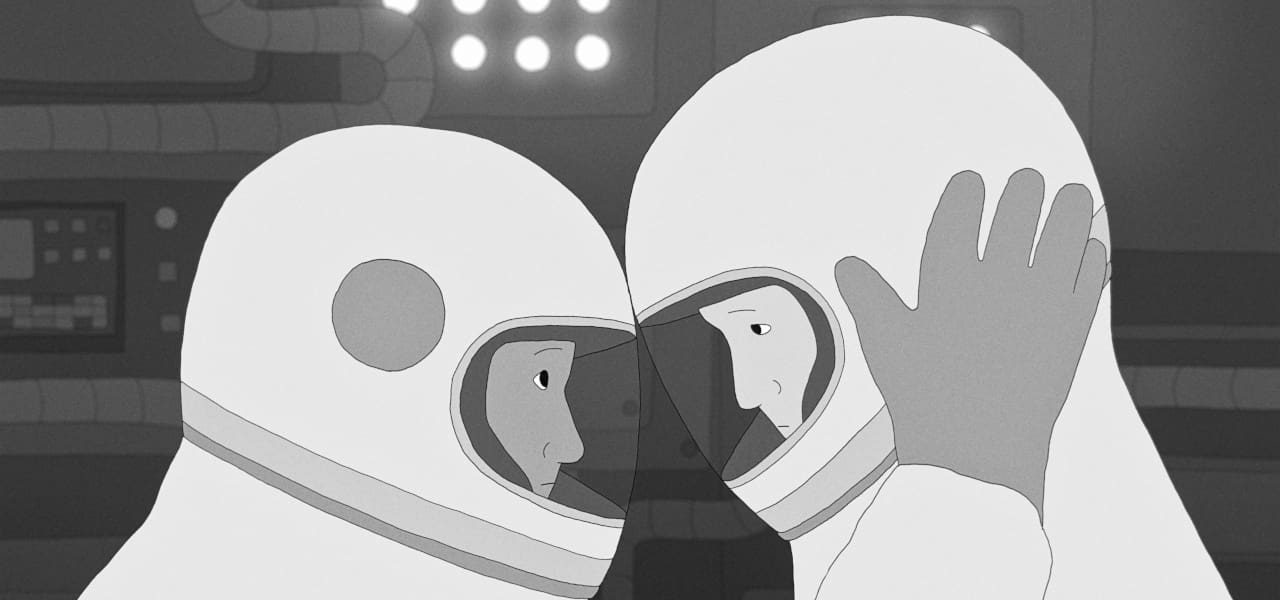
The 2026 Venice Film Festival served as the global stage for the debut of Moonfish, an 89-minute science fiction drama that stands as a case study in the efficacy of extreme creative constraints. Directed by Brooklyn-based animator and filmmaker Daniel Zvereff, the film explores the intersection of human grief and corporate exploitation within the cold, silent vacuum of deep space. Following the narrative arc of Cassius, an asteroid miner struggling to meet an oppressive production quota while grappling with the blurred lines between reality and isolation, the film has emerged as a critical point of interest in the current landscape of independent animation.
The project represents a shift in how independent creators approach the medium. By adopting a "zero-dollar" philosophy during the initial scripting phase, Zvereff sought to bypass the traditional, often prohibitive, financial barriers that keep many animated features from reaching production. The success of the film, supported by the Biennale College Cinema initiative, highlights a burgeoning appetite for mature, contemplative animation that diverges from the high-budget, four-quadrant models typically favored by major studios.
The Genesis of a Micro-Budget Production
The development of Moonfish was not merely a creative endeavor but a logistical one. Zvereff, whose previous short films include the SXSW-selected Life Is a Particle, Time Is a Wave (2022) and the Sundance-screened Drago (2024), entered the feature film space with a clear-eyed assessment of the animation industry. Historically, animation has been treated as a niche genre, often segregated from the broader independent film ecosystem. For a first-time feature director, securing traditional financing—agents, managers, and corporate backing—often resembles an impossible "chicken-or-egg" paradox where the project requires funding to prove its viability, but funding is withheld due to a lack of existing material.
Zvereff’s solution was to design a script that was entirely self-contained. By creating a narrative centered on a single character, limited locations, and a 4:3 aspect ratio, he ensured that every scene was technically executable by a minimal team. This disciplined approach was not just a stylistic choice but a survival mechanism. Even after producers Rebecca Wyzan, James Belfer, and Mireia Vilanova of Present Company, Cartuna, and Lucky Accident Productions joined the project, the underlying principle of austerity remained the engine of the production.
Chronology of Production and Technical Execution
The production timeline was aggressively compressed, requiring a high level of efficiency. With the assistance of the Biennale College Cinema grant, the team operated on a strict nine-month schedule. To meet the necessary output of ten minutes of finished animation per month, Zvereff devised a specialized pipeline that maximized the specific strengths of his small crew.
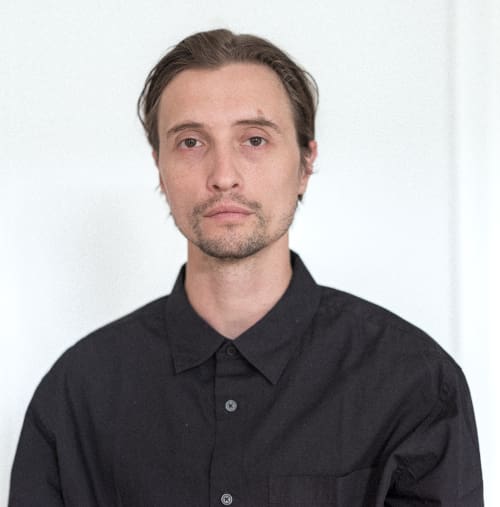
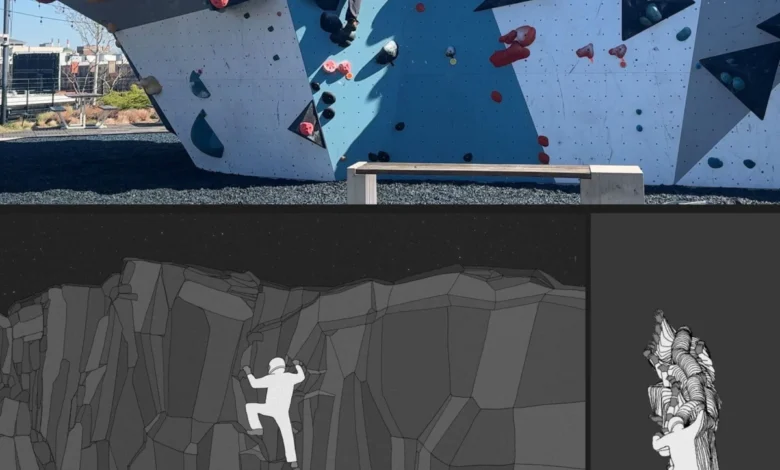
For the first two months, the team consisted of Zvereff and animator Devin Grover. Grover, noted for his character performance work, focused on dialogue and movement, while Zvereff handled the technical requirements of the environment, including background layout and cel movement. By the third month, animator Hoss Wheeler joined the fold. Wheeler’s expertise in cel effects—specifically hand-drawn smoke and fire—allowed the team to elevate the visual complexity of the sci-fi elements without requiring a larger staff.
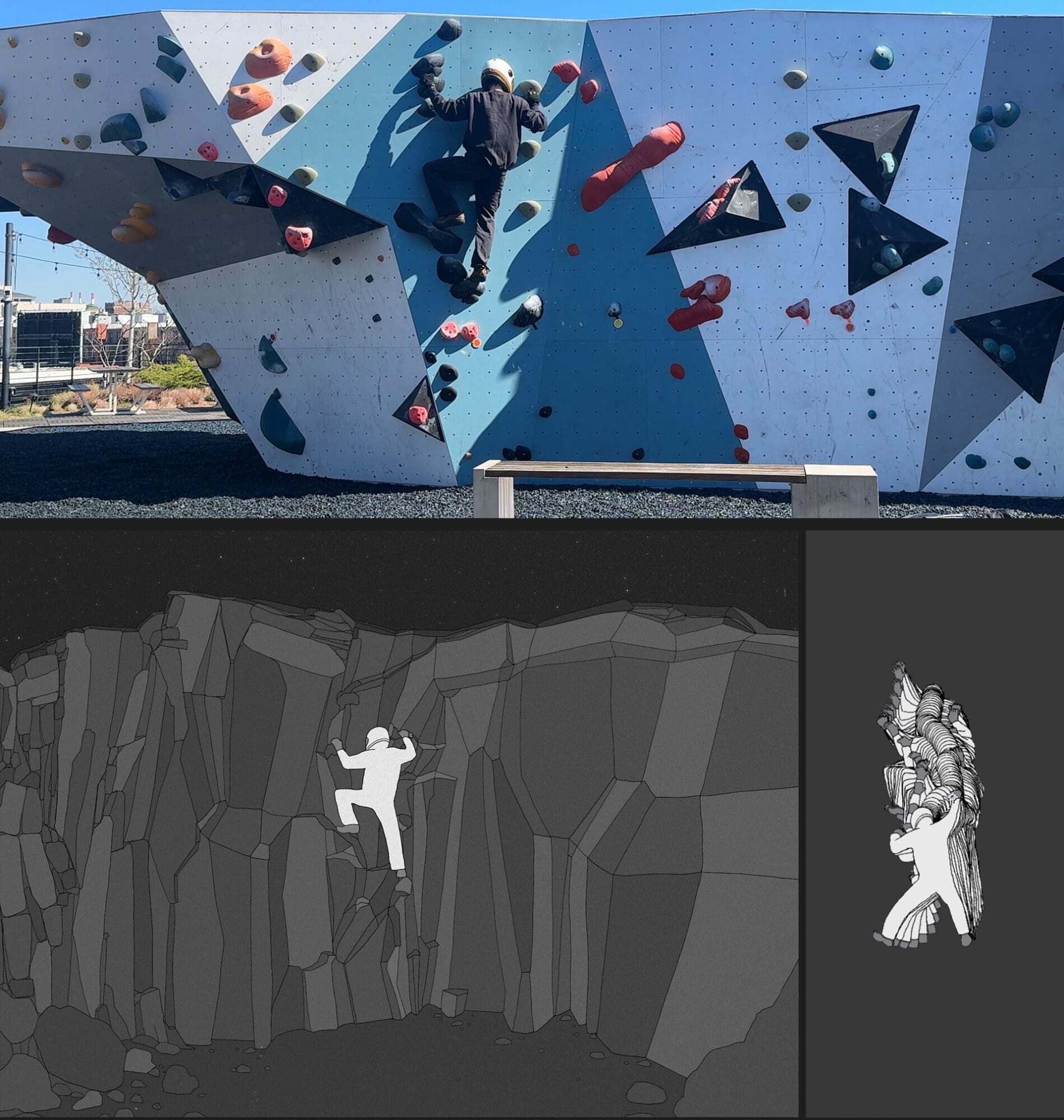
The daily workflow was characterized by a repetitive, high-stakes rhythm. Zvereff utilized video references of himself performing the scenes to guide the animators, ensuring that the emotional resonance was maintained even within the minimalist, locked-camera compositions. This process was intentionally designed to minimize the need for post-production changes, as the budgetary limitations rendered major revisions to the picture or sound design essentially impossible.
The Role of Vocal Performance and Minimalist Aesthetics
A significant departure for Zvereff’s work is the inclusion of dialogue. Featuring the voices of Morgan Spector as the protagonist Cassius and Lucy Liu as Vesper/Fish, the film relies on vocal performance to carry the psychological weight of the narrative. In a medium often characterized by hyper-kinetic, broad physical movements, Moonfish opts for stillness.
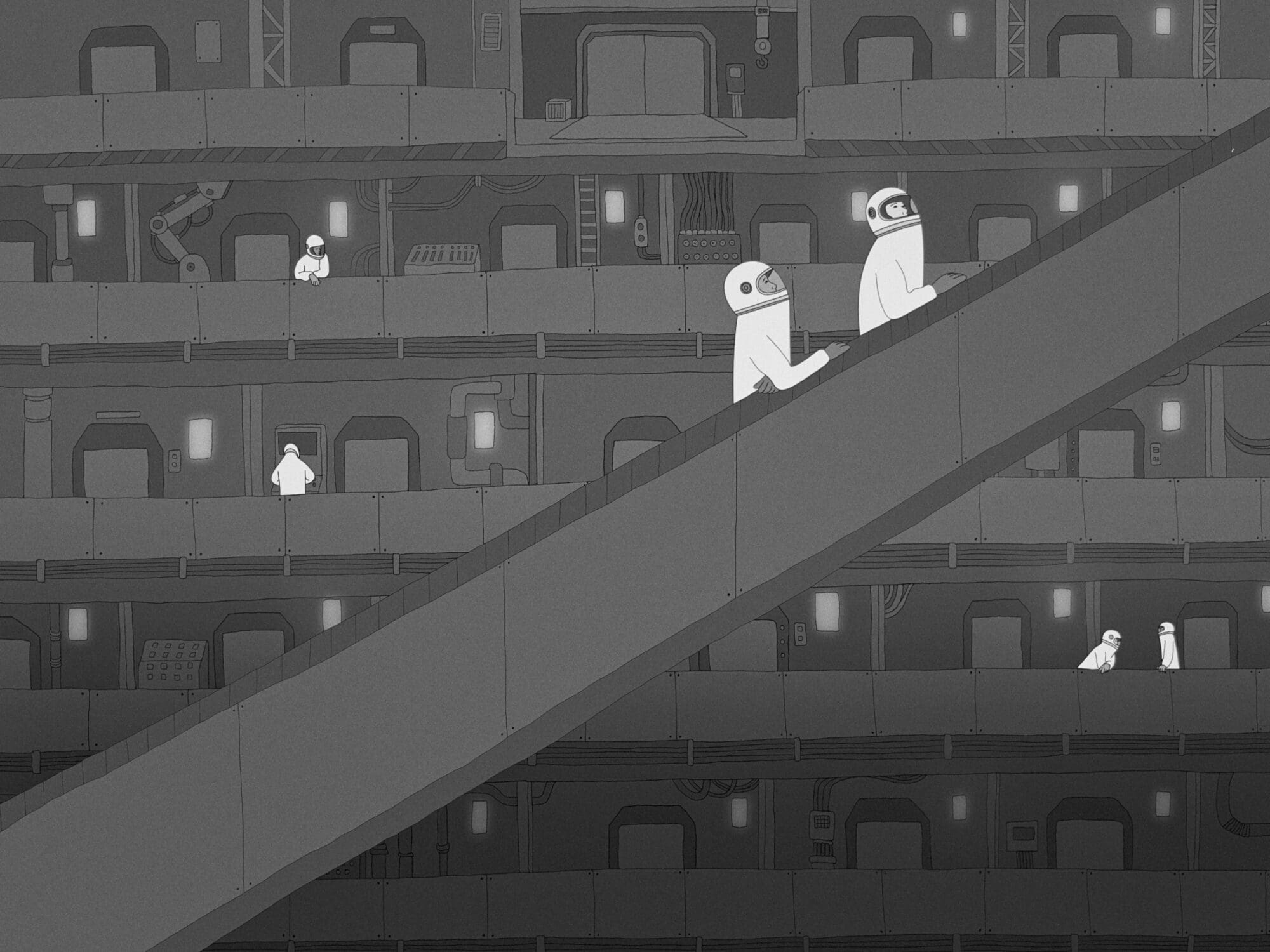
Zvereff argues that this choice is necessary for the maturation of the medium. By limiting the animation to subtle, deliberate motions, the director forces the audience to engage with the internal state of the characters rather than the spectacle of the animation itself. This approach mirrors the structural economy of the film’s visual style, where a single movement—such as a character rising from a seated position to stand against the backdrop of a distant planet—is given the time and space to register emotionally. The sound design and score, treated as foundational elements rather than additions, further ground the narrative in a sense of crushing, inevitable reality.
Data and Industry Implications
The emergence of films like Moonfish points to a wider trend in global cinema. According to recent industry reports on independent animation, there is an increasing demand among younger, digitally native audiences for narratives that do not conform to the traditional family-friendly tentpole structures. In Europe, this shift has been particularly pronounced, with festivals like Venice and Annecy actively cultivating platforms for experimental and mid-budget animated features.
The financial model of Moonfish—a combination of targeted grant funding and a highly optimized, small-team pipeline—offers a blueprint for future indie animators. By calculating the "cost per second" of animation and ruthlessly prioritizing scenes that advance the emotional narrative over scenes that merely offer visual flash, creators can effectively produce feature-length content without the multi-million dollar overhead typical of the industry. However, the personal cost remains a point of concern; Zvereff has candidly noted that the labor required to sustain this pace for nine months was extreme, suggesting that while the "engine" of the pipeline is repeatable, the human toll requires more sustainable models as the industry moves forward.
Broader Context and Future Outlook
The critical reception of Moonfish at the 2026 Venice Film Festival underscores the shifting perception of animation within the mainstream film industry. By successfully utilizing a constrained, indie-film aesthetic to explore themes of displacement, grief, and class, Zvereff has demonstrated that the medium is capable of the same emotional depth as live-action drama.
The impact of this project extends beyond its own success. It invites a broader conversation about how the "cinema ecosystem" classifies animated works. As directors continue to push the boundaries of what is possible with micro-budgets and specialized, lean production teams, the traditional barriers to entry may continue to erode. Zvereff is currently in the development phase for his next feature, The Blue Meridian, a mystery thriller set in the Pacific Northwest. This project aims to expand upon the world-building techniques established in Moonfish while hopefully incorporating a larger collaborative team, reflecting a natural evolution from the solitary sprint of his debut to a more sustainable, expansive creative process.
As the film continues to circulate, it serves as a testament to the idea that, in the world of independent filmmaking, restraint is not a lack of vision, but a catalyst for it. By working within the boundaries of the possible, Moonfish has managed to create an experience that feels, paradoxically, limitless in its emotional reach. Whether this signals a permanent shift toward lower-budget, high-concept animation remains to be seen, but the success of Zvereff’s debut has undeniably raised the bar for what is expected from the independent animation sector in the years to come.