Squid Ink and Psychadelics: How Blind Beagle VFX Brought Miniature Magic and Real-World Practical Effects to NEON’s The Wrong Girls

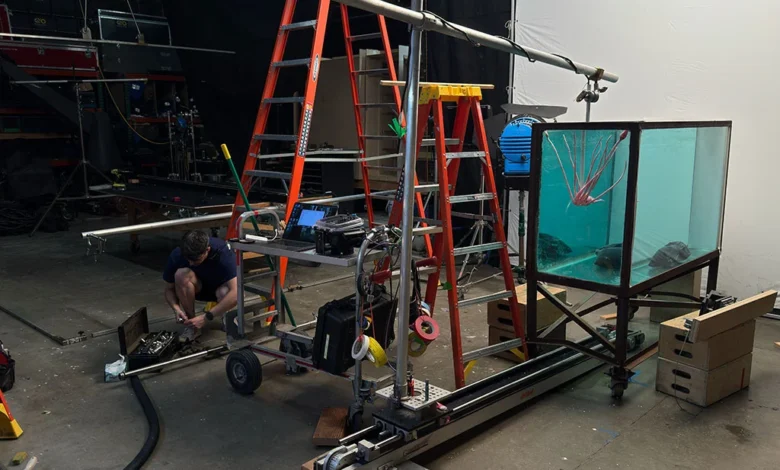
The intersection of indie comedy and old-school practical visual effects has yielded some of the most inventive cinematic moments in recent years. In NEON’s upcoming stoner comedy The Wrong Girls, written and directed by Dylan Meyer, audiences are treated to a delightfully chaotic psychedelic ride spearheaded by a unique visual centerpiece: giant, bioluminescent squids. To bring Meyer’s whimsical and bizarre vision to life, the production turned to Christopher Warren and his specialized team at Blind Beagle VFX. Building upon their previous collaboration on Boots Riley’s I Love Boosters, the visual effects crew relied heavily on miniature photography, motion control rigs, and complex practical puppets to craft a world that prioritizes stylistic coolness over strict photorealism.
Main Facts and Premise of The Wrong Girls
The Wrong Girls follows the misadventures of down-on-their-luck best friends Frankie, played by Kristen Stewart, and Molly, portrayed by Alia Shawkat. Struggling to scrape together enough cash to make rent, the duo inadvertently stumbles into a case of mistaken identity. This mix-up leaves Frankie in possession of a briefcase containing a powerful, experimental hallucinogen.
Deciding to test the substance themselves, Frankie and Molly quickly develop unexpected telepathic abilities. Their newfound powers turn them into high-stakes targets, setting off a frantic cross-country chase as they attempt to outrun a team of impeccably dressed, relentless enforcers who want their experimental product back.
Woven throughout this psychedelic narrative is a fascination with marine life, specifically giant squids. Director Dylan Meyer’s longtime obsession with cephalopods heavily inspired their prominent role in the story’s visual motifs, culminating in an elaborate title sequence and climax that blends multiple photographic disciplines.
The Chronology and Production Pipeline
The creation of the film’s aquatic sequences was a labor-intensive process that required weeks of physical construction, rigorous testing, and precise multi-disciplinary execution. The production pipeline for the visual effects elements was broken down into distinct phases spanning multiple weeks.
Initially, Special Effects Director of Photography Christopher Warren and his crew ventured out to Catalina Island, a rocky destination off the coast of Southern California. There, Warren captured genuine underwater footage of open-ocean environments, including fish, rocky seabeds, and swaying kelp. While this footage was originally intended strictly as a reference for the visual effects team, its striking composition and natural lighting were so effective that portions of it were incorporated directly into the final cut of the film’s title sequence.
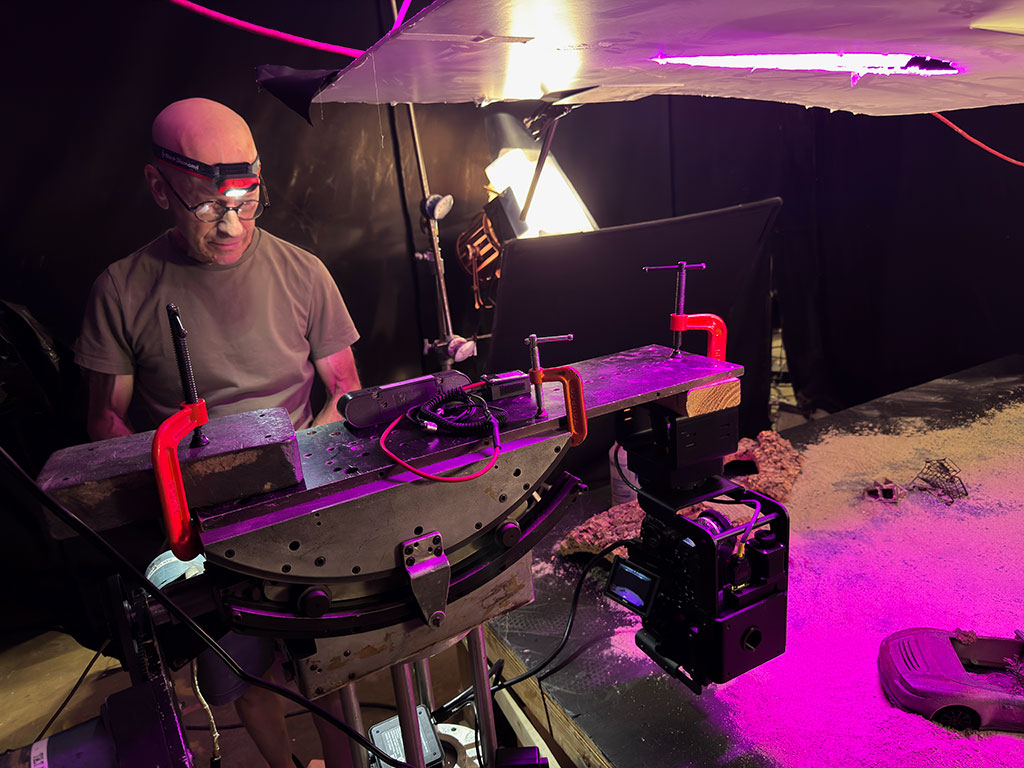
Following the location shoot, Blind Beagle VFX shifted operations to a controlled indoor stage to construct the miniature world. Building the ocean floor required meticulous work with sand, miniature set dressing, and scale props, such as a tiny Porsche resting half-buried in the artificial sand. Constructing the dry-for-wet atmosphere required approximately a week of preparation, testing, and creative problem-solving. This phase included building the set, generating dense smoke to simulate the murky depths of the ocean, and securing final approval from director Dylan Meyer.
Simultaneously, creature design studio Russell FX—led by designers Josh Russell and Sierra Spence—began fabricating the physical squid elements. The collaborative process required the fabrication of a miniature puppet for underwater and dry-for-wet tank photography, as well as oversized tentacles utilized in the film’s chaotic climax. Once Russell FX delivered the puppets to Blind Beagle, physical photography spanned an additional two to three intensive shooting days, during which the crew captured the intricate interactions between the mechanical creatures and the miniature sets.
Technological Craftsmanship: Practical Effects Meet Motion Control
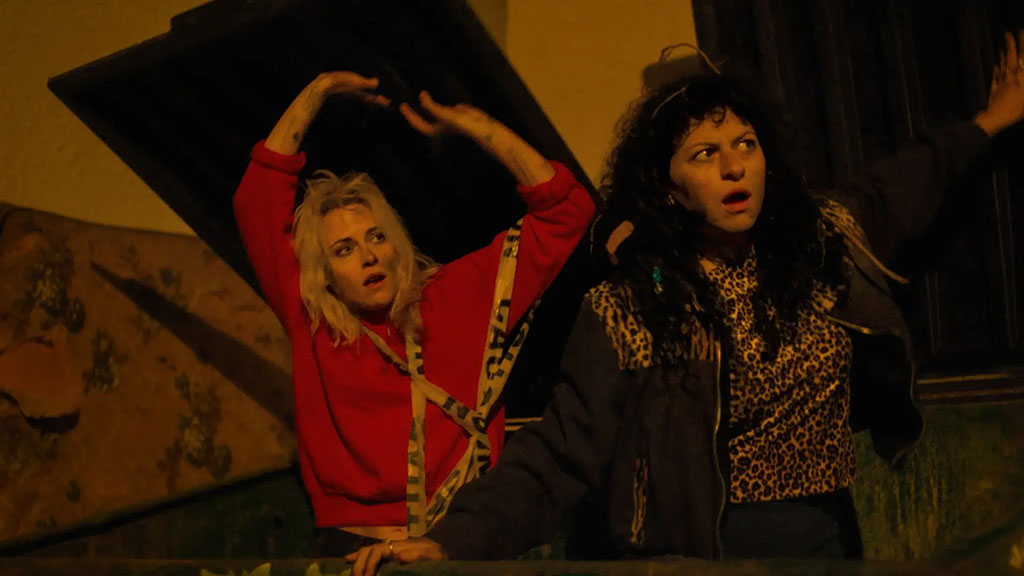
Rather than relying purely on computer-generated imagery (CGI), The Wrong Girls embraces a tactile, hands-on approach to filmmaking. This decision aligns with Meyer’s directorial philosophy, which favored visual flair and atmospheric texture over digital sterility.
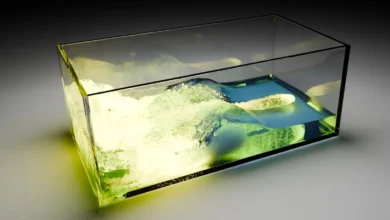
To achieve the convincing illusion of a deep-sea environment without submerging an entire soundstage, Blind Beagle utilized a classic cinematic technique known as "dry-for-wet." By introducing a controlled volume of smoke into a dark soundstage, the crew replicated the diffused light and low visibility characteristic of murky ocean water. However, maintaining visual consistency required exact calculations. Warren noted that shooters must carefully balance exposures so that the suspended smoke particles do not visibly drift or churn during long takes, which would instantly break the illusion of scale.
Camera movement through this miniature landscape was guided by veteran motion control operator Les Bernstien, whose extensive industry background includes work on major productions like Foundation. Bernstien’s precision rigs allowed the camera to glide seamlessly across the miniature ocean floor, tracking the movement of the practical squid puppet as it emerged from the darkness.
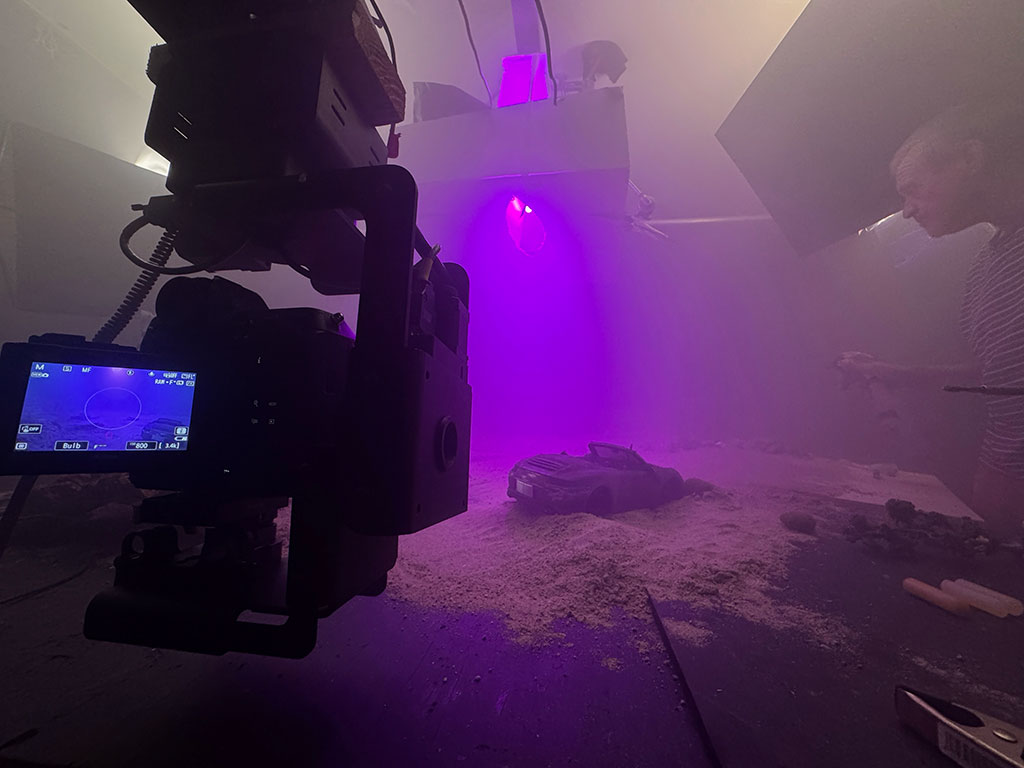
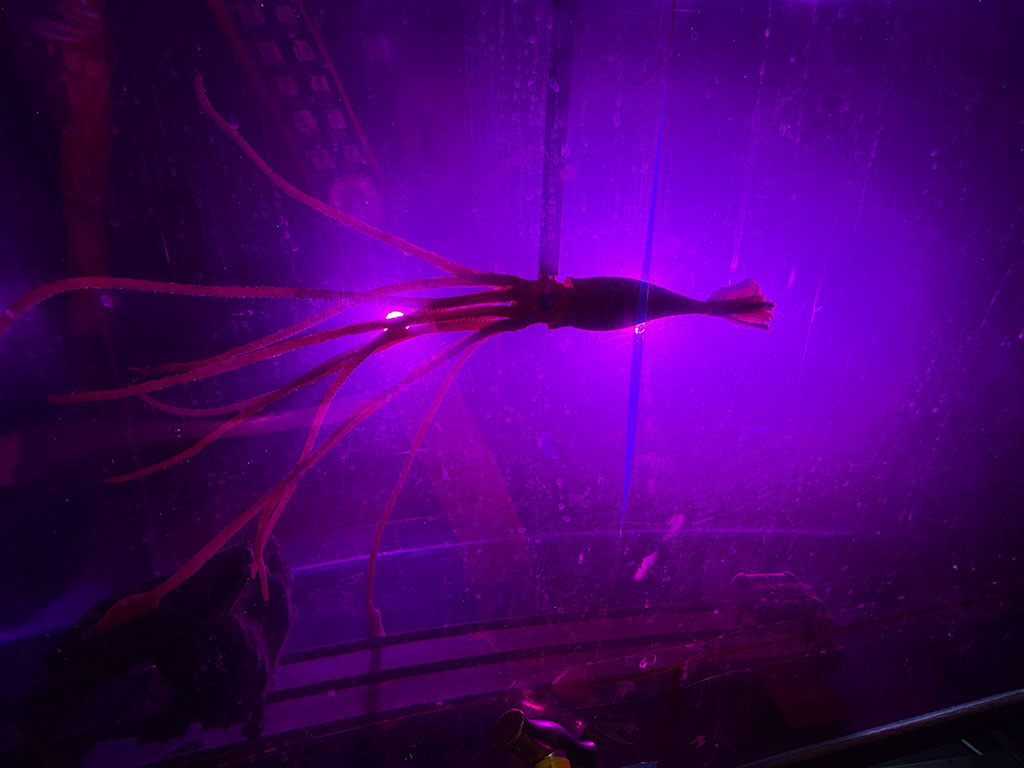
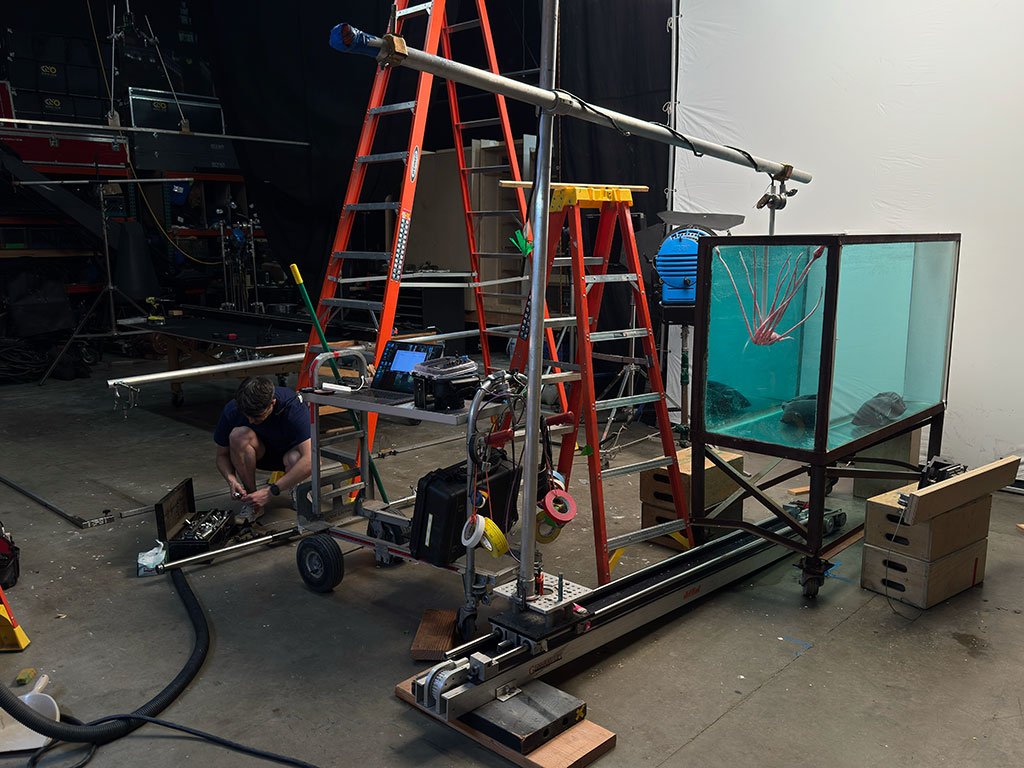
The squid puppet itself was an engineering feat. Measuring roughly two and a half feet in total length, with a body spanning nine to twelve inches, the creature required internal fiber-optic cabling to achieve its striking bioluminescent glow. Operating the puppet in a water tank presented distinct physical hurdles. The crew had to simultaneously manipulate the creature’s tentacles, guide its path through the miniature set, and ensure that the delicate fiber-optic wiring remained illuminated and stable under water pressure and heavy movement.
Rigging techniques varied depending on the narrative requirements of each specific shot. For the film’s opening title sequence, the squid was mounted on a motorized dolly system equipped with a hidden vertical rod. This configuration allowed the camera crew to slide the puppet backward away from the lens before abruptly reversing its momentum, creating a dramatic lunging effect. At the apex of this motion, the puppet discharged an artificial cloud of ink, paving the way for the bold appearance of the film’s title card across the screen. For other sequences, the squid was mounted on a free-flowing rod, allowing it to "swim" naturally above the ocean floor while casting a gentle, organic glow.
Behind the Scenes and Industry Implications
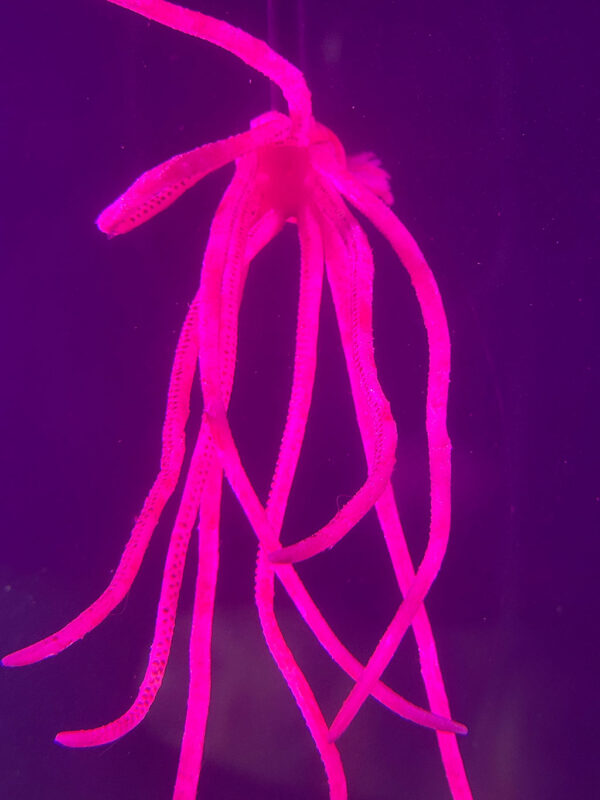
Physical manipulation of the squid puppet was a collaborative, hands-on affair on the soundstage. Gene Warren managed the movements of the squid itself, while Christopher Warren operated the camera for the majority of the shots. Additional support from the Blind Beagle team, including Brandon Knight-Warren and Brian Bradford, ensured the intricate setups ran smoothly.
Despite the technical hurdles of miniature photography—an art form that requires meticulous attention to perspective, lighting, and frame rates to successfully deceive the human eye—the production environment was notably lighthearted. Christopher Warren praised Dylan Meyer’s collaborative and relaxed directorial style, noting that her willingness to experiment allowed the effects team the creative freedom to test unconventional ideas before locking in final shots.
The heavy reliance on practical miniatures and physical effects in The Wrong Girls reflects a broader, ongoing trend in contemporary independent and studio filmmaking. As audiences increasingly experience digital fatigue from standard green-screen environments and ubiquitous CGI, filmmakers are rediscovering the tangible weight, authentic lighting interactions, and distinct charm that practical miniature effects bring to the screen.
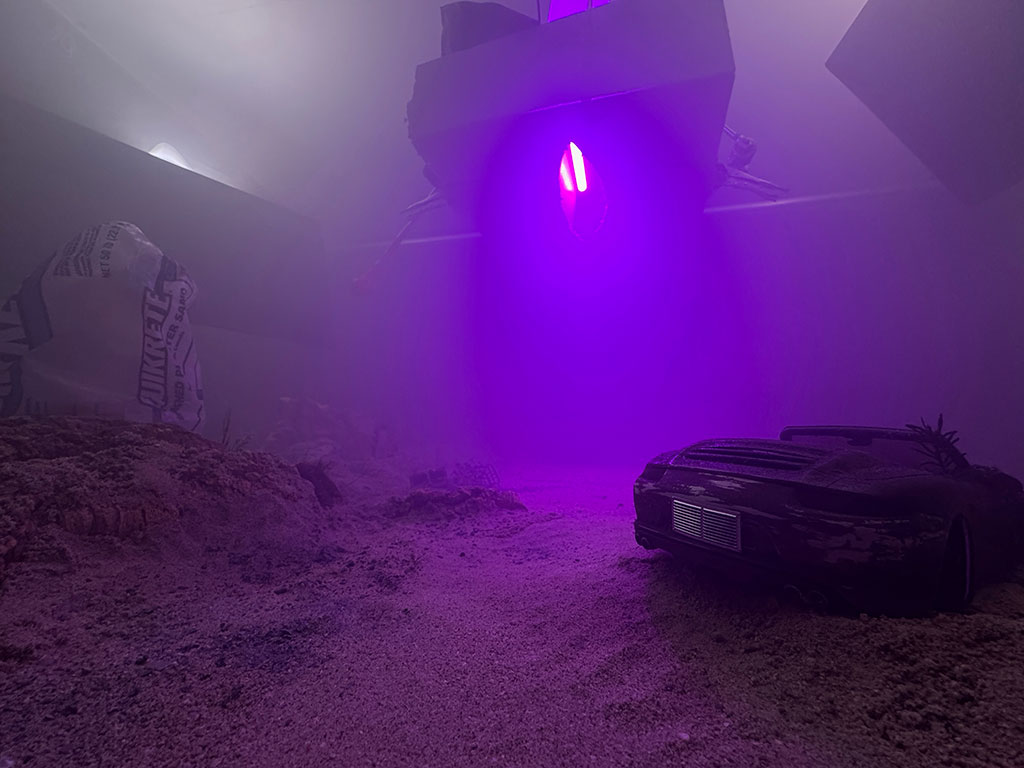
By blending real oceanic footage from Catalina Island, smoke-simulated dry-for-wet tank work, motion-controlled camera precision, and fiber-optic creature fabrication, Blind Beagle VFX and Russell FX have crafted a visually distinctive world. Ultimately, their work on The Wrong Girls proves that when a director embraces inventive experimentation over rigid realism, practical effects can elevate a stoner comedy into a masterclass of tactile cinematic artistry.
Related posts: