The Meteoric Rise of Stim Studio: Redefining the Service Model in European Animation

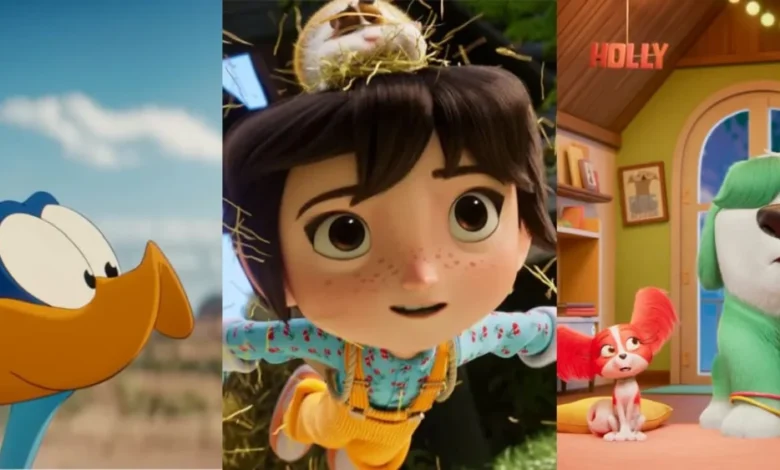
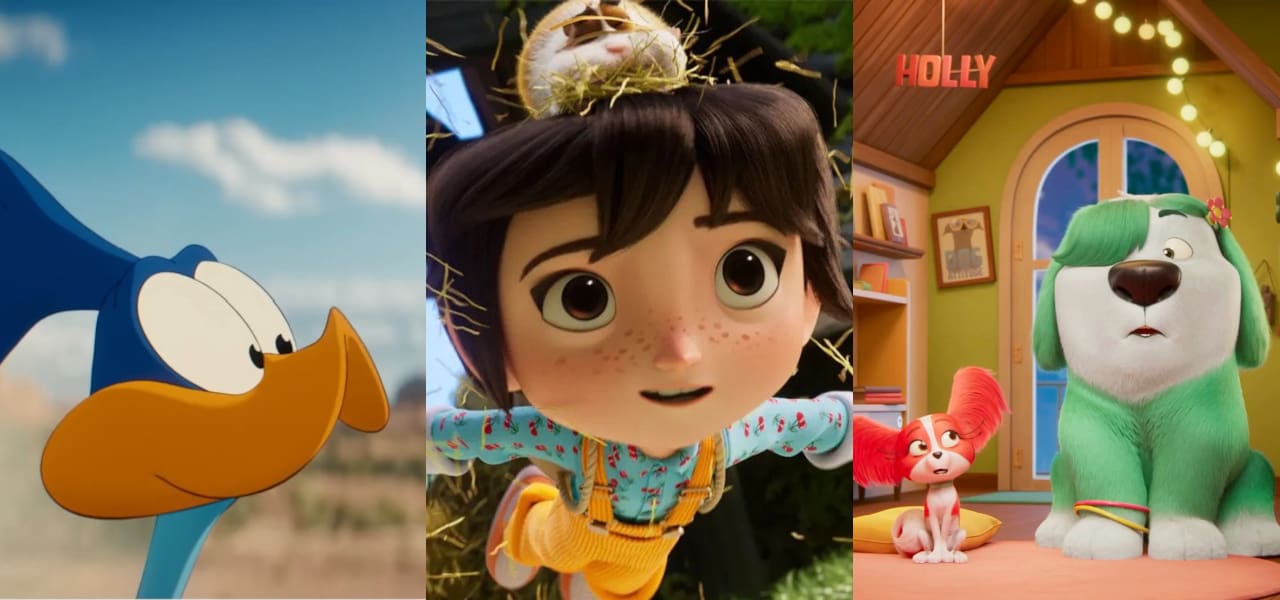
The landscape of the international animation industry has undergone a seismic shift over the past decade, characterized by increased fragmentation, rising production costs, and a tightening of budgets among major streaming platforms and legacy studios. Amidst this volatility, Stim Studio, co-founded by Jordan Soler and Félix Ferrand, has emerged as a beacon of stability and strategic growth. Since its inception in 2019, the company has transitioned from a small-scale asset creation boutique into a comprehensive, multi-territory powerhouse in the French-led animation service sector. With the recent opening of its fourth production facility in Tenerife and the successful summer 2026 debut of its first full-length feature, The Girl in the Clouds, Stim Studio represents a new breed of production partner that challenges the traditional industry hierarchy.
From ESMA Roots to Global Ambition: A Chronology of Growth
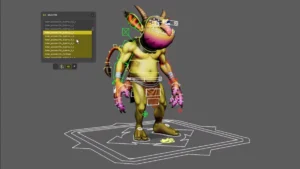
The origins of Stim Studio are rooted in the rigorous academic environment of the École Supérieure des Métiers Artistiques (ESMA) in Montpellier. Founders Jordan Soler and Félix Ferrand, both members of the 2015 graduating class, identified a gap in the market early on. While many of their peers sought positions within established, monolithic studios like Illumination or DreamWorks, Soler and Ferrand leveraged their specialized skills in rigging, modeling, look development, and grooming to establish a freelance collective that would eventually evolve into a corporate entity.
The studio’s growth trajectory follows a clear, methodical expansion:
- 2019: Formal incorporation of Stim Studio by Soler and Ferrand. Initial focus is placed on high-end asset creation and VFX support for advertising and short-form content.
- 2020–2022: The studio pivots to support long-form television production, establishing core workflows that emphasize technical agility and remote collaboration.
- 2023: Expansion into international territory with the establishment of a base in Liège, Belgium, strengthening the studio’s position within the European tax incentive ecosystem.
- June 2026: Launch of the Tenerife, Canary Islands facility, marking the studio’s fourth location and a strategic move to capitalize on the region’s 49% tax rebate structure.
- Summer 2026: The theatrical release of The Girl in the Clouds, produced for Brio Films, signals the studio’s arrival as a prime contractor for full-length feature animation.
The Service-First Philosophy: Challenging the "Double-Agent" Model
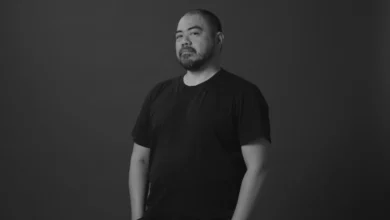
In an era where many service studios attempt to vertically integrate by becoming producers, distributors, and creators of original intellectual property (IP), Stim Studio has taken a contrarian path. Jordan Soler is adamant that the studio’s identity is strictly rooted in service, asserting that competing with one’s own clients is a fundamental flaw in the modern animation business model.
"Many service studios today have decided to be both producers and providers," Soler notes. "To me, it sends the wrong message to the people who are essentially financing your growth. At Stim, we have always avoided that because it creates double standards that are ultimately corrosive to long-term business relationships."
This philosophy is not merely ethical; it is a tactical market differentiator. By positioning itself as an extension of the producer’s own team rather than a competitor waiting for a chance to pivot to original IP, Stim has secured long-term service agreements with major European players like Mediawan and Ellipse Animation. This strategy has allowed the studio to weather the industry-wide reduction in commissioned projects, as they have become a "one-stop shop" for these entities, handling everything from technical R&D to final render.
Economic Strategy and the Tenerife Expansion
The decision to open a studio in Tenerife in June 2026 is emblematic of Stim’s highly calculated approach to production costs. The Canary Islands have become a premier destination for European animation due to an aggressive tax incentive framework. With a 54% tax rebate on the first €1 million of expenditure and a 45% rebate thereafter, the region effectively lowers the barrier to entry for high-budget productions.
From an analytical perspective, this expansion does more than save costs; it creates a "triangular production hub" between France, Belgium, and Spain. This geographic diversification allows the studio to balance labor costs with talent availability, a crucial advantage in a market where specialized animation talent is increasingly difficult to retain. By maintaining fully operational, integrated teams at each location, Stim can facilitate a continuous pipeline that is immune to localized bottlenecks.
Industry Implications: The Role of AI and Technological Agility
One of the most pressing topics in the current animation discourse is the integration of Artificial Intelligence. While many legacy studios have responded to the rise of generative AI with either outright bans or fearful hesitation, Stim Studio is adopting a pragmatic, forward-thinking stance. Soler believes that the failure to integrate AI into the production pipeline will relegate French animation to a position of secondary importance compared to the technological dominance of U.S. competitors.
"It’s not about prompting around the clock in a stupid way," Soler explains. "It’s about staying at the forefront of technological developments and remaining relevant."
This stance is backed by the studio’s internal R&D efforts, which aim to automate repetitive tasks to free up artists for more creative, high-value work. For the industry at large, Stim’s approach suggests that the future of animation production lies in a hybrid model: one that respects traditional artistic standards while utilizing advanced computational tools to maintain cost-efficiency.
Future Outlook: Bridging the Transatlantic Gap
As Stim Studio looks toward its 2027 goals—including a projected headcount of over 100 employees at the Tenerife facility—its sights are set firmly on the North American market. The challenge remains the perception that European animation is often less scalable than its U.S. counterparts.
The success of the studio’s work on the much-discussed project Coyote vs. Acme served as a critical proof-of-concept for the firm, demonstrating that a European service house can execute high-end, complex animation sequences that meet the rigorous standards of a Hollywood major. By marketing its "agile production" model—which avoids the rigid, often inefficient pipelines that plague traditional studios—Stim is attempting to convince American producers that high-quality, large-scale animation can be achieved without the astronomical budgets often associated with U.S.-based projects.
The implications of Stim’s model are significant. If they succeed in convincing American studios to outsource to their European triangular hub, it could signal a broader movement of animation work away from the traditional expensive hubs of Los Angeles and Vancouver. For the French animation industry, which has long grappled with the need to balance artistic prestige with commercial viability, the rise of Stim Studio offers a blueprint for survival and growth.
A Measured Path Forward
Ultimately, the trajectory of Stim Studio serves as a case study in the power of strategic specialization. By refusing to chase the allure of owning IP and instead doubling down on the efficiency and technical excellence of the service-provider model, Soler and Ferrand have built a company that is structurally resilient to the whims of the entertainment market.
As the studio begins its major recruitment drive for the Tenerife site, the focus will remain on identifying "team players" who can navigate a cross-departmental workflow. With a robust pipeline of European projects already in place and an active ambition to disrupt the transatlantic animation market, Stim Studio is no longer a small, emerging player. It is a vital, influential component of the global animation ecosystem—a testament to the idea that, in an industry defined by creativity, the most valuable talent is often the ability to build a smarter, more sustainable way to work.
As of late 2026, the studio stands at a crossroads of maturity. The coming eighteen months, leading into the mid-2027 staffing milestones, will determine if their agile, tech-forward, and service-exclusive model can scale effectively to meet the demands of global blockbusters. If the past seven years are any indication, the studio’s trajectory suggests that the "Stim model" is one that the rest of the industry will be watching—and likely emulating—in the years to come.