Disney Jr. and Animaj Quietly Launch AI-Assisted Preschool Series ‘Ozzy Fox’, Igniting Industry Discussion on AI Integration

In a significant, albeit understated, development for the animation industry, Disney Jr. and French AI-driven animation company Animaj have collaboratively released Ozzy Fox, a new preschool series that quietly debuted this week. The series, developed jointly by the two entities, saw its first two episodes appear on YouTube and YouTube Kids on Wednesday, July 17, 2026. Within just two days of its launch, the combined viewership for these initial installments rapidly approached 800,000, signaling a robust early reception for the music-driven program. This launch is particularly noteworthy as it marks Disney’s direct collaboration on an original series with a company that has explicitly positioned artificial intelligence at the core of its production model and corporate identity, raising pertinent questions about the evolving landscape of animation production and content creation.
The Quiet Launch and Initial Reception
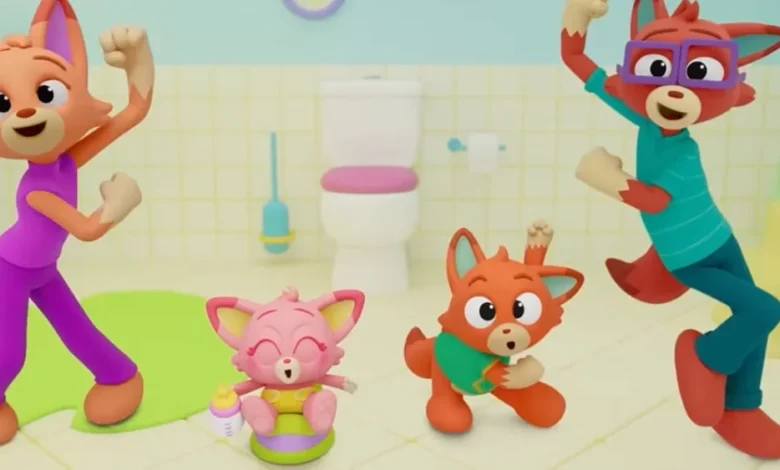
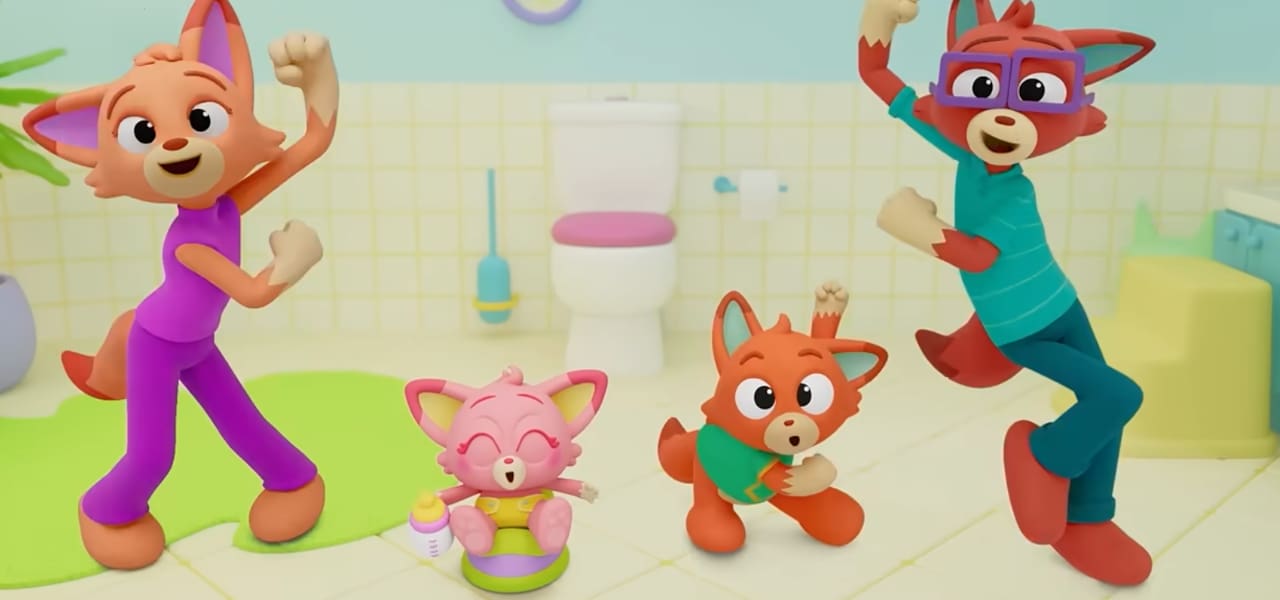
Ozzy Fox entered the digital sphere without the customary fanfare of a major Disney production. No official press release was issued, a strategic decision that, according to sources close to the production, reflects the companies’ desire to let the content speak for itself. Instead, Animaj co-founder Sixte Vauplane took to LinkedIn to celebrate the series’ debut, offering a glimpse into the company’s enthusiasm for the project. The series targets a young demographic, focusing on a five-year-old fox whose vivid imagination transforms mundane childhood routines into engaging games and adventures. The inaugural episodes, "The Floor Is Lava! Squeaky Clean Up Game" and "Potty Party Dance Break!", address common developmental milestones such as tidying up and toilet training through an entertaining, musical lens.
The creative pedigree behind Ozzy Fox is substantial. The series was created by Jennifer Oxley, an acclaimed figure in children’s animation known for her work on popular shows like Peg + Cat, Wonder Pets!, and Little Bill. Further bolstering its creative direction, the show was developed by Guillermo García Carsí, co-creator of the internationally recognized series Pocoyo, who joined Animaj as its creative director in 2023. The musical component, integral to the show’s appeal, features original songs penned by Chen Neeman, Kat Rende, and JP Rende, emphasizing the series’ commitment to engaging its young audience through rhythm and melody. The rapid accumulation of views suggests that this blend of experienced creators and innovative production methods is resonating with its target audience and their parents, effectively bypassing traditional marketing channels through organic discovery on popular children’s platforms.
Animaj: An AI-First Animation Powerhouse
Animaj, a French company, has rapidly carved out a niche in the animation sector by making AI central to its operational framework. The company’s corporate identity is intrinsically linked to its advanced, proprietary production pipeline, which leverages AI tools to streamline and accelerate the animation process. Specifically, Animaj has highlighted its use of AI-assisted sketch-to-pose prediction and motion in-betweening technologies. These innovations, according to Animaj, enable significant reductions in both production time and associated costs, offering a compelling alternative to traditional, labor-intensive animation workflows.
The application of Animaj’s AI pipeline extends beyond Ozzy Fox. The company has already been applying these advanced techniques to major established children’s properties, including the beloved Pocoyo series and the iconic Maya the Bee franchise. This demonstrates Animaj’s capability to integrate its AI-driven model with existing intellectual property, suggesting a scalable and versatile approach to animation production. Their work on these high-profile projects prior to Ozzy Fox indicates a maturing of their technology and a growing confidence in its commercial viability and creative output. The partnership with Disney, therefore, represents a significant validation of Animaj’s AI-centric strategy, bringing its innovative methods into the orbit of one of the world’s largest and most influential media conglomerates.
Disney’s Strategic Partnership and Broader AI Landscape
Disney’s decision to develop an original series directly with Animaj is a clear signal of its strategic engagement with artificial intelligence in content creation. While the entertainment giant has a long history of technological innovation, this collaboration with an AI-first company on an original IP is a notable step. This partnership is not entirely unprecedented, as the two companies already share a commercial agreement. Previously, Disney signed on with Lumee, a kids-focused YouTube advertising venture co-founded by Animaj and Hasbro Entertainment. Under this agreement, Lumee represents selected ad inventory across several prominent Disney channels, including Disney Jr., Disney Kids, Star Wars Kids, Marvel HQ, and Nat Geo Kids. This pre-existing commercial relationship likely paved the way for the deeper creative collaboration seen with Ozzy Fox.
The broader industry context further highlights the significance of this move. The integration of AI tools into studio pipelines is becoming increasingly commonplace, even if often undisclosed. Just one day prior to Ozzy Fox‘s launch, Netflix revealed that it had utilized generative AI (genAI) tools on nearly 300 titles within the current year alone. However, similar to the quiet launch of Ozzy Fox, Netflix only explicitly named three of these titles, illustrating a broader industry trend of subtle integration rather than overt promotion of AI’s role. This reticence often stems from various factors, including the nascent public perception of AI in creative roles, potential backlash from creative communities concerned about job displacement, and ongoing debates surrounding intellectual property and attribution. Disney’s approach with Ozzy Fox aligns with this trend of quiet integration, allowing the content’s quality and audience reception to serve as its primary endorsement.
Creative Vision Behind Ozzy Fox
Beyond the technological advancements, Ozzy Fox embodies a thoughtful creative vision tailored for its preschool audience. Jennifer Oxley, the series creator, brings a wealth of experience in crafting beloved and educationally valuable children’s programming. Her previous works, such as Peg + Cat, are renowned for their engaging storytelling and gentle educational undertones, often incorporating elements of problem-solving and social-emotional learning. This expertise is evident in Ozzy Fox‘s premise, which leverages a child’s imagination to make everyday routines fun and manageable.
Guillermo García Carsí, serving as creative director, adds another layer of sophisticated children’s entertainment experience. His work on Pocoyo is celebrated for its distinctive visual style, minimalist narratives, and focus on early childhood development themes. The combination of Oxley’s proven track record and García Carsí’s artistic direction suggests a commitment to high-quality storytelling and character development, irrespective of the underlying production methodology. The choice of music as a central element in Ozzy Fox is also a well-established strategy in preschool programming, known to aid memory, emotional development, and engagement. The show’s focus on relatable childhood experiences like cleaning and potty training underscores its practical relevance to its young viewers and their families, aiming to entertain while subtly reinforcing positive habits.
The Unspoken Role of AI in Production
One of the most intriguing aspects of the Ozzy Fox launch is the deliberate silence from both Disney and Animaj regarding the specific role of AI tools in its creation. While Animaj proudly advertises its AI-centric pipeline for other projects, the direct impact on Ozzy Fox remains unarticulated. This lack of explicit disclosure is becoming increasingly common across the entertainment industry as AI tools become more sophisticated and deeply embedded in various stages of production, from concept art and character design to animation and post-production.
.png)
The reasons for this guarded approach are multi-faceted. On one hand, studios might perceive that highlighting AI’s involvement could detract from the perceived "human" creativity and effort invested in a project, potentially alienating audiences or creative talent. There are also ongoing discussions within the creative community, particularly among unions and guilds like the WGA and SAG-AFTRA, about the implications of AI for intellectual property, residuals, and job security. Transparency around AI usage could open studios to heightened scrutiny and debate. On the other hand, the quiet integration of AI tools reflects their growing normalization within the industry. As these technologies become more refined and accessible, they are evolving from experimental novelties into standard tools in a creator’s toolkit, much like digital animation software replaced cel animation decades ago. For Ozzy Fox, the success of its initial viewership suggests that the audience’s primary concern is the quality and appeal of the content itself, rather than the precise technological means of its production.
Implications for the Animation Industry
The collaboration between Disney Jr. and Animaj on Ozzy Fox carries significant implications for the broader animation industry.
- Economic Shifts and Production Efficiency: Animaj’s claims of substantially reduced production time and costs through AI tools present a compelling economic model. If widely adopted, such efficiencies could reshape global animation production, making it more accessible for smaller studios and potentially increasing content output for larger ones. This could lead to a proliferation of animated content, but also raise questions about quality control and creative integrity if not managed carefully.
- Evolution of the Creative Process: The integration of AI tools is fundamentally altering the animation workflow. Artists may find themselves shifting from manual frame-by-frame creation to supervising and refining AI-generated outputs. This could free up artists for more conceptual and directorial roles, but also necessitate new skill sets and adaptations to a more technologically mediated creative environment.
- Ethical Considerations and Job Security: The primary concern for many in the animation community is the potential for job displacement. If AI can automate tasks traditionally performed by animators, in-betweeners, and other production staff, it could lead to significant workforce reductions. This necessitates urgent dialogue between studios, artists, and unions to establish ethical guidelines, retraining programs, and new compensation models that account for AI’s role in content creation. The lack of disclosure around AI usage only exacerbates these anxieties, as it creates uncertainty about the true extent of AI’s involvement in ongoing projects.
- Intellectual Property and Attribution: The use of AI, particularly generative AI, raises complex questions about intellectual property ownership. If AI tools are trained on existing copyrighted works, who owns the output? How are creators credited when an AI assists in generating elements of a series? These legal and ethical frameworks are still being developed and will be crucial for the sustainable integration of AI in creative industries.
- Competitive Landscape: Disney’s move signals that major players are not only experimenting with AI but are actively integrating it into their core content strategies. This will likely spur other studios to accelerate their own AI research and adoption, intensifying the competitive landscape and pushing the boundaries of what is technologically possible in animation.
The Future of Preschool Content and AI
The preschool content market is a highly lucrative and strategically important segment for media companies, serving as a critical entry point for building brand loyalty with young audiences. The global preschool education market size was valued at USD 245.6 billion in 2022 and is projected to grow, with children’s content being a significant driver. Disney Jr. has long been a dominant force in this space, and its foray into AI-assisted production for Ozzy Fox could set a new precedent.
The potential for AI in preschool content extends beyond mere production efficiency. AI could facilitate personalized learning experiences, adapting content to individual children’s developmental stages and interests. It could also enable more interactive storytelling, allowing children to influence narratives or characters in real-time. However, alongside these opportunities, there are important considerations regarding screen time, data privacy, and the psychological impact of AI-generated content on very young children. Regulators, parents, and educators will need to grapple with these questions as AI becomes more pervasive in children’s media.
In conclusion, the quiet launch of Ozzy Fox by Disney Jr. and Animaj represents a subtle yet profound shift in the animation industry. It underscores a growing trend of major studios embracing AI-driven production models, often without explicit fanfare, to achieve efficiencies and innovate in content creation. While the immediate success of Ozzy Fox on platforms like YouTube Kids demonstrates audience readiness for engaging content regardless of its production methodology, the broader implications for creative professionals, industry economics, and ethical standards will undoubtedly continue to fuel debate and shape the future trajectory of animation for years to come. The industry now watches to see how transparent studios will become about AI’s role and how the delicate balance between technological advancement and human creativity will ultimately be maintained.