The Story Behind Billy Joel’s Pressure: From Writer’s Block to Synth-Rock Innovation

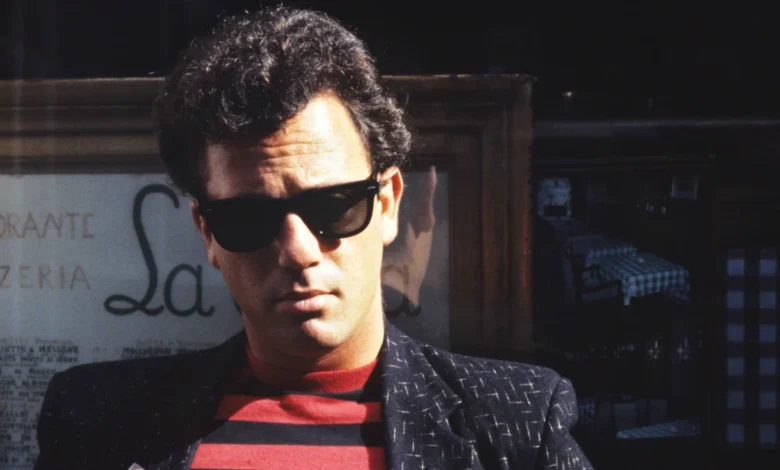
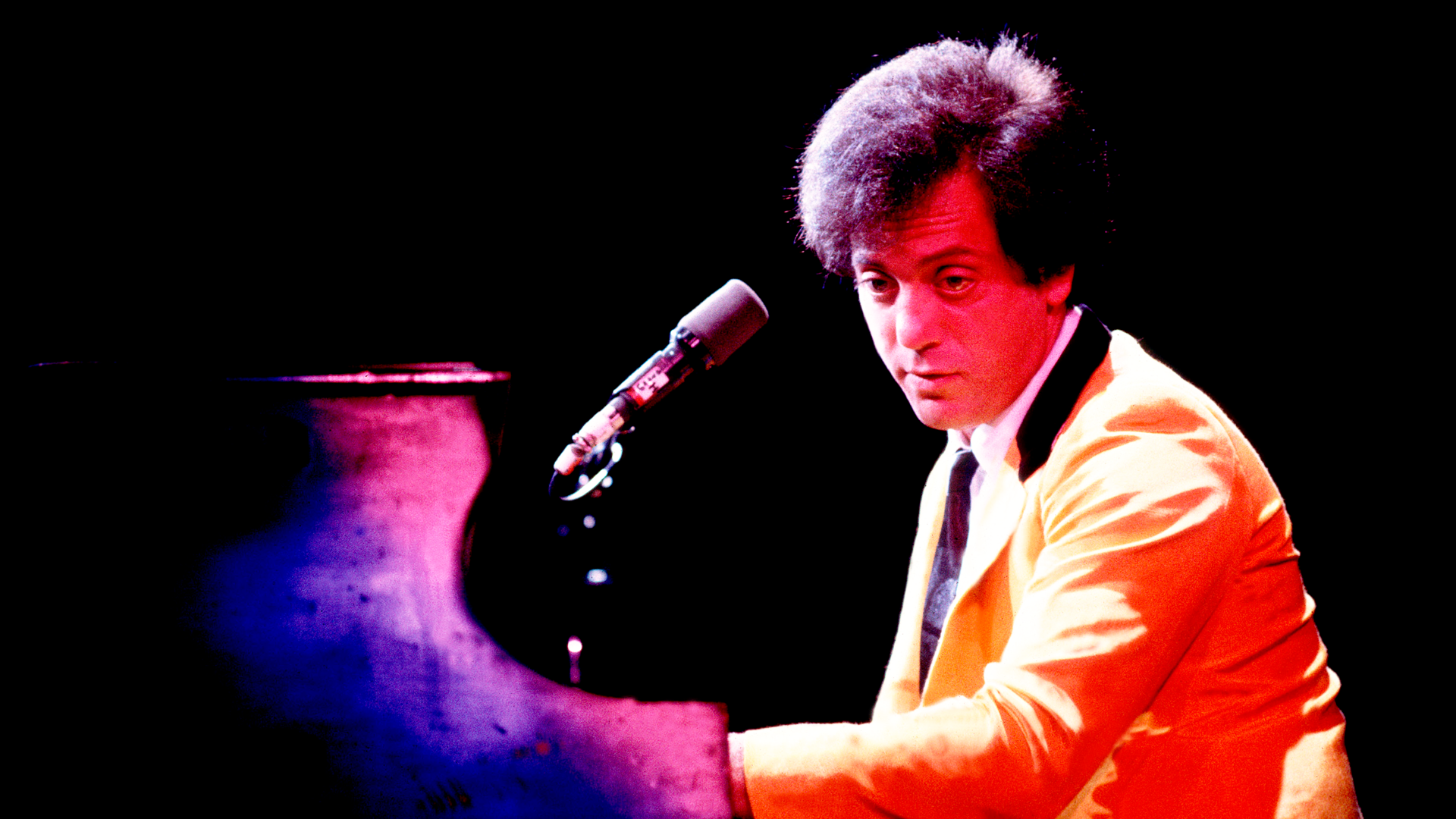
By the dawn of the 1980s, Billy Joel had already cemented his status as one of the most formidable forces in American popular music. Having defined the 1970s with a string of hits that blended Tin Pan Alley craftsmanship with rock and roll energy—most notably his 1973 signature "Piano Man"—Joel entered the new decade as a commercial juggernaut. However, the transition from the singer-songwriter era of the seventies to the high-tech, synth-driven landscape of the eighties presented a unique set of creative challenges. The result of this friction was the 1982 album The Nylon Curtain and its standout, anxiety-ridden single, "Pressure."
The genesis of "Pressure" was not rooted in a sudden burst of inspiration, but rather in a period of profound creative stagnation. After seven successful studio albums, including the back-to-back triumphs of The Stranger (1977), 52nd Street (1978), and Glass Houses (1980), Joel found himself facing a debilitating bout of writer’s block. The expectations for his eighth studio effort were immense, and the mental toll of maintaining a decade-long streak of brilliance had begun to manifest as a literal lack of musical ideas.
The Catalyst of Creative Crisis
The turning point for the song occurred during a moment of domestic mundanity. While struggling to find a hook for his new material, Joel was interrupted by his secretary. In a later interview with MTV’s Night School, Joel recalled the exchange that broke the curse. He described himself as being in a state of despair, telling his assistant that he had "nothing, nothing, nothing" left to give. Looking at his visible distress, the assistant remarked, "Wow, you look like you’re under a lot of pressure. I bet you that’d be a good idea for a song."
This throwaway comment acted as a lightning rod. Joel realized that the very sensation of being unable to write was, in itself, a valid subject for a composition. Rather than looking outward for a narrative, he turned inward, documenting the physiological and psychological weight of professional expectation. This meta-approach to songwriting allowed Joel to channel his frustration into a frantic, driving rhythm that would eventually become one of his most recognizable tracks.
Technological Shifts and The Nylon Curtain
"Pressure" was a departure from the piano-heavy ballads and doo-wop-inspired rockers that had previously defined Joel’s discography. The Nylon Curtain represented a more experimental phase in his career, characterized by a harder narrative edge and a deep dive into emerging production technologies. Working alongside legendary producer Phil Ramone, Joel began to move away from the traditional acoustic piano as the sole centerpiece of his sound.
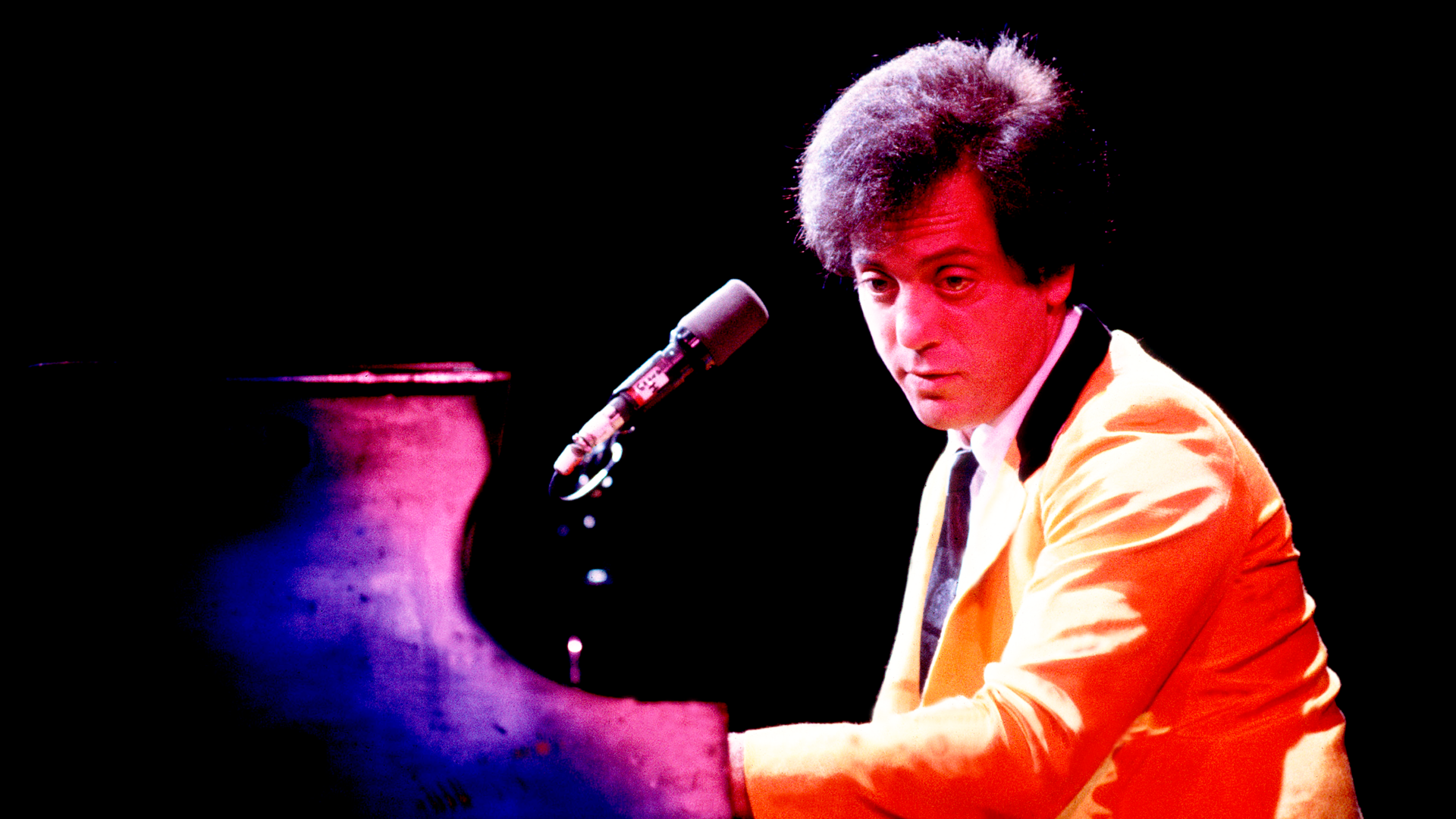
The early 1980s saw the rise of digital sampling and sophisticated synthesizers, and Joel was an eager, if occasionally impulsive, adopter of these tools. While he had previously utilized the Minimoog and the Fender Rhodes electric piano, "Pressure" marked his significant engagement with the Emulator, one of the first affordable digital sampling synthesizers. This technology allowed the production team to incorporate non-musical sounds and manipulated vocal snippets into the arrangement, providing the track with its "industrial" and "clinical" atmosphere.
Musical Architecture: The Theory of Anxiety
Technically, "Pressure" is a masterclass in using music theory to evoke a specific emotional state. The song is built on a foundation of tonal instability, constantly shifting between D major and D minor. This movement mirrors the oscillating nature of a panic attack or high-stress environment—moments of clarity followed by sudden descents into darkness.
The most iconic element of the song is the synth-brass riff that serves as the main hook. This riff is heavily influenced by Joel’s classical training and his affinity for composers like Beethoven and Vivaldi. The sequence utilizes a "tonic pedal," a compositional device where the bass note (in this case, D) remains stationary while the chords above it shift rapidly. This creates a sense of building tension that never quite resolves, perfectly mimicking the lyrical theme.
The chord progression in the chorus—switching from Dm to a C# diminished chord over D—creates a dissonant, jarring effect. The verse, conversely, begins in D major with a Gsus2 chord, providing a brief respite before the "stabs" of C/D and D chords return to punctuate the word "pressure." This sophisticated interplay between major and minor tonalities was rare in Top 40 radio at the time, highlighting Joel’s ability to disguise complex musical ideas within a pop framework.
The "Happy Accident" of the Master Tape
The recording sessions for "Pressure" were as intense as the song’s title suggests. Phil Ramone, known for his meticulousness, encouraged Joel to push the boundaries of his vocal performance and the capabilities of the studio hardware. One of the song’s most famous moments—the sudden, dead-stop silence followed by a frantic vocal shout—was the result of a near-catastrophic studio error.
During a playback session, Joel, fueled by a surge of nervous energy, impulsively struck several buttons on the tape machine. The action accidentally erased a portion of the master recording. Ramone was initially horrified, believing that a crucial section of the song had been lost forever. However, upon listening back to the "damaged" tape, both men realized that the sudden silence created a vacuum that heightened the impact of the subsequent vocal. The "erasure" became a permanent feature of the track, emphasizing the feeling of a mind "snapping" under the weight of stress.
Additionally, the track features unique vocal sampling. Joel recorded himself singing every note in his vocal range, which was then loaded into the Emulator. These samples were used to create the "staccato beep" sounds—reminiscent of a French taxi horn—that weave through the background of the song. Joel described the delivery of the shouted "PRESH-AR!" as being modeled after a Royal Air Force captain barking commands, adding a layer of militaristic rigidity to the track.
Chart Performance and Critical Context
Upon its release in September 1982, "Pressure" became a significant hit, reaching number 20 on the Billboard Hot 100 and number 8 on the Mainstream Rock chart. While it didn’t reach the chart-topping heights of "It’s Still Rock and Roll to Me," its impact was measured in its longevity and critical reappraisal.
The Nylon Curtain peaked at number 7 on the Billboard 200 and was eventually certified 2x Platinum by the RIAA. Critics of the era noted that the album was Joel’s most "serious" work to date, tackling themes of the disappearing American middle class ("Allentown") and the lingering trauma of the Vietnam War ("Goodnight Saigon"). "Pressure" served as the psychological glue for the album, representing the internal toll of the external societal shifts Joel was documenting.
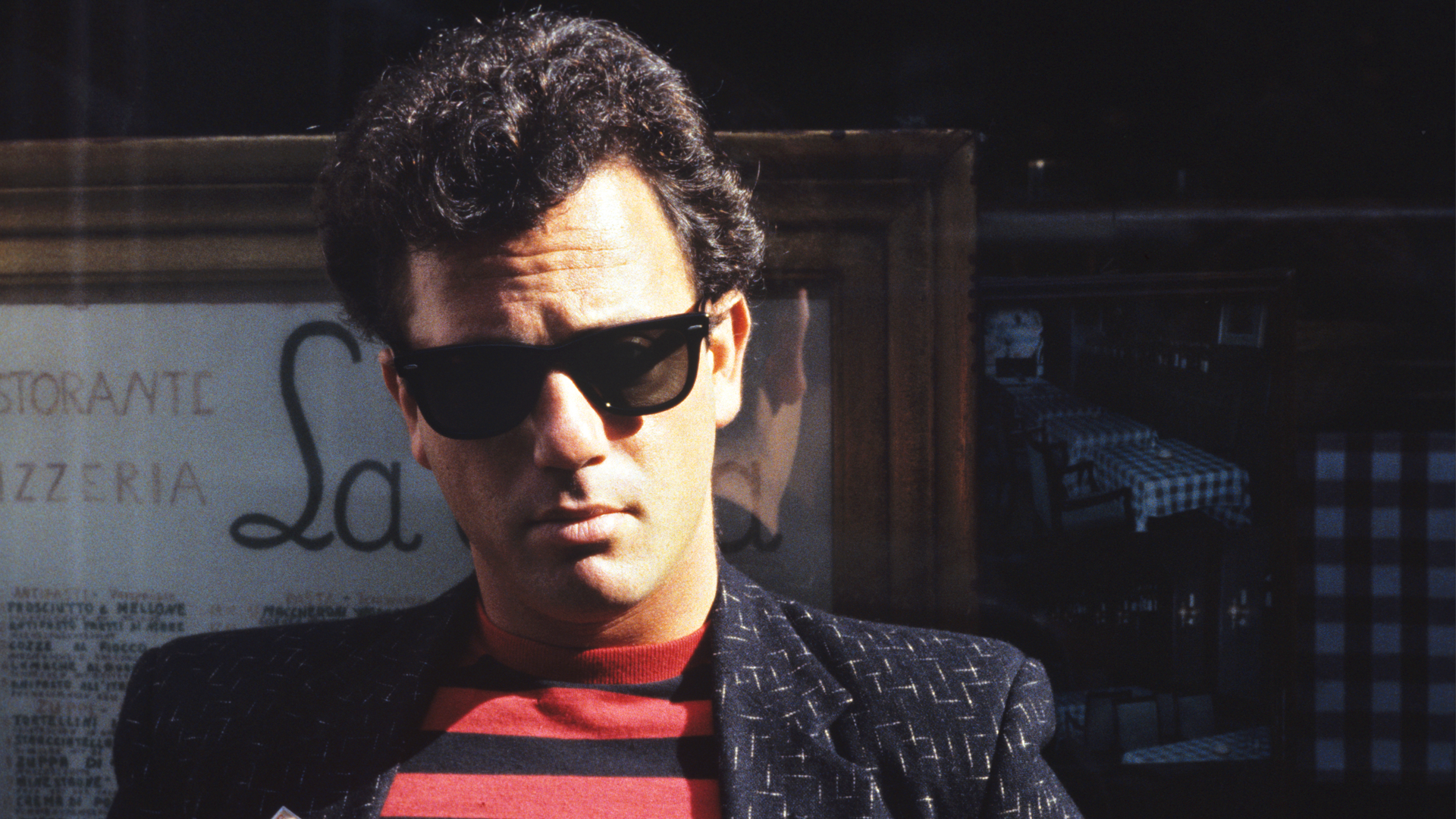
Key Data and Timeline:
- Recording Period: Late 1981 – Mid-1982
- Release Date: September 23, 1982 (Single); September 23, 1982 (The Nylon Curtain Album)
- Chart Peak: #20 (Billboard Hot 100); #8 (Billboard Mainstream Rock)
- Instrumentation: Yamaha CP-80 Electric Grand, Steinway Piano, Emulator I, Minimoog, Prophet-5.
- Production: Phil Ramone for Family Productions/Columbia Records.
Legacy and Modern Resurgence
While Billy Joel’s catalog is filled with perennial favorites like "Uptown Girl" and "She’s Always a Woman," "Pressure" has maintained a specialized cult status among fans of 1980s synth-rock and music theorists. Its reputation as a "musician’s song" is bolstered by its rhythmic complexity, specifically the use of a "halftime feel" by drummer Liberty DeVitto. By placing the snare on beat 3 instead of the traditional beats 2 and 4, the song feels slower and heavier, adding to the "weighted" sensation of the lyrics.
The song experienced a massive resurgence in 2020 when it was featured prominently in the second season premiere of the Amazon Prime Video series The Boys. The show, known for its cynical and high-octane deconstruction of superhero tropes, used "Pressure" to underscore a sequence of intense psychological stress for its characters. This placement introduced a new generation of listeners to the track, leading to a surge in streaming numbers and a renewed appreciation for Joel’s technical prowess during his experimental 1980s phase.
Conclusion: An Anthem for the Overwhelmed
"Pressure" remains a landmark in Billy Joel’s career because it successfully bridged the gap between his identity as a traditional "Piano Man" and his aspirations as a modern studio innovator. By taking the very obstacle that threatened to end his creative streak—writer’s block—and turning it into the subject of a hit single, Joel demonstrated the resilience of his artistry.
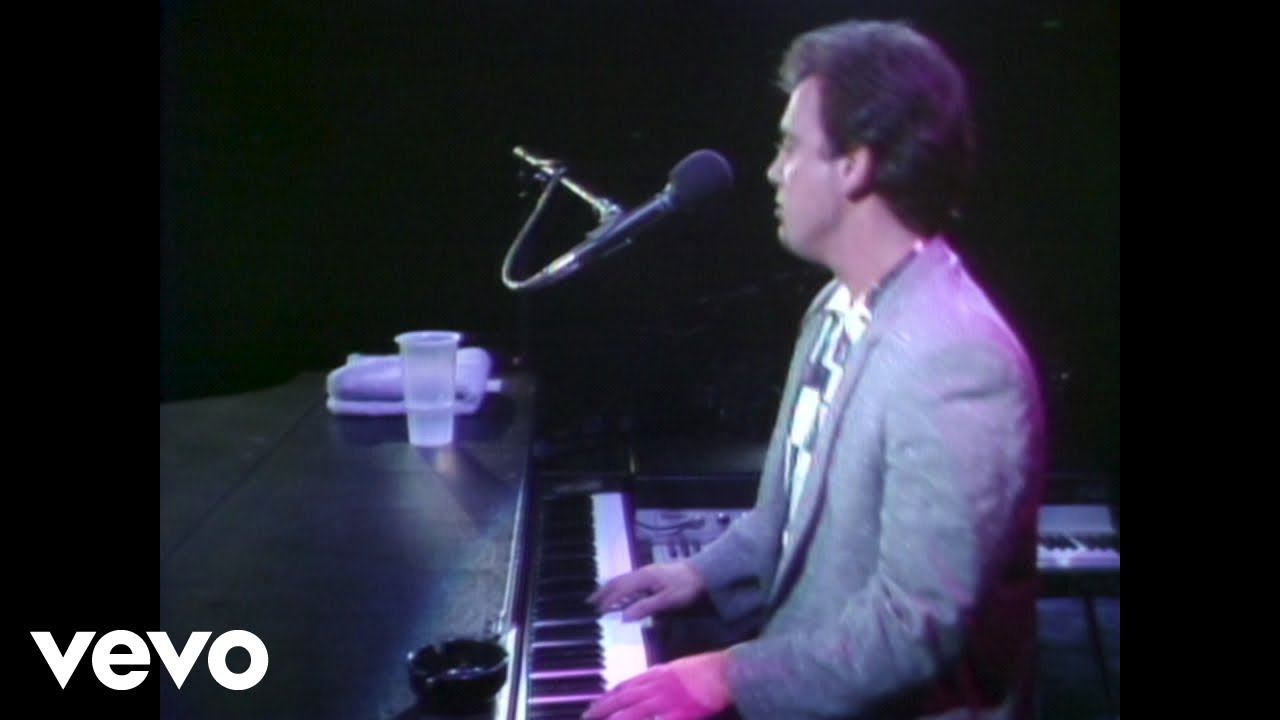
The song stands as a sonic document of a specific moment in music history when the warmth of the acoustic piano met the cold, precise edge of the digital synthesizer. Decades later, its depiction of anxiety, professional demand, and the frantic pace of modern life continues to resonate, proving that the "pressure" Joel felt in 1982 is a universal, and perhaps timeless, human experience.
Related posts: