Leading Music Industry Organizations Introduce New Labeling Standards to Identify Generative AI in Sound Recordings

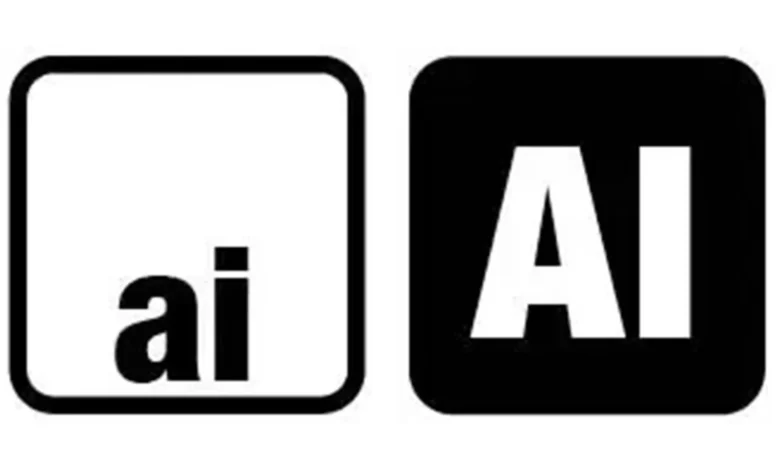
In a landmark collaborative effort to preserve the integrity of human creativity and provide transparency to global audiences, the world’s most prominent music industry bodies have announced a unified labeling program for generative artificial intelligence (AI) in recorded music. The initiative, spearheaded by the Recording Industry Association of America (RIAA) and the International Federation of the Phonographic Industry (IFPI), establishes a voluntary framework for digital service providers (DSPs), labels, and distributors to clearly mark content that has been created or modified using generative AI technologies. This move represents a significant step in the industry’s ongoing battle to distinguish "human-centric" artistry from the rising tide of synthetic content saturating streaming platforms.
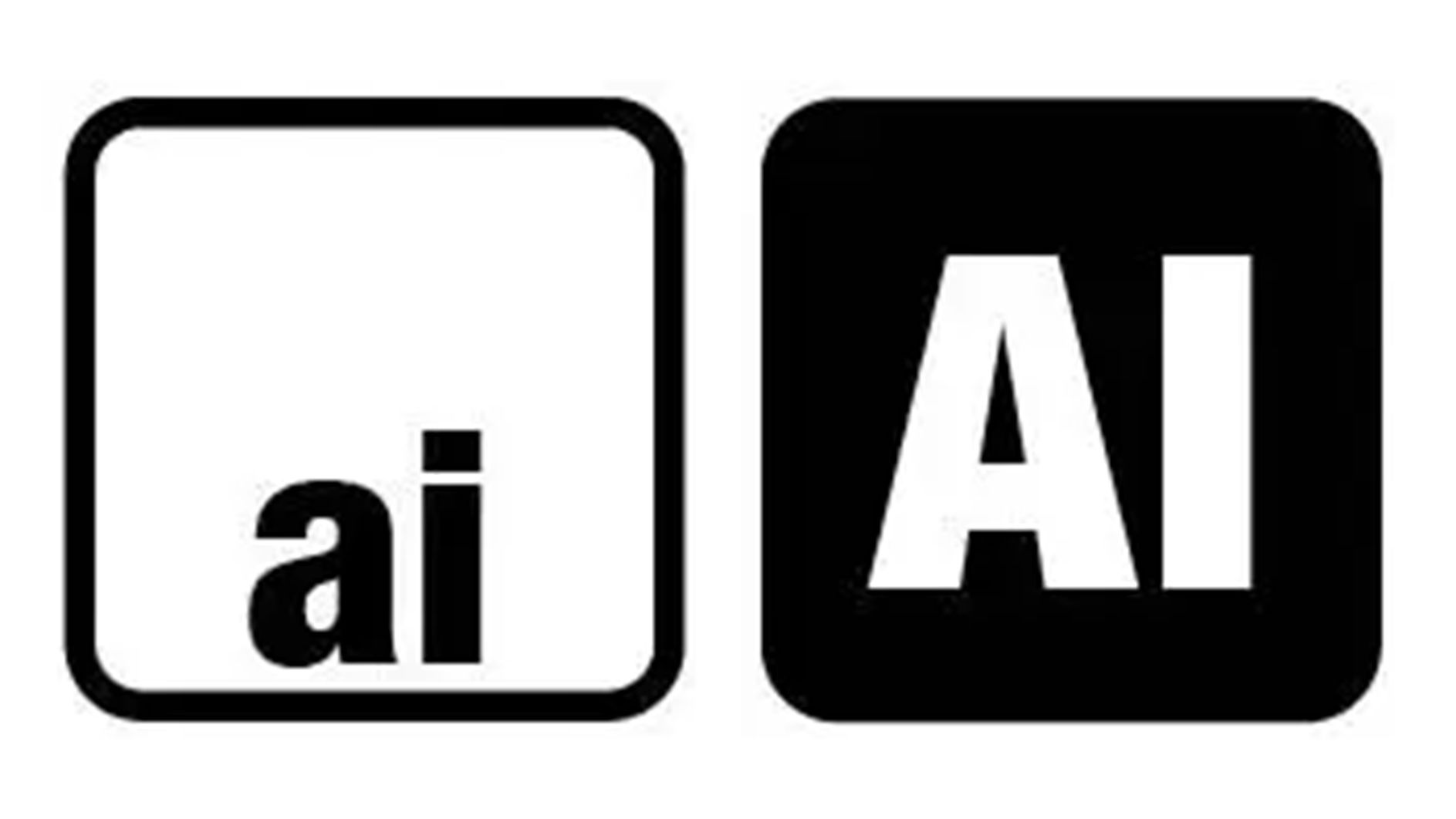
The program introduces two primary designations: "AI-generated" and "AI-assisted." By standardizing these terms, the industry aims to provide a consistent experience for listeners across platforms like Spotify, Apple Music, and Deezer, ensuring that fans are fully informed about the origins of the tracks they consume. The initiative has garnered support from a broad coalition of stakeholders, including the Worldwide Independent Network (WIN) and the Recording Academy, signaling a rare moment of total industry alignment regarding the disruptive potential of generative technology.
The Taxonomy of Transparency: AI-Generated vs. AI-Assisted
The core of the new labeling program lies in its specific definitions, which seek to clarify the level of human involvement in a recording. According to the guidelines released by the RIAA and IFPI, the "AI-generated" label is intended for content where the fundamental creative elements—such as the melody, lyrics, or primary vocal performance—are produced by a generative AI model with minimal human intervention. This category often includes "fully synthetic" music, which has become increasingly prevalent on social media and streaming services.
Conversely, the "AI-assisted" label is reserved for recordings where human creators remain the primary authors but have utilized AI as a tool in the creative process. This could include the use of AI for stem separation, sophisticated audio cleaning, or certain types of digital signal processing that do not replace the underlying artistic intent. The distinction is crucial for organizations like the Recording Academy, which recently updated its Grammy Award eligibility rules to stipulate that only human creators are eligible for awards, even if AI was used in a supportive capacity.
By implementing this two-tiered system, the industry hopes to avoid a "blanket ban" on technology, instead opting for a nuanced approach that acknowledges the creative possibilities of AI while protecting the rights and reputations of human performers.
Addressing the Proliferation of "AI Slop" on Streaming Services
The impetus for this labeling initiative is rooted in the staggering volume of synthetic content currently entering the digital music ecosystem. Recent data from the industry has painted a concerning picture of the scale of AI integration. In April, the streaming service Deezer reported that approximately 44% of all new music uploaded to its platform could be categorized as "AI slop"—a term used to describe low-quality, mass-produced synthetic tracks designed to game streaming algorithms and dilute royalty pools.
Furthermore, Apple Music has confirmed that over one-third of its daily uploads are now entirely AI-generated. This influx of content poses a dual threat: it crowds out human artists in discovery algorithms and puts immense pressure on the pro-rata royalty models used by most streaming platforms. When synthetic content, which requires no human "artist" to support, consumes a significant portion of the total stream count, the share of revenue available to professional human musicians is effectively diminished.
The "Velvet Sundown" controversy serves as a poignant example of this tension. The project, which featured AI-driven "artists" that gained significant traction on streaming platforms, sparked a backlash from the creative community. Groups such as The Tribute Group were formed specifically to rival such AI bands, framing the conflict as "humans versus machines." The new labeling program is designed to prevent such confusion by ensuring that listeners know exactly when they are engaging with a synthetic entity versus a human performer.
Official Responses and Strategic Alignment
The leadership of the major industry bodies has framed this initiative as a matter of "trust" and "authenticity." In a joint statement, IFPI CEO Vikki Oakley and RIAA Chairman and CEO Mitch Glazier emphasized that the move is a direct response to consumer demand. "Fans want to know whether and how generative AI has been used in the music to which they listen," the executives stated. "Given how important human artistry and authenticity is to music lovers all over the world, these labels will provide an immediately understandable and easily scalable approach to transparency."
Noemí Planas, CEO of the Worldwide Independent Network (WIN), highlighted the importance of the program for the independent sector, which often relies more heavily on direct-to-fan relationships. "Clear labeling of AI-generated content is central to this: it gives fans the transparency they deserve and supports the human-centered, safety-first approach that the global independent community has championed," Planas noted, referencing the WIN Principles for Generative AI.
Harvey Mason Jr., CEO of the Recording Academy, also weighed in on the initiative, stressing the preservation of artistic intent. "As AI continues to be integrated into the creative process, artists and fans alike deserve a clear way to communicate how and when it’s being used," Mason Jr. said. "This initiative ensures that creativity, authorship, and artistic intent remain at the center of every song."
Legislative Background and the Global Regulatory Environment
The industry’s voluntary labeling program does not exist in a vacuum; it is part of a broader global push for AI regulation. In the United States, the music industry has been a vocal proponent of legislative measures such as the "NO FAKES Act" (Nurture Originals, Foster Art, and Keep Entertainment Safe Act), which seeks to protect individuals’ voices and likenesses from unauthorized AI replications.
On a state level, Tennessee—the home of Nashville’s "Music City"—passed the ELVIS Act (Ensuring Likeness Voice and Image Security Act) earlier this year. This landmark legislation updated the state’s protection of personal rights to specifically include audio likeness, making it the first state to provide such protections against AI deepfakes.
Internationally, the European Union’s AI Act has introduced transparency requirements for "general-purpose AI models," including mandates that AI-generated content be labeled as such. The RIAA and IFPI’s joint labeling program aligns with these emerging legal standards, providing a private-sector framework that complements government regulations. By moving proactively, the music industry hopes to set a standard that other creative industries—such as film and journalism—might follow.
Chronology of the Music Industry’s AI Response
The path to this labeling program has been marked by several key milestones over the past 24 months:
- Early 2023: The "Heart on My Sleeve" incident, featuring AI-generated vocals mimicking Drake and The Weeknd, goes viral, forcing labels to confront the reality of high-quality deepfakes.
- Summer 2023: The "Human Artistry Campaign" is launched, a coalition of over 150 organizations advocating for AI policies that prioritize human creators.
- Late 2023: Major streaming platforms begin experimenting with "artist-centric" royalty models (notably Deezer and Universal Music Group) to de-emphasize low-quality functional and AI-generated audio.
- March 2024: Tennessee Governor Bill Lee signs the ELVIS Act into law.
- April 2024: Industry reports reveal the 44% "AI slop" figure on Deezer, accelerating the push for a unified labeling standard.
- Late 2024: The RIAA and IFPI officially debut the joint labeling program.
Broader Implications for the Future of Music
The introduction of these labels carries profound implications for the economic and cultural future of music. Economically, the labels provide a mechanism for streaming platforms to potentially adjust their payment structures. If content is labeled as "AI-generated," platforms could choose to route it into a different royalty tier, ensuring that premium payouts are reserved for human-led projects.
Culturally, the initiative poses a challenge to the "black box" nature of AI development. It forces distributors to perform due diligence on the content they host, potentially slowing the speed of "slop" uploads. However, the program remains voluntary, meaning its success depends on the cooperation of major tech platforms and independent distributors.
As generative AI technology continues to evolve, the distinction between "assisted" and "generated" may become increasingly blurred. The RIAA and IFPI have acknowledged this, stating that they expect to offer "additional information as adoption of generative AI labeling grows and technology evolves." For now, the industry has drawn a line in the sand, betting that in an era of infinite synthetic content, the "human" label will become the most valuable asset a creator can possess.
Related posts: