A Legacy of Subterranean Survival
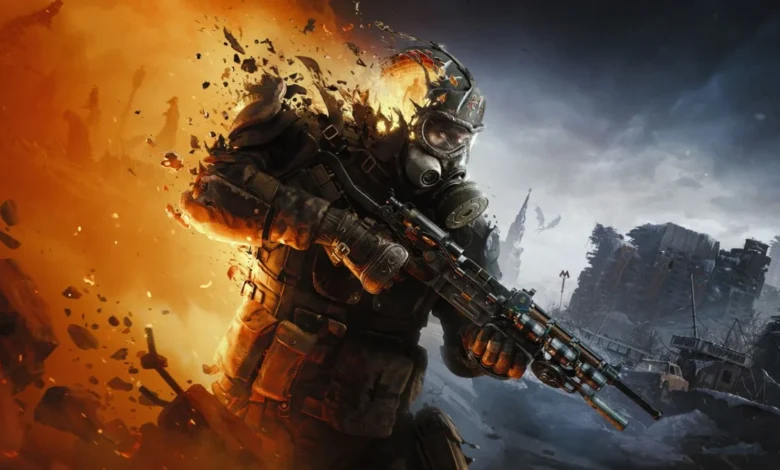
The Metro franchise, based on the novels by Russian author Dmitry Glukhovsky, has long been a pillar of the survival-horror and first-person shooter genres. Since the release of Metro 2033 in 2010, 4A Games has established a reputation for creating some of the most atmospheric and technically demanding titles in the industry. The series is known for its "hardcore" survival mechanics, such as the manual pumping of pneumatic weapons, the management of gas mask filters in irradiated zones, and a unique economy where high-grade military ammunition serves as the primary currency.
While the 2019 entry, Metro Exodus, successfully experimented with large, "sandbox" environments across the Russian wilderness, Metro 2039 appears to be a recalibration. By returning to the underground tunnels of Moscow, the developers are leaning into the "corridor-shooter" design that allows for maximum control over lighting, pacing, and atmosphere. This shift is not merely a regression but a strategic choice to emphasize the "handcrafted" nature of the world. In an era where many studios utilize procedural generation to populate massive maps, 4A Games is doubling down on "authored environments," where every asset and lighting choice is placed with specific narrative intent.
The Chronology of 4A Games and the Metro Franchise
To understand the weight of the Metro 2039 announcement, one must look at the timeline of the studio and the franchise’s evolution:
- 2006: 4A Games is founded in Kyiv, Ukraine, by former GSC Game World employees (developers of S.T.A.L.K.E.R.).
- 2010: Metro 2033 is released, receiving critical acclaim for its atmosphere and graphical fidelity.
- 2013: Metro: Last Light expands the narrative, introducing more complex political factions within the Metro.
- 2014: 4A Games moves its headquarters to Sliema, Malta, to better access the European market, while maintaining a significant studio presence in Kyiv.
- 2019: Metro Exodus is released, moving the series into semi-open-world environments and selling over 10 million units to date.
- 2022-Present: The studio continues development during the Russian invasion of Ukraine, with some staff members joining the defense forces and others relocating.
- 2024: Metro Awakening, a VR prequel, is released, keeping the brand active while the mainline sequel remains in development.
- Winter 2026 (Projected): The scheduled release window for Metro 2039.
Development Under Duress: The Geopolitical Context
The development of Metro 2039 is inextricably linked to the real-world experiences of its creators. 4A Games, originally founded in Kyiv, has faced unprecedented challenges due to the war in Ukraine. The studio has been vocal about how the conflict has influenced their creative process. The themes of Metro 2039—brutal regimes, the spread of misinformation, and the suffocating nature of life under constant threat—are not just tropes of the post-apocalyptic genre; they are reflections of the lived reality for many of the game’s developers.
In official statements, 4A Games has noted that Metro 2039 will be the "darkest entry yet." This tone is reflected in the game’s aesthetic, which utilizes the latest iteration of the 4A Engine to depict a world unified under an oppressive regime. The studio is utilizing environmental storytelling to convey the psychological toll of this existence, moving beyond simple dialogue to let the world itself speak.
Handcrafted Design vs. Procedural Efficiency
A central pillar of the Metro 2039 philosophy is the rejection of "filler" content. The modern gaming industry has seen a rise in the use of modular kits and AI-assisted asset pipelines to create increasingly large game worlds. While these tools allow for scale, they often result in a "visual sameness" that can break player immersion.
4A Games is explicitly pushing against this trend. The studio describes its level design through a concept they call "frozen stories." These are snapshots of the world—a kitchen table left in haste, a barricaded tunnel littered with specific artifacts, or a station platform adorned with peeling propaganda posters—that tell a complete story of what happened before the player arrived. Because the game is set in the confined spaces of the Metro, the developers can afford to spend an immense amount of time on these dioramas. This approach ensures that no corridor is "just geometry" and no room is "recycled dressing."
Supporting data suggests that player fatigue with massive, empty open worlds is on the rise. Recent critical successes in the "linear-plus" space—games that offer high-fidelity, focused experiences—indicate a growing market for titles like Metro 2039. By focusing on density over distance, 4A Games aims to provide a more memorable and emotionally resonant experience.
Technical Innovation and the 4A Engine
Technically, the Metro series has always been a benchmark for PC and console hardware. Metro 2033 was one of the first games to truly push DirectX 11, and Metro Exodus was a pioneer in the implementation of real-time ray tracing. Metro 2039 is expected to continue this tradition.
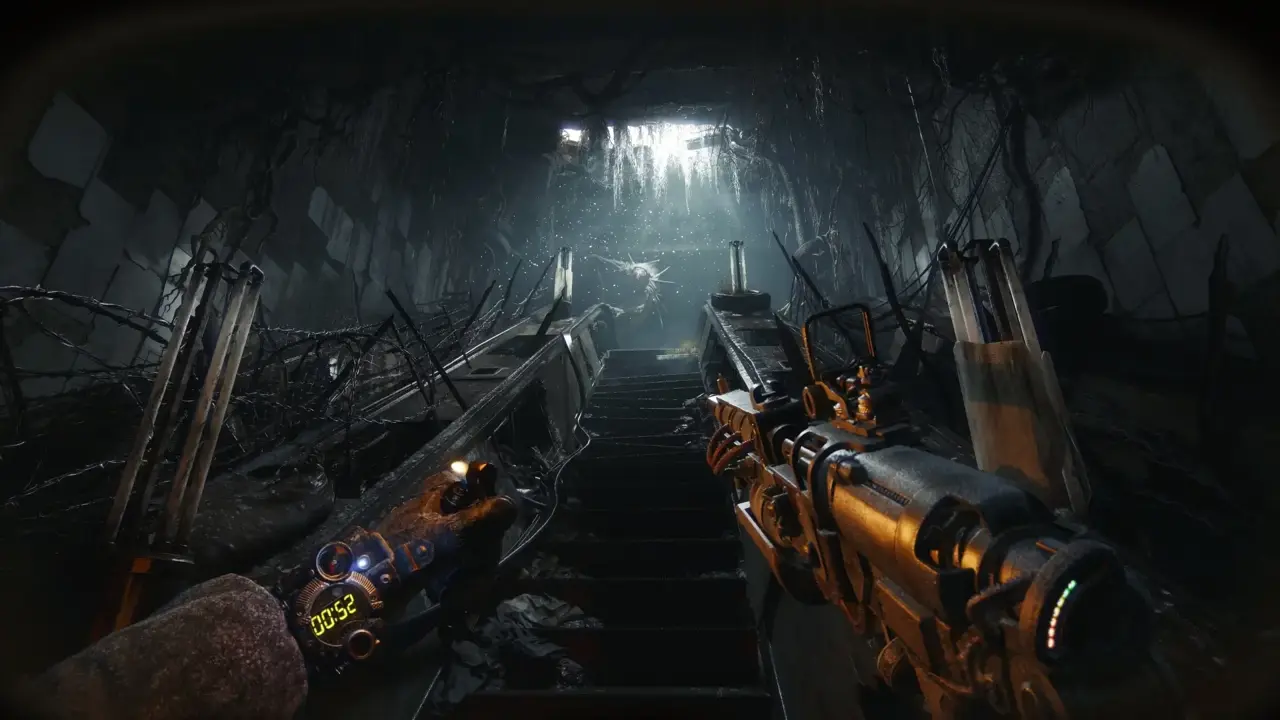
The return to the underground provides the perfect showcase for advanced lighting tech. In the Metro, light is not just a visual flourish; it is a gameplay mechanic. Players must manage their torch batteries and use shadows to avoid detection by both human enemies and the mutated horrors that haunt the tunnels. The new version of the 4A Engine is reportedly designed to handle "intentional lighting," where every light source is authored to create a specific emotional response—be it the cold, sterile glow of a government station or the warm, flickering orange of a survivor’s campfire.
Narrative Themes: Propaganda and Misinformation
The narrative of Metro 2039 delves into the dangers of a society controlled by fear and lies. Following the events of previous games, the survivors in the Moscow Metro have become more isolated and more susceptible to the whims of powerful factions. The official reveal highlights a world where propaganda is omnipresent, and the truth is a rare commodity.
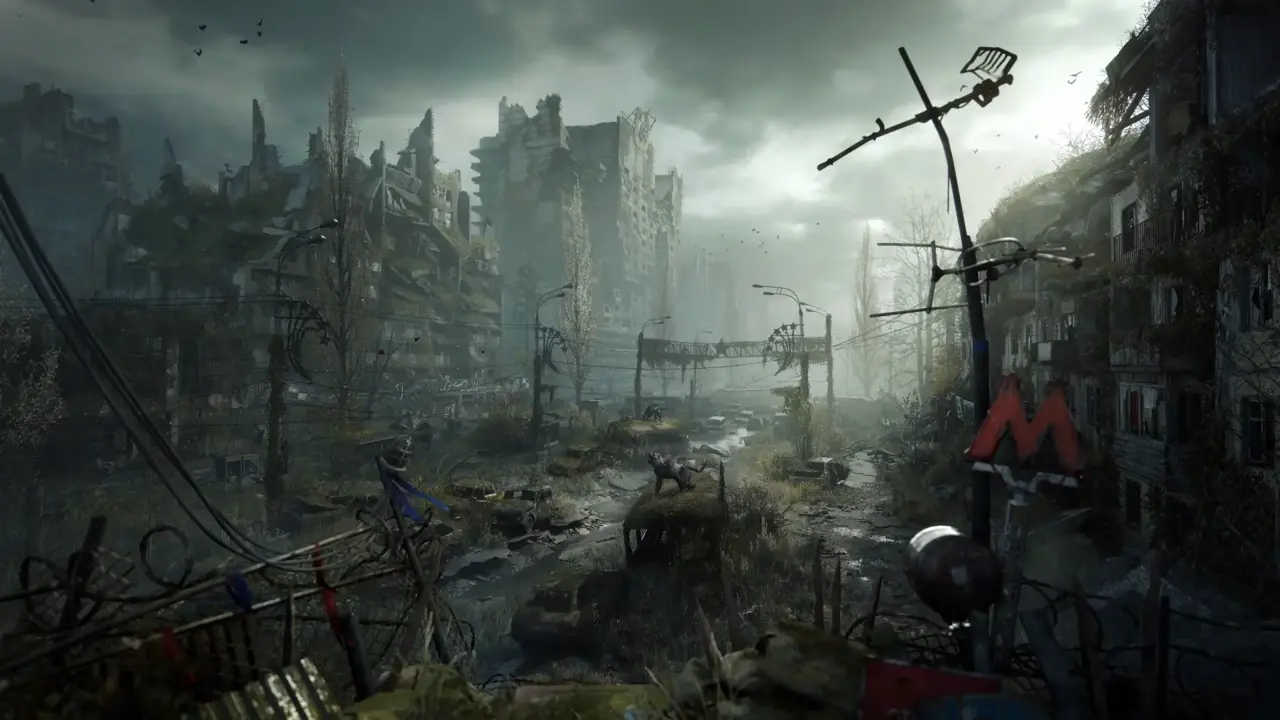
This thematic focus is a direct evolution of the political commentary found in Glukhovsky’s novels. By placing the player in the middle of these "frozen stories," the game forces them to navigate not just physical hazards, but a minefield of misinformation. The "darkness" of the game is as much psychological as it is physical, exploring how communities fracture or unify under extreme pressure.
Broader Industry Impact and Implications
The announcement of Metro 2039 comes at a pivotal time for the games industry. As production costs for AAA titles skyrocket, many studios are looking toward AI and procedural tools to cut corners. 4A Games’ commitment to handcrafted, authored design is a bold statement in favor of "taste" over "stuff."
Furthermore, the release of Metro 2039 will be a significant moment for the Ukrainian development community. Despite the hardships of war, the successful delivery of a high-profile, technologically advanced title would serve as a testament to the resilience of the region’s tech and creative sectors.
For the audience, Metro 2039 represents a return to the "immersive sim" adjacent qualities that made the early games cult classics. The focus on tight spaces, resource management, and deep environmental storytelling suggests that 4A Games is not interested in following current trends, but rather in perfecting the formula they established over a decade ago.
Conclusion
Metro 2039 is more than just a sequel; it is a refinement of a philosophy that prioritizes atmosphere and authorship over scale and automation. By returning to the Moscow Metro, 4A Games is reclaiming the claustrophobic intensity that made the series a household name in the shooter genre. With its focus on "frozen stories," advanced lighting, and a narrative shaped by real-world adversity, Metro 2039 is poised to be a landmark release for Winter 2026. As the industry continues to grapple with the balance between efficiency and artistry, 4A Games’ latest venture stands as a defiant reminder that in the world of game design, sometimes the most profound stories are found in the smallest, most carefully crafted corners of the dark.