The Grand Finale: Unpacking the Monumental Visual Effects of Stranger Things Season 5

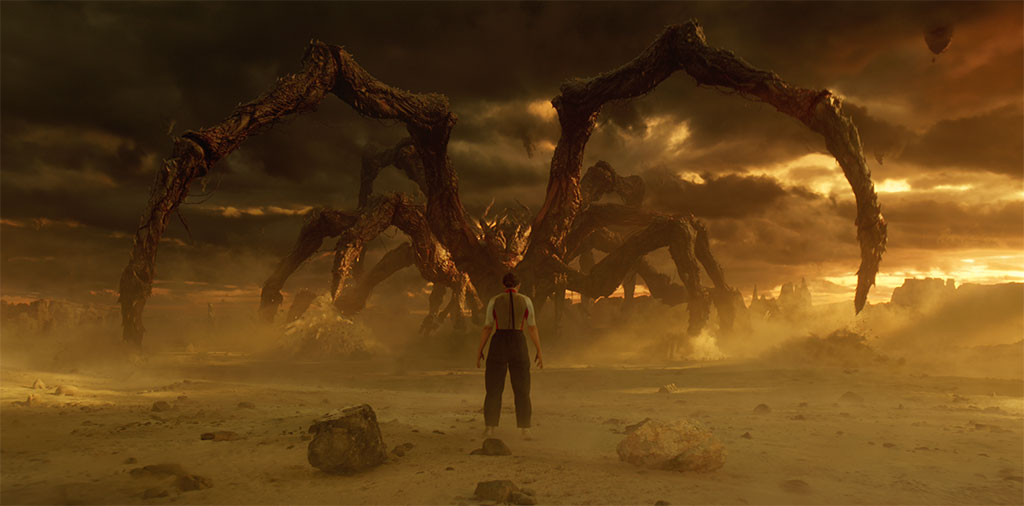
The highly anticipated final season of Netflix’s Stranger Things has concluded its epic saga with an unprecedented visual effects spectacle, pushing the boundaries of television production into feature-film territory. The conclusion sees Eleven and her allies locked in a desperate struggle against Vecna within the corrupted landscape of the Upside Down, as his demonic legions lay siege to a quarantined Hawkins. This monumental undertaking involved the creation of 5,844 visual effects shots across its eight supersized episodes, culminating in a feature-length finale, Episode 508, which alone contained a staggering 1,456 VFX shots.
A Herculean VFX Effort for the Final Outing
Released in three distinct volumes, the fifth season demanded a coordinated effort from an elite consortium of visual effects studios. Under the expert supervision of Visual Effects Supervisor Betsy Paterson, industry giants Wētā FX and Industrial Light & Magic (ILM) spearheaded the monumental task. They were supported by a formidable lineup of studios including Eyeline, The Yard VFX, Accenture Song, Rodeo FX, and BOT VFX, each contributing to the season’s ambitious visual narrative. This collaborative model, typical of large-scale cinematic productions, highlights the increasing complexity and visual ambition of premium streaming content.
Betsy Paterson, reflecting on the immense scale, remarked, "There’s an established language, but we were pushing everything much further. We’ve seen the Demogorgons for years, but this time, they had to be onscreen a lot more and do crazier things." This ambition was compounded by a tight production schedule; despite the staggered release providing an additional month for post-production, the sheer volume of work meant all aspects had to be tackled concurrently. Paterson noted the relief felt upon delivering Episode 504, which marked the halfway point and featured a significant battle sequence in the MAC-Z, a key location for the season’s escalating conflicts.
Chronology of Creation: A Year-Long Endeavor
The production cycle for Stranger Things Season 5 was an extensive commitment, with pre-production, principal photography, and post-production each spanning a full year. This elongated timeline underscored the intricate planning required for a show of this magnitude, particularly concerning its visual effects. "It’s always important to me to make sure we have the design down as early as possible; my goal during prep and the shoot is to figure out and set expectations for what these various things are going to look like and the tone of each scene," Paterson emphasized.
Early and comprehensive planning was critical. The team extensively utilized previs (pre-visualization) and postvis (post-visualization) to meticulously map out the complex set pieces. This proactive approach allowed for early identification and resolution of technical and creative challenges, ensuring that maximum time could be dedicated to refining and polishing the final product. By establishing the "intricacies of each of these crazy set pieces as early as we could," the VFX team could then focus on delivering the highest possible quality in the demanding post-production phase.
Evolving the Monsters: Demogorgons, Demodogs, and the Mind Flayer
A cornerstone of Stranger Things‘ appeal lies in its iconic creatures, and Season 5 saw these entities evolve dramatically. With each successive season, the creative team’s confidence in realizing these digital characters grew, culminating in a final season where inhibitions were shed. "You can see it in the earlier seasons that they were being more cautious with what they showed onscreen and what the creatures were asked to do," Paterson observed. "Whereas now, in the final season, it’s like, ‘We know we can do this, so let’s just go for it.’"
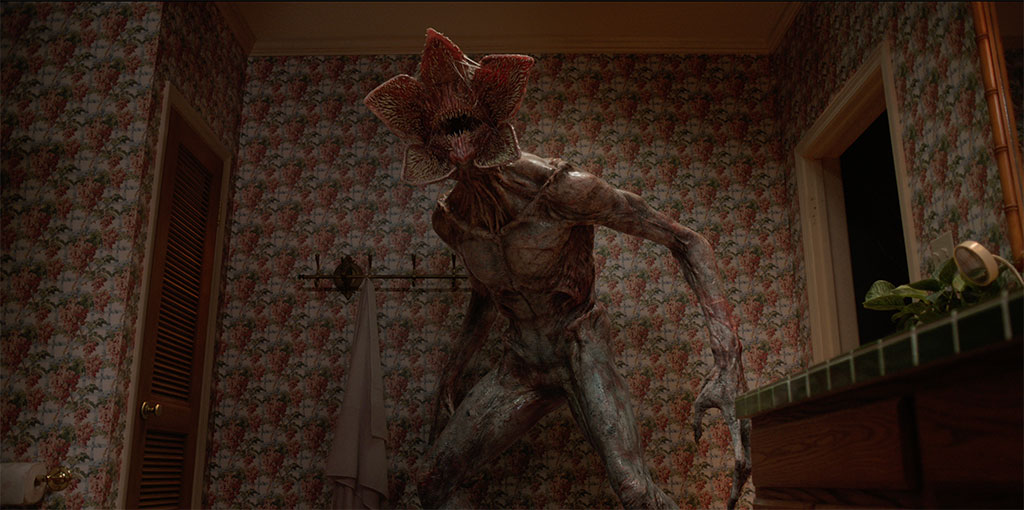
The Demogorgons, while maintaining their established "hive mindset," received individual attention. Each creature was meticulously tracked, with specific details like a scar on a "pedal" (referring to their distinct facial structure) maintained throughout its appearances, adding a subtle layer of continuity and realism. The Demodogs also underwent a significant upgrade. Starting from their existing models, Wētā FX sculpted more extreme versions, designed to be closer to human size. This deliberate choice allowed for the integration of real stuntmen performing on all fours, providing a tangible, grounded presence for the digital creatures within the live-action scenes.
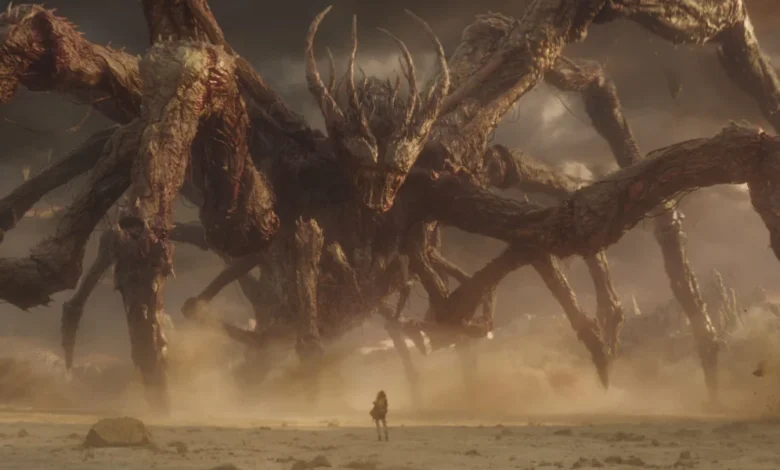
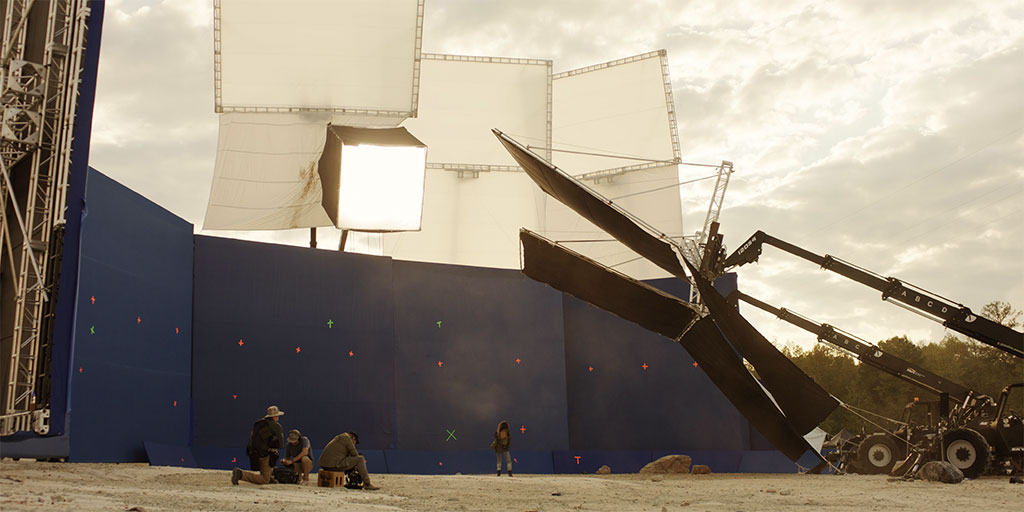
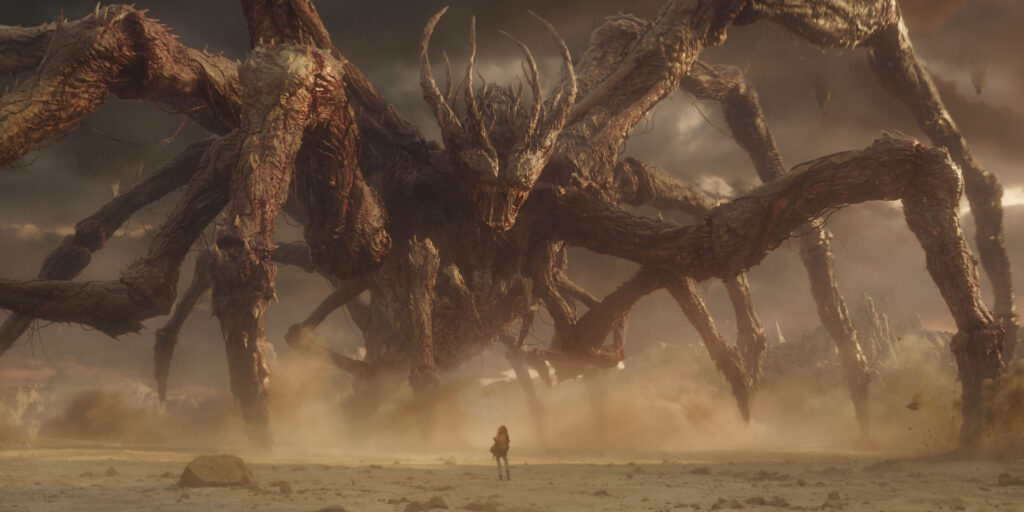
The most formidable challenge in the creature department was the kaiju-sized Mind Flayer, the colossal entity at the heart of the climactic battle. Deciding on its exact scale was a painstaking process. "It took a long time to decide exactly what size the Mind Flayer would be because he had to be as impressive as possible and as large as we could make him," Paterson explained. While initial designs considered an even larger creature, the team ultimately scaled it back to ensure it remained believable that the human protagonists could conceivably challenge and defeat it. The Mind Flayer’s design incorporated a sense of immense weight and lumbering movement, justifying how the kids could outrun it despite its overwhelming size, striking a crucial balance between awe-inspiring scale and narrative plausibility. On set, cranes were often used to provide accurate eyelines for the cast interacting with this immense digital foe.
The Upside Down: A World of Digital Creation
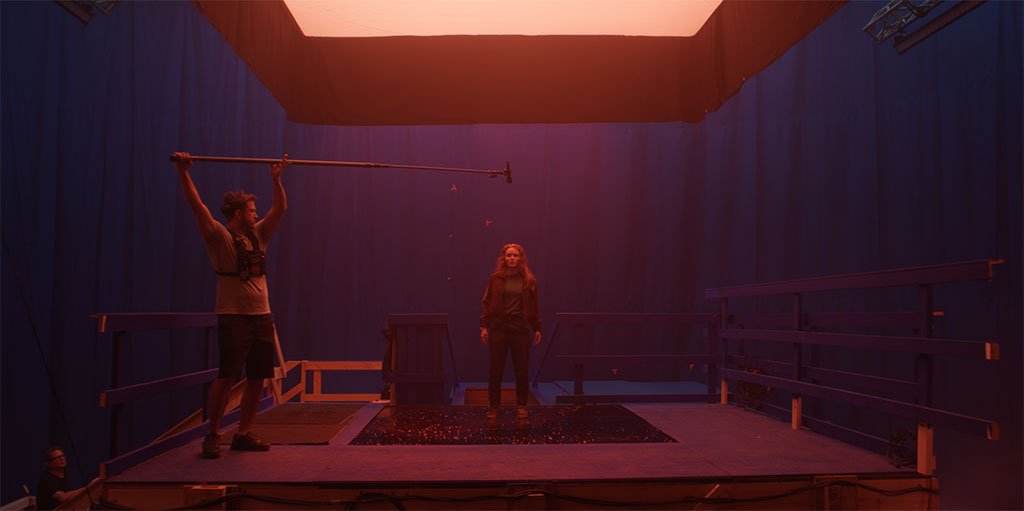
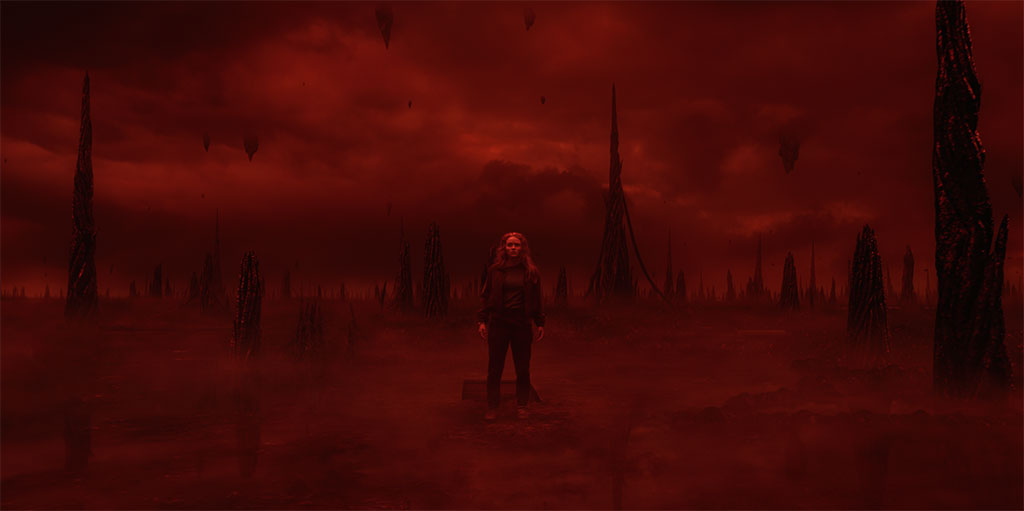
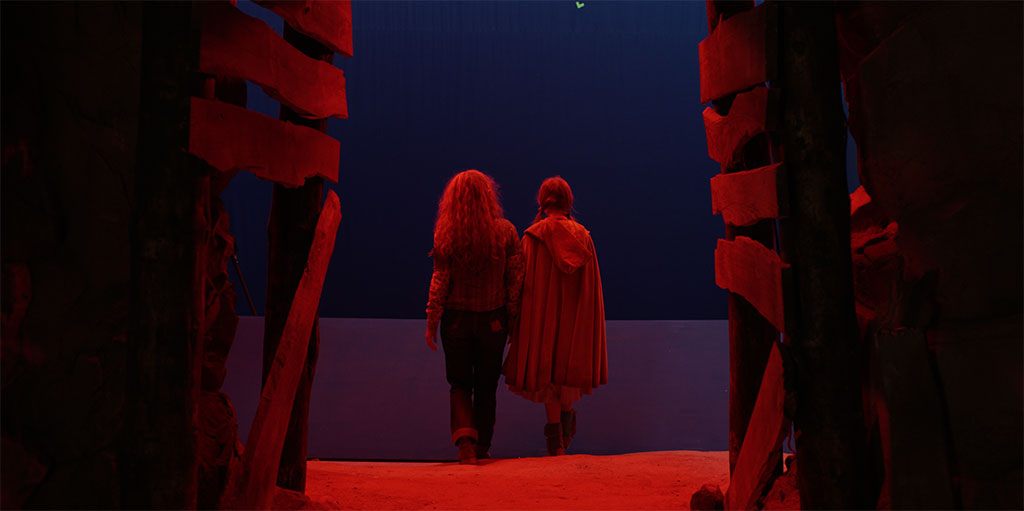
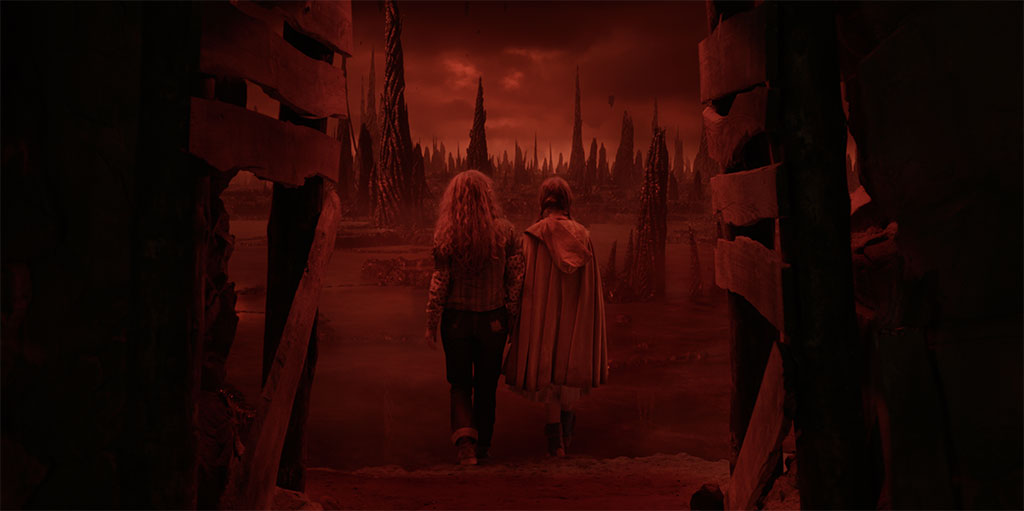
The eerie, decaying alternate dimension of the Upside Down is a character unto itself, and its depiction in the final season reached new levels of detail and complexity. While practical sets provided a foundation, the vast majority of the Upside Down’s sprawling, desolate landscapes were realized through digital set extensions. "We try to get as much real as we can, but there’s all of these long walks through the Upside Down forest, so there’s only so much practical set dressing they can do," Paterson stated. Practical vines and structures extended about 10 feet around the actors, but beyond that, the immersive environment was a testament to digital artistry.
A critical element of the Upside Down’s atmosphere is the omnipresent, floating spores. Achieving the perfect "snow globe" effect for these particulate elements proved surprisingly intricate. "The spores have to feel like you’re almost in a snow globe. They must have the perfect float," Paterson described. This involved extensive trial and error, selecting an optimal shot and then meticulously matching all other shots to it. While automated algorithms generated the initial spore fields, constant tweaking and hand-painted adjustments were necessary to prevent visual obstructions (e.g., a spore passing directly over an actor’s eye) and ensure a consistent, ethereal quality throughout the scenes. This level of granular detail underscores the immense effort invested in maintaining the Upside Down’s unique aesthetic. Extensive dust and smoke simulations were also integral to giving the Upside Down its desolate, otherworldly feel, often digitally augmented to ensure continuity against unpredictable on-set conditions like wind.
Certain environments, such as "The Abyss" in the final battle sequences and distant views of Hawkins Lab, were rendered entirely in CG, blending seamlessly with the limited practical foreground elements. Even establishing shots of Hawkins, initially captured via drone, frequently became full CG creations due to the extensive required alterations and digital augmentations.
Recreating Youth: The Unprecedented Challenge of Young Will
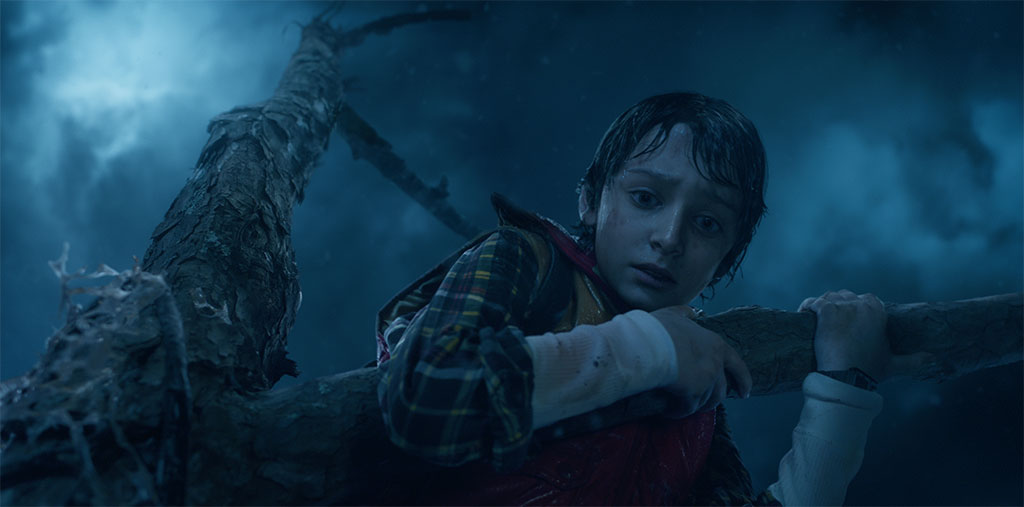
Perhaps the most technically demanding task for the VFX team was the recreation of a younger Will Byers for a pivotal opening scene. "It’s highly detailed, super close-up work of Noah Schnapp that doesn’t exist anymore," Paterson explained. Noah Schnapp, aged 22 at the time of filming, needed to appear as his 11-year-old self, a significant de-aging challenge.
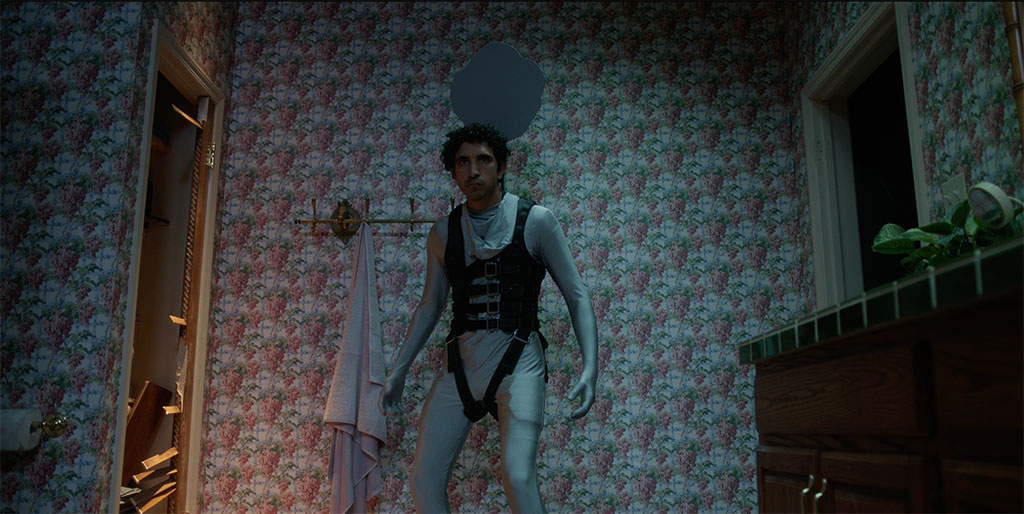
Wētā FX, renowned for its pioneering work in digital human creation, played a crucial role. They provided specialized camera equipment and advised on the casting of a stand-in, Luke Kokotek, who possessed similar features and stature to a young Noah. Kokotek performed the entire scene, with Schnapp working closely with him to guide the performance. Subsequently, Wētā FX digitally replaced Kokotek’s entire head with a de-aged version of Schnapp. The success of this technique relied heavily on capturing an extraordinary amount of witness camera data, including micro-angles from cameras attached to the main movie camera, to perfectly match every nuance of the stand-in’s performance to the digital face. This meticulous approach allowed the team to achieve an incredibly convincing digital recreation, blurring the lines between past and present for a key narrative moment.
The MAC-Z Battle: A Choreographed One-Shot Marvel
Among the season’s many highlights was an extremely complex, two-minute "oner" (single, continuous shot) depicting a chaotic battle in the MAC-Z. This sequence involved Demogorgons bursting from the ground, attacking military personnel and civilians, amidst hundreds of extras and the main cast members. "It was a oner following them through the battle and following some of the Demogorgon actions that was extremely difficult," Paterson recounted.
This ambitious shot required an extraordinary level of collaboration between the VFX team, stunts, special effects, and assistant directors. Coordinating the movement of extras, stunt performers, and the camera, while seamlessly integrating CG Demogorgons and extensive set extensions, was a monumental feat. Invisible stitches were strategically hidden, often when the camera looked up into the sky (where everything became CG) or traversed digitally augmented rooftops of buildings like the library. The team also employed subtle speed changes within the shot, carefully managing the pacing without affecting the live-action performers. Crucially, no CG stunt doubles were used; all human action was performed by real individuals, adding to the authenticity and complexity of the sequence.
Hawkins Under Siege: From Location to Backlot
For much of its run, the fictional town of Hawkins, Indiana, was brought to life in Jackson, Georgia. However, the destructive scope of Season 5 necessitated a change in approach. "For this season, we realized we’re going to be trashing this whole town, and we can’t set up shop in the middle of a real town for that long. It’s destructive to the people who live there," Paterson explained.
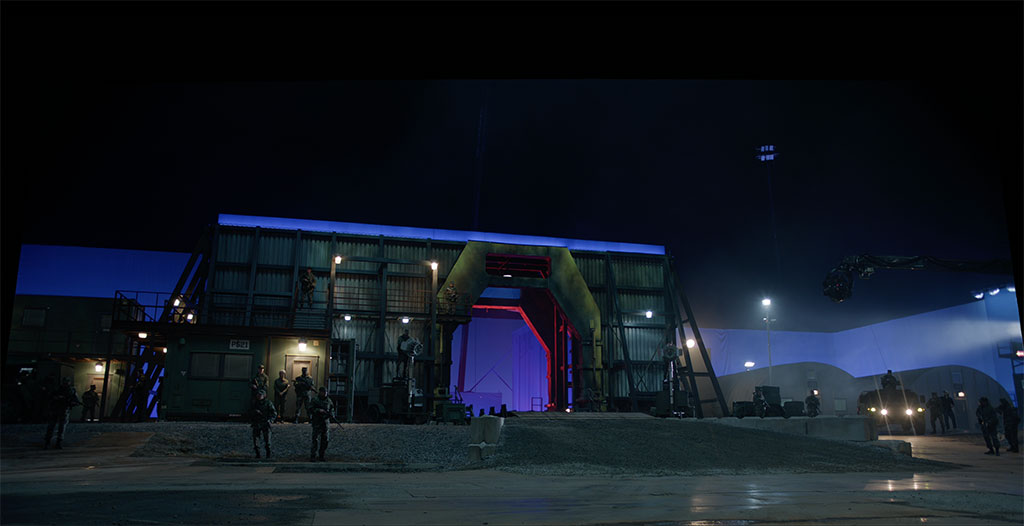
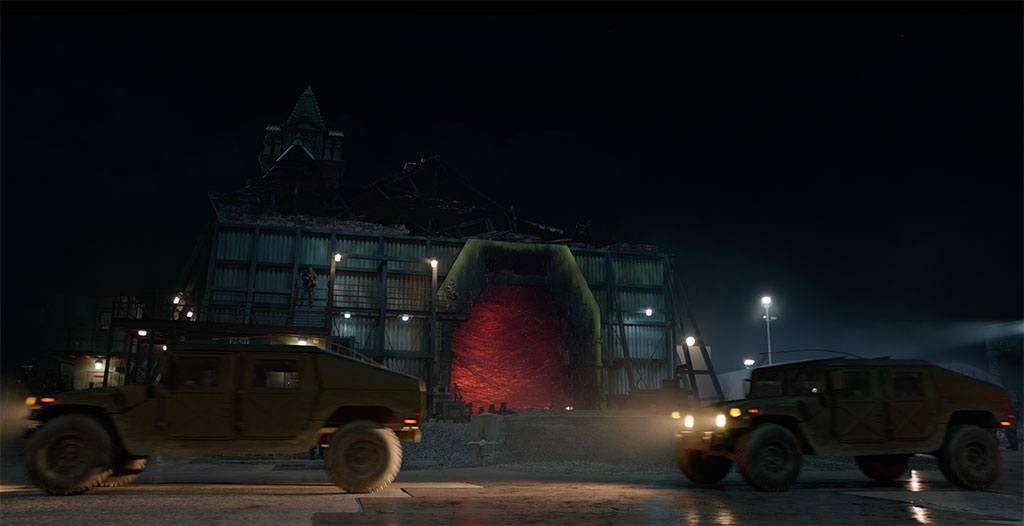
To mitigate impact on the real community, a massive backlot was constructed, meticulously replicating the central areas of Hawkins. While "Right Side Up" scenes with minimal action were still filmed in the real town, any sequence involving significant destruction—such as military base activity, the trashed library, or Demogorgons erupting from the ground—was shot on this purpose-built backlot. Buildings were constructed to a height of 15 to 20 feet, with anything above that completed digitally in post-production. This blend of practical sets and digital extensions allowed for the unprecedented level of destruction required for the series’ climax. Highly detailed assets were constructed for these destruction scenes; for instance, the Wheeler House was built with intricate interior details so that when its walls were digitally ripped away, the exposed interior appeared fully realistic.
The Scope of Digital Augmentation and Industry Implications
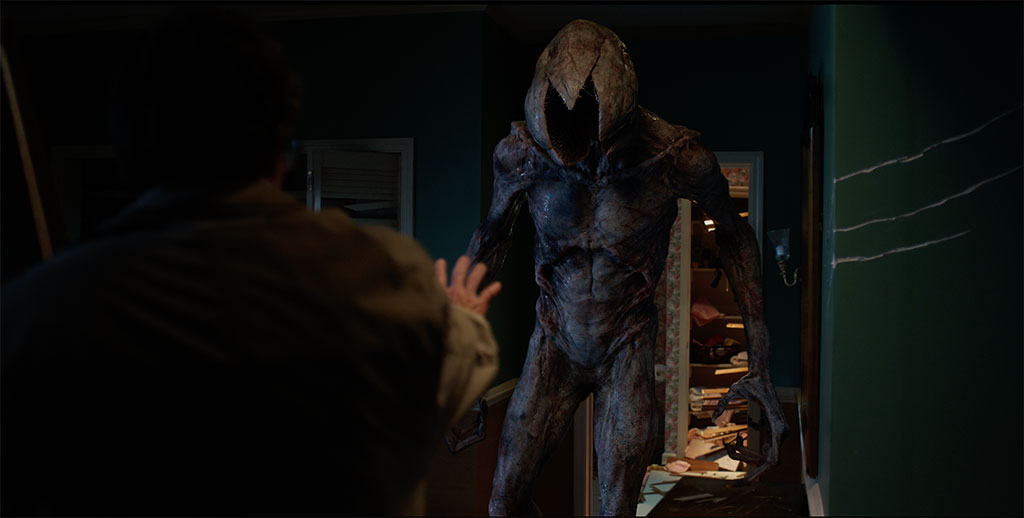
Beyond the obvious supernatural elements, Stranger Things Season 5 also featured extensive, subtle visual effects work designed to enhance realism or create environments that simply didn’t exist. "Even the real Hawkins shots ended up with quite a bit of CG that I don’t think anyone would ever be able to tell," Paterson revealed. Establishing shots, including crane movements that transitioned to wide views of the town and kids riding bikes, often involved significant digital landscaping to create a cohesive, believable world.
The creation of "twelve hours of content" for this final season represents a colossal achievement in episodic television. The MAC-Z battle and the ultimate confrontation with Vecna served as the visual centerpieces, showcasing the culmination of years of technical and creative development. The project also allowed for moments of "happy accidents," as animators injected personality and "tiny moments" into creature performances, particularly in the Demodog scenes, further enriching the visual tapestry.
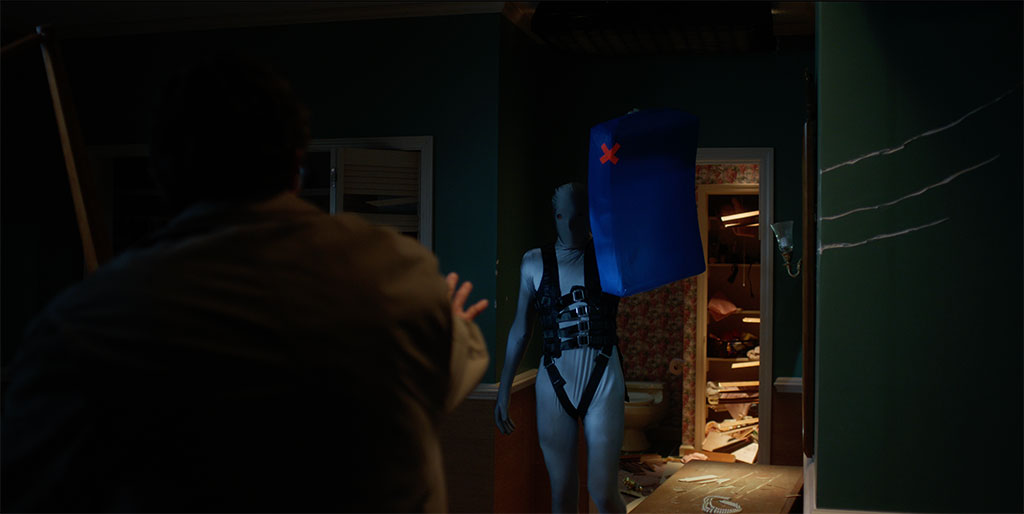
The monumental visual effects effort in Stranger Things Season 5 underscores a significant trend in television production: the increasing convergence of cinematic quality and episodic storytelling. With shot counts and complexities rivaling major blockbuster films, series like Stranger Things are redefining audience expectations for visual fidelity and immersive world-building on the small screen. This not only demands extraordinary talent and coordination from VFX studios worldwide but also signifies substantial financial investment from streaming platforms like Netflix, keen to deliver premium, high-impact content. The final season stands as a testament to what is possible when creative vision meets cutting-edge visual effects technology, leaving an indelible mark on the landscape of modern television.