The highly anticipated Marvel Cinematic Universe (MCU) series Wonder Man, now streaming on Disney+ as of May 5, 2026, marks a significant entry in the expanding digital landscape of superhero storytelling. This eight-episode series, co-created by Destin Daniel Cretton (Shang-Chi and the Legend of the Ten Rings) and Andrew Guest, delves into a uniquely meta narrative, following struggling actors Simon Williams (Yahya Abdul-Mateen II) and Trevor Slattery (Sir Ben Kingsley) as they forge an improbable alliance while auditioning for a remake of the titular hero’s own film within the MCU. The ambitious visual effects for Wonder Man, crucial to realizing both the series’ comedic and action-packed moments, were primarily spearheaded by Base FX, a renowned visual effects and animation studio, under the meticulous supervision of Marvel Studios Visual Effects Supervisor John Haley (Echo). Base FX, with an impressive portfolio including Sinners, Thunderbolts and the upcoming Avengers: Doomsday, took on the colossal task of defining the aesthetic of superhuman abilities and large-scale environmental destruction, completing over 300 intricate shots within a challenging 10-month production window.
A Meta-Narrative Rooted in VFX Innovation
The Wonder Man series distinguishes itself within the MCU by embracing a self-aware, meta-fictional premise. Simon Williams, a character from Marvel Comics known for his ionic energy powers and his career as an actor and stuntman, finds himself navigating the cutthroat world of Hollywood. The series cleverly plays on this comic book history by depicting him auditioning for a movie about himself. This narrative layer required visual effects that could not only deliver traditional superhero spectacle but also subtly enhance the comedic and character-driven aspects of the story. The unexpected pairing of Simon Williams with Sir Ben Kingsley’s Trevor Slattery, a character beloved for his theatricality and past misadventures in Iron Man 3 and Shang-Chi and the Legend of the Ten Rings, further emphasized the series’ unique tone. Slattery, a disgraced actor who previously posed as the Mandarin, brings a veteran’s perspective to the struggling Simon, creating a dynamic that necessitated VFX work capable of blending heightened reality with moments of grounded human emotion.
Shad Davis, Executive Producer at Base FX, highlighted the studio’s initial excitement about the project. "When I originally spoke to Marvel about the project, we were excited about the opportunity to work with John Haley [Marvel Studios Visual Effects Supervisor] and his team in creating the look and design of Simon’s and DeMarr’s powers," Davis stated. He further elaborated on the intrigue surrounding Simon Williams, particularly how the character’s initial suppression of his powers, to maintain secrecy, would inform the visual effects. This challenge meant the VFX had to evolve dynamically, mirroring Simon’s journey as his abilities grew stronger and more defined throughout the series. This creative brief set a high bar for Base FX, requiring a flexible and innovative approach to visual development.
Early Integration and Collaborative Synergy

Marvel Studios’ decision to bring Base FX into the production process at an early stage proved instrumental in the successful execution of the visual effects. This proactive engagement allowed the VFX team to conduct crucial technical tests and evaluate various creative approaches even before principal photography concluded. Wang Lei, Visual Effects Supervisor at Base FX, emphasized the critical role of pre-production visualization. "Concept art, previs and postvis played an important role in the development of several key effects," Lei explained. "During early production, we worked with Marvel to test different approaches for Simon’s skin fluctuation effect and the way his energy interacts with surrounding objects. These early tests helped inform the production team’s shooting strategy and technical planning."
This iterative process, involving extensive concept art and postvis, was particularly beneficial for effects such as Simon’s eye energy and DeMarr’s teleportation ability. By quickly generating and presenting diverse visual options, the creative team at Marvel and Base FX could establish a clear and unified direction early on, streamlining subsequent production phases. Lei further noted the efficiency gains from this early collaboration: "Having that alignment early on made the later stages of production much more efficient." For instance, testing 2D distortion techniques on live-action plates for Simon’s energy interaction with the environment allowed the teams to assess feasibility, complexity, and cost considerations, providing valuable insights that significantly optimized the post-production workflow.
As the primary visual effects vendor, Base FX assumed comprehensive responsibility for the look development and final delivery of Simon’s and DeMarr’s power sets, alongside all heavy effects-based sequences. This centralized approach ensured robust creative continuity across all visual effects, particularly for the evolving nature of Simon’s powers and their environmental impact. This also minimized the communication overhead typically associated with projects involving multiple vendors, leading to faster feedback cycles and more efficient implementation of notes from the director, producers, and the Marvel team. The collaborative spirit fostered by this early integration and singular vendor focus allowed for a seamless creative flow, which is often a challenge in large-scale episodic productions.
Crafting Superhuman Abilities: Simon Williams’ Ionic Powers
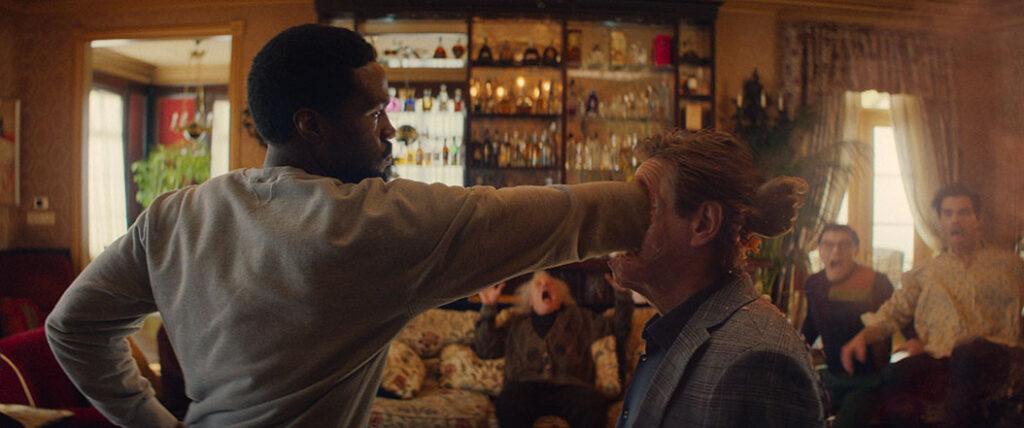
A core creative and technical challenge was the visualization of Simon Williams’ ionic energy powers. The objective was to ground these abilities in a sense of physical realism, rather than portraying them as purely magical. This required meticulous attention to detail in depicting energy fluctuations, environmental interactions, and the subtle manifestation of power.
Wang Lei elaborated on the research and development behind Simon’s energy effects: "We studied a wide range of vibration and waveform references, experimenting with different wave patterns and layered textures. This research helped us design the fluctuating energy patterns that appear across Simon’s body and interact with the surrounding environment." The skin ion fluctuation effect, a key visual element, demanded precise control over wave amplitude, frequency, and layering. Different areas of the body received tailored treatments; for example, areas near bones and joints featured more subtle movements, while softer areas allowed for stronger fluctuations, enhancing the physical believability of the energy propagation.

Simon’s eye energy effect presented another nuanced challenge. The creative direction aimed for a noticeable yet understated visual, one that would convey power without detracting from Yahya Abdul-Mateen II’s facial performance. "The energy needed to be noticeable enough for the audience to perceive that something was happening, while remaining subtle enough that it would not distract from the actor’s facial performance," Lei explained. This required a delicate balance, achieved through careful integration and refinement in compositing, to ensure the effect felt intrinsic to the character rather than an overlay.
Beyond Simon himself, the interaction of his energy with the surrounding environment was crucial for establishing the scale and impact of his powers. This included effects such as vibrating walls, shaking picture frames, rippling liquids in glasses, and the subtle movement of small objects. "The challenge was creating these interactions across many environmental elements within a limited production timeframe," Lei noted. To manage this efficiently, Base FX employed a hybrid approach, combining 2D distortion techniques for broader environmental effects with selective 3D replacements for objects requiring more complex physical interaction or destruction.
Engineering Destruction and Dynamic Impacts
Wonder Man features several high-impact sequences that showcase the destructive potential of Simon’s powers, demanding sophisticated simulation and compositing work. The destruction of a kitchen island and a recording studio explosion were among the most prominent.

For the kitchen island sequence, the goal was a physically believable destruction simulation directly driven by Simon’s energy waves. Lei detailed the process: "We replaced the practical table and surrounding objects with CG assets and simulated the destruction in 3D. The motion of the fragments was influenced by the underlying energy patterns to visually connect the destruction with Simon’s powers." This meticulous connection between the character’s abilities and the environmental response ensured a cohesive and impactful visual narrative.
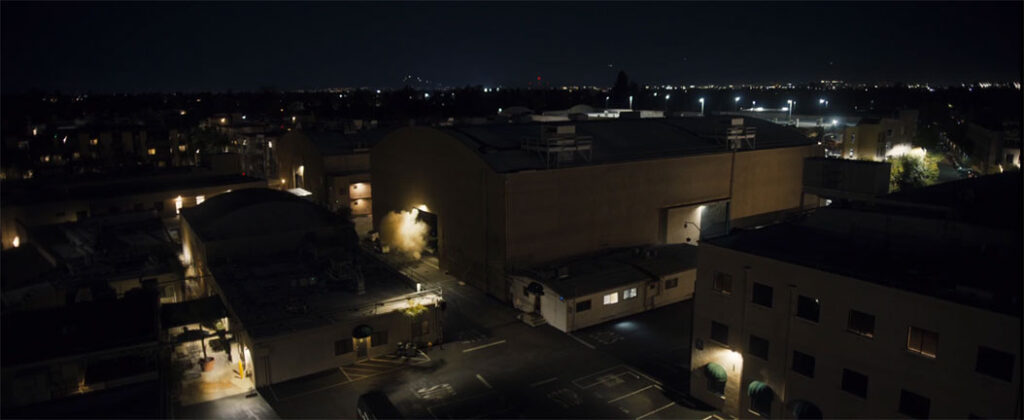
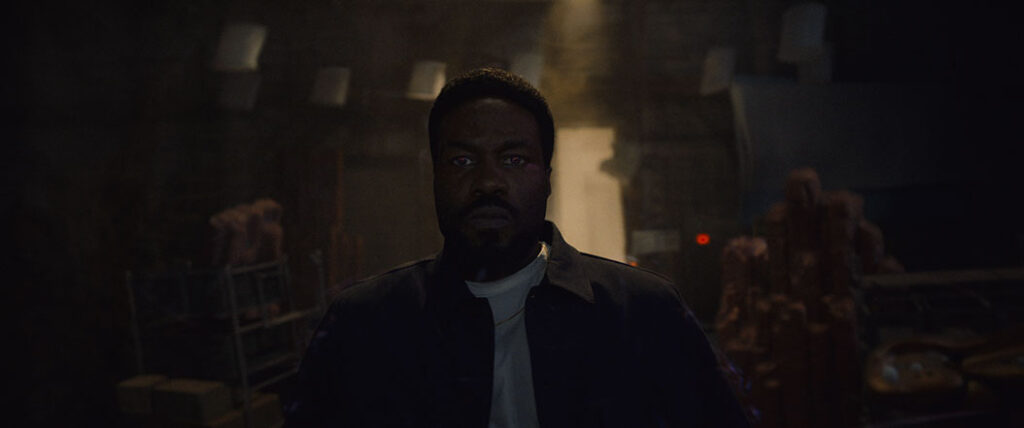
The recording studio explosion, particularly a shot where Simon walks towards the camera amidst the chaos, was identified as the most complex shot to execute. This scene required precise coordination of Simon’s evolving energy with the environmental dynamics. As his energy intensified from a subtle tremor to a full explosion, surrounding objects had to respond accordingly – trembling lightly, moving outward, breaking apart, and finally dissipating into dust and debris at the energy’s peak. Lei recounted the extensive work involved: "During filming, there were already practical props in the background, but we needed to link all of these objects to Simon’s energy waves. As a result, every practical element in the scene had to be cleaned up and re-added, with appropriate vibrations applied." This often involved using 3D projection models for motion simulation and CG replacement for foreground elements to account for rotational and perspective changes during the shakes. The sheer volume of elements and the precise synchronization required made this sequence exceptionally labor-intensive, underscoring Base FX’s commitment to intricate detail.
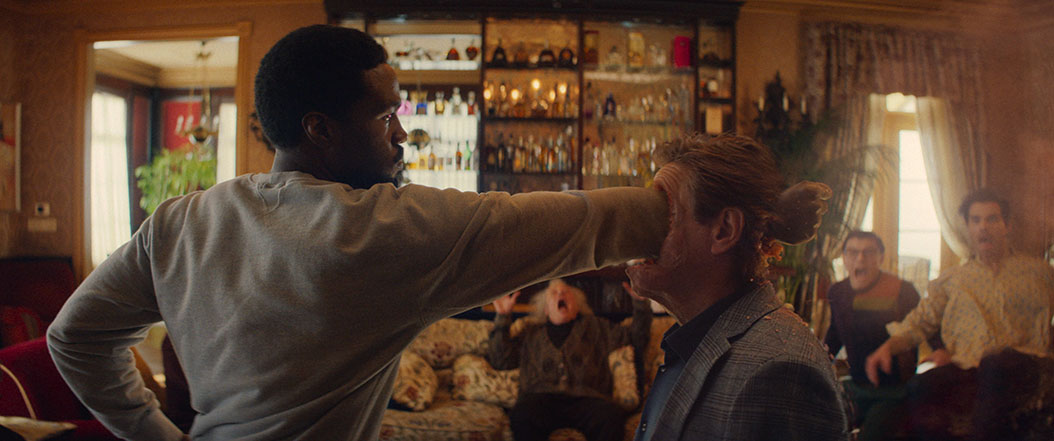
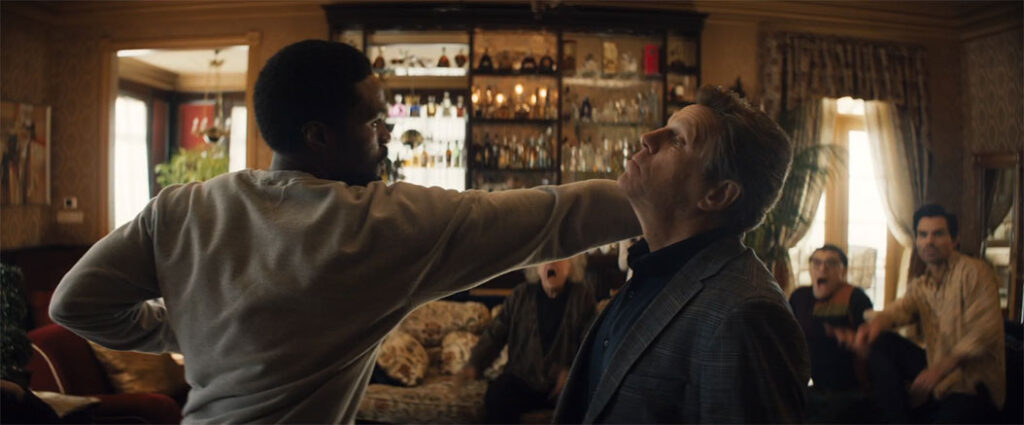
Another standout sequence involved a hand being pushed through an actor’s face, a visceral moment designed to elicit a strong audience reaction. Lei revealed that "most of these shots were achieved by compositing multiple live-action elements." The Marvel team provided various plates that Base FX combined, focusing on precise alignment in timing, spatial position, and perspective to ensure a natural appearance. Color consistency was paramount, and the addition of CG debris and dust interacting with the characters further enhanced the physical impact and believability of the brutal encounter.
DeMarr’s Teleportation and Unsung VFX

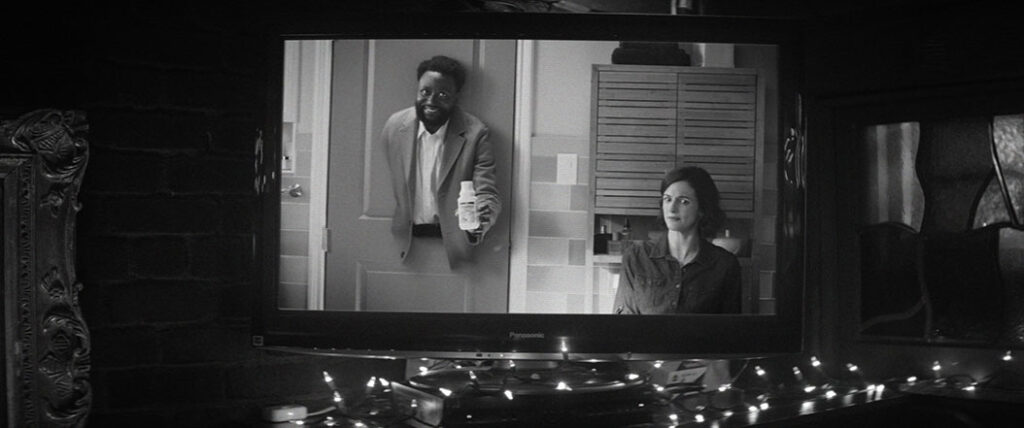
The series also features DeMarr Davis’s teleportation ability, which heavily relied on sophisticated compositing techniques. "Multiple layers were filmed on set and later combined in post-production to create the transition," Lei explained. The primary challenge was to ensure that the spatial transformation felt volumetric and physically consistent. Base FX utilized 3D geometry to guide the compositing process, maintaining proper occlusion relationships between elements to create a seamless and believable effect that transports the character instantaneously while maintaining visual integrity. Lei also mentioned a personal favorite sequence involving DeMarr being pulled into a surreal void by a black liquid before returning to reality, showcasing the team’s ability to blend CG portals, animated liquid simulations, and environmental transitions to enhance storytelling.
Beyond the prominent power displays and destruction, Base FX also contributed significantly to the series’ overall realism through subtle, often unnoticed visual effects. Lei highlighted instances such as DeMarr pulling an envelope and a skull from inside his coat, where props were created using a combination of CG replacements and composited practical elements. These "invisible effects" play a crucial role in maintaining narrative consistency and grounding the fantastical elements within the established reality of the MCU. Atmospherics, like dust particles subtly reacting to Simon’s energy waves in medium and close-up shots, were also critical in enhancing the physical believability of his powers.

Optimized Workflow and Overcoming Challenges
The production timeline for Wonder Man was approximately 10 months, during which Base FX delivered over 300 complex shots. A significant portion of the initial months was dedicated to look development, a testament to the intricate nature of the visual effects required. Shad Davis acknowledged the initial setup as the biggest challenge: "The biggest challenge was setting up the show quickly to make sure we didn’t waste any valuable time given the schedule requirements and the amount of look development and shot work needed in the creation of the show’s overall visual effects look and design." Despite this, the partnership with John Haley and the Marvel team was described as "very smooth."
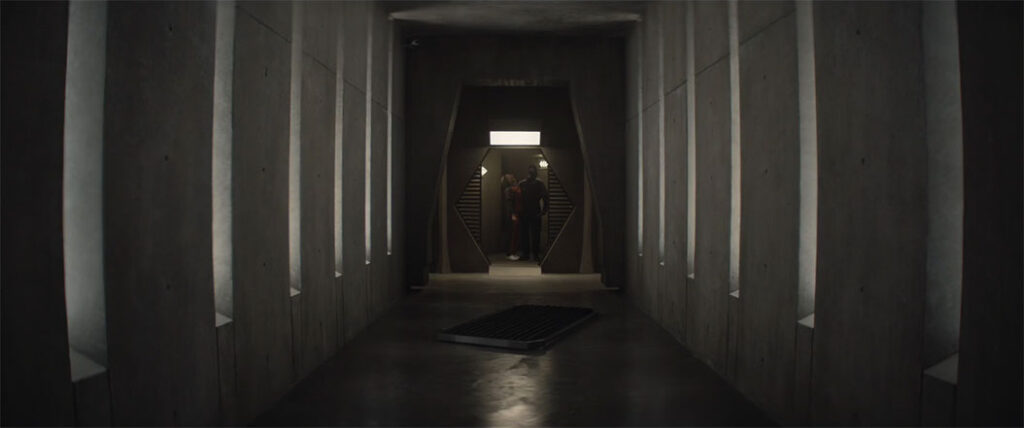
Base FX’s Los Angeles team played a crucial role in managing client reviews, effectively bridging the time zone difference with their Beijing-based production team. This operational efficiency ensured continuous feedback and rapid iteration, vital for a project with evolving creative requirements. Lei elaborated on their technical focus: "Technically, we focused on optimizing our workflow so we could generate multiple look-development options quickly." By establishing testing pipelines and development processes early, the team could concentrate on refining effects once full production commenced. The ability to identify and work on "hero shots" and key sequences early in the testing process, such as the kitchen island destruction, Simon’s skin effects, and environmental interactions, allowed for iterative adjustments and precise look development, ensuring filmmakers’ visions were met.
The successful delivery of Wonder Man‘s visual effects is a significant achievement for Base FX. "Lei and the team successfully managed and delivered on all fronts, a huge achievement for BaseFX," Davis proudly stated. This project not only showcases the studio’s technical prowess but also their capacity to handle the demanding schedules and high creative standards of Marvel Studios, especially within the rapidly evolving landscape of episodic content.
Implications for the MCU and VFX Industry
The visual effects work in Wonder Man underscores several key trends within the MCU and the broader VFX industry. The increasingly sophisticated quality of episodic television VFX, often rivaling that of feature films, highlights the growing budgets and creative ambition for streaming platforms like Disney+. Wonder Man‘s meta-narrative, requiring VFX that are both spectacular and subtly integrated into character development, pushes the boundaries of how visual effects serve storytelling.

Base FX’s role as the primary vendor for such a significant Marvel series solidifies its position as a major player in the global visual effects arena. Their ability to manage complex look development, integrate practical and CG elements seamlessly, and deliver a high volume of quality shots under tight deadlines speaks volumes about their capabilities. The emphasis on "physical realism" for Simon Williams’ powers also reflects a broader trend in superhero media to ground fantastical abilities in believable, albeit heightened, scientific or physical principles, making characters more relatable and their struggles more impactful.
As the MCU continues to expand across cinematic and television formats, the seamless collaboration between studios like Marvel and dedicated VFX partners like Base FX will remain paramount. The successful realization of Wonder Man‘s unique vision, from its self-aware narrative to its intricate power displays and destructive sequences, serves as a testament to the continuous innovation and artistry driving the visual effects industry forward. The series not only entertains but also subtly educates audiences on the evolving craft of visual storytelling, where every ripple, tremor, and explosion is meticulously designed to support the narrative.
Related posts: