Image-Line Unveils FL Studio 2026 Featuring AI-Driven Gopher Assistant and Enhanced Cloud Integration

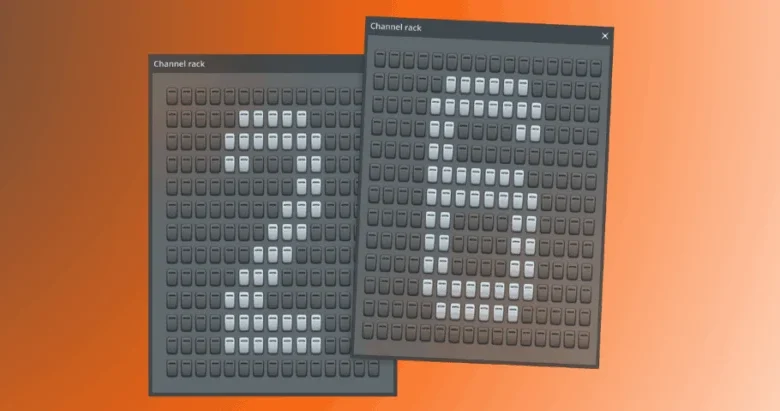
On July 8, 2026, Image-Line officially launched FL Studio 2026, the latest iteration of its flagship digital audio workstation (DAW). This release continues the company’s long-standing tradition of providing "Lifetime Free Updates" to existing license holders, a policy that has remained a cornerstone of the brand’s identity since its inception. While the 2026 update does not hinge on a single "hero" feature, it introduces a comprehensive suite of enhancements designed to refine project management, optimize sound design workflows, and integrate advanced cloud-based security measures.

The release marks a significant milestone in the software’s evolution, moving beyond simple feature additions toward a more holistic, ecosystem-driven approach. By focusing on the reduction of technical friction, Image-Line aims to keep producers within the "creative flow" for longer periods. Key highlights include a complete redesign of the FLEX synthesizer, the introduction of encrypted cloud backups via FL Cloud, and a substantial expansion of Gopher, the DAW’s built-in workflow assistant.
The Evolution of the Image-Line Ecosystem
The launch of FL Studio 2026 arrives at a time when the digital audio workstation market is increasingly competitive. Competitors like Ableton Live, Logic Pro, and Bitwig Studio have all recently integrated various forms of machine learning and cloud-based collaboration tools. Image-Line’s response is a balanced strategy that prioritizes user privacy and workflow efficiency without forcing a transition to a full subscription model for the DAW itself.

The "Lifetime Free Updates" policy remains a significant market differentiator. For over two decades, Image-Line has provided major version upgrades at no additional cost to its users, a rarity in an industry where many software developers have moved toward annual paid updates or mandatory subscriptions. FL Studio 2026 reinforces this value proposition while simultaneously building out the optional FL Cloud service to provide modern, recurring-value features such as sample libraries and automated mastering.
FL Cloud and the Security of Creative Intellectual Property
One of the most practical additions in the 2026 update is the integration of Project Backup through FL Cloud. This feature addresses a perennial pain point for music producers: the risk of data loss due to hardware failure, file corruption, or accidental overwriting. Unlike generic cloud storage solutions, FL Studio’s integrated backup system is designed to handle the specific complexities of DAW project files, including plugin states and internal routing configurations.

Security and privacy are central to this new implementation. Image-Line has emphasized that all backups are fully encrypted and kept private. In a move that addresses growing concerns within the creative community regarding artificial intelligence, the company explicitly stated that user project data is not utilized to train AI systems. This commitment to data integrity is likely a response to the broader industry backlash against companies that have repurposed user content for machine learning without explicit consent.
The storage capacity for these backups is tiered based on the user’s FL Cloud plan:

- Free Tier: 500 MB of storage, providing a basic safety net for smaller projects.
- Plus Tier: 5 GB of storage, suitable for active producers with multiple ongoing sessions.
- Pro Tier: 1 TB of storage, catering to professional environments and large-scale orchestral or multitrack recordings.
The Gopher Assistant: Bridging AI and Workflow
The expansion of Gopher, FL Studio’s built-in assistant, represents Image-Line’s vision for "helpful AI" rather than "generative AI." While some DAWs focus on generating melodies or drum patterns, Gopher is designed to handle the administrative and technical labor that often interrupts the songwriting process.
In the 2026 release, Gopher’s capabilities have shifted from purely informational to actionable. Users can now command the assistant to perform complex tasks within the project environment, such as:

- Organizing and naming tracks based on content.
- Routing multiple mixer channels to buses or sub-mixes.
- Adjusting gain levels and plugin parameters via natural language-style queries.
- Generating specific Piano Roll content based on user-defined constraints.
This move mirrors the recent introduction of "Extensions" in Ableton Live, but Gopher remains deeply integrated into the core FL Studio interface. For novice users, Gopher serves as an interactive tutor, highlighting specific parts of the interface to guide them through complex workflows. For power users, it acts as a macro-based efficiency tool, automating repetitive routing tasks that would otherwise take several minutes of manual clicking.
FLEX: A Redesign for the Modern Producer
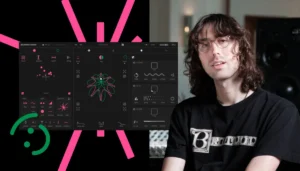
The FLEX instrument, which has become a staple of the FL Studio sound palette since its debut in 2019, has received its first major overhaul in the 2026 update. The redesign focuses on two main areas: browsing efficiency and engine performance.

The new FLEX browser allows for a more granular search experience. Producers can now search across all installed sound packs simultaneously, using filters for genre, instrument type, and sonic characteristics. This is a significant improvement over the previous linear browsing system, which could become cumbersome as a user’s library grew.
Technically, FLEX 2026 introduces a redesigned engine optimized for modern multi-core processors. This update is intended to reduce the overall CPU footprint of the plugin, allowing for more instances of FLEX to be used in high-track-count projects without triggering audio dropouts or performance bottlenecks. To celebrate the launch, Image-Line included the "Core Series," a collection of eight new free sound packs available to all license holders, regardless of which edition of the DAW they own.

Innovative Plugins and Sound Design Tools
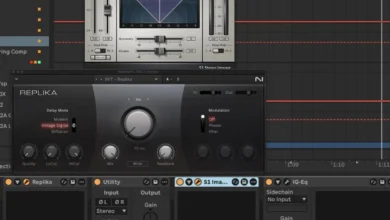
FL Studio 2026 introduces "Transmitter," a sophisticated audio processing plugin included with the All Plugins Edition. Transmitter utilizes transient-sustain decomposition technology to split audio signals into two distinct components: the initial "hit" (transient) and the following "body" (sustain).
This technology allows for a level of mix control that was previously difficult to achieve with standard EQ and compression. For example, a producer can apply heavy distortion to the sustain of a bass guitar without losing the clarity of the initial string pluck, or add reverb only to the transients of a vocal track to create a rhythmic ambient effect.

Furthermore, the Loop Starter feature has been significantly expanded for FL Cloud subscribers. This tool provides a vast library of royalty-free loops and one-shots that are automatically synced to the project’s tempo and key. The 2026 update adds thousands of new assets across emerging genres like Amapiano, Phonk, and Hyperpop, ensuring the DAW remains relevant to contemporary music trends.
Workflow Refinements and Technical Enhancements
Beyond the major feature updates, FL Studio 2026 includes several "quality of life" changes aimed at professional session work:

- Real-time Note and Chord Detection: The Piano Roll now features a live detection engine that identifies chords as they are played or programmed, providing immediate visual feedback for music theory applications.
- Audio Clip Gain Controls: Individual audio clips on the playlist now feature integrated gain handles, allowing for quick volume adjustments without the need to open the mixer or automate a fader.
- Audio Logger: A new background utility that captures the last 60 seconds of the master output. This ensures that if a producer is "noodling" on a keyboard and accidentally creates something brilliant without hitting record, the audio can still be recovered.
- Custom Labels: The Piano Roll now supports custom labels for notes, which is particularly useful for mapping drum kits or non-standard MIDI controllers.
Industry Impact and Competitive Analysis
The release of FL Studio 2026 underscores a broader trend in the music production industry: the shift from "tools" to "workspaces." As the barrier to entry for music production continues to lower, DAWs are increasingly judged on how well they assist the user in navigating complex software.
Image-Line’s decision to focus on Gopher and Cloud Backup suggests they are targeting the "bedroom-to-pro" demographic—users who may not have a professional IT background but require professional-grade data security and workflow efficiency. By keeping the core DAW update free, Image-Line maintains the loyalty of its massive user base, which is estimated to be in the millions worldwide, particularly dominant in the hip-hop, trap, and EDM communities.

Market analysts suggest that the integration of encrypted cloud backups is a direct challenge to subscription-based DAWs. If a user can get "Pro" level cloud features while keeping their "Lifetime Free" license, the incentive to switch to a monthly payment model for a competitor’s software decreases significantly.
Future Outlook
Image-Line has indicated that FL Studio 2026 is just the beginning of a new phase of development. The company plans to use community feedback to further refine Gopher’s capabilities and expand the FL Cloud ecosystem. As music production becomes more collaborative and mobile, the infrastructure built into the 2026 release—specifically the cloud integration and the assistive AI—will likely serve as the foundation for future updates.

Producers can download the FL Studio 2026 update immediately through the Image-Line website. As per the company’s long-standing policy, the installation will automatically detect existing licenses, granting users full access to the new features without requiring further payment. This update reaffirms FL Studio’s position as one of the most accessible yet powerful platforms in the modern recording landscape.
Related posts: