The Genesis and Technical Evolution of Billy Joels Pressure A Deep Dive into The Nylon Curtains Synthetic Masterpiece

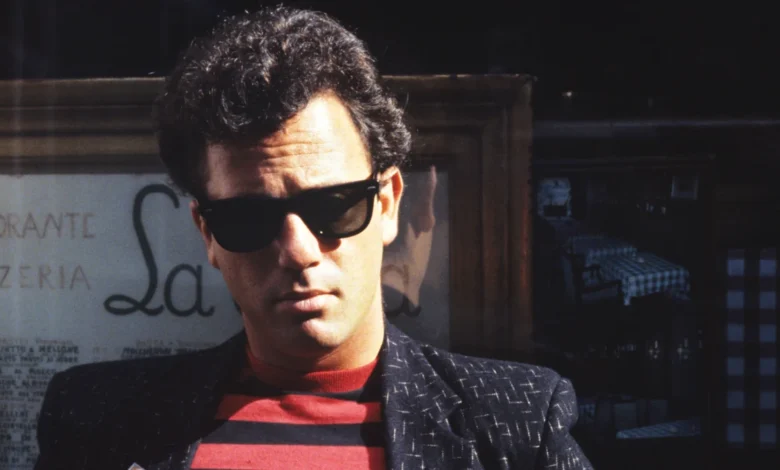
The career of Billy Joel has long been defined by his mastery of the acoustic piano and his ability to craft narratives that resonate with the American middle class. By the early 1980s, Joel had established himself as a titan of the industry, fueled by the massive success of albums like The Stranger (1977), 52nd Street (1978), and Glass Houses (1980). However, as he transitioned into the recording sessions for his eighth studio album, The Nylon Curtain, the prolific songwriter hit an unexpected and formidable wall: a severe case of writer’s block. The resolution of this creative crisis would not only produce one of his most distinctive hits, "Pressure," but would also signal a significant shift in his sonic palette, incorporating emerging synthesizer technology and avant-garde recording techniques that challenged his "Piano Man" persona.
The Creative Stagnation of 1981
By 1981, Billy Joel was facing the immense weight of his own legacy. Having released seven studio albums in less than a decade, the well of inspiration had momentarily run dry. Joel later described this period as one of intense internal struggle, where the expectation to produce another "hit" became a self-fulfilling prophecy of paralysis. Unlike his previous works, which often drew from personal experiences or character sketches, the songs for The Nylon Curtain were intended to be more ambitious, reflecting the socio-political climate of the Reagan-era United States.
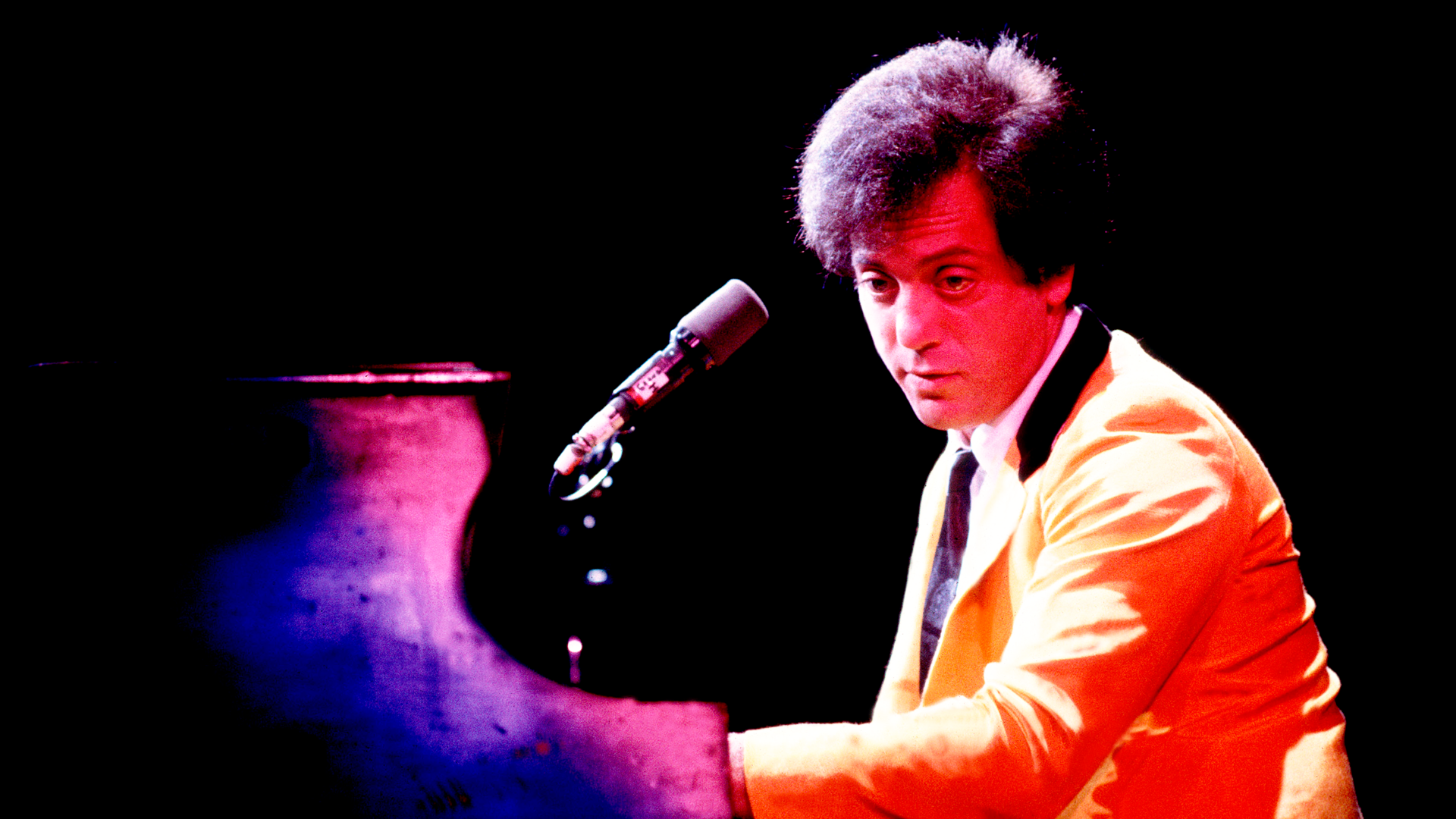
The breakthrough for the album’s most frantic track came from a mundane interaction. While Joel sat in his home studio, frustrated by his inability to generate new material, his secretary entered the room. Observing his visible distress, she remarked on the "pressure" he seemed to be under and suggested it as a song topic. This "throw-away" comment acted as a catalyst. Joel realized that the very anxiety preventing him from writing was the most authentic subject he could explore. This meta-approach—writing a song about the inability to write—resulted in a track that captured the frantic, high-stakes atmosphere of the early 80s professional and creative worlds.
A Sonic Pivot: From Grand Piano to the Emulator
While the piano remained Joel’s primary instrument, The Nylon Curtain saw him and long-time producer Phil Ramone venturing into the burgeoning world of digital sampling and synthesis. This was a period of rapid technological change in the music industry. The Fairlight CMI and the New England Digital Synclavier were beginning to appear in high-end studios, but Joel turned to the E-mu Emulator I, one of the first relatively portable and "affordable" samplers.
The use of the Emulator allowed Joel to move beyond traditional instrumentation. On "Pressure," the dominant sound is not the warm resonance of a Steinway, but the cold, percussive stabs of synthesized brass and layered electronic textures. Phil Ramone, known for his innovative approach to sound engineering, encouraged Joel to experiment with the "industrial" sounds that were beginning to define the New Wave movement. This experimentation is evident in other tracks on the album as well, such as "Allentown," which famously used sampled sounds of a steel mill to provide a rhythmic foundation, grounding the song in the gritty reality of the working class.
The Music Theory of Anxiety
"Pressure" is a masterclass in using music theory to evoke a specific emotional state. The song is characterized by its restless movement between D major and D minor tonalities. The introduction and verses are anchored in D major, providing a deceptive sense of stability, though the rhythm remains agitated. However, when the song hits the iconic chorus riff, it shifts into D minor, creating a darker, more urgent atmosphere.
The signature synth-brass riff is built upon a "tonic pedal," a compositional device where the bass note (D) remains stationary while the chords above it shift. This creates a sense of "grinding" or tension, as the upper harmonies clash and resolve against the unwavering bass. Joel, a devotee of classical music, drew inspiration from the Baroque era for this riff. The rapid-fire sequences in thirds are reminiscent of Antonio Vivaldi’s violin concertos, specifically The Four Seasons. By blending these classical structures with modern synthesizers, Joel created a sound that felt both timeless and aggressively contemporary.
The rhythmic structure further contributes to the song’s titular feeling. Much of the track utilizes a "halftime" feel, where the drummer places the snare hit on the third beat of the measure rather than the traditional second and fourth. This creates a dragging, heavy sensation, as if the song itself is struggling under a weight. As the song approaches the chorus, the drumming shifts to a standard time, acting as a "tempo-based crescendo" that mimics a heart rate accelerating under stress.
Studio Innovation and the "Happy Accident"
The recording of "Pressure" was marked by a spirit of improvisation. One of the song’s most jarring elements is the "breathless staccato beep" that appears during the bridge. Joel revealed in Phil Ramone’s memoir, Making Records: The Scenes Behind the Music, that this sound was actually a vocal sample. Joel recorded himself singing every note in his vocal range, which was then loaded into the Emulator. By playing these vocal samples back via a keyboard, they created a sound that mimicked a French taxi horn—unnerving, mechanical, and slightly out of tune.
Another defining moment of the track occurred by accident. During a late-night session, Joel was experimenting with vocal delivery. In a moment of impulsive energy, he hit several buttons on the tape machine during playback, accidentally "punching out" or erasing the backing tracks for a brief segment while leaving only his isolated voice shouting the word "Pressure!"
Initially, the technical error caused panic in the control room. However, upon listening back, both Joel and Ramone realized the mistake had created a perfect dramatic effect. The sudden silence of the instruments emphasized the vulnerability and desperation in Joel’s vocal performance. This "erasure" remained in the final mix, becoming one of the song’s most memorable hooks.
Lyrical Themes and Socio-Political Context
While the song was born from writer’s block, its lyrics expanded to address a broader generational anxiety. The 1980s were a time of intense competition, the rise of the "yuppie" culture, and a shift toward a more meritocratic but high-stress society. Joel’s lyrics—referencing "Time Magazine," "The Village Voice," and the "PBS special"—positioned the listener as someone who is well-read and socially aware but ultimately overwhelmed by the expectations of modern life.
The song’s protagonist is not a "Piano Man" entertaining a bar, but a person facing a breakdown. Lines like "You’re only reaching your zenith / And you’ve finally got to the point / Where you’ve quite enough help from your friends" subverted the optimistic tropes of 1960s pop (a nod to The Beatles) to highlight the isolation of the 1980s.
Impact and Legacy
Released as a single in 1982, "Pressure" peaked at number 20 on the Billboard Hot 100. While not as commercially dominant as "Uptown Girl" or "It’s Still Rock and Roll to Me," it earned critical respect for its complexity. The Nylon Curtain was nominated for a Grammy Award for Album of the Year, and many critics consider it Joel’s "magnum opus" in terms of production and thematic depth.
In recent years, "Pressure" has seen a significant cultural resurgence. In 2020, the song was featured prominently in the second season premiere of the Amazon Prime Video series The Boys. The show, which deconstructs the superhero genre and explores themes of corporate corruption and psychological stress, found a perfect thematic match in Joel’s 1982 hit. The inclusion of the song introduced a new generation of listeners to the track, highlighting its enduring relevance in an age of digital burnout and social media-induced anxiety.
Conclusion: The Enduring Weight of the Nylon Curtain
"Pressure" remains a pivotal entry in Billy Joel’s discography. It serves as a bridge between the piano-led singer-songwriter era of the 1970s and the highly produced, synth-heavy pop of the 1980s. More importantly, it stands as a testament to the creative process itself. By embracing his own failure to write, Joel managed to capture a universal human experience. Through the use of the Emulator, classical theory, and studio accidents, he and Phil Ramone crafted a sonic environment that doesn’t just describe pressure—it makes the listener feel it. As modern audiences continue to rediscover the track, its frantic energy and technical brilliance ensure that Joel’s "synthetic masterpiece" remains as potent today as it was four decades ago.
Related posts: