The Making of Bleed American: How Jimmy Eat World Risked Everything to Redefine Alternative Rock

The year 2001 stands as a pivotal juncture in the history of alternative rock, marked by the release of Jimmy Eat World’s fourth studio album, Bleed American. While the record eventually achieved platinum status and propelled the Mesa, Arizona, quartet to international stardom, its inception was characterized by extreme financial precariousness and a complete lack of industry infrastructure. Having been dropped by their major label and left without management or funding, the band’s journey toward creating a definitive rock classic serves as a masterclass in artistic resilience and the pursuit of creative autonomy.
The Fallout with Capitol Records and the Rise of Independence
To understand the stakes involved in the production of Bleed American, one must look back at the band’s tenure with Capitol Records. Following the release of their 1999 cult classic Clarity, Jimmy Eat World found themselves at odds with a label that struggled to categorize their sound. Despite critical acclaim and a growing grassroots following, the commercial performance of Clarity did not meet the corporate expectations of the era. The band was subsequently dropped, leaving them in a state of professional limbo.
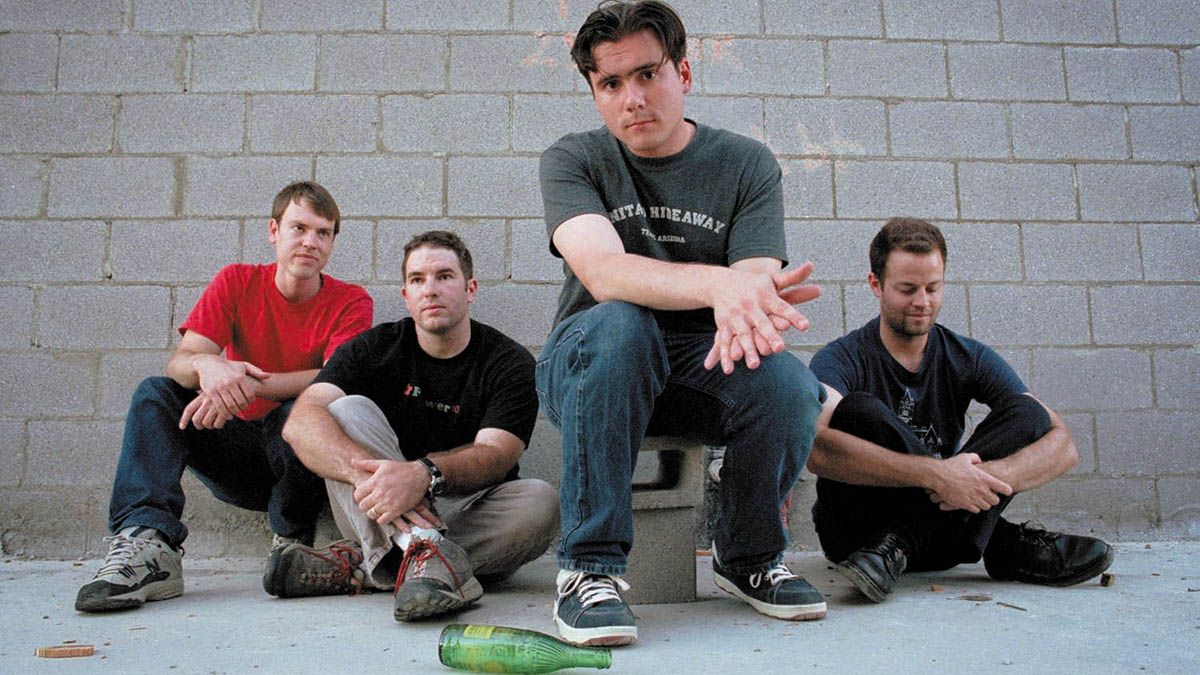
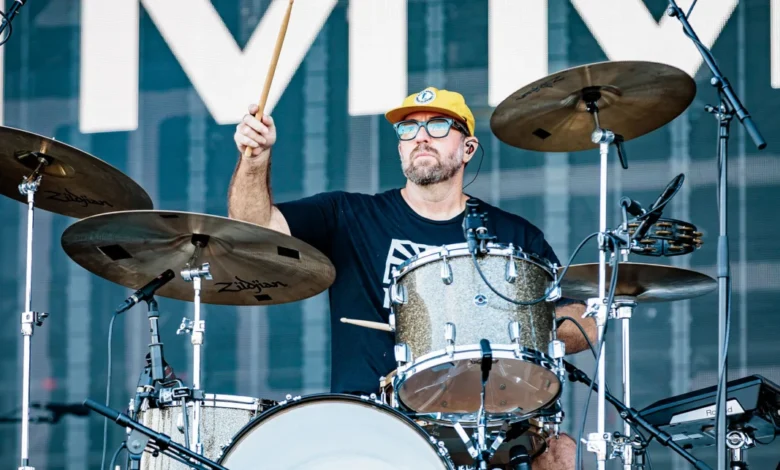
According to drummer Zach Lind, the relationship with Capitol was marred by a fundamental disconnect. The label’s marketing strategies often clashed with the band’s stubborn commitment to their own aesthetic. Jim Adkins, the band’s frontman and primary songwriter, recalls that many of the label’s promotional ideas were fundamentally misaligned with the band’s identity. When the split finally occurred, the band was left with no label, no manager, and no financial safety net. Rather than disbanding, they chose to double down, betting their entire future on a set of songs that would eventually change the landscape of the genre.
Financial Brinksmanship and the Role of Mark Trombino
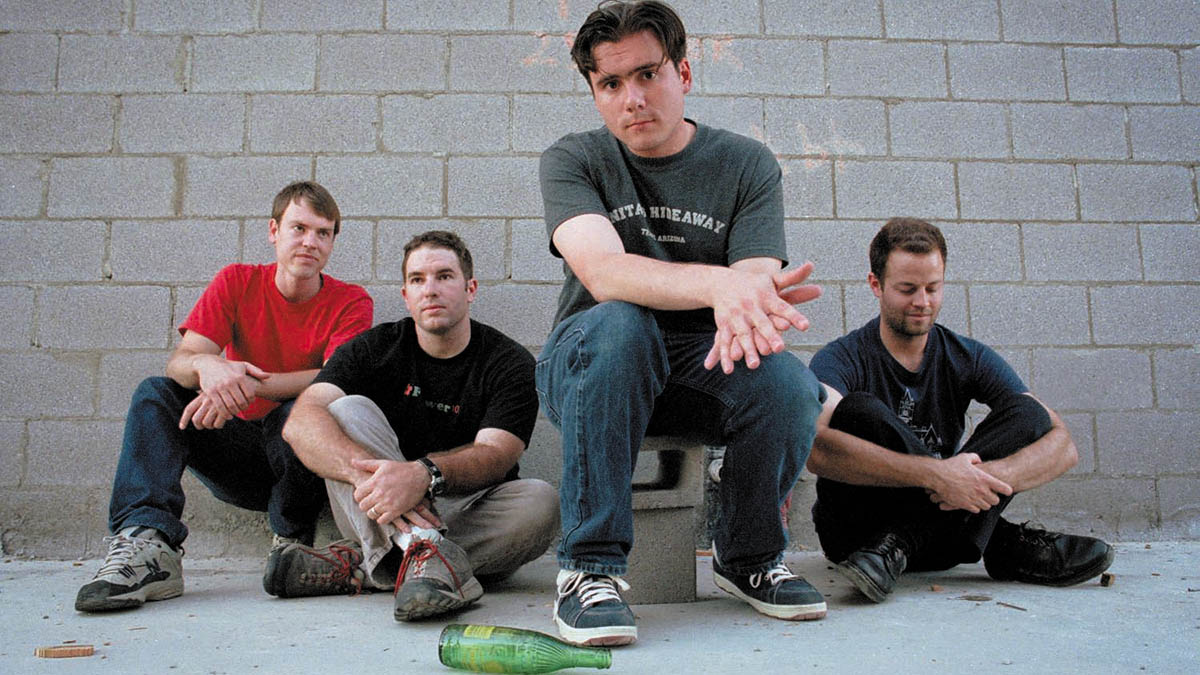
The recording sessions for Bleed American, which commenced in October 2000, were an exercise in financial brinksmanship. Without a label to provide a recording budget, the band relied on the goodwill and belief of producer Mark Trombino. Trombino, who had worked with the band on previous efforts, took the unprecedented step of deferring his payment. He recognized the strength of the new material and was willing to gamble his own time and resources on the project’s eventual success.
While Adkins describes his mindset at the time as "adventurous," viewing the lean years as a natural part of his early 20s, the reality for other members was more stark. Zach Lind, who had recently married, faced the very real possibility of financial ruin. To keep the band afloat, Lind and his wife moved in with his sister-in-law, putting their own home up for rent to generate cash flow. This period of intense personal sacrifice underscored the band’s belief in the music they were creating.
A Shift Toward Simplicity: Songwriting and Technical Evolution
Musically, Bleed American represented a significant departure from the sprawling, complex arrangements found on Clarity. The band consciously moved toward a more streamlined, "heartland" rock sound, drawing inspiration from the likes of Tom Petty and Bruce Springsteen. This shift toward simplicity was not a compromise but a strategic evolution. Adkins noted that after the "chaotic punk" energy of their earlier work, they found a new kind of power in restraint.
This philosophy extended to the technical aspects of the recording. The band used their limited studio time with surgical precision. For the track "Cautioners," they experimented with unique drum sounds for every individual hit, a painstaking process of cutting and pasting audio to create a jarring, "ear candy" effect. Conversely, tracks like "A Praise Chorus" and "The Middle" were built on foundations of rock-solid simplicity.
Adkins’ gear choices reflected this "less is more" approach. Much of the album’s signature guitar sound was achieved using an American Standard Telecaster plugged into a Fender Champ—a small, low-wattage amplifier known for its ability to produce a massive, saturated tone when pushed to its limits. This combination was used to record the iconic solo on "The Middle," a piece of music that would eventually be ranked by Rolling Stone as one of the greatest guitar solos of all time.
The Anatomy of a Hit: The Cultural Impact of The Middle
No discussion of Bleed American is complete without addressing the phenomenon of "The Middle." Ironically, at the time of its recording, the band viewed it as just another strong track; they had no inkling that it would become a generation-defining anthem. The song’s lyrical themes of self-acceptance and perseverance resonated deeply with a broad audience, eventually reaching number five on the Billboard Hot 100.
The song’s longevity is evidenced by its cross-genre appeal, having been covered by artists as diverse as Prince and Taylor Swift. Adkins attributes the song’s success to its structural purity—a "theme, repeat, escalation" model inspired by Doug Gillard’s work with Guided By Voices. Despite his background in jazz and classical guitar, Adkins leaned into intuitive, melodic playing, creating a solo that was both technically proficient and immensely catchy.
Collaborative Spirit and the Digital Frontier
The production of Bleed American also highlighted the band’s deep roots in the independent music community. For "A Praise Chorus," Adkins found himself stuck on a bridge section. He reached out to Davey von Bohlen of The Promise Ring, who contributed a vocal part that referenced a tapestry of musical influences, including Madness, Bad Company, and Mötley Crüe. This collaborative spirit added a layer of depth to the album, grounding it in the very scene that had nurtured the band.
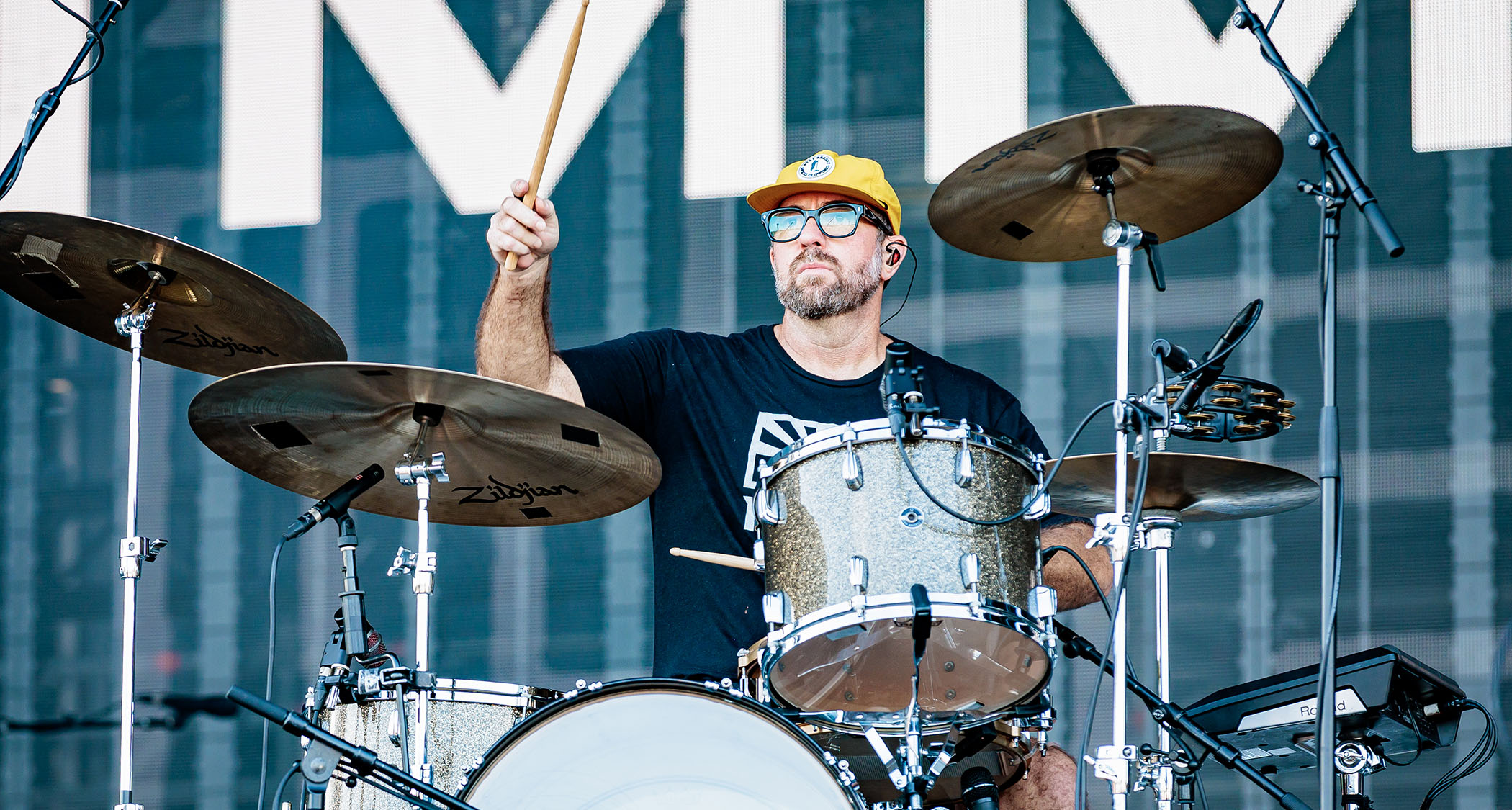
Furthermore, the band’s rise coincided with the dawn of the digital music revolution. Jimmy Eat World was among the first groups to leverage peer-to-peer file-sharing platforms like Napster to their advantage. By sharing rough mixes online, they built a feverish anticipation for the album before it even had a release date. When they toured during the recording process to raise funds, they were surprised to find audiences already singing along to unreleased songs they had downloaded illegally. This grassroots digital presence proved to be a vital tool in bypassing traditional industry gatekeepers.
From Bankruptcy to Brixton: The DreamWorks Era
The turning point for the band came when they caught the attention of John Silva, a high-profile manager whose roster included Nirvana and the Foo Fighters. Silva’s involvement provided the "formal infrastructure" the band had been lacking. He facilitated a series of meetings in New York City with major labels including Elektra, RCA, and Atlantic.
Ultimately, the band signed with DreamWorks Records. The resulting deal provided the financial stability they desperately needed. For Zach Lind, the memory of flying into New York and seeing the Manhattan skyline at sunset remains a symbol of the moment their lives changed. The label’s full-throttle support transformed Jimmy Eat World from an underground favorite into a household name. In the UK, the band’s ascent was particularly rapid, transitioning from small club shows at The Garage to headlining the prestigious Brixton Academy within a single year.
Legacy and the 25th Anniversary
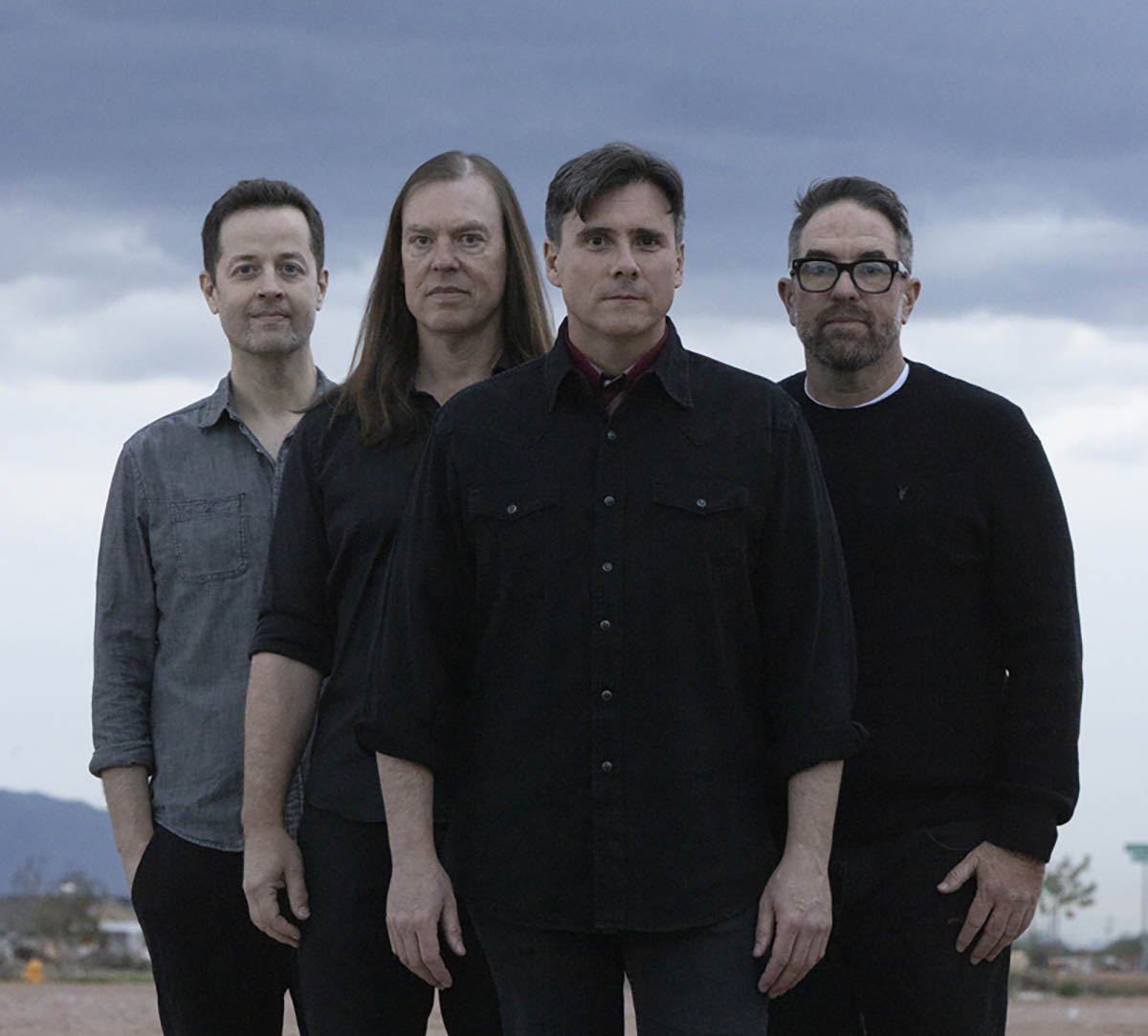
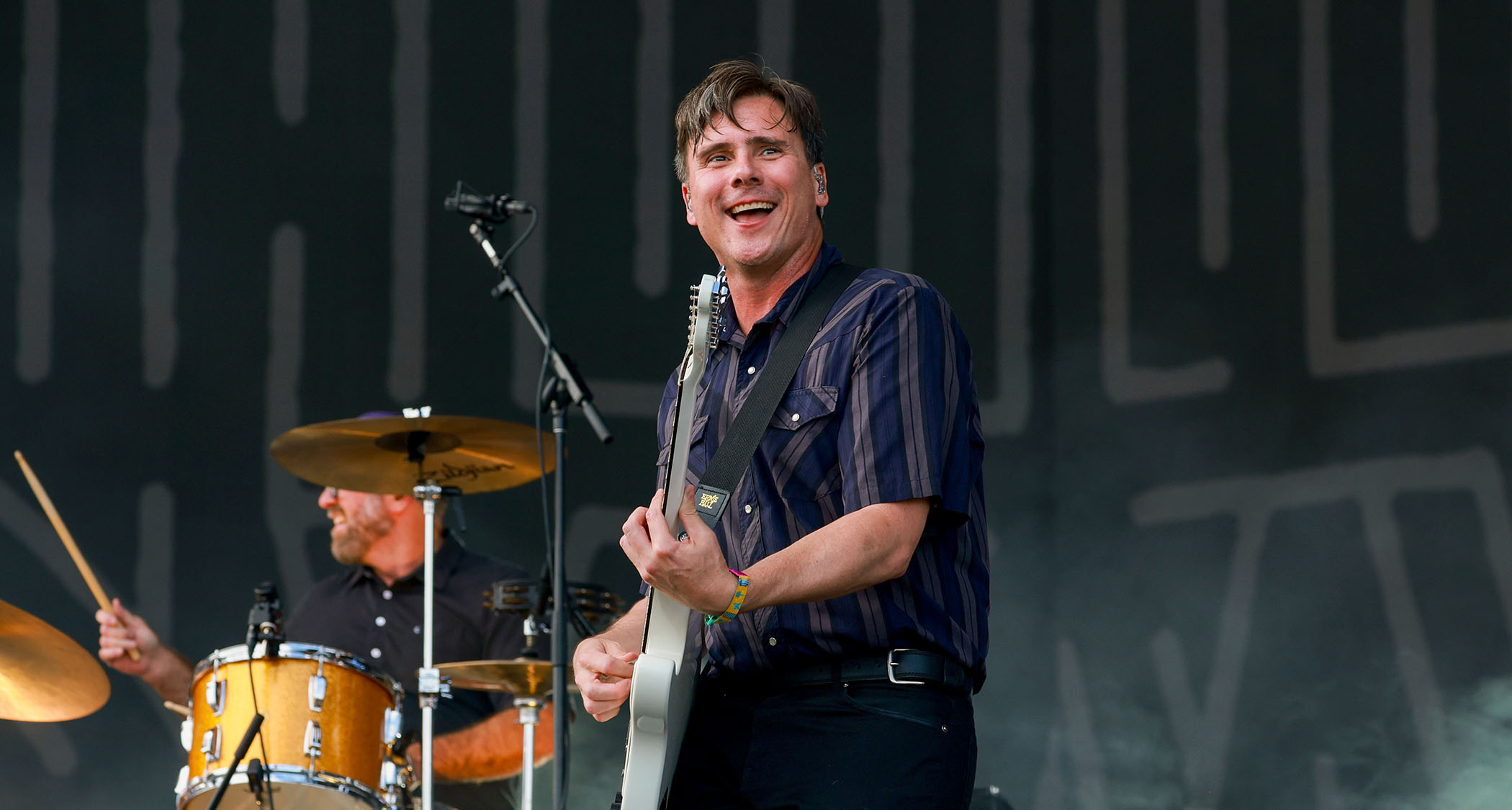
As Jimmy Eat World celebrates the 25th anniversary of Bleed American, the album’s legacy remains untarnished. It is often cited as the bridge between the 1990s emotional hardcore scene and the massive pop-punk explosion of the early 2000s. By proving that a band could maintain their integrity while achieving massive commercial success, Jimmy Eat World paved the way for an entire generation of alternative artists.
The album’s 11 tracks—ranging from the high-octane title track to the somber, atmospheric "My Sundown"—continue to influence modern rock production. The band’s decision to self-fund the record remains a landmark moment in the "do-it-yourself" (DIY) ethos, demonstrating that creative vision, when paired with relentless work ethic, can overcome even the most daunting institutional hurdles.
Today, as the band prepares to perform Bleed American in its entirety for their largest-ever UK shows, the music feels as vital as it did in 2001. The record stands not just as a collection of hits, but as a testament to a specific moment in time when four musicians from Arizona took a leap of faith into the unknown and emerged as icons of their genre. The story of Bleed American is a reminder that in the volatile world of the music industry, the most valuable currency is often the unwavering belief in one’s own art.
Related posts: