How U2’s Improvised 12-Minute Performance of Bad at Live Aid Forged Their Global Legacy

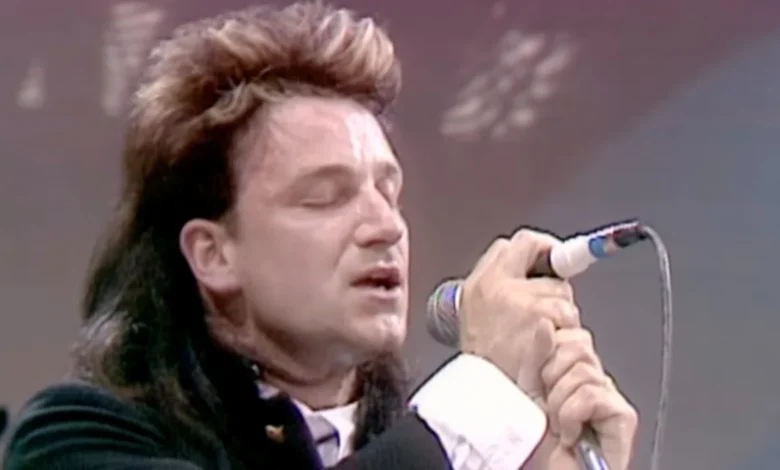
On Saturday, July 13, 1985, a massive cultural milestone took place as Live Aid broadcasted dual-venue concerts from London’s Wembley Stadium and Philadelphia’s JFK Stadium to a staggering global audience estimated at 1.9 billion people across 150 nations. Organised by Bob Geldof and Midge Ure to raise famine relief funds for Ethiopia, the event featured a strict runtime enforcement policy. Geldof famously warned artists to stick to a tight 17-minute window—bluntly telling Queen’s Freddie Mercury, "Don’t get clever—just play the hits." While most bands meticulously trimmed their setlists to comply with the producer’s rigid timetable, Irish rock band U2 found their performance drastically upended by a spontaneous moment of human intervention that initially left the group convinced their career had imploded.
The Setlist That Never Was
U2 arrived at Wembley Stadium with a concise, high-impact three-song setlist designed to maximize their brief television exposure: "Sunday Bloody Sunday," "Bad," and their biggest chart hit at the time, "Pride (In The Name Of Love)." Closing with "Pride" was intended to leave a lasting impression on the colossal international viewing public.
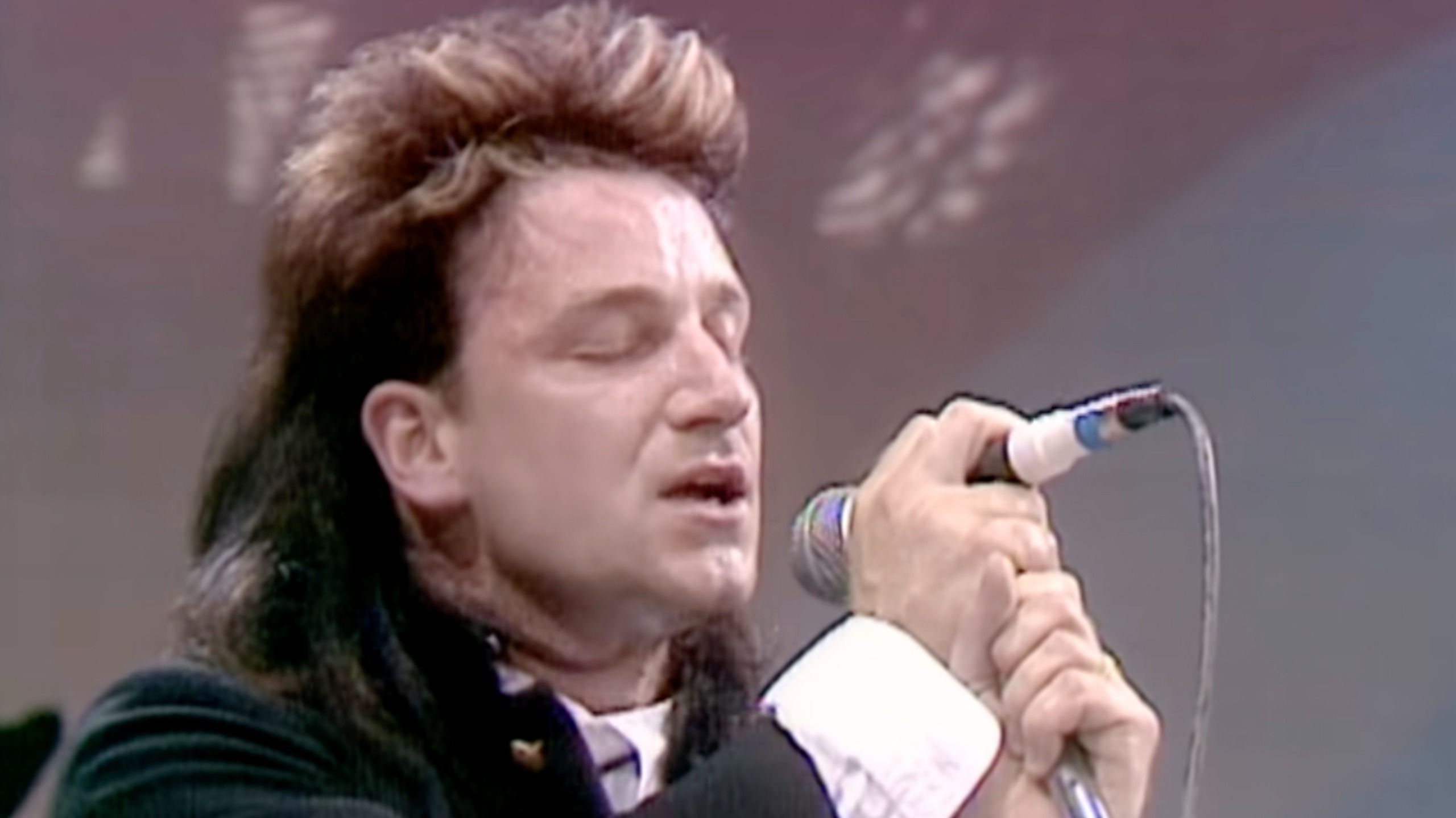
However, as the band launched into their second song, "Bad"—a track from their fourth studio album, The Unforgettable Fire—frontman Bono noticed a concerning situation unfolding in the front rows. Observing a 15-year-old female audience member, later identified as Kal Khalique, being violently compressed against the security barriers by a surging crowd, Bono made a split-second decision that derailed the running order. Abandoning the stage entirely, he scrambled down into the photo pit, waded through the security barrier, and spent precious minutes hugging and slowly dancing with Khalique to pull her out of danger.
This unscripted excursion consumed a significant portion of their allotted time. Consequently, U2 never got the chance to play "Pride (In The Name Of Love)." Instead, "Bad" was stretched into an improvised 12-minute epic. During the elongated performance, Bono leaned into spontaneous vocal interpolations, weaving snippets of Lou Reed’s "Satellite Of Love" and "Take A Walk On The Wild Side" alongside the Rolling Stones’ "Ruby Tuesday" and "Sympathy For The Devil" into the arrangement.
Immediate Backstage Fallout and Initial Despair
Backstage, the atmosphere among bandmates was tense and confrontational. U2 members were reportedly furious that technical and timing constraints had forced them to scrap the grand finale of "Pride," and a heated argument erupted in the dressing room. Believing they had squandered a once-in-a-lifetime promotional platform, Bono boarded a flight back to Ireland with his wife, Ali, consumed by regret.
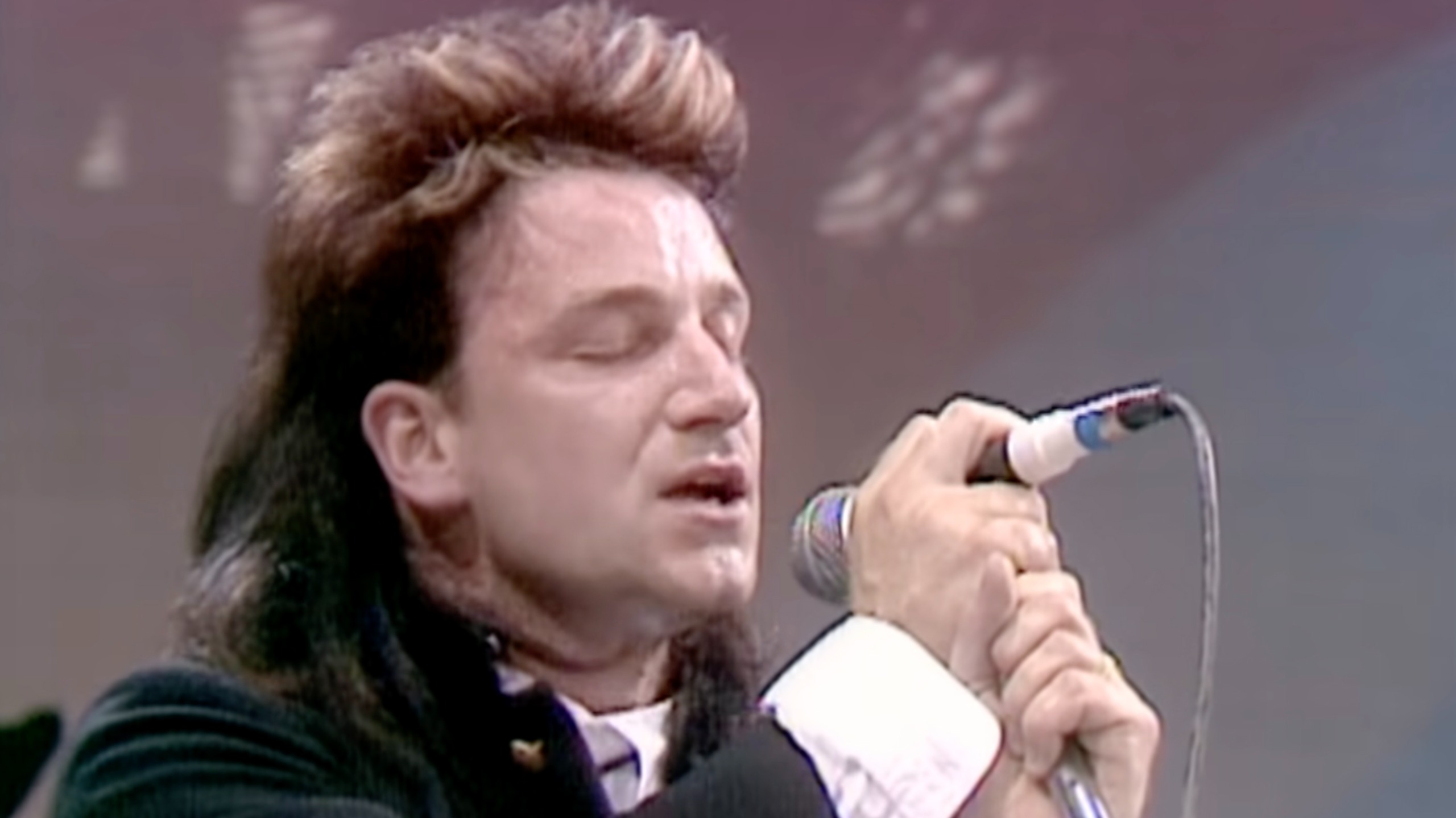
"It was a great day, but I thought I had fucked it up," Bono later reflected in interviews with Rolling Stone.
Guitarist The Edge echoed those early sentiments of failure. "I thought they were joking; I really thought we were crap," he admitted. The prevailing consensus within the camp was that the performance had been an undisciplined disaster, characterized by missed cues and a broken setlist.
Public Reception and Critical Reevaluation
Within days, public and critical sentiment proved the band’s self-assessment entirely wrong. Television broadcasts and press reviews highlighted U2’s sprawling, emotionally raw rendition of "Bad" as a defining highlight of the 16-hour concert marathon. The themes of vulnerability, personal suffering, and salvation embedded in the song resonated deeply with the overarching humanitarian message of Live Aid.
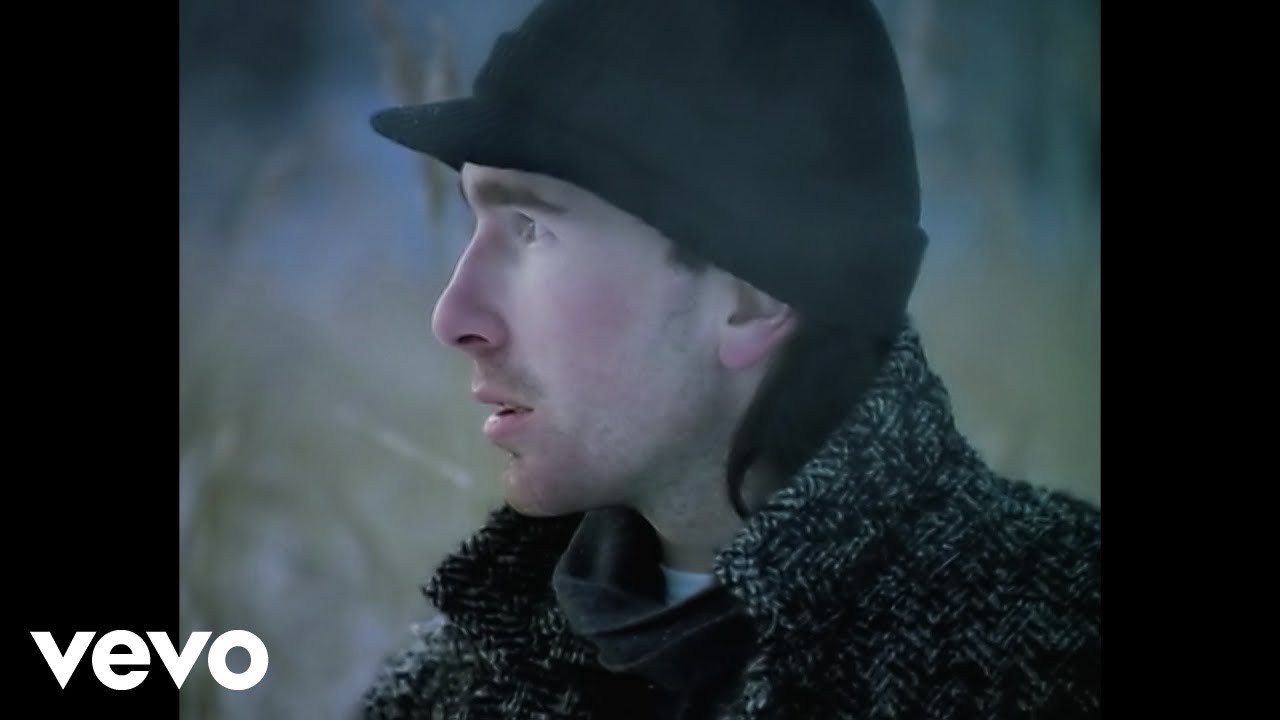
Reflecting on the shift in perspective a week later, The Edge observed the unique dynamic that captured the public’s imagination. "Looking back… I started to see what it was," he noted. "It was the sense of real, total jeopardy, which is always very exciting for a live event, and Bono’s complete determination to make physical contact with the crowd… I think there was something about the effort he had to put in to do it that somehow made it even more powerful."
While detractors occasionally viewed Bono’s audience walkabout as self-indulgent, the sheer visceral honesty of the moment established an intimate rapport with billions of viewers. It transformed an ordinary promotional television spot into a legendary piece of rock history.
Genesis and Musical Architecture of Bad
To understand the weight of that 12-minute performance, music historians often look back to the track’s unconventional origins in 1984. Written during sessions at the historic Slane Castle in County Meath, Ireland, "Bad" emerged from a series of experimental jam sessions under the guidance of newly appointed producers Brian Eno and Daniel Lanois. The production duo sought to push U2 away from the straightforward post-punk political anthems of their previous record, War, and into a more atmospheric, ambient soundscape.
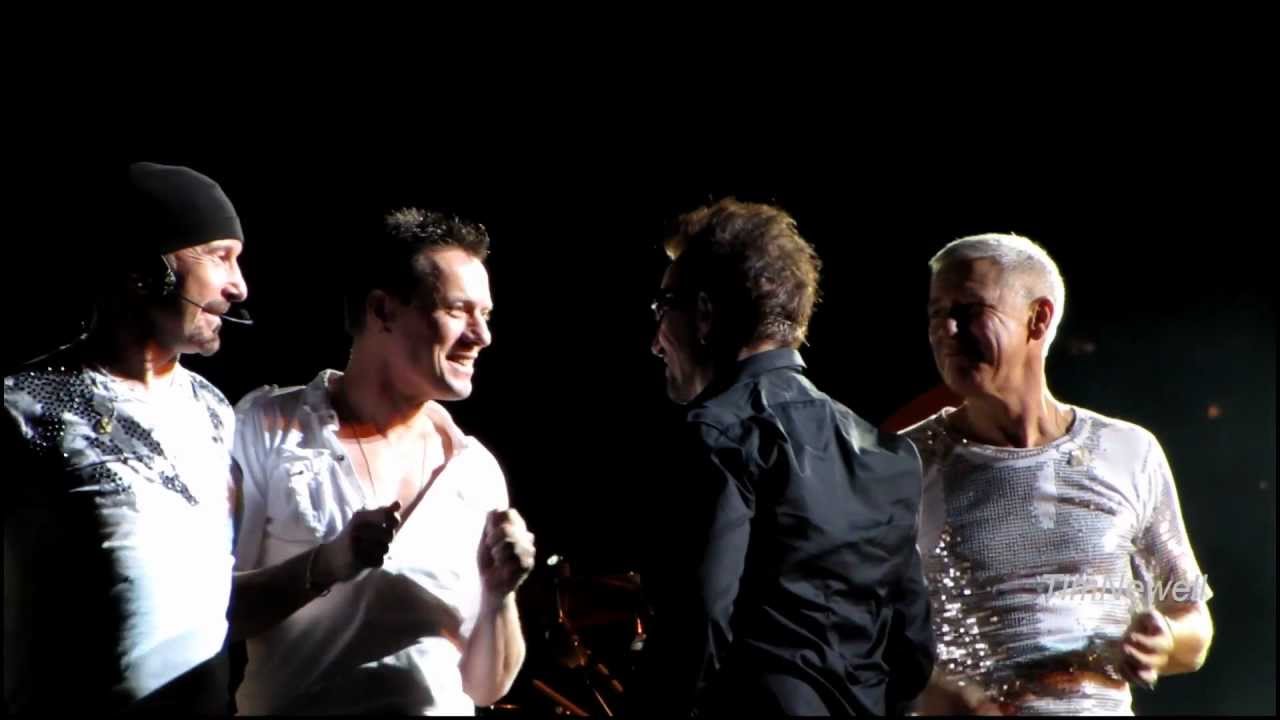
Bono penned the lyrics to confront a harrowing social crisis: the devastating heroin epidemic plaguing Dublin throughout the late 1970s and early 1980s. The song was written specifically about a childhood friend from Cedarwood Road, Andy "Guck" Rowen, who had fallen into severe drug addiction following the psychological trauma of witnessing the 1974 Dublin and Monaghan bombings. For decades, Bono kept Rowen’s identity private, referring to him simply as a friend, before finally dedicating the song to him publicly during a 2011 U2 360° Tour stop in Pittsburgh.
Musically, the song relied heavily on contrasting textures. Eno utilized an Oberheim DSX sequencer to lay down repeating arpeggios, giving the track a metronomic, hypnotic heft. The Edge constructed the guitar landscape using a Korg SDD-3000 digital delay combined with a secondary shorter delay set to a dotted eighth-note rhythm, routed to a vintage Vox AC30 amplifier. Furthermore, The Edge experimented with physical damping techniques—placing felt and gaffer tape near the bridge of his guitar strings to eliminate natural sustain—creating the distinct, cascading delays that became a hallmark of his signature sound.
Evolution from Studio to Stage
Despite its eventual iconic status, the initial studio recording of "Bad" on The Unforgettable Fire received mixed reviews. Recorded in just three takes at Slane Castle, some contemporary critics panned the mix as "forgettably muddy." Bono himself expressed frustration with the studio version, describing it as an incomplete experiment: "It was a different kind of songwriting, like Philip Glass meets Astral Weeks, Van Morrison crossed with German electronica."
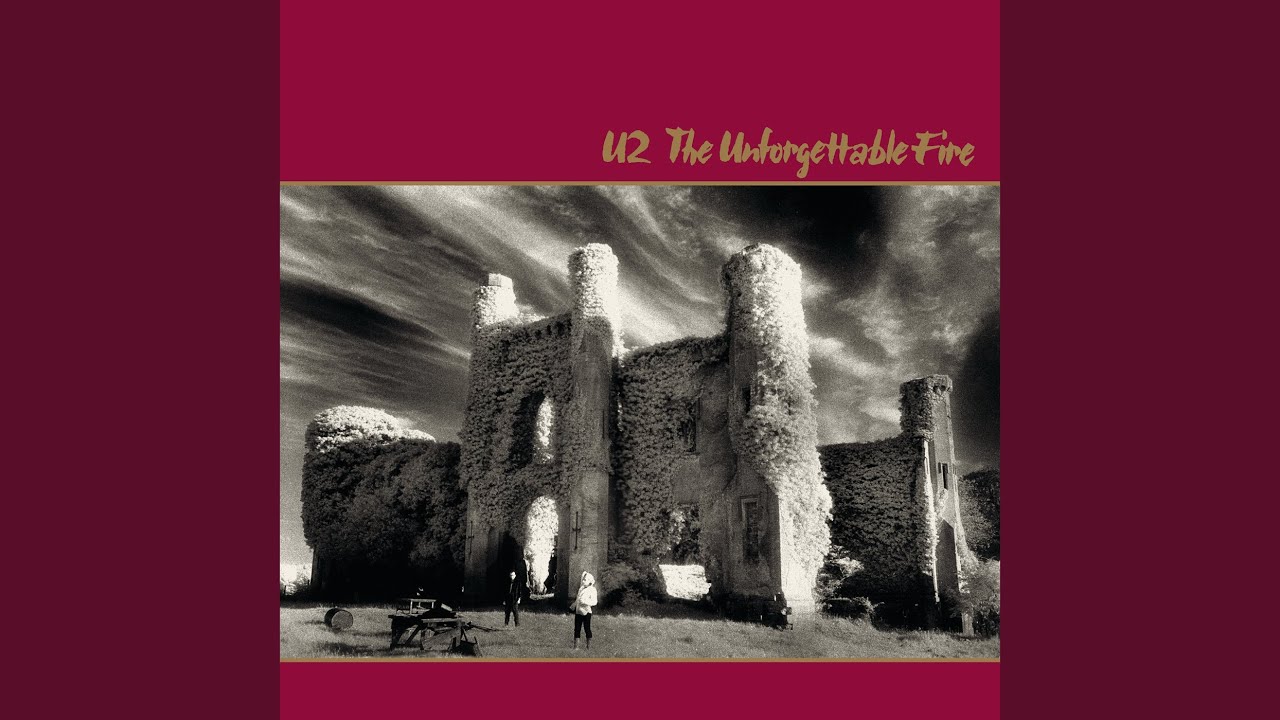
Recognizing that the track fell short of its grand conceptual ambitions on the album, U2 continuously refined the arrangement during soundchecks throughout their subsequent tours. The definitive audio version that gained heavy radio airplay was not the studio recording, but a ferocious live performance captured on November 12, 1984, at the National Exhibition Centre (NEC) in Birmingham, England. This rendition was subsequently released on the 1985 four-track EP Wide Awake In America.
Long-Term Legacy and Cultural Impact
The accidental triumph at Live Aid acted as a massive commercial catalyst. Overnight, U2 transitioned from a rising alternative rock band with a dedicated following into a global powerhouse capable of commanding stadium audiences worldwide. "Bad" anchored future multi-platinum releases, appearing as a live staple in concert films such as Rattle and Hum (1988) and Elevation: Live from Boston (2001), as well as compilation albums like The Best of 1980–1990.
Rather than locking the composition into a fixed studio arrangement, U2 treated "Bad" as a living, breathing organism for the rest of their touring career. Bono continually adjusted lyrics and incorporated external vocal snippets to reflect contemporary political and personal landscapes. As Bono observed in the authorized biography U2 by U2, "I do finish it every night, live… Poets have no problem with revising their work. Songs shouldn’t be set in stone. If they are any good, they are living, breathing organisms."
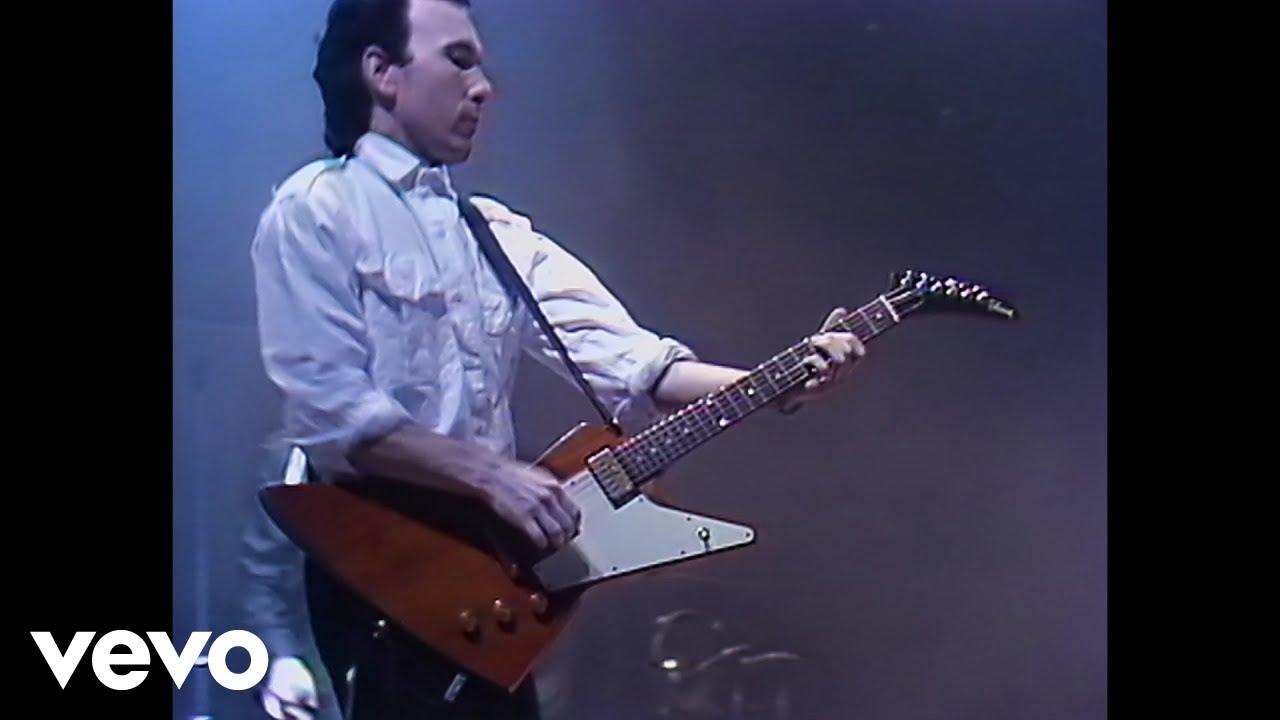
Ultimately, 12 minutes of unplanned wandering off a Wembley stage cemented "Bad" not only as a masterclass in improvisational rock performance, but as the pivotal turning point that launched U2 into the upper echelon of international superstardom.