Bluesky Emerges as a Key Player in the Decentralized Social Media Landscape, Enhanced by Buffer Integration


With over 40 million registered users, Bluesky has rapidly established itself as one of the fastest-growing social networks, signaling a significant shift in the digital communication paradigm. Amidst a new wave of fediverse platforms and decentralized networks, Bluesky distinguishes itself through an intuitive interface and a vibrant, expanding community that spans diverse interests, from intricate scientific discussions to global K-pop fandoms. This accessibility and breadth of engagement make it an increasingly attractive destination for creators and users seeking alternatives to traditional centralized platforms.
The Genesis and Vision of a Decentralized Future
Bluesky’s journey began with a clear mandate: to redefine the architecture of social media. Conceived by former Twitter CEO Jack Dorsey, the platform is fundamentally a decentralized social network built upon an open-source framework known as the Authenticated Transfer Protocol (AT Protocol). This foundational choice reflects a core philosophical stance articulated by Bluesky itself: to forge "an open foundation for the social internet so that we can all shape its future," driven by the conviction that "social media is too important to be controlled by a few corporations."

This vision directly addresses mounting concerns over data control, algorithmic transparency, and censorship prevalent in large, corporate-owned social media ecosystems. Dorsey’s involvement lends significant credibility to Bluesky’s mission, positioning it not merely as another social app, but as a critical experiment in empowering users and fostering a more resilient, open digital public square. The AT Protocol, unlike its predecessor ActivityPub used by many fediverse platforms like Mastodon and Threads, is designed with account portability and interoperability at its core, aiming to give users greater control over their data and online identity across different services.
A Chronology of Growth and Openness
Bluesky’s public trajectory began with a period of carefully managed, invite-only growth, which commenced in March 2023. This strategic phase allowed the development team to rigorously test the AT Protocol, refine the user experience, and cultivate an initial community, ensuring stability and functionality before a broader rollout. During this time, early adopters contributed to shaping the platform’s features and culture, laying the groundwork for its eventual expansion.
The network’s true breakout moment arrived in February 2024 when Bluesky finally opened its doors to the public, removing the invite requirement. The response was immediate and overwhelming, with the platform welcoming over one million new users in a single day. This surge in registrations underscored a palpable public appetite for new social media experiences, particularly those promising greater autonomy and a departure from the established norms of centralized control. The rapid adoption also highlighted the efficacy of its clean interface and user-friendly design, which allowed new users to quickly acclimate to the decentralized environment without a steep learning curve. The milestone of exceeding 40 million users further solidifies its position as a significant and growing force in the social media landscape.
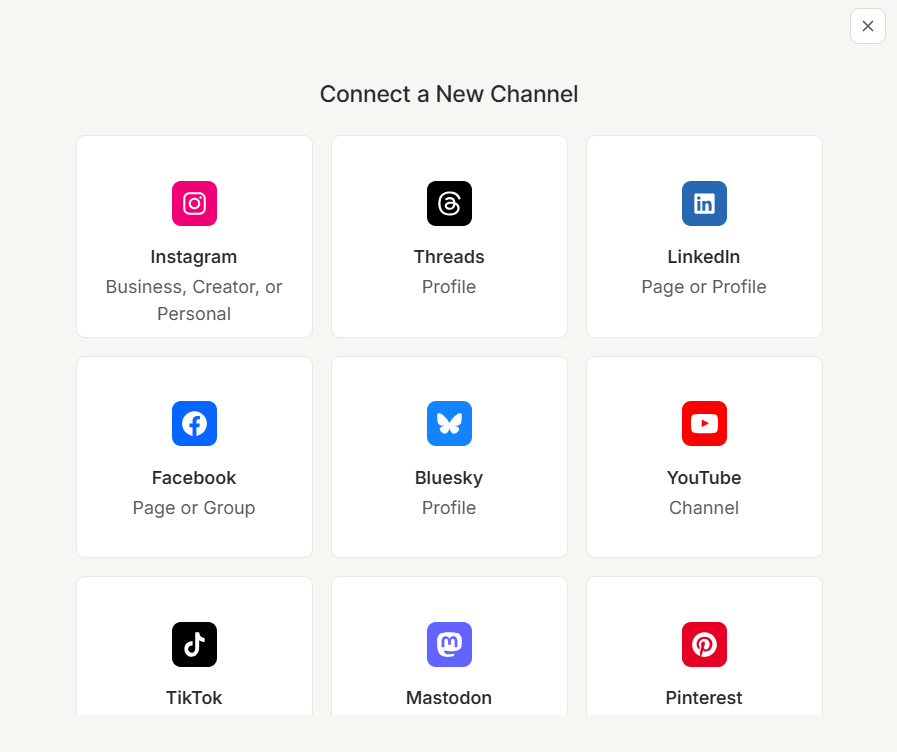
The Landscape of Decentralized Social Media: AT Protocol vs. ActivityPub
Understanding Bluesky’s unique position requires a brief exploration of the broader decentralized social media movement, often referred to as the "fediverse." The fediverse is a collective of interconnected servers (or "instances") that communicate using open standards, allowing users on one platform to interact with users on another. The most widely adopted protocol powering many fediverse platforms, including Mastodon and Threads, is ActivityPub.
Bluesky, however, operates on its proprietary AT Protocol. While both protocols aim to decentralize social media, their technical approaches differ. ActivityPub focuses on server-to-server communication, allowing instances to "federate" and share content. The AT Protocol, conversely, emphasizes account portability, allowing users to move their accounts and data seamlessly between different service providers without losing their followers or content. This distinction is crucial; while Bluesky is decentralized in its architecture, it is not technically part of the ActivityPub-based fediverse. This divergence presents both opportunities and challenges for interoperability and the overall vision of a truly interconnected social internet.
Enhancing Reach and Efficiency: The Buffer Integration
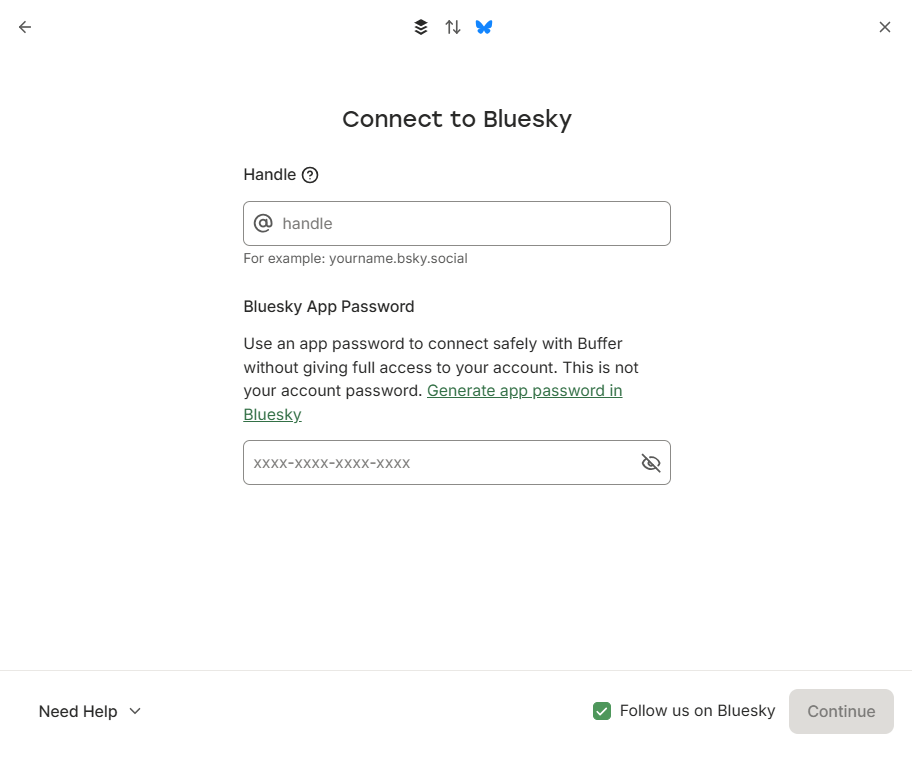
For content creators, brands, and individuals navigating the increasingly fragmented social media landscape, managing multiple platforms efficiently is a growing challenge. This is where tools like Buffer become indispensable, and its recent integration with Bluesky marks a significant step towards streamlining decentralized social media engagement. Buffer provides comprehensive planning, publishing, and crossposting features, enabling users to manage their Bluesky presence alongside other major networks like X (formerly Twitter), Threads, Mastodon, and LinkedIn from a single, unified dashboard.
The strategic rationale behind scheduling Bluesky posts through a third-party tool like Buffer is multifaceted. Firstly, Bluesky currently lacks a native scheduling feature, making Buffer an essential solution for planned content dissemination. This allows users to maintain a consistent posting schedule, reach audiences across different time zones, and execute coordinated marketing campaigns without needing to be online at the exact moment of publication. Secondly, Buffer’s crossposting capabilities are particularly valuable given the technical distinction between the AT Protocol and ActivityPub. By using Buffer, creators can effectively "bridge" this gap, ensuring their content reaches both Bluesky users and the broader fediverse, as well as mainstream platforms, maximizing reach and minimizing effort.
A Deep Dive into Buffer’s Bluesky Management Features
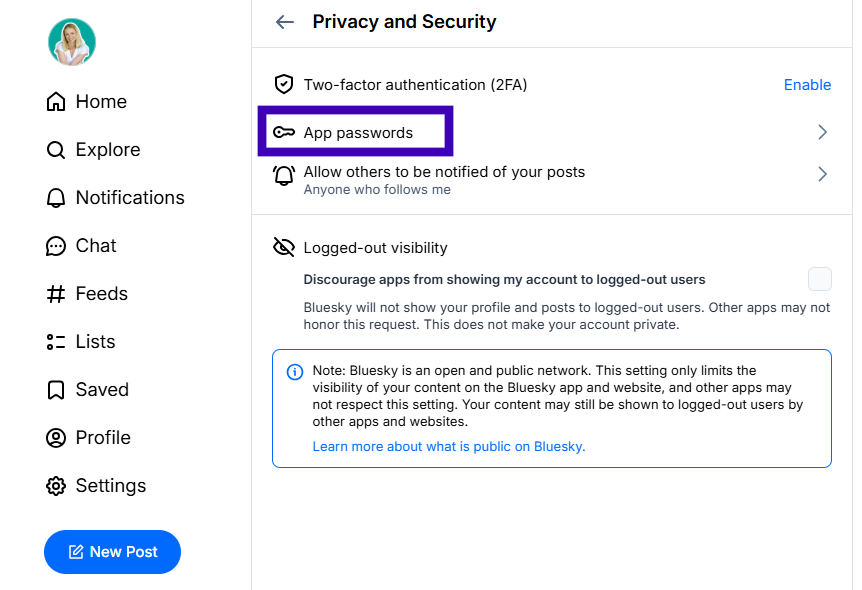
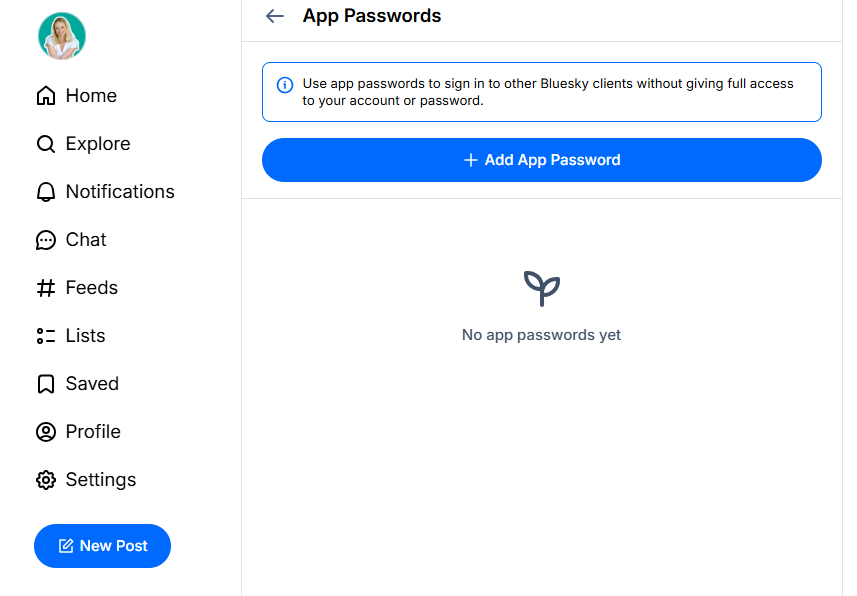
Connecting a Bluesky account to Buffer is designed to be a straightforward process, typically taking only a few minutes. Users initiate the connection by selecting Bluesky as a new channel within Buffer’s interface. A crucial aspect of this secure integration involves generating an "app password" directly from Bluesky’s privacy and security settings. This app password provides Buffer with specific, limited access to the Bluesky account, enhancing security by avoiding the need to share primary login credentials. Buffer also supports custom servers for users who choose to self-host their Bluesky accounts, offering flexibility for those desiring greater control over their data infrastructure.
Once connected, Buffer’s composer becomes the central hub for Bluesky content creation. Users can draft single posts, complete with text, images, and video, and even add essential alt text to images directly within the composer, promoting accessibility. A standout feature is the ability to create and schedule entire Bluesky threads. While Bluesky supports native threads, it does not offer native scheduling for them. Buffer solves this by allowing users to compose multi-post threads sequentially, schedule them, and have Buffer publish the entire series in the correct order, precisely on time. This is invaluable for delivering complex narratives or detailed announcements that require more than a single post.
Beyond publishing, Buffer extends its utility to community management and analytics. Through Buffer’s Community tool, users can view and respond to Bluesky comments directly from their Buffer dashboard, eliminating the need to constantly switch between applications. This centralized approach simplifies engagement and ensures timely interaction with followers. Furthermore, Buffer’s analytics dashboard provides insights into post performance, tracking engagement metrics and follower growth on Bluesky, allowing creators to assess content effectiveness and refine their social media strategy.
Broader Impact and Implications for the Social Media Landscape
The rise of Bluesky and its seamless integration with multi-platform management tools like Buffer carries significant implications for the future of social media. For individual content creators and small businesses, it lowers the barrier to entry for engaging with decentralized networks, offering a familiar, streamlined workflow for an otherwise technically distinct environment. This ease of use is critical for encouraging broader adoption of decentralized platforms, which have historically faced challenges related to complexity and user experience.
For the social media industry as a whole, Bluesky represents a powerful push towards greater openness and user sovereignty. Its growth challenges the dominance of established centralized platforms and fosters an environment where innovation can flourish outside the control of a few corporate giants. The AT Protocol’s focus on account portability and composable social experiences could set a new standard for how users interact with their online identities and data, potentially sparking a broader shift across the digital landscape. The ability for third-party tools like Buffer to effectively bridge the technical gaps between different decentralized protocols further solidifies the viability of a diverse, interconnected, and user-centric social internet. This dynamic ecosystem promises a future where creators have more control, platforms are more accountable, and the social internet truly becomes a shared, open foundation.
Bluesky’s momentum, coupled with the strategic advantages offered by Buffer, positions it as a vital player in the ongoing evolution of social media. As the digital sphere continues to diversify, tools that facilitate efficient, cross-platform engagement will become increasingly essential for anyone looking to build and maintain a strong online presence. The combination of Bluesky’s innovative decentralized architecture and Buffer’s robust management capabilities offers a compelling vision for a more open, manageable, and user-empowered social internet.