New Research Reveals Significant Shift in LinkedIn Engagement Towards Evening Hours for 2026

Analysis of millions of posts by Buffer, a leading social media management platform, indicates a significant and surprising shift in optimal LinkedIn engagement times for 2026. Contrary to previous years where peak professional activity was largely confined to traditional working hours, new data reveals a pronounced trend towards late afternoon and evening engagement. This evolution in user behaviour demands a strategic re-evaluation for brands, marketers, and individual professionals aiming to maximize their reach and impact on the platform.
The comprehensive study, spearheaded by Buffer’s resident data scientist Julian Winternheimer, delved into over 4.8 million LinkedIn posts processed through the platform. This extensive dataset, meticulously compiled over approximately two years, provides a robust foundation for identifying evolving patterns in online professional interaction. The findings for 2026 mark a distinct departure from those observed in 2025, when engagement predominantly occurred before the 5 p.m. cutoff. This year, the peak engagement windows are demonstrably shifting later into the day, mirroring a broader trend previously noted on consumer-centric platforms such as Instagram and TikTok.
Understanding the Algorithm and the Value of Engagement
The importance of precise timing on LinkedIn cannot be overstated. The platform’s algorithm functions by prioritizing content that generates early and sustained engagement. Interactions such as reactions, comments, and reposts serve as crucial signals to the algorithm, indicating the value and relevance of a post. Essentially, higher engagement signals to LinkedIn that a piece of content is resonating with its audience, thereby increasing its likelihood of being distributed to a wider professional network. While numerous factors contribute to a post’s overall ranking and visibility, engagement remains a primary driver for algorithmic amplification. This direct correlation underscores why identifying peak engagement windows is critical for any effective LinkedIn marketing strategy, whether for a burgeoning personal brand or an established corporate page.
The shift towards later engagement hours suggests a fundamental change in how professionals integrate LinkedIn into their daily routines. It implies that individuals are increasingly engaging with professional content not just during dedicated work hours, but also during transitional periods like commutes, or as part of their evening wind-down activities. This evolution points to a blurring of lines between professional development, industry news consumption, and personal leisure time, facilitated by the ubiquity of mobile devices and flexible work arrangements.
Key Findings: The Evening Dominance in 2026
Buffer’s 2026 data unequivocally points to late afternoon and evening hours, specifically between 3 p.m. and 8 p.m. on weekdays, as the prime window for achieving maximum engagement on LinkedIn. The most potent individual time slots identified were 4 p.m. on Wednesday and both 3 p.m. and 4 p.m. on Friday. These times consistently delivered the highest engagement rates across the millions of posts analyzed.
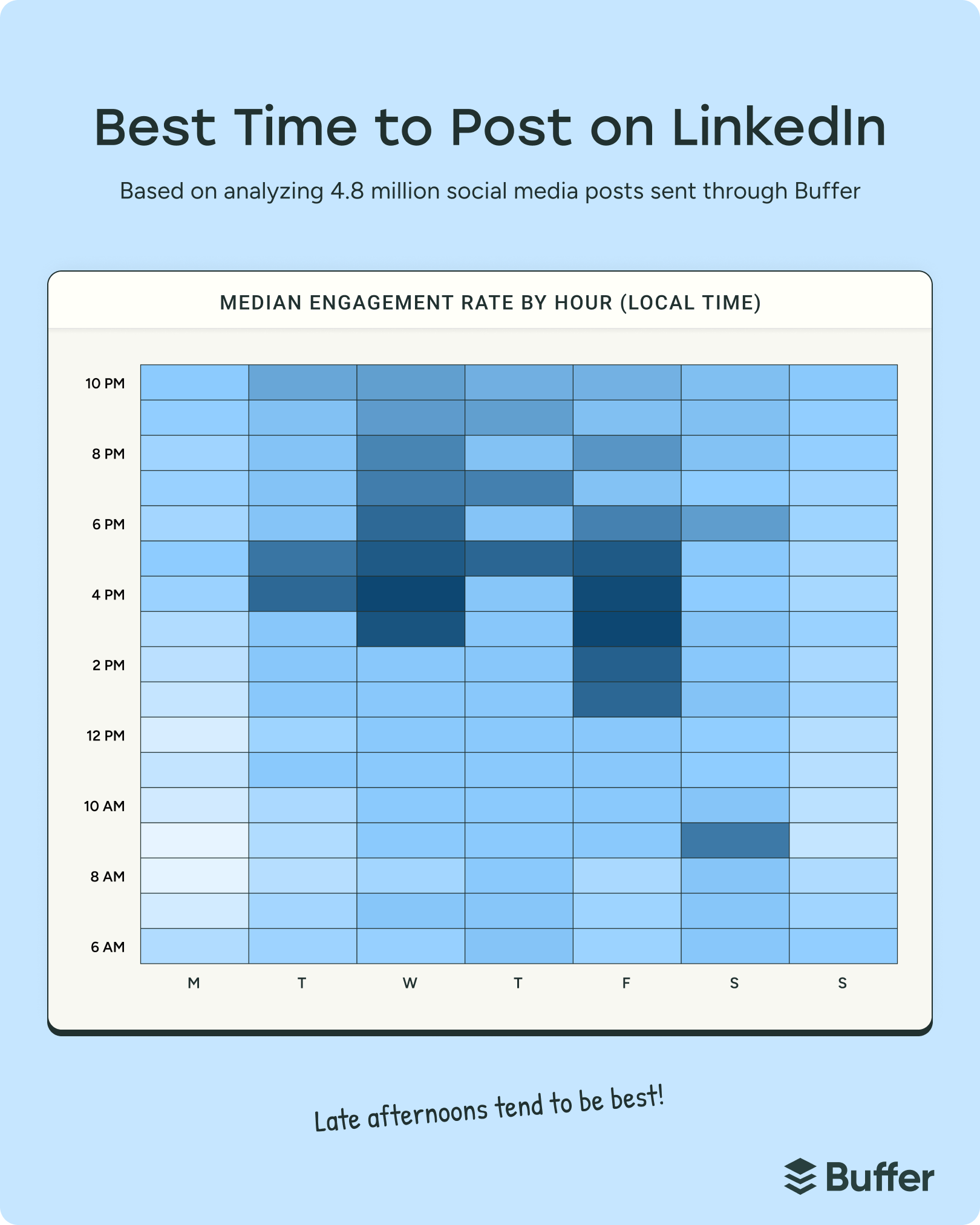
This represents a significant historical divergence. In 2025, optimal posting times were almost exclusively contained within standard 9-to-5 working hours. The sharp decline in engagement observed after 5 p.m. in previous analyses has been replaced by a sustained surge throughout the evening. This indicates a growing propensity for professionals to interact with LinkedIn content after they have formally concluded their workday, perhaps catching up on industry news, engaging with thought leadership, or networking from the comfort of their homes.
While traditional midday pockets, such as lunch breaks or mid-afternoon pauses, still show decent activity, they are no longer the undisputed engagement peaks they once were. This subtle but impactful recalibration of user behaviour necessitates a corresponding adjustment in content scheduling and delivery.
Daily Breakdown of Optimal Engagement Times (Local Time Zone)
To ensure universal applicability, Buffer’s data scientist Julian Winternheimer normalized all posting times by local time zone. This means that if 4 p.m. is recommended, it refers to 4 p.m. in the specific time zone of the target audience, eliminating the need for complex conversions.
- Monday: Mondays typically exhibit lower overall engagement compared to the rest of the week. However, for those needing to post, the best times are surprisingly late: 10 p.m., followed by 5 p.m. and 9 p.m. This pattern suggests professionals might be catching up on content after a busy start to the week or preparing for the days ahead. High-priority content is generally better reserved for later in the week.
- Tuesday: Similar to Monday, Tuesday sees slightly subdued engagement. The optimal times identified are 4 p.m., 5 p.m., and 10 p.m. This again highlights the shift towards post-work engagement, as users begin to wind down or check their feeds before concluding their day.
- Wednesday: This day emerges as the undisputed champion for LinkedIn engagement in 2026. The absolute best time is 4 p.m., which is one of the highest-engagement slots of the entire week. Complementary strong times include 3 p.m. and 5 p.m., forming a robust afternoon-to-early-evening window. Wednesdays are ideal for sharing critical announcements, thought-provoking articles, or high-value content.
- Thursday: Continuing the strong midweek performance, Thursday’s best time is 5 p.m. Engagement remains robust throughout the late afternoon and evening, with 7 p.m. and 9 p.m. also showing considerable activity. This suggests sustained professional interest as the work week progresses.
- Friday: Fridays also prove to be a powerful day for engagement, particularly as professionals begin to transition into weekend mode. The prime slot is 3 p.m., followed closely by 4 p.m. and 5 p.m. This pre-weekend window offers a significant opportunity to capture attention before the platform’s activity naturally wanes.
- Saturday: Weekends, as expected, generally experience significantly lower engagement on LinkedIn. However, if weekend posting is essential, 9 a.m. on Saturday offers the highest potential for reach, followed by 6 p.m. and 10 p.m. It is advisable to prioritize weekdays for content requiring maximum interaction.
- Sunday: Sundays typically register the lowest engagement across the week. The late evening, around 10 p.m., shows a slight uptick, with 9 p.m. and 6 a.m. also noted. For critical content, Sunday posting should generally be avoided in favour of midweek opportunities.
The Best Day: Wednesday Reigns Supreme
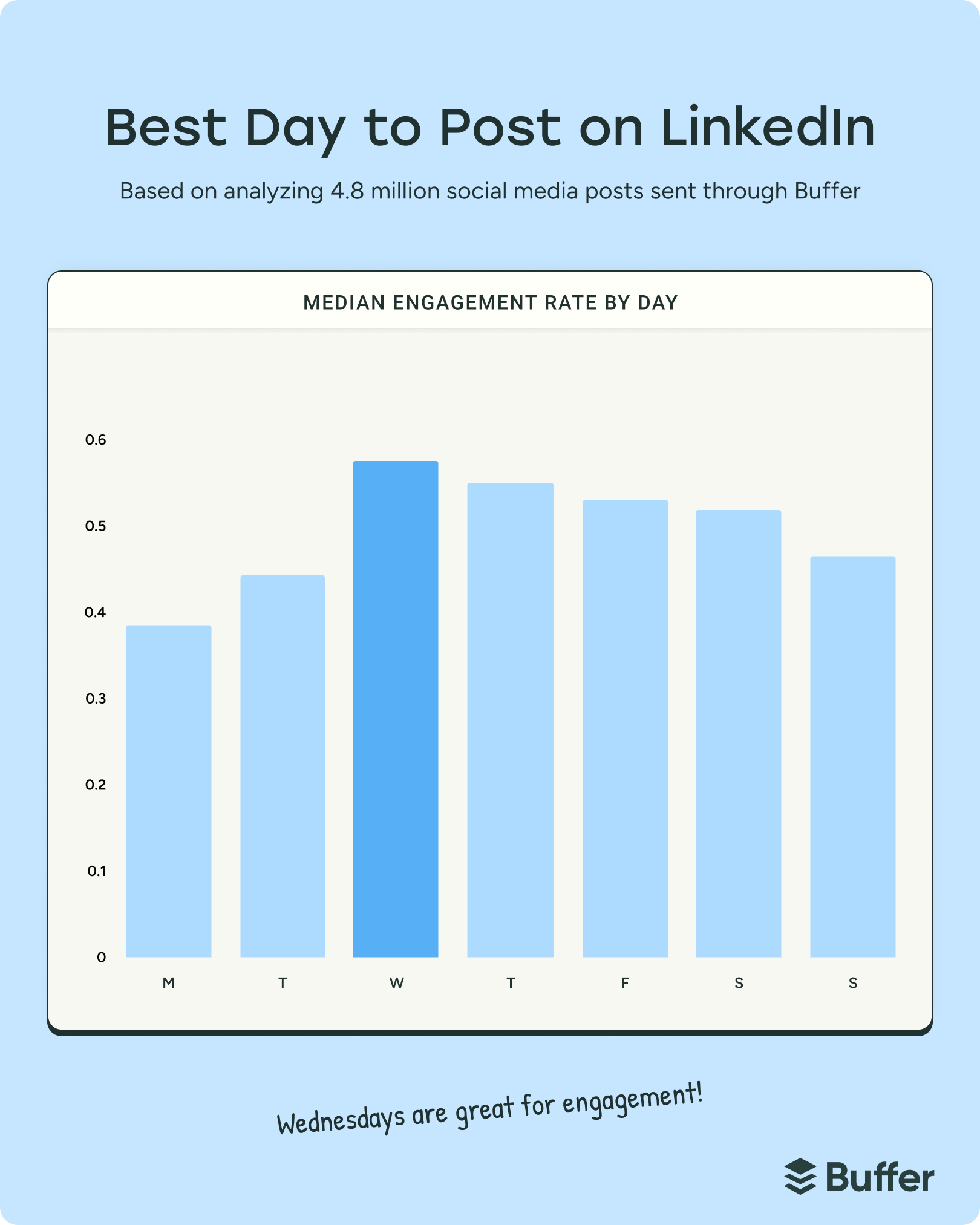
The overarching trend from the 2026 data confirms Wednesday as the best day of the week to post on LinkedIn for maximum engagement. This is closely followed by Thursday, then Friday. This mid-to-late week pattern aligns with the notion that professionals are fully immersed in their work tasks and actively seeking valuable content by Wednesday, but not yet disengaging for the weekend.
Conversely, Monday and Tuesday consistently showed the lowest engagement figures. Mondays, in particular, presented the weakest performance across the entire week. This "heads-down work theory," where professionals are most focused on initial tasks at the start of the week, appears to hold true in the 2026 data. However, it’s crucial to acknowledge that other research, including some highlighted by LinkedIn’s own marketing blog, has occasionally pointed to Tuesday as an active day. This discrepancy underscores the dynamic nature of social media analytics and the importance of continuous, self-referential data analysis for individual audiences.
Strategic Implications for Content Creators and Marketers
The shift towards evening engagement presents both challenges and opportunities. For marketers and brands, it necessitates a recalibration of existing content calendars and scheduling practices. Relying solely on traditional workday posting times may lead to missed opportunities for significant reach. Strategic scheduling during the newly identified peak evening hours can substantially enhance visibility and interaction rates.
- Re-evaluate Content Calendars: Marketing teams should audit their current LinkedIn posting schedules and adjust them to align with the 2026 optimal times. This might involve front-loading high-priority content into Wednesday and Friday afternoons, and exploring late evening slots for more casual or thought-leadership pieces.
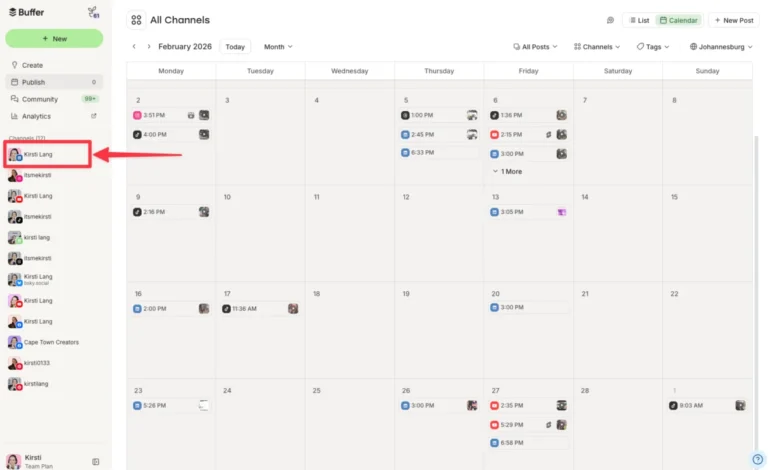
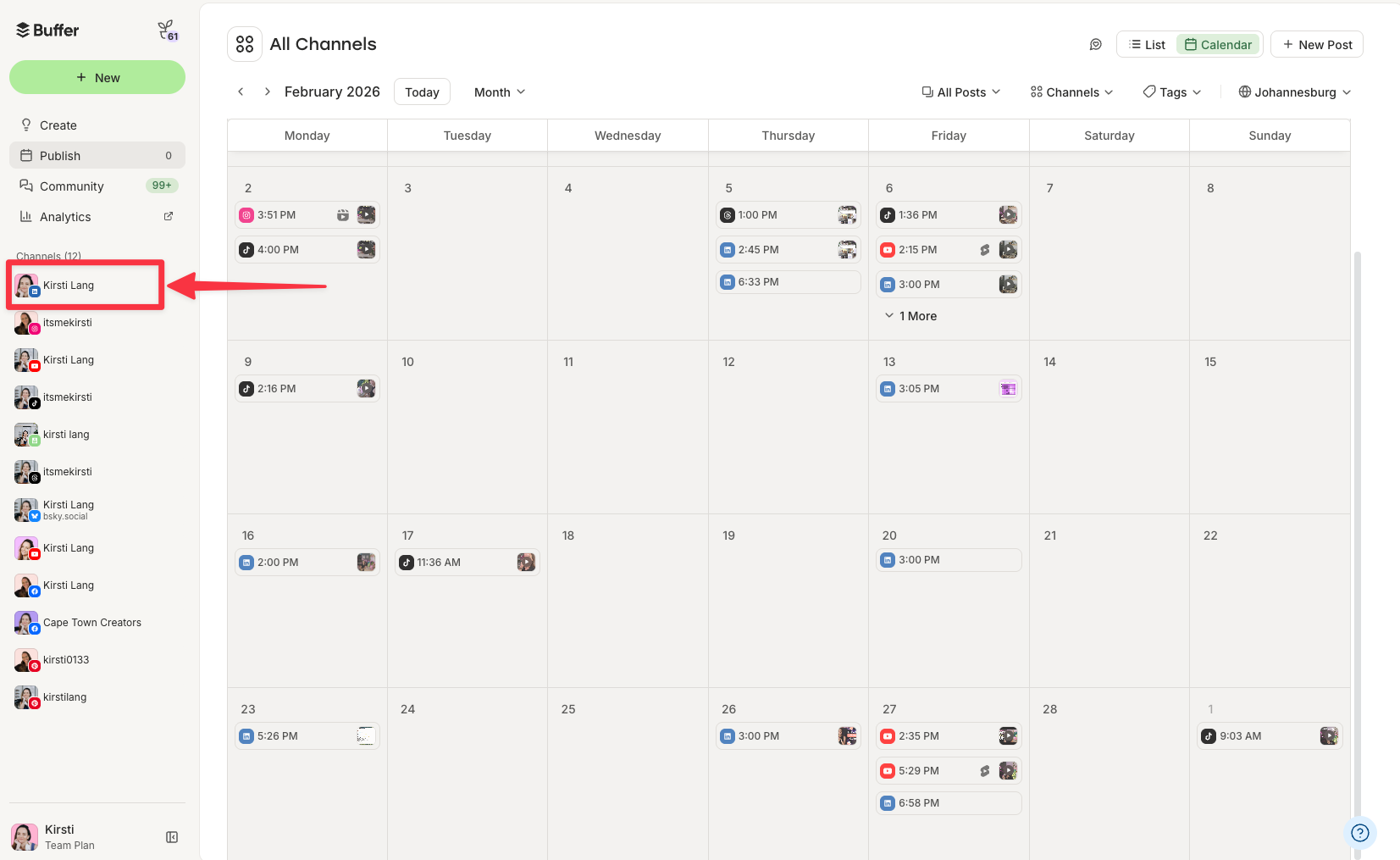
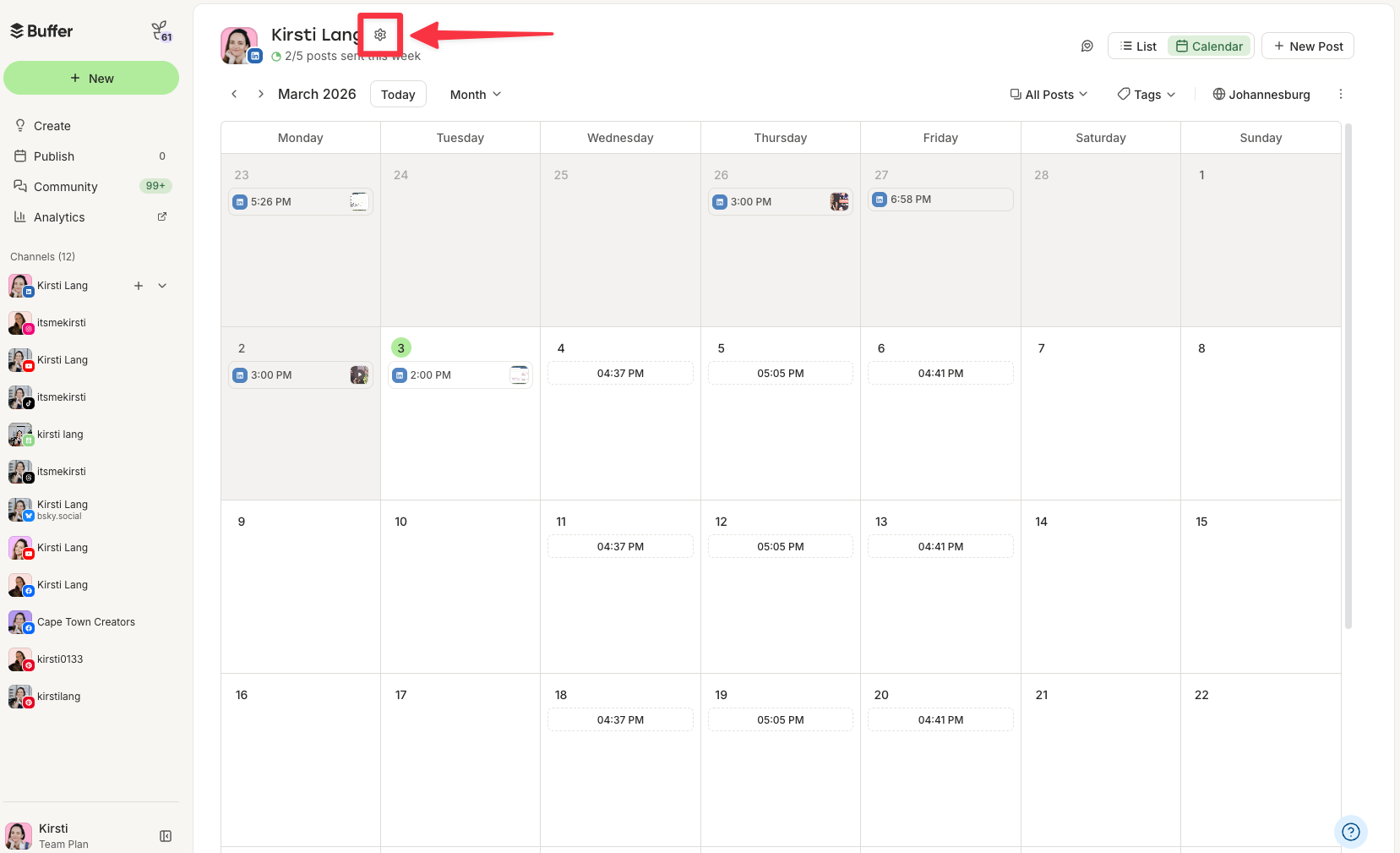
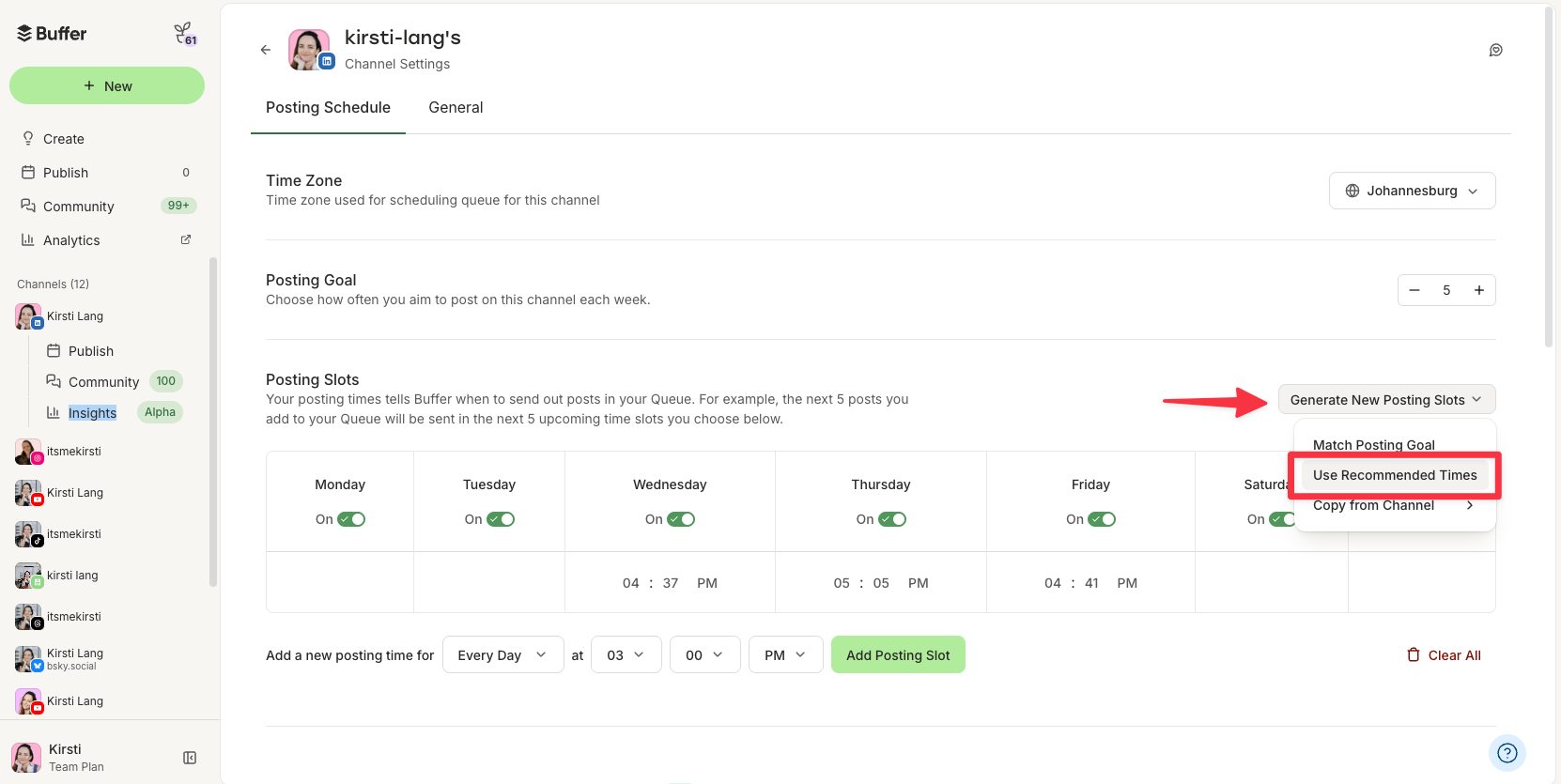
- Embrace Automation: Tools like Buffer, which can automatically set posting schedules to the best times based on live data, become invaluable. This allows content creators to focus on quality and strategy rather than manual timing, ensuring posts go live when the audience is most receptive.
- Analyze Audience-Specific Data: While Buffer’s aggregate data provides a powerful benchmark, individual audience demographics and behaviours can vary. Professionals are strongly advised to dive into their own LinkedIn analytics (or integrated social media management tool insights) to pinpoint their unique best times. LinkedIn’s native analytics offer insights into top-performing posts, but external tools provide more granular timing data.
- Adapt Content Types: The shift in timing might also influence the type of content that performs best during these evening hours. Content that is easily consumable, thought-provoking, or provides a moment of reflection might resonate more with professionals winding down their day, compared to highly analytical or action-oriented content often sought during business hours.
Beyond Timing: Content Quality and Frequency
While timing is a critical component of LinkedIn success, it is not a standalone solution. The fundamental principles of content quality and strategic frequency remain paramount. A perfectly timed post will only achieve its potential if the content itself is relevant, valuable, and engaging to the target audience.
Buffer’s parallel research on posting frequency offers further valuable insights. Analyzing over 2 million LinkedIn posts, it was found that posting 2 to 5 times per week represents a sweet spot for most creators and brands. This cadence typically yields around 1,182 more impressions per post and a 0.23 percentage point increase in engagement rate compared to posting only once a week. This frequency appears to be the threshold at which LinkedIn’s algorithm recognizes a user as active, leading to broader content distribution. For those capable of sustaining a higher volume, posting 6 to 10 times per week can push gains further, delivering an average of 5,001 more impressions per post. An impressive 11+ posts per week can lead to dramatic lifts, with nearly 17,000 more impressions per post and three times the engagement, regardless of audience size.
Regarding content types, carousel (document) posts currently lead the pack in engagement. Data indicates that they can generate up to 596% more engagement than text-only posts, positioning them as a standout format on the platform. Beyond format, content that delivers genuine insights, professional value, or a unique perspective consistently performs well, aligning with LinkedIn’s core purpose as a professional networking and knowledge-sharing platform.
The Imperative of Personalised Strategy
The "golden hour" concept, referring to the initial period after a post goes live where early engagement can build momentum, remains relevant. While LinkedIn has not officially confirmed a specific duration, the influence of early interactions on content distribution is acknowledged. Therefore, publishing when the audience is most active can indeed provide a stronger initial push for a post.
It is also important to consider the worst times to post. Based on the 2026 data, early mornings (before noon) and the initial days of the week (Monday and Tuesday) tend to yield the lowest engagement. Weekends are generally quiet, though late Saturday morning and late Sunday evening show minimal activity. Content intended for high performance should steer clear of these low-engagement windows.
Ultimately, while aggregate data provides an invaluable starting point, the most effective LinkedIn strategy is one that is continually refined through experimentation and analysis of individual audience behaviour. The landscape of social media is constantly evolving, driven by technological advancements, shifts in work culture, and changing user habits. Staying attuned to these trends and leveraging data-driven insights will be crucial for maintaining relevance and maximizing impact on platforms like LinkedIn in 2026 and beyond. Adapting to the newly identified evening peak is not merely a tactical adjustment but a strategic imperative for navigating the evolving professional digital ecosystem.