Plaintiff Drops Landmark Social Media Addiction Lawsuit Against Meta, Marking a Pivotal Moment in Tech Accountability

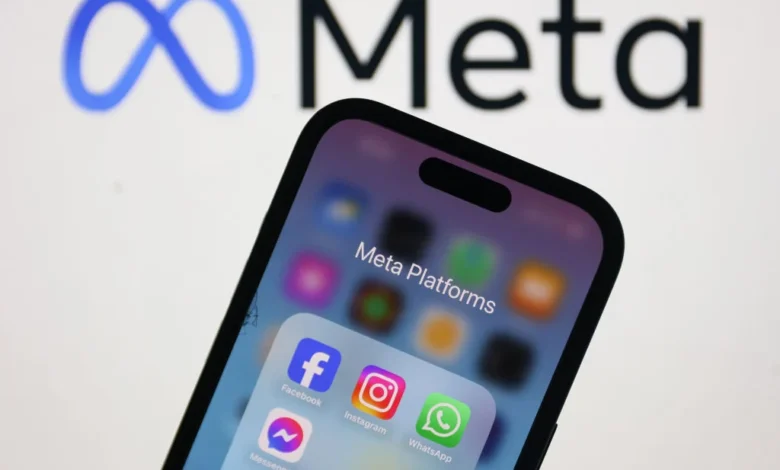
The closely watched social media addiction lawsuit, which had positioned Meta Platforms as the sole remaining defendant following settlements by TikTok, Google’s YouTube, and Snap, has been abruptly dropped by the plaintiff. This development, confirmed by Meta in a statement asserting that the plaintiff chose to discontinue the case without receiving any payment, halts a bellwether jury trial that was slated to commence next week in the Superior Court of California in Los Angeles. The decision marks a significant turn in the ongoing legal challenges facing major tech companies regarding the design and impact of their platforms on young users.
The Genesis of the Legal Challenge and its Initial Scope
The lawsuit, brought by a Florida teenager identified only by the initials "R.K.C.," was one of thousands of similar legal actions initiated by adolescents, schools, and state attorneys general across the United States. These collective suits accuse prominent social media corporations of intentionally designing and operating addictive platforms, leading to various harms, including mental health issues and developmental impairments, particularly among young users. The core allegations center on features such as infinite scroll, continuous notification streams, and algorithmic content delivery, which critics argue are engineered to maximize user engagement and screen time, often at the expense of user well-being. The potential precedent that could have been established by a verdict in this or similar cases held the promise of fundamentally reshaping how these companies construct and operate their immensely popular applications, compelling them to prioritize user safety and mental health over engagement metrics.
Before the plaintiff’s decision to drop the case against Meta, the legal landscape surrounding R.K.C.’s claim had seen several major shifts. TikTok and Google’s YouTube had previously reached confidential settlement agreements with the plaintiff, opting to resolve the disputes outside of court proceedings. More recently, Snap, the parent company of Snapchat, also confirmed a tentative agreement to settle with the plaintiff, leaving Meta as the sole corporate giant facing the prospect of a public jury trial. This sequential withdrawal of defendants through settlements underscored the perceived risks and potential liabilities associated with litigating these addiction claims in open court, particularly given the public scrutiny and potential for adverse findings.
A Broader Legal Battleground: The Wave of Social Media Litigation
The lawsuit initiated by R.K.C. is not an isolated incident but rather a microcosm of a much larger, coordinated legal offensive against the social media industry. Over the past few years, a growing chorus of parents, educators, and public health advocates has voiced alarm over the documented rise in mental health crises among adolescents, coinciding with the pervasive adoption of social media platforms. Lawsuits filed in federal and state courts across the nation allege that companies like Meta, TikTok, Google, and Snap have knowingly exploited vulnerabilities in the adolescent brain, using sophisticated psychological tactics and design elements to foster compulsive usage.
These lawsuits typically draw upon various legal theories, including product liability (alleging that social media platforms are defective and unreasonably dangerous products), negligence (claiming the companies failed in their duty of care to protect young users), and consumer protection violations (accusing them of deceptive marketing practices regarding the safety and addictiveness of their platforms). The plaintiffs often seek damages for emotional distress, mental health treatment costs, and, in some cases, for the loss of educational or career opportunities attributed to social media addiction. The sheer volume and consistency of these allegations have created a formidable legal challenge for the tech industry, forcing a reevaluation of their corporate responsibilities and product design philosophies.
The "bellwether trial" designation for R.K.C.’s case was particularly significant. In complex, multi-district litigation involving thousands of similar claims, bellwether trials are selected to test legal theories, gauge jury reactions, and provide insights that can inform settlement negotiations for the remaining cases. A definitive verdict, whether for the plaintiff or the defense, would have provided crucial guidance for the myriad other lawsuits pending against social media companies, potentially influencing billions of dollars in future liabilities and dictating industry-wide changes in product development.
Chronology of Recent Legal Setbacks for Meta and the Industry
While Meta successfully sidestepped a trial in the R.K.C. case, the company has not been immune to significant legal defeats in other related battles. These earlier rulings provide essential context for understanding the high stakes involved in these addiction lawsuits and the shifting legal landscape.
Earlier this year, Meta suffered a notable courtroom defeat in a New Mexico case, marking its first such loss over social media harms. In that instance, Meta was ordered to pay a substantial $375 million in penalties. The court found that the company had misled consumers about the safety of its platforms, particularly regarding children’s privacy and exposure to harmful content, thereby endangering young users. This ruling was a stark reminder of the legal system’s increasing willingness to hold tech giants accountable for the real-world consequences of their online environments. The New Mexico case focused heavily on allegations that Meta misrepresented its privacy settings and failed to adequately protect minors from online predators and exploitative content, leading to direct harm.
Just a month prior to the New Mexico verdict, in March, a Los Angeles jury delivered another blow to both Meta and Google. In a separate landmark social media addiction trial, the jury found both companies negligent and awarded the plaintiff in that case approximately $6 million in damages. This verdict was particularly impactful as it directly addressed the issue of platform design and its contribution to user harm, rather than solely focusing on privacy or content moderation failures. The details of this specific case highlighted how algorithmic recommendations and engagement-driven features could be deemed negligent in their impact on vulnerable users, especially minors. These prior judgments underscore a growing judicial recognition of the potential for social media platforms to inflict tangible harm and a willingness to assign financial penalties to compel corporate responsibility.
Meta’s Strategic Defense and Assertive Stance
In the R.K.C. case, Meta had been preparing a robust defense, signaling its intent to vigorously contest the allegations rather than pursuing a settlement. The company’s planned arguments revealed a multi-pronged strategy aimed at discrediting the plaintiff’s claims of addiction and causality. Meta intended to assert that the plaintiff had allegedly used his Facebook and Instagram accounts for only minutes per day on average, thereby challenging the premise of severe, platform-induced addiction. Furthermore, Meta planned to argue that most of the plaintiff’s accounts had purportedly been created after he had retained legal counsel, suggesting that the lawsuit might have been opportunistically motivated rather than stemming from genuine, long-standing addiction issues.
Following the plaintiff’s decision to drop the case, Meta issued a statement reiterating its resolve: "This outcome makes clear that we will not back away from defending ourselves against baseless lawsuits." This declaration reinforces Meta’s position that it views many of these addiction claims as lacking sufficient merit and indicates a corporate strategy of fighting such cases in court when it believes its defense is strong, rather than acceding to settlement demands. This aggressive posture differentiates Meta from its peers, TikTok, YouTube, and Snap, all of whom chose to settle, avoiding the uncertainties and public scrutiny of a trial.
Broader Implications and Future Outlook
The dropping of R.K.C.’s lawsuit against Meta carries significant implications for both the tech industry and the ongoing legal battles surrounding social media’s impact. While it represents a tactical victory for Meta in this specific instance, it does not fundamentally alter the broader legal and regulatory challenges the company and its peers continue to face.
One immediate implication is the potential emboldening of Meta’s legal strategy. Having successfully avoided a trial and a payout in this high-profile bellwether case, Meta may be more inclined to litigate similar lawsuits in the future, especially if it perceives weaknesses in the plaintiffs’ arguments. This could lead to a more protracted and costly legal landscape for plaintiffs’ attorneys and a longer road to resolution for other addiction claims.
However, this victory must be viewed in the context of Meta’s recent legal setbacks. The New Mexico judgment and the Los Angeles jury verdict demonstrate that courts are increasingly receptive to arguments about social media harms. These rulings have established precedents that could still be leveraged by plaintiffs in other cases, even if the R.K.C. case against Meta did not proceed to trial. The fundamental questions about platform design, algorithmic responsibility, and the mental health impact on young users remain very much alive in the legal system.
From a regulatory perspective, the ongoing litigation, regardless of specific outcomes, continues to fuel momentum for legislative action. Policymakers in the U.S. and globally are actively considering stricter regulations for social media companies, particularly concerning child safety, data privacy, and addictive design features. The Kids Online Safety Act (KOSA) in the U.S., for example, aims to impose duties on platforms to prevent and mitigate harms to minors. Even without a verdict in the R.K.C. case, the public discourse and the sheer volume of lawsuits serve as powerful catalysts for legislative intervention, pushing companies towards self-regulation or mandated changes.
For users, particularly adolescents and their parents, the outcome of this case might offer mixed signals. While the pursuit of accountability continues through other channels, the lack of a direct trial verdict in a bellwether case against Meta means that a definitive judicial statement on the legality of current platform design practices was not achieved in this instance. However, the collective pressure from thousands of lawsuits, coupled with growing scientific evidence linking excessive social media use to mental health issues, is undeniably prompting a broader conversation about digital well-being and responsible technology use.
Ultimately, the dropped lawsuit against Meta is a single chapter in a much longer and complex narrative. It underscores the immense legal resources available to tech giants to defend their business models. Yet, it does not diminish the increasing scrutiny, legal challenges, and regulatory pressures facing the social media industry as it grapples with its profound impact on society, especially on the younger generations. The pursuit of corporate accountability for platform design and its consequences is set to continue, with future legal battles and legislative efforts poised to further shape the digital landscape.