Optimizing TikTok Engagement: A Data-Driven Analysis of Best Posting Times in 2026

For content creators, small business owners, and marketers navigating the dynamic landscape of short-form video, understanding the optimal timing for content publication on TikTok is not merely a suggestion but a critical strategic imperative. While the platform offers continuous engagement, discerning when posts achieve peak visibility and interaction can significantly amplify reach and impact. A recent comprehensive study by Buffer, analyzing an extensive dataset of over 7.1 million TikTok videos, carousels, photos, and text posts, has meticulously identified clear patterns, providing invaluable insights into maximizing content performance. This analysis delves into these findings, outlining the most opportune moments for posting, elucidating the underlying algorithmic principles, and offering actionable strategies for tailoring these insights to individual audience behaviors.
The Algorithmic Imperative: Why Timing Matters on TikTok
The TikTok algorithm, a sophisticated recommendation engine, plays a pivotal role in a piece of content’s success. Unlike traditional social media feeds, TikTok’s "For You Page" (FYP) serves as a personalized stream, constantly adapting to user preferences. When new content is published, the algorithm initially exposes it to a small, targeted group of users. Their immediate interactions – including views, likes, shares, comments, and crucially, watch time – act as vital signals. If this initial audience engages positively, the algorithm interprets it as an indicator of broader appeal, subsequently pushing the content to a wider audience on the FYP. Conversely, a lack of early engagement can severely limit a video’s distribution.
This mechanism underscores the significance of timing. Posting content when a target audience is most active and receptive significantly increases the likelihood of securing that initial burst of engagement. Users are more inclined to dedicate active, sound-on attention to short-form video during periods of leisure or breaks, as opposed to times when they might be multitasking or engaged in less focused activities. This behavioral pattern directly influences the window of opportunity for content creators to capture attention and trigger algorithmic promotion. Therefore, while compelling content remains paramount, strategic timing provides a crucial head start, enhancing the chances of a video resonating with its intended viewers and achieving broader viral potential.
Buffer’s Groundbreaking Analysis: A Deep Dive into 7.1 Million Posts
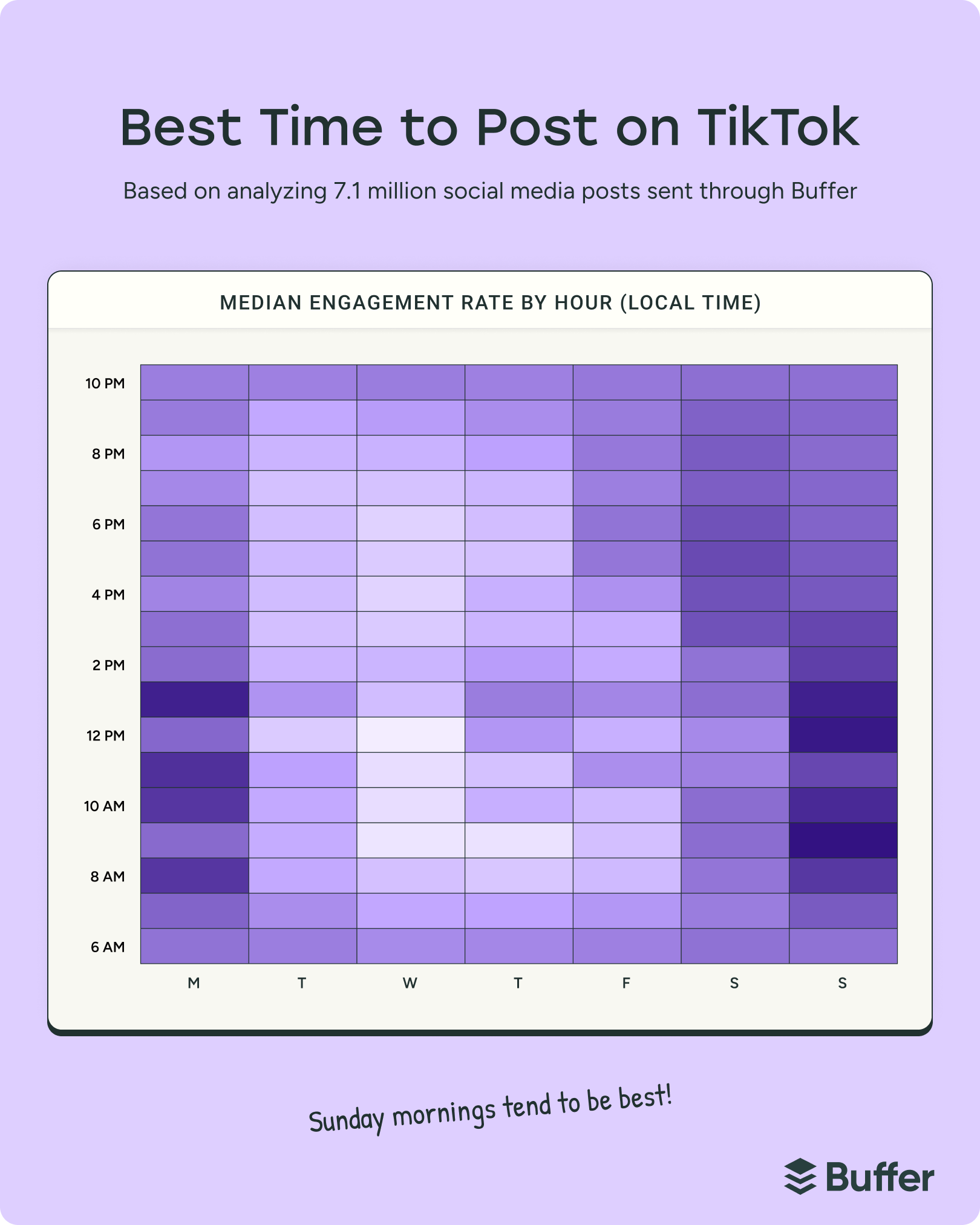
Buffer’s study stands out due to its sheer scale and rigorous methodology. By examining 7.1 million posts published through its platform, encompassing a diverse array of content formats—videos, carousels, photos, and text posts—Buffer’s data science team meticulously calculated the median engagement rate for each posting hour across every day of the week. This large-scale analysis mitigates the variability often seen in smaller datasets, offering a robust and statistically significant understanding of platform-wide trends.
One of the study’s key strengths lies in its universal applicability. The recommended times presented are not tied to a specific timezone; Buffer’s data science team has applied advanced mathematical normalization to ensure these insights are broadly relevant, irrespective of a creator’s geographical location. This means creators can adopt these peak times as a starting point without the complex task of timezone conversions, although local audience analytics remain essential for fine-tuning. The findings reveal clear patterns, highlighting specific hours and days when content consistently garners higher median engagement rates compared to others.
Unveiling the Peak Engagement Windows: Overall Trends
The overarching discovery from Buffer’s analysis points to evenings and weekends as generally the most fertile ground for TikTok engagement. Specifically, the data identifies Sunday at 9 a.m. as the single highest-performing time slot across the entire week, closely followed by Monday at 1 p.m. and Sunday at 1 p.m. These times represent periods where content tends to achieve the highest median engagement.
A broader look at the data, often visualized through a heatmap, illustrates that engagement generally experiences an uptick during the evening hours, with peak activity observed between 6 p.m. and 11 p.m. Conversely, afternoons, particularly from 12 p.m. to 5 p.m., typically exhibit lower engagement across most days, with a few notable exceptions, such as lunchtime spikes. This pattern aligns logically with user behavior: individuals are more likely to be actively scrolling and consuming entertainment during their leisure time, such as after work, during dinner, or while unwinding before bed, as well as on weekend mornings. This contrast with text-based platforms, which can be quickly scanned during brief moments, emphasizes TikTok’s demand for more focused, immersive viewing, which is typically afforded during these prime relaxation hours.
Daily Breakdown of Optimal Posting Times
While general trends provide a foundational understanding, a day-by-day analysis offers more granular insights for strategic scheduling.
- Monday: Kicking off the week, the best time to post on Monday is 1 p.m., followed by strong secondary times at 11 a.m. and 8 a.m. Monday emerges as one of the strongest days for TikTok engagement, suggesting a potential post-lunch and mid-morning scroll phenomenon as users ease into the work week.
- Tuesday: For Tuesday, the optimal time is remarkably early at 6 a.m., with secondary peaks at 10 p.m. and 7 a.m. This early morning window might capture commuters or those starting their day with a quick scroll, while the late-night slot caters to evening wind-down routines.
- Wednesday: Wednesdays tend to be quieter overall, making strategic timing even more crucial. The best time is 10 p.m., with other viable slots at 6 a.m. and 9 p.m. If content creators are selective about their posting frequency, other days might yield stronger results, but these late-night slots can still be effective.
- Thursday: Similar to Wednesday, Thursday generally experiences lower engagement. The best time to post is 1 p.m., followed by 10 p.m. and 6 a.m. The lunchtime slot again appears as a brief window of opportunity amidst otherwise lower daily activity.
- Friday: As the work week concludes, engagement picks up significantly. The best time on Friday is 6 p.m., with robust secondary times at 10 p.m. and 8 p.m. This reflects users transitioning into weekend mode, seeking entertainment during their evening leisure.
- Saturday: Saturday stands out as the strongest day for TikTok engagement. The prime time is 5 p.m., with excellent performance also observed at 4 p.m. and 3 p.m. This consistent afternoon-to-evening window highlights the weekend’s importance for capturing highly engaged audiences, making it an ideal day for content releases.
- Sunday: Following Saturday’s lead, Sunday maintains strong engagement, particularly in the morning. The single best time of the entire week is 9 a.m. on Sunday, making it a must-consider slot for creators. Other strong times include 1 p.m. and 12 p.m., reinforcing the weekend’s appeal for content consumption.
The Weekend Advantage: A Strategic Imperative
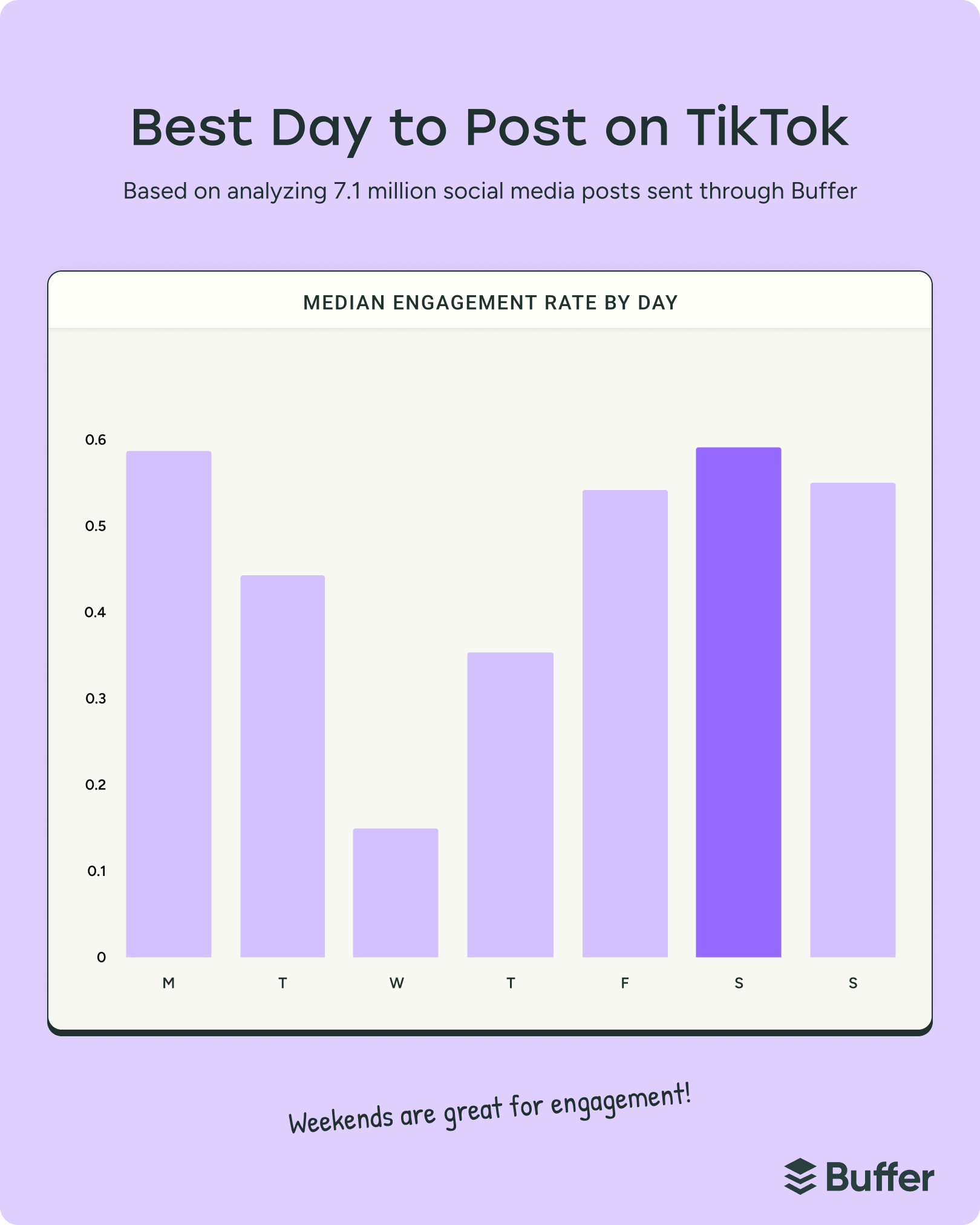
The data unequivocally highlights the weekend, particularly Saturday and Sunday, as the most advantageous period for posting on TikTok. Saturday consistently delivers the highest overall engagement rates, followed closely by Monday and Sunday. This finding contrasts with some earlier studies that suggested stronger weekday engagement, underscoring the evolving nature of user habits and algorithmic priorities. The sustained activity throughout Saturday afternoon and evening, coupled with Sunday morning’s peak, suggests that users are more relaxed, have more free time, and are actively seeking entertainment or inspiration on the platform during these periods. For creators, this translates into a strategic imperative to prioritize content publication during these weekend windows, potentially scheduling high-value content to capitalize on increased audience receptivity.
Beyond Universal Trends: Tailoring to Your Audience
While Buffer’s broad analysis provides an excellent starting point, successful TikTok strategy hinges on understanding one’s specific audience. Every creator’s followers have unique demographics, timezones, and behavioral patterns. Therefore, leveraging TikTok’s native analytics tools is crucial for personalization.
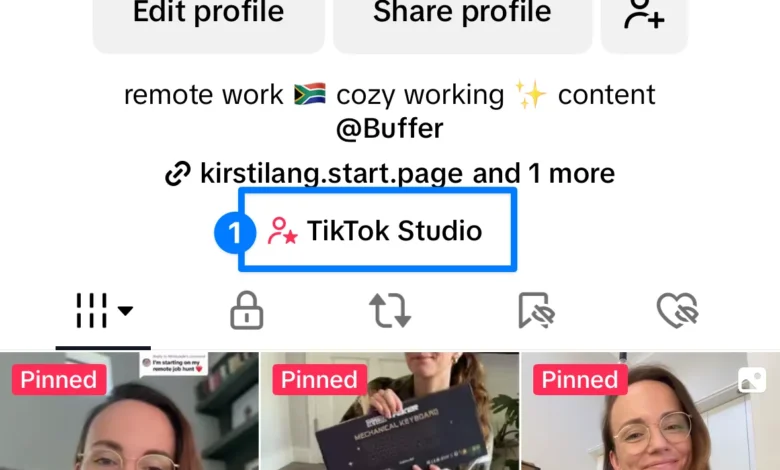
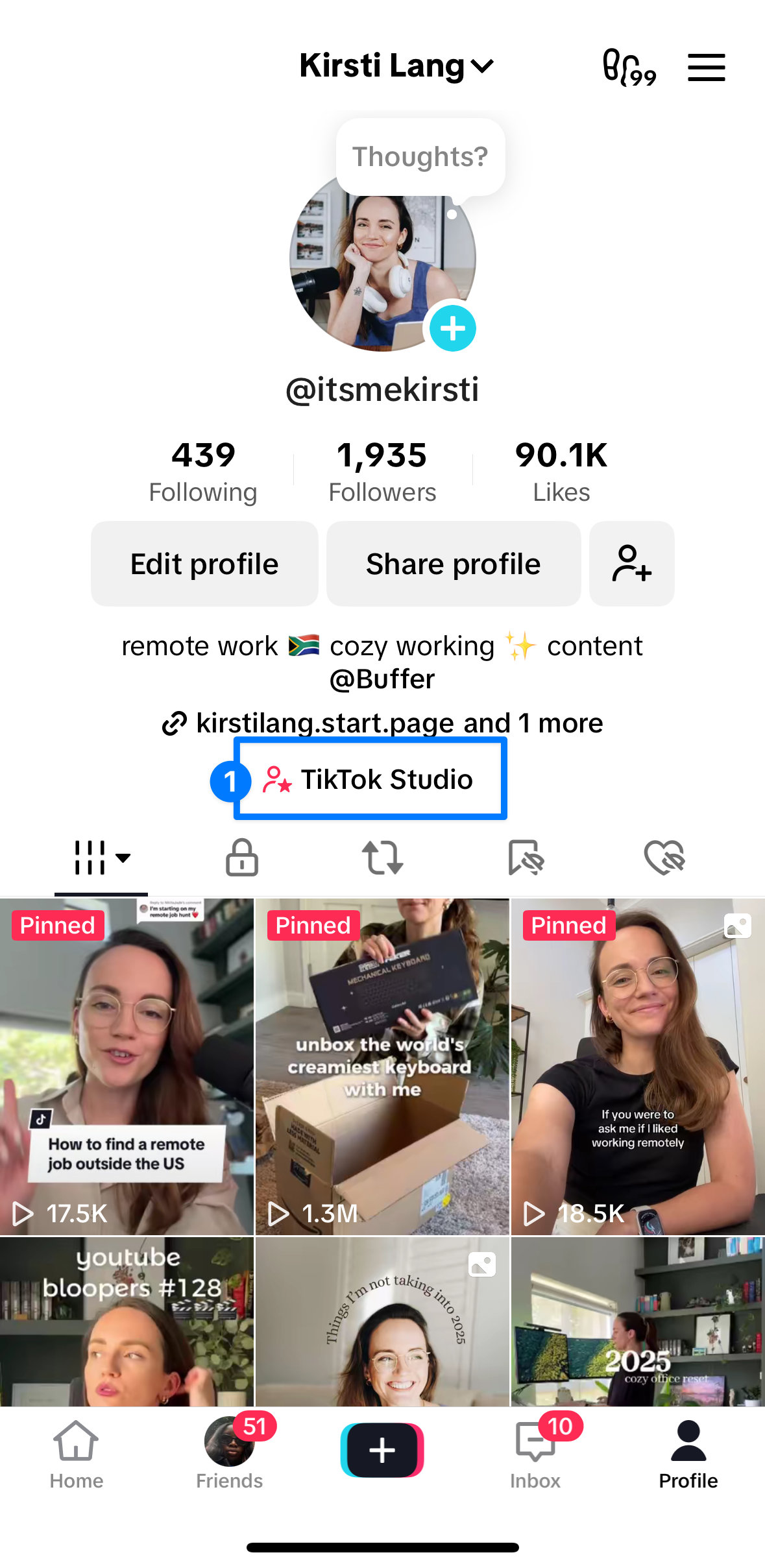
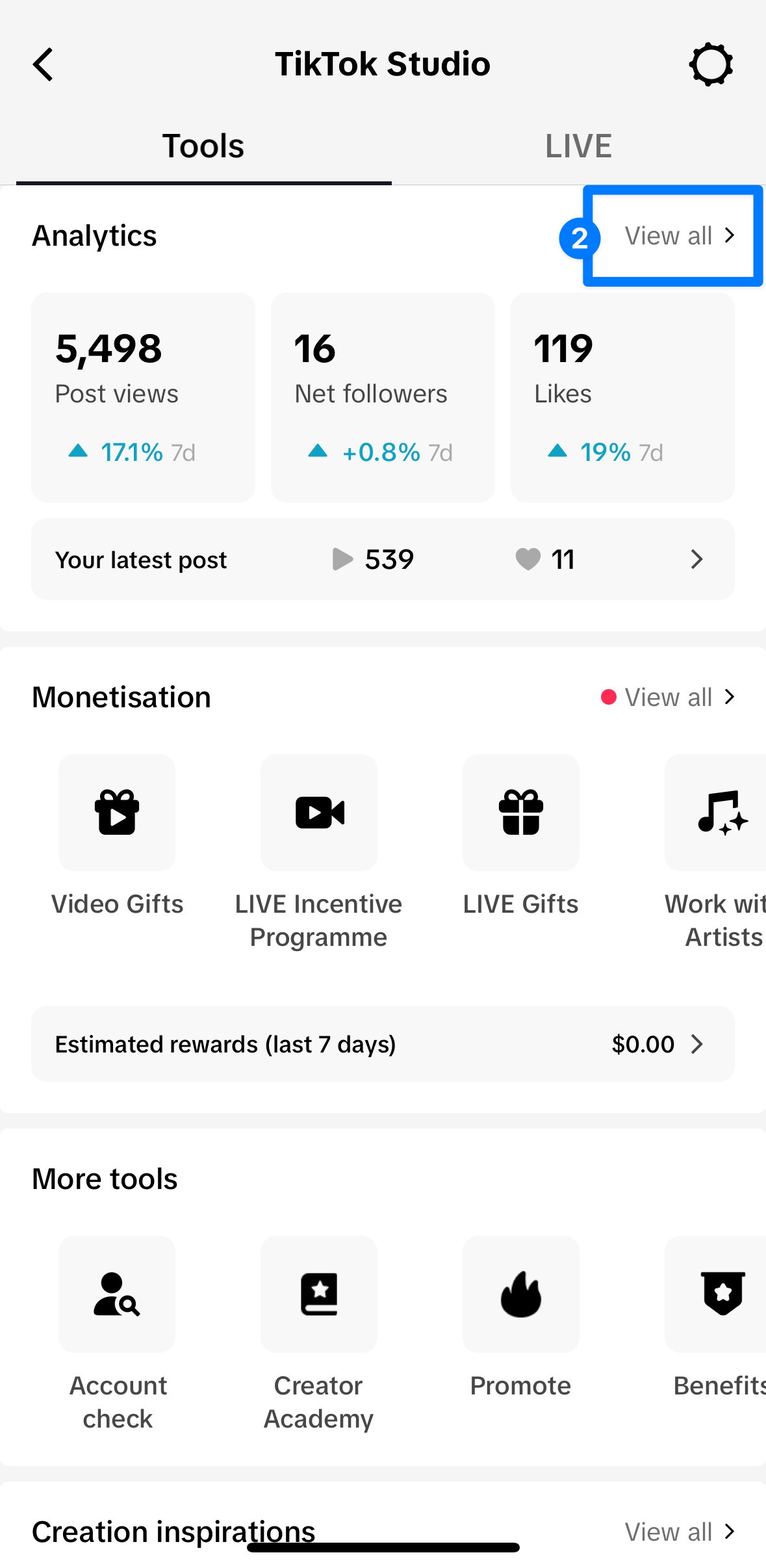
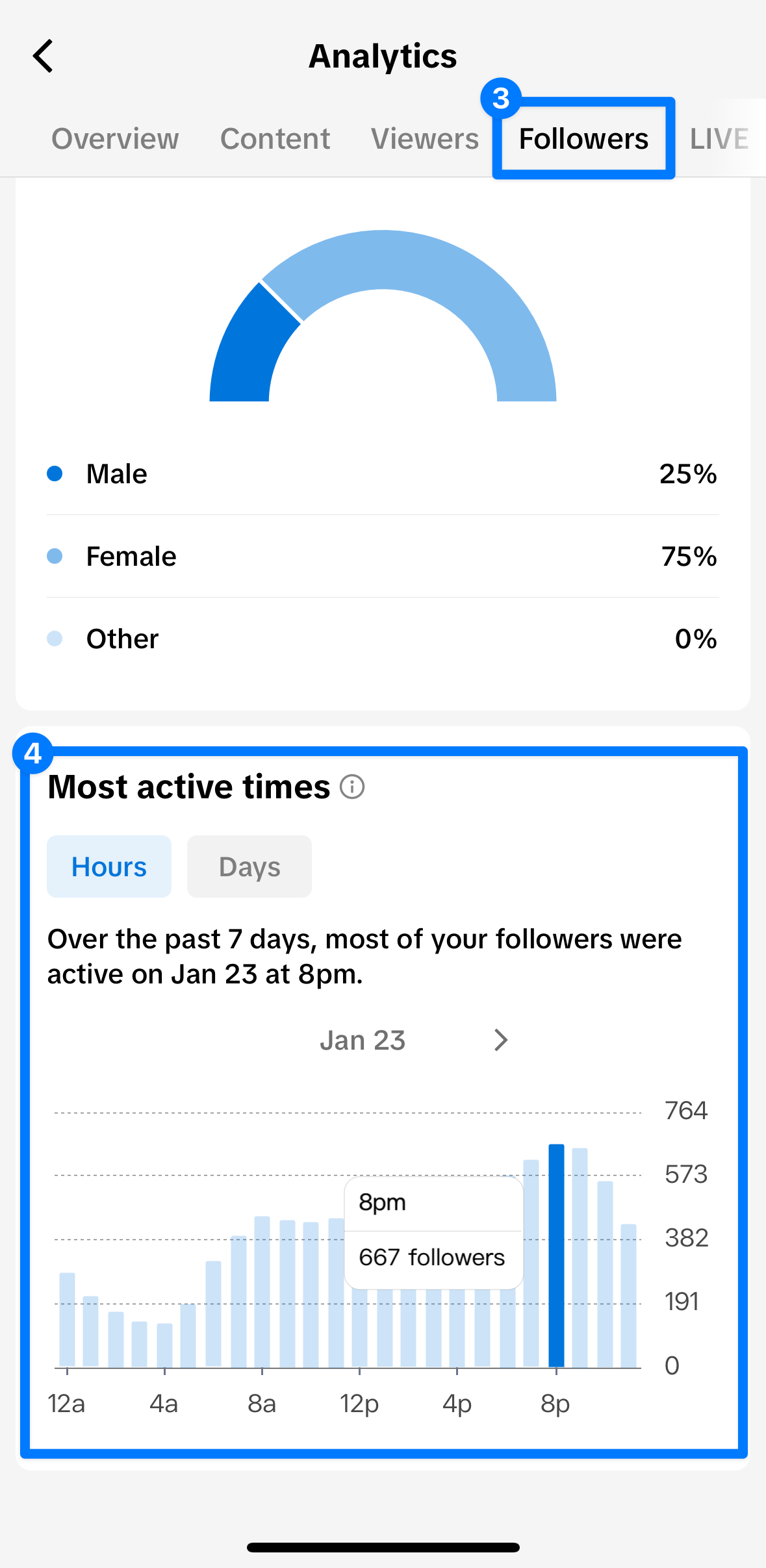
- TikTok Analytics Deep Dive: Creators with a Pro or Business account can access comprehensive analytics. Navigate to the "Followers" tab, then to "Most active times." This section provides a retrospective overview of when an account’s specific followers were most active on the app over the past week, presented hourly and daily. It’s a goldmine for understanding actual audience behavior.
- Pattern Recognition: Systematically noting down peak activity times from analytics over several days or weeks allows creators to identify recurring patterns. It’s often advisable to post slightly before these peak times to allow the algorithm a head start in distributing the content as the audience comes online.
- Strategic Posting Schedule: Integrating these personalized insights into a structured content calendar or posting schedule is vital. A well-planned schedule reduces the mental overhead of daily decision-making, ensuring consistency—a key factor for algorithmic favorability.
- Experimentation and A/B Testing: The TikTok landscape is dynamic, with trends and algorithms constantly evolving. Creators should not shy away from continuous experimentation. Trying different posting times, even small shifts (e.g., 6 p.m. instead of 3 p.m.), and observing the resulting engagement can reveal new optimal windows. The type of content also matters; educational content might perform better in morning "learning" mindsets, while entertainment thrives in evening "wind-down" periods.
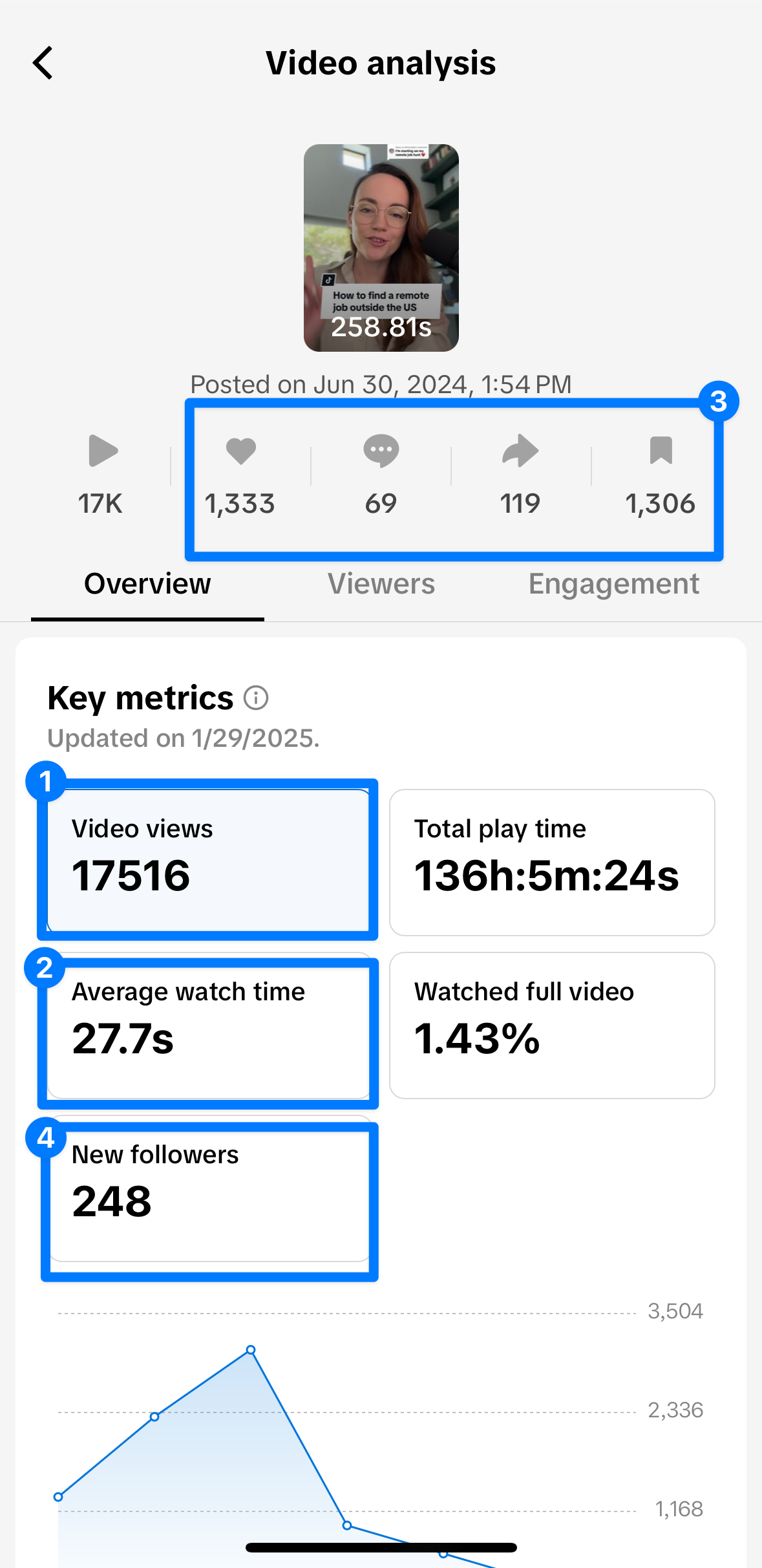
- Performance Analysis: After implementing a new schedule, rigorous analysis of content performance is necessary. Key metrics to track include total views, average watch time, total play time, and follower growth. Watch time, in particular, is a powerful algorithmic signal. If watch time is low, timing alone cannot compensate for content quality.
- Iterative Optimization: TikTok success is an ongoing process. If initial adjustments don’t yield desired results, creators should be prepared to refine their schedule, experiment further, and critically assess their content strategy. Conversely, if certain times prove effective, consistency during these periods, while still introducing new test slots, is recommended.
Leveraging Technology: The Role of Scheduling Tools
For creators and businesses managing multiple social media platforms or simply aiming for efficiency, social media scheduling tools like Buffer are indispensable. These platforms allow users to pre-schedule TikTok posts, ensuring content is published during optimal windows without requiring manual intervention. Buffer, for instance, integrates its data-backed recommended posting times directly into its scheduling interface, automatically generating high-engagement slots in a user’s queue and calendar. This automation frees creators from being "glued to their phone" during peak hours, enabling consistent presence and allowing them to focus on content creation.
Strategic Implications for Diverse Users
The insights from Buffer’s study carry significant implications for various stakeholders within the TikTok ecosystem:
- Content Creators: Armed with this data, creators can refine their content calendars, prioritizing the creation and scheduling of high-value content for peak engagement windows. This strategic approach can lead to faster audience growth, increased visibility for sponsored content, and a stronger personal brand.
- Small Businesses: For businesses leveraging TikTok for marketing, optimized posting times translate directly into enhanced brand awareness, higher conversion rates for calls to action, and more efficient allocation of marketing resources. Reaching the right audience at the right time maximizes the ROI of their content creation efforts.
- Marketers and Agencies: These findings provide a robust framework for developing data-driven TikTok strategies for clients. It enables them to justify scheduling decisions, forecast potential engagement more accurately, and demonstrate tangible results, contributing to more successful campaigns.
Addressing Common Questions and Future Outlook
- Is there a "magic" time to go viral? While no time guarantees virality, posting during peak engagement windows gives content a significant advantage. Early momentum from an active audience is crucial for algorithmic promotion to the FYP. The highest-performing times (Sunday 9 a.m., Monday 1 p.m., Saturday 3-5 p.m.) offer the best starting positions, but content quality and watch time remain the ultimate determinants.
- Do posting times need timezone adjustment? Buffer’s data is normalized for universal applicability. However, checking TikTok Analytics for your specific audience’s most active times is always the best practice, especially if your followers are geographically diverse.
- Consistency vs. Daily Posting: Consistency in posting matters more than posting every single day. Sustainable schedules that align with audience activity are more effective than sporadic bursts.
- What if content isn’t getting views? Timing is a boost, not a fix. If views are low, prioritize improving content quality, especially the "hook" (the first 3 seconds) and overall watch time. The algorithm heavily favors content that holds viewer attention.
- Testing Duration: Given TikTok’s unpredictable nature, test each new time slot for at least a few weeks to identify true patterns rather than one-off spikes.
The TikTok landscape is in a constant state of flux, driven by evolving user behaviors and continuous algorithmic updates. Therefore, a successful strategy is not static but adaptive. By combining the powerful, broad-stroke insights from studies like Buffer’s 7.1 million post analysis with granular, audience-specific data from TikTok Analytics, creators and businesses can develop an agile, data-informed approach. This iterative process of posting, tracking, and adjusting is the cornerstone of sustainable growth and enhanced engagement on the platform, ensuring content consistently reaches the right people at the right moment.