Bellwether Social Media Addiction Lawsuit Against Meta Dropped by Plaintiff Without Payment

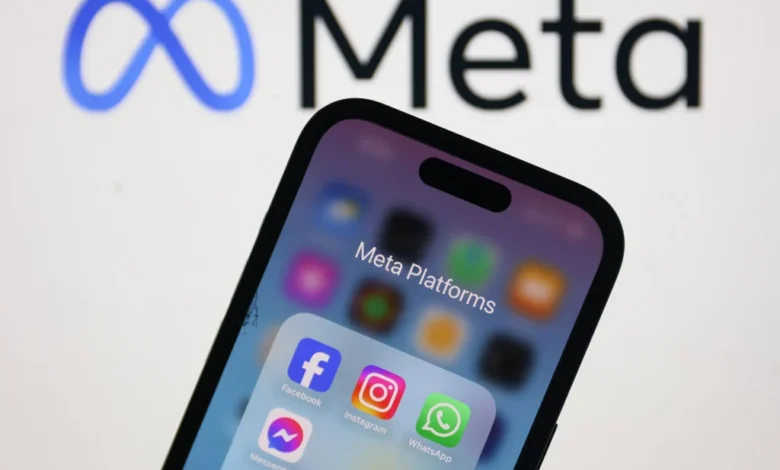
A significant bellwether lawsuit alleging social media addiction, which had seen TikTok, Google’s YouTube, and Snap settle with the plaintiff, has now been entirely dropped against the sole remaining defendant, Meta Platforms. The abrupt end to the case comes just days before a highly anticipated jury trial was scheduled to commence in the Superior Court of California in Los Angeles, marking a complex turn in the ongoing legal battle against tech giants over platform design and user harm.
A Pivotal Case Ends Abruptly
The plaintiff, identified only by the initials "R.K.C.," a Florida teenager, had initiated the lawsuit, alleging that Meta, alongside other major social media companies, deliberately designed addictive platforms that caused him harm. On the eve of what was poised to be a landmark trial, Meta announced that R.K.C. had chosen to withdraw his case against the company without receiving any financial compensation. This outcome represents a notable victory for Meta, which had consistently maintained its innocence and preparedness to defend its platforms in court.
The case was part of a sprawling multidistrict litigation (MDL) that consolidates thousands of similar lawsuits filed by teenagers, parents, schools, and state attorneys general across the United States. These lawsuits collectively accuse leading technology companies of intentionally developing features that foster compulsive use, leading to adverse mental health outcomes, particularly among young users. The R.K.C. case was designated as a bellwether trial, meaning its outcome was intended to guide potential settlements and legal strategies for the thousands of other similar cases awaiting resolution.
Defendants’ Prior Settlements Paved the Way
Before R.K.C.’s decision to drop the case against Meta, the other co-defendants had already reached settlement agreements with the plaintiff. TikTok and Google’s YouTube were the first to settle, their agreements reached prior to Snap’s recent tentative settlement. Snap confirmed its preliminary agreement just a day before Meta’s announcement, leaving Meta as the last standing defendant. The specific terms of these earlier settlements have not been publicly disclosed, but their occurrence underscored the growing legal pressure on social media companies to address allegations of platform-induced addiction. The staggered settlements had created an expectation of a unified front against Meta in the upcoming trial, making the plaintiff’s sudden withdrawal all the more surprising.
The Broader Landscape of Social Media Litigation
The R.K.C. lawsuit is merely one component of a vast legal offensive against social media companies, reflecting a societal reckoning with the pervasive influence of digital platforms. Critics argue that these companies have prioritized engagement and profit over user well-being, particularly for adolescents whose developing brains are more susceptible to the manipulative design features employed. Legal actions range from individual personal injury claims to large-scale class-action lawsuits and governmental actions, all broadly targeting the alleged harms associated with excessive and addictive social media use.
Estimates suggest that over 2,000 such cases have been filed nationwide, consolidated under a federal MDL in the U.S. District Court for the Northern District of California. These cases draw parallels to historical litigations against industries like tobacco and opioids, where companies were accused of knowingly marketing harmful products while obscuring or denying the risks. The legal strategy often involves attempting to circumvent Section 230 of the Communications Decency Act, which typically protects online platforms from liability for third-party content, by focusing on the alleged addictive design of the platforms themselves rather than the content posted on them.
Allegations of Deliberate Platform Addiction
The core of the plaintiffs’ arguments revolves around specific design choices and features embedded within social media applications. These include, but are not limited to, the infinite scroll, which provides an endless stream of content, preventing natural stopping cues; push notifications, which create a constant "buzz" and compel users to re-engage; algorithmic feeds that are optimized to show content most likely to provoke emotional responses and keep users online; and variable reward systems, similar to those found in gambling, that exploit psychological vulnerabilities. Plaintiffs contend that these features are not accidental but are rather intentionally engineered using sophisticated behavioral psychology to maximize user engagement and screen time, thereby fostering addiction.
Such design principles, critics argue, exploit human psychological predispositions, leading to compulsive behaviors, reduced impulse control, and a diminished capacity for self-regulation, particularly among minors. The lawsuits often cite internal company documents or leaked research that allegedly demonstrate the companies’ awareness of these addictive properties and the potential harm to young users, yet their alleged failure to implement sufficient safeguards or warnings.
Meta’s Defense and Stance
Meta, the parent company of Facebook and Instagram, has consistently rejected the claims of deliberate platform addiction. In its official statement regarding the R.K.C. case, the company declared, "this outcome makes clear that we will not back away from defending ourselves against baseless lawsuits." This assertive stance underscores Meta’s determination to fight such allegations rather than settle, especially when it perceives the claims as lacking merit.
During the pre-trial phase, Meta had reportedly prepared to present a robust defense specifically tailored to R.K.C.’s case. The company intended to argue that the plaintiff’s alleged usage of Facebook and Instagram accounts amounted to only minutes per day on average, significantly lower than what would typically constitute addiction. Furthermore, Meta planned to highlight that many of R.K.C.’s social media accounts were allegedly created after he had retained legal counsel, suggesting a potential motivation driven by litigation rather than genuine harm from long-term platform use. These arguments aimed to challenge the factual basis of R.K.C.’s claims and undermine the narrative of severe, long-standing addiction.
Previous Legal Setbacks for Meta and Google
While the R.K.C. case ended favorably for Meta, the company has not been immune to legal defeats in other related litigations. Earlier this year, Meta suffered a significant courtroom loss in a New Mexico case, which marked its first major defeat over social media harms. In that instance, Meta was ordered to pay a substantial $375 million in penalties. The ruling found that the company had misled consumers about the safety of its platforms and had endangered children, highlighting a different facet of liability concerning user protection and transparency.
Adding to the legal pressure, a Los Angeles jury in March also handed both Meta and Google another setback. In that separate landmark social media addiction trial, the jury found both companies negligent, ultimately awarding the plaintiff some $6 million in damages. These verdicts, though distinct in their specifics from the R.K.C. case, illustrate the legal vulnerabilities tech companies face regarding platform design, content moderation, and user safety, particularly concerning minors. They also provide a glimpse into the potential financial exposure these companies face if such claims are successfully proven in court.
The Significance of Bellwether Trials
Bellwether trials play a crucial role in complex multidistrict litigations. They are early trials of a small number of representative cases, chosen to test legal theories, gauge jury reactions, and provide insights into potential damages. The outcomes of bellwether trials often influence the settlement values for the remaining bulk of similar cases, or they can guide decisions on whether to proceed with more trials or pursue alternative dispute resolution.
In the context of the social media addiction MDL, the R.K.C. case was anticipated to be a pivotal moment. A plaintiff victory could have significantly strengthened the bargaining position of thousands of other plaintiffs, potentially leading to widespread, costly settlements for the tech companies. Conversely, a strong defense victory for Meta could have signaled a tougher road ahead for plaintiffs. The abrupt dropping of the case, without a trial verdict or settlement from Meta, sends a complex signal, potentially emboldening Meta’s defense strategy in future cases, even as it leaves many questions unanswered for the broader litigation.
The Public Health Crisis: Social Media’s Impact on Youth
The legal battles unfold against a backdrop of growing public concern and scientific research regarding the impact of social media on adolescent mental health. Numerous studies and public health warnings, including advisories from the U.S. Surgeon General, have highlighted a disturbing trend of increasing rates of anxiety, depression, body image issues, and self-harm among young people, coinciding with the widespread adoption and intensive use of social media platforms.
Data from organizations like the Centers for Disease Control and Prevention (CDC) indicate a significant rise in mental health challenges among teenagers over the past decade. For instance, a 2023 CDC report revealed that more than 40% of U.S. teens reported persistent feelings of sadness or hopelessness, a substantial increase from previous years. While causation is complex and multifactorial, many experts point to social media as a significant contributing factor, citing issues such as cyberbullying, exposure to harmful content, comparison culture, sleep disruption, and the displacement of in-person social interactions.
Scientific Understanding of Digital Addiction
The concept of "social media addiction" is increasingly recognized by the scientific community, though still debated in terms of its diagnostic criteria. Research in neuroscience and psychology points to mechanisms similar to those found in substance use disorders or behavioral addictions like gambling. Social media platforms are designed to trigger dopamine release in the brain’s reward pathways, creating a cycle of anticipation and gratification. Intermittent reinforcement – the unpredictable nature of likes, comments, and new content – is particularly powerful in fostering compulsive checking behaviors.
Furthermore, fear of missing out (FOMO), social validation, and the constant availability of curated, often idealized, content can contribute to a perpetual cycle of engagement. Adolescents, whose prefrontal cortex (responsible for executive functions like impulse control and judgment) is still developing, are particularly vulnerable to these psychological manipulations. This scientific understanding forms a crucial evidential pillar for plaintiffs attempting to prove that social media platforms are not merely tools but actively engineered environments that can induce addictive behaviors.
Implications for Future Litigation and Regulation
The dropping of R.K.C.’s case against Meta without payment has multifaceted implications for the future of social media addiction litigation. For Meta, it is an undeniable tactical victory, potentially saving the company immense legal costs and avoiding a potentially damaging jury verdict that could have set a precedent. It reinforces Meta’s stated position that it will aggressively defend itself against what it deems "baseless lawsuits," perhaps making future plaintiffs think twice about pursuing claims where the evidence of severe, platform-induced harm is not overwhelmingly clear.
A Mixed Signal for Plaintiffs
For the thousands of other plaintiffs in the MDL, the outcome sends a mixed signal. On one hand, the fact that TikTok, YouTube, and Snap opted to settle indicates that these companies perceive significant risk in going to trial. These settlements could still provide a benchmark for future negotiations, even if Meta’s specific case concluded differently. On the other hand, Meta’s successful avoidance of a payout in this specific bellwether case might embolden other defendants to fight rather than settle, potentially prolonging the legal process and increasing the burden on individual plaintiffs. The decision of R.K.C. to drop the case suggests that proving direct causation of addiction and harm, especially when usage patterns are not extremely high, remains a significant legal challenge.
Continued Legislative and Regulatory Pressure
Regardless of the outcomes in individual lawsuits, the broader societal and political pressure on social media companies is unlikely to diminish. State attorneys general continue to pursue their own investigations and lawsuits, often focusing on consumer protection laws, child safety, and deceptive practices. Furthermore, legislative efforts at both federal and state levels are gaining momentum, proposing new regulations related to age verification, data privacy, algorithmic transparency, and design features aimed at protecting minors. The Surgeon General’s warnings and widespread public concern ensure that this issue remains a high priority for policymakers. The legal landscape is evolving rapidly, and even if some lawsuits are dropped, the broader movement towards greater accountability for tech platforms is firmly established.
Conclusion: An Ongoing Battle
The abrupt conclusion of the R.K.C. bellwether lawsuit against Meta marks a significant moment in the unfolding legal saga concerning social media addiction. While Meta has secured a tactical win by avoiding a trial and settlement in this specific instance, the broader battle is far from over. The thousands of remaining lawsuits, coupled with intense regulatory scrutiny and a growing public health debate, ensure that social media companies will continue to face immense pressure to address the alleged harms associated with their platforms. The implications of platform design on mental health, particularly for young users, remain a critical societal concern that will undoubtedly shape future legal, ethical, and technological developments.