The Genesis and Debut at Atlas Festival
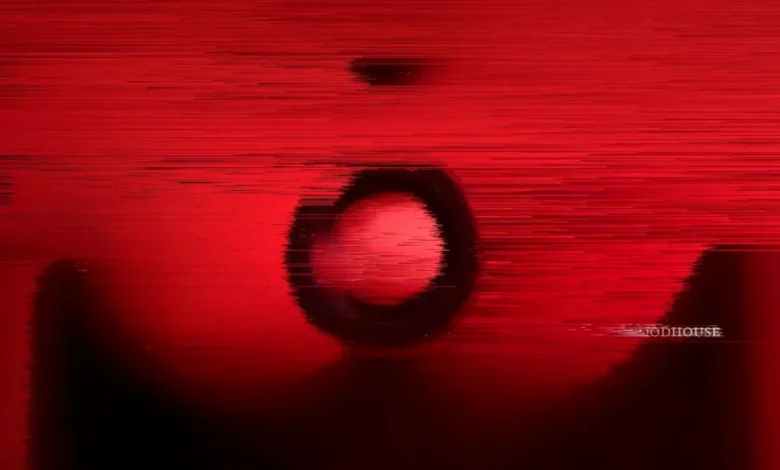
The conceptualization of "Reel 2026" began with Oliveira’s ambition to create a visual language that was not merely synchronized with sound but was organically born from it. The initial phase focused on developing a robust visual system capable of translating auditory data into compelling visual narratives. This foundational work culminated in the project’s live debut at the Atlas Festival in Lisbon, an event renowned for its focus on emerging technologies, digital art, and experimental music. The Atlas Festival, established as a vibrant platform for interdisciplinary artistic expression in the Portuguese capital, provided an ideal environment for showcasing such a pioneering work. Its audience, often comprised of artists, technologists, and enthusiasts of experimental culture, was receptive to the live, interactive nature of "Reel 2026."
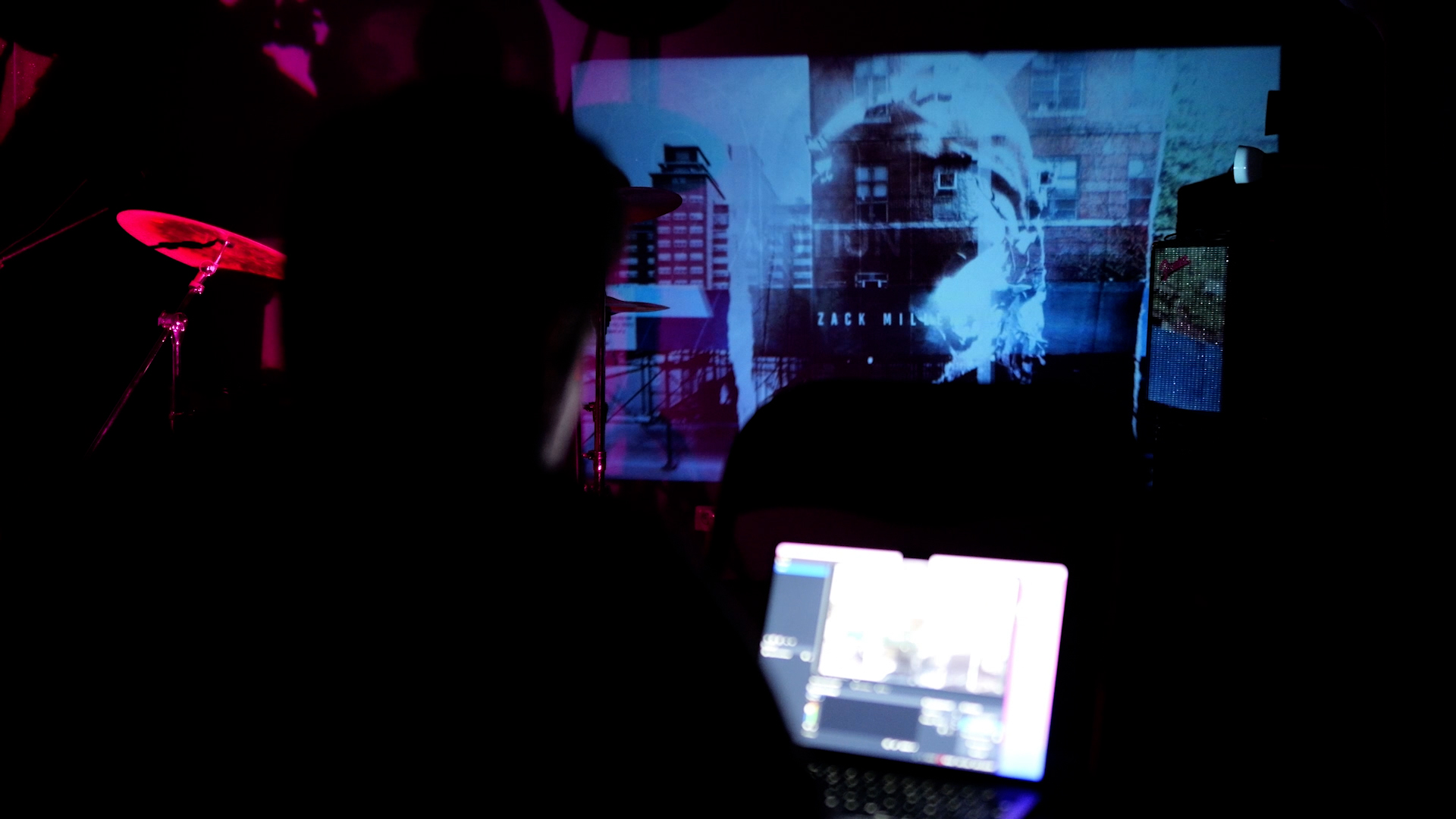
During its inaugural performance, the project featured a live drummer whose percussive inputs directly controlled the visual output projected onto a large screen. This immediate correlation between the drummer’s rhythm, dynamics, and timbre and the evolving visual landscape captivated the audience, demonstrating the profound potential of real-time sound-driven aesthetics. The choice of a drummer for the live premiere was strategic; the distinct attack, decay, and rhythmic complexity of drums offer a rich dataset for visual mapping, allowing for immediate and dramatic visual responses. The audience feedback from Atlas Festival highlighted the immersive quality of the experience, with many noting the palpable connection between the musician’s performance and the mesmerizing visuals unfolding before them. Festival organizers lauded the piece as a quintessential example of the innovative spirit they aim to foster, emphasizing its blend of technical sophistication and artistic expression.
From Live Performance to Studio Refinement
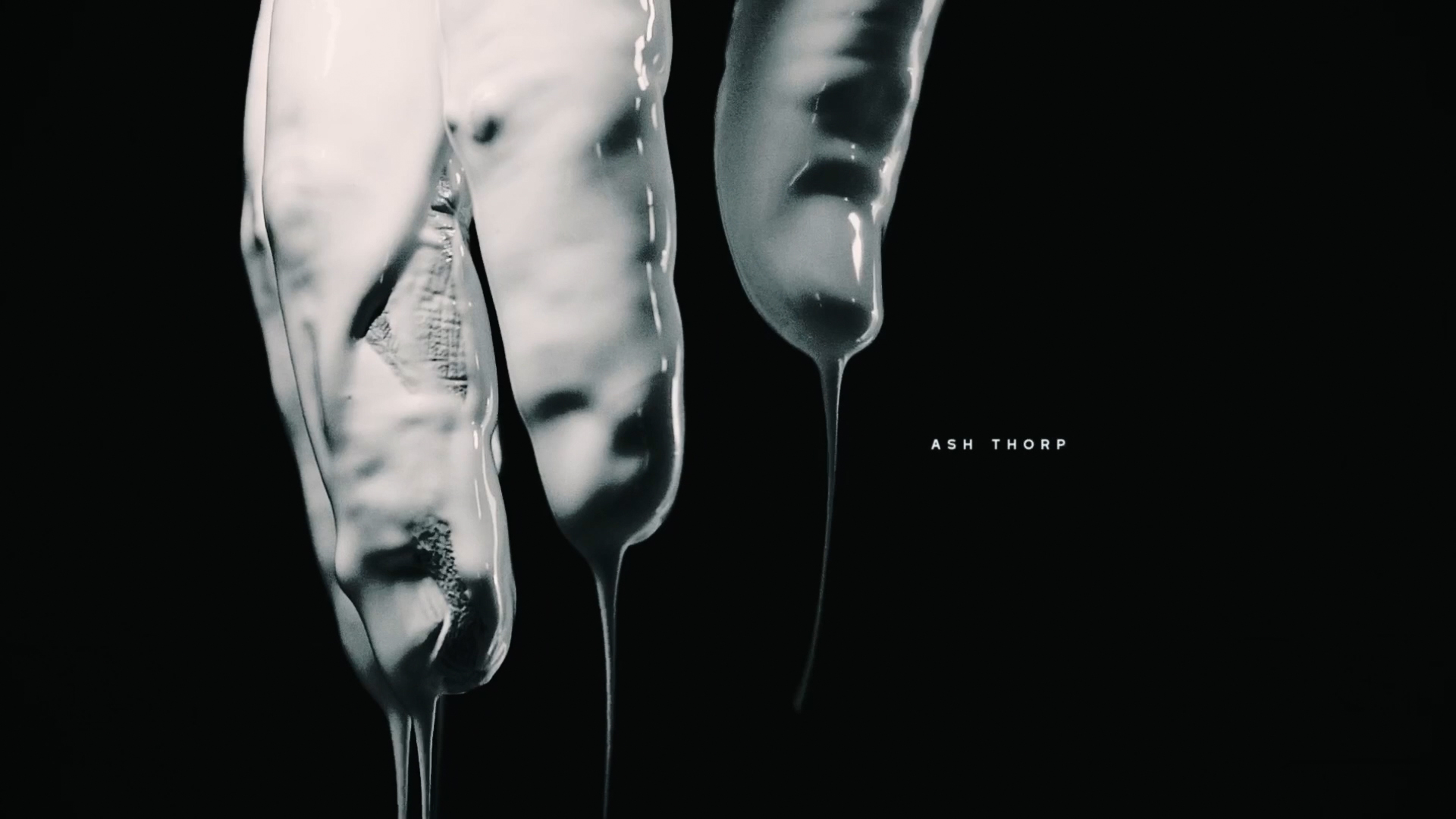
Following its successful live debut, João Vaz Oliveira transitioned "Reel 2026" into a studio environment for further refinement and expansion. This phase was critical for deepening the project’s technical capabilities and exploring its artistic versatility. While live performance offers an undeniable energy and immediacy, a studio setting provides the controlled conditions necessary for meticulous system tuning, algorithmic experimentation, and the precise mapping of complex sound parameters to visual behaviors. This iterative process allowed Oliveira to enhance the responsiveness and visual richness of the generative system, moving beyond the initial proof-of-concept to a more sophisticated and artistically nuanced framework.
One of the key developments during the studio phase was the decision to invite multiple musicians to interact with the system, each bringing their unique instrumental voice and interpretative style. This strategic choice was rooted in the hypothesis that different instruments, with their distinct sonic characteristics, would inherently generate unique visual outcomes. The project evolved from a singular performance concept into a series of distinct interpretations, each offering a fresh perspective on the sound-to-visual relationship. This approach underscored the project’s dynamic nature, transforming the "reel" from a fixed, pre-composed sequence into an adaptable, living piece of art that responded uniquely to each musical input.
The Multi-Instrumental Exploration: Drums, Piano, and Handpan
For the studio version, three distinct musicians were engaged, each tasked with interpreting the visual system through their respective instruments: drums, piano, and handpan. This selection was deliberate, aiming to showcase the system’s adaptability across a spectrum of sound profiles.
- Drums: Building upon the success of the Atlas Festival performance, the drum interpretation further refined how percussive elements—such as transient attacks, rhythmic patterns, and dynamic variations—translated into visual events. The visuals for the drum reel often feature sharp, impactful transformations, bursts of particles, and intricate geometric patterns that pulse and shift with each beat, snare hit, or cymbal crash. The high-frequency content and abrupt envelopes of drum sounds allowed for crisp visual responses, emphasizing kinetic energy and rhythmic complexity.
- Piano: The piano, with its broad dynamic range, harmonic complexity, and sustain capabilities, presented a different set of challenges and opportunities. The system was tuned to respond to melodic contours, chord progressions, and the subtle variations in key velocity. Visuals for the piano reel often manifest as fluid, evolving forms, shifting color palettes, and intricate textures that swell and recede with the sustain pedal. The harmonic content could influence color mixing and structural complexity, while individual notes might trigger distinct visual motifs, creating a more lyrical and ambient visual experience compared to the percussive intensity of the drums.
- Handpan: The handpan, a relatively modern instrument known for its resonant, ethereal tones and intricate overtones, offered yet another unique sonic landscape. Its rich harmonic spectrum and sustained, meditative qualities required the visual system to respond to subtle frequency modulations and resonant frequencies. The handpan reel’s visuals tend to be more organic, flowing, and iridescent, with undulating patterns, shimmering gradients, and forms that seem to breathe and expand with the instrument’s sustained vibrations. The system’s ability to pick up on the handpan’s complex overtone series allowed for incredibly intricate and mesmerizing visual details, showcasing a more contemplative and atmospheric visual interpretation.
Each of these performances generated a distinct visual reel, demonstrating the profound impact of instrumental choice on the generative output. This approach effectively transformed "Reel 2026" into a multifaceted artistic statement, highlighting not only the technical prowess of the system but also the inherent diversity of musical expression.
The Technical Backbone: TouchDesigner and Generative Principles
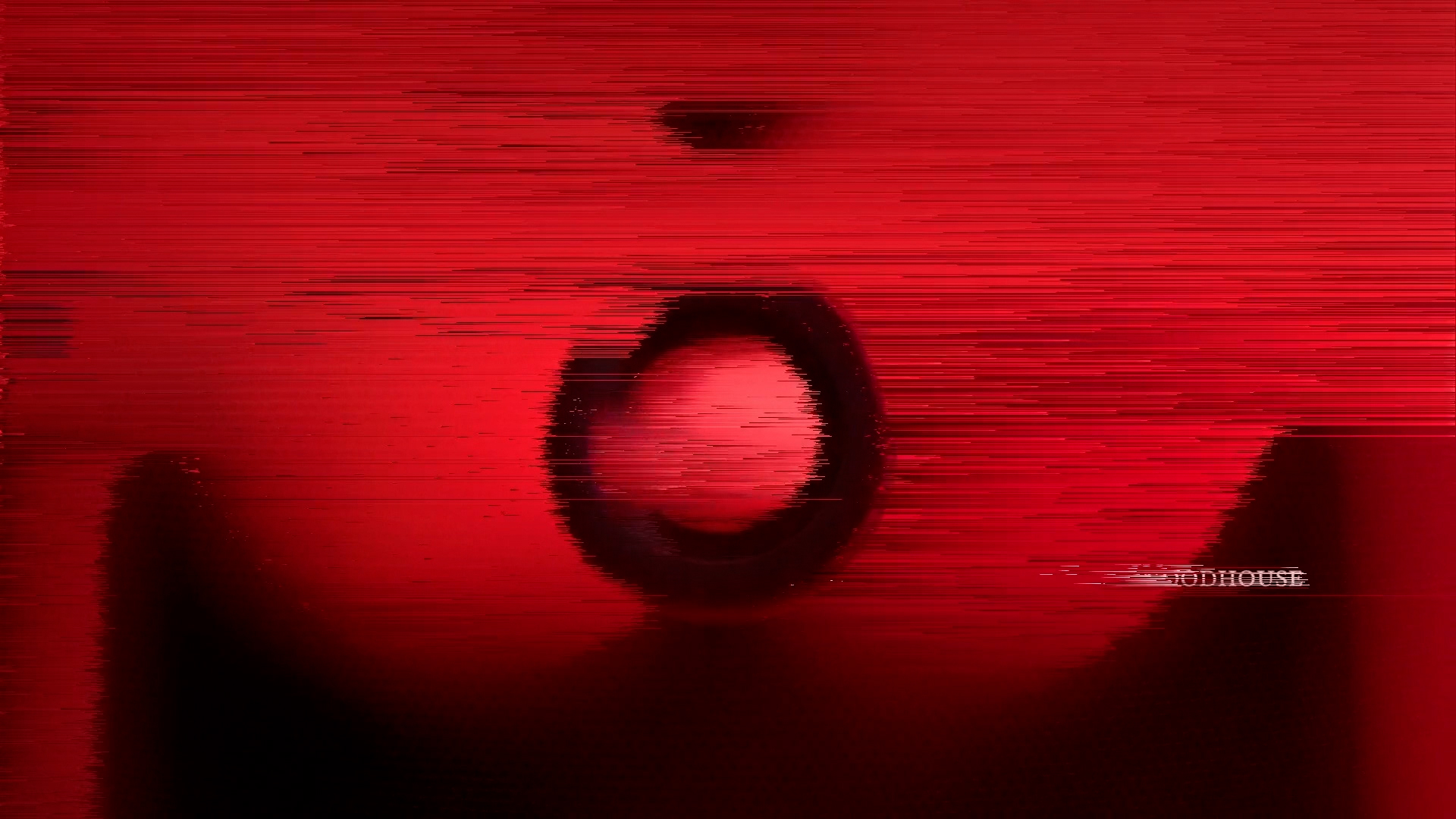
At the heart of "Reel 2026" lies the sophisticated visual system developed using TouchDesigner. TouchDesigner, a node-based visual programming environment, is a powerful tool widely adopted by artists, designers, and programmers for creating real-time interactive media, architectural projections, live visuals, and immersive installations. Its strength lies in its ability to process various forms of data—including audio, video, MIDI, and sensor input—and map them to complex visual parameters with low latency. This makes it an ideal platform for projects like "Reel 2026," which demand high responsiveness and intricate data-to-visual translation.
In "Reel 2026," TouchDesigner functions as the central nervous system, receiving live audio input from the musicians. This audio stream undergoes a rigorous analysis process, where specific parameters are extracted in real time. These parameters include:
- Frequency Analysis (FFT – Fast Fourier Transform): Breaking down the sound into its constituent frequencies. Lower frequencies (bass) might control larger-scale movements or darker color palettes, while higher frequencies (treble) could influence finer details, brighter colors, or faster particle emissions.
- Amplitude/Volume Dynamics: The overall loudness of the sound, controlling intensity, size, brightness, or density of visual elements. A sudden loud sound might trigger a visual "explosion" or a rapid expansion.
- Transient Detection: Identifying sudden changes in sound, such as the attack of a drum hit or a plucked string. These transients are crucial for triggering immediate visual events, ensuring tight synchronization.
- Envelope Following: Tracking the attack, decay, sustain, and release of sounds, allowing visual elements to mimic these temporal qualities, appearing and disappearing gracefully or abruptly.
- Spectral Centroid/Flux: Measuring the "brightness" or "busyness" of a sound, which can be mapped to visual complexity or saturation.
These extracted data points are then mapped to a wide array of visual behaviors within the TouchDesigner environment. This includes controlling:
- Transitions: How one visual state morphs into another, influenced by changes in musical phrases or dynamics.
- Timing: The rhythm and speed of visual animations, directly corresponding to musical tempo.
- Visual Behaviors: Parameters such as color shifts, geometric transformations (scaling, rotation, distortion), particle system emissions, textural changes, light intensity, and even virtual camera movements. For example, a rising pitch might cause a shape to ascend or change color from blue to red, while a sustained chord could cause a generative pattern to slowly bloom and evolve.
The development process involved extensive experimentation with these mappings, ensuring that the visual responses were not only technically accurate but also aesthetically pleasing and emotionally resonant. The final result reflects a delicate balance between algorithmic control and the inherent unpredictability of live performative input. While the system operates based on predefined rules and parameters, the human element of the musician’s improvisation injects a layer of organic spontaneity, ensuring that each performance is unique and irreplicable. This synergy between structured design and performative input is a hallmark of cutting-edge interactive art.
Broader Implications and the Future of Generative Art
"Reel 2026" by João Vaz Oliveira stands as a compelling example of the evolving landscape of digital art and its interdisciplinary future. The project’s implications extend across several domains:
- Motion Design and Live Visuals (VJing): It pushes the boundaries of traditional motion graphics, demonstrating a paradigm shift from pre-rendered animation to real-time generative content. For VJs and live performance artists, such systems offer unparalleled flexibility and responsiveness, allowing for truly improvisational visual accompaniments that are deeply integrated with the music. This could lead to a new generation of immersive concert experiences and live installations.
- Human-Computer Interaction in Creative Fields: The project highlights the powerful synergy that can be achieved when human artistic expression directly interfaces with sophisticated computational systems. It suggests new models for creative collaboration where the computer acts not just as a tool, but as an intelligent, reactive partner in the artistic process.
- Audience Engagement in Digital Art: The real-time, responsive nature of "Reel 2026" fosters a heightened sense of engagement for the audience. Knowing that the visuals are directly influenced by the live sound creates a more immediate and visceral connection, transforming passive viewing into an active, almost participatory experience. This resonates with the growing demand for immersive and interactive art forms.
- The Concept of "Living Art": "Reel 2026" embodies the concept of "living art" – pieces that are never truly finished but constantly evolve and adapt. This challenges traditional notions of artistic permanence and encourages appreciation for ephemeral, process-oriented creations. The availability of multiple "reels" (Drums, Piano, Handpan) further emphasizes this, showcasing how the same underlying system can manifest in diverse forms.
- Educational and Research Value: The project offers valuable insights for students and researchers in fields like computer graphics, interactive media design, and digital humanities. It serves as a practical case study for understanding the principles of audio-visual synthesis, generative algorithms, and real-time data visualization.
João Vaz Oliveira’s "Reel 2026" is more than just a motion design piece; it is a profound artistic statement on the interconnectedness of sensory experiences, a technical marvel in real-time generative art, and a glimpse into the future of interactive media. By seamlessly blending the spontaneity of musical performance with the precision of algorithmic design, Oliveira has created a work that resonates deeply with the spirit of innovation, inviting audiences to perceive sound not just with their ears, but with their eyes as well. The complete collection of these innovative reels, along with intriguing behind-the-scenes insights, is available for exploration on vazoliveira.com, offering a comprehensive look into this groundbreaking project.
Credits:
Artist: João Vaz Oliveira
Visual System: TouchDesigner
First presented at: Atlas Festival, Lisbon
LinkedIn: João Vaz Oliveira
Instagram: @joao_vazoliveira