SAGA Debuts With Cinematic Manifesto Film Exploring the Intersection of Motion, Material, Light, and Form


The contemporary design and visual arts landscape welcomed a new multidisciplinary powerhouse this week with the official launch of SAGA, a creative studio poised to redefine the boundaries of digital and physical aesthetics. Marking its market entry, the studio released its inaugural manifesto film, a meticulously crafted cinematic journey that explores the fundamental elements of motion, material, light, and form. Spanning diverse verticals—including product design, automotive engineering, high fashion, and abstract digital worlds—the release serves as both a portfolio introduction and a foundational statement of intent, establishing the distinct visual language and creative philosophy that will drive the studio forward.
More than a traditional agency showcase or a standard promotional reel, the manifesto film was conceived as an experimental sandbox. It represents an intensive period of research and development where the creative team pushed the limits of computer graphics and cinematic storytelling to produce a piece that feels tangibly alive and emotionally resonant. By blending hyper-realistic renders with abstract conceptual art, SAGA has signaled to the broader design community that it intends to bridge the gap between cold digital precision and warm, human-centric emotional expression.
The Genesis and Chronology of the SAGA Manifesto
The journey toward the launch of SAGA and its defining manifesto film did not happen overnight; it is the culmination of years of individual and collective expertise within the high-end computer graphics, automotive visualization, and industrial design sectors. The timeline of the studio’s formation reflects a deliberate, phased approach to building a multidisciplinary collective capable of executing complex visual narratives across multiple industries.
In the preliminary phases, the core architects of the studio spent months aligning on a shared vision. Rather than rushing to establish a commercial footprint, the founders prioritized the articulation of a core philosophy. This foundational period involved extensive brainstorming sessions, material studies, and technological experimentation, focusing heavily on how light interacts with complex surfaces—ranging from brushed automotive aluminum to the woven textiles of conceptual footwear.

By mid-2025, the conceptual framework matured into storyboards and technical pipelines. The production of the manifesto film itself spanned several months of intense collaborative effort. The studio leveraged cutting-edge rendering engines, advanced simulation tools, and precise motion design techniques to bring the diverse worlds of the film to life. The automotive sequences required meticulous attention to light refraction on curved metallic chassis, while the fashion and product segments demanded a tactile, almost hyper-real representation of fabric and form.
The culmination of this timeline arrived with the public release of the manifesto film and the simultaneous launch of the studio’s official digital channels, instantly capturing the attention of industry peers, potential brand collaborators, and digital art enthusiasts worldwide.
Collaborative Synergy and Creative Leadership
At the heart of SAGA’s successful launch is a tightly knit collective of seasoned creators who brought their respective specializations to the project. The studio’s inception is driven by a multidisciplinary team whose previous credits span major global campaigns, innovative product design, and cutting-edge visual effects.
The project was brought to life through the collaborative efforts of key creative talents, including Joseph Recoskie, Chris Moberg, Michael Brewer, and Kristy Nykilchuk. Each member contributed distinct expertise to the overarching vision. Recoskie’s background in advanced digital visualization and spatial design helped anchor the architectural and product-focused segments of the film. Moberg’s integration of motion and narrative pacing ensured that the transition between the various abstract and concrete worlds felt seamless and deliberate. Brewer and Nykilchuk provided crucial support in material definition, lighting aesthetics, and overall pipeline efficiency, ensuring that every frame adhered to the uncompromising visual standards set by the founders.
Equally vital to the emotional impact of the manifesto film is its auditory landscape. Composed by Jeff Moberg, the musical score acts as an invisible thread binding the disparate visual elements together. Moberg utilized a blend of ambient soundscapes, textural acoustic elements, and driving electronic rhythms to mirror the physical transitions on screen. The synergy between the visual pacing and the audio cues transforms the film from a mere technical demonstration into an immersive sensory experience.

Technical Execution and Industry Context
To understand the significance of SAGA’s market entry, one must examine the broader economic and technological climate of the creative industries in the mid-2020s. The demand for high-end, hyper-realistic digital content has skyrocketed across the automotive, fashion, and consumer product sectors. Brands are increasingly turning away from traditional, costly on-location physical shoots in favor of sophisticated computer-generated imagery (CGI) and real-time rendering technologies. This shift is driven not only by the need for cost efficiency and speed but also by the desire for absolute creative control over lighting, environment, and material behavior.
SAGA enters this competitive landscape with a distinct advantage: a deep understanding of material science translated into digital form. In the manifesto film, this is most evident in the hyper-detailed automotive frames—reminiscent of high-performance engineering concepts—and the scan-style sneaker renders that blur the line between physical manufacturing and digital artifacting. By utilizing advanced procedural texturing, ray-tracing, and physical-based rendering (PBR), the studio achieves a level of fidelity that tricks the human eye into perceiving digital creations as tangible, physical objects.
Furthermore, the studio’s decision to launch with a "manifesto" rather than a conventional commercial showreel reflects a growing trend among elite creative agencies. Modern brands are no longer just looking for technical execution; they are searching for storytelling partners who possess a distinct cultural and aesthetic point of view. By codifying its philosophy into a cinematic piece, SAGA has effectively published a creative contract with the industry, establishing the exact caliber of work and conceptual depth that future clients can expect.
Official Statements and Industry Reception
While the studio has maintained a deliberate focus on letting the work speak for itself, the initial reception from the global creative community has been overwhelmingly positive. Within hours of its release, the manifesto film began circulating widely across professional networks and social media platforms, drawing praise from directors, CGI artists, and industrial designers alike.
Industry analysts note that the launch of SAGA addresses a specific gap in the market: the need for agile, boutique studios capable of executing high-end conceptual work that spans multiple traditionally siloed industries. While large advertising holding companies often struggle to maintain cohesive artistic visions across automotive and fashion campaigns, a specialized collective like SAGA can pivot fluidly between product design, automotive visualization, and abstract digital art without losing its signature aesthetic fingerprint.
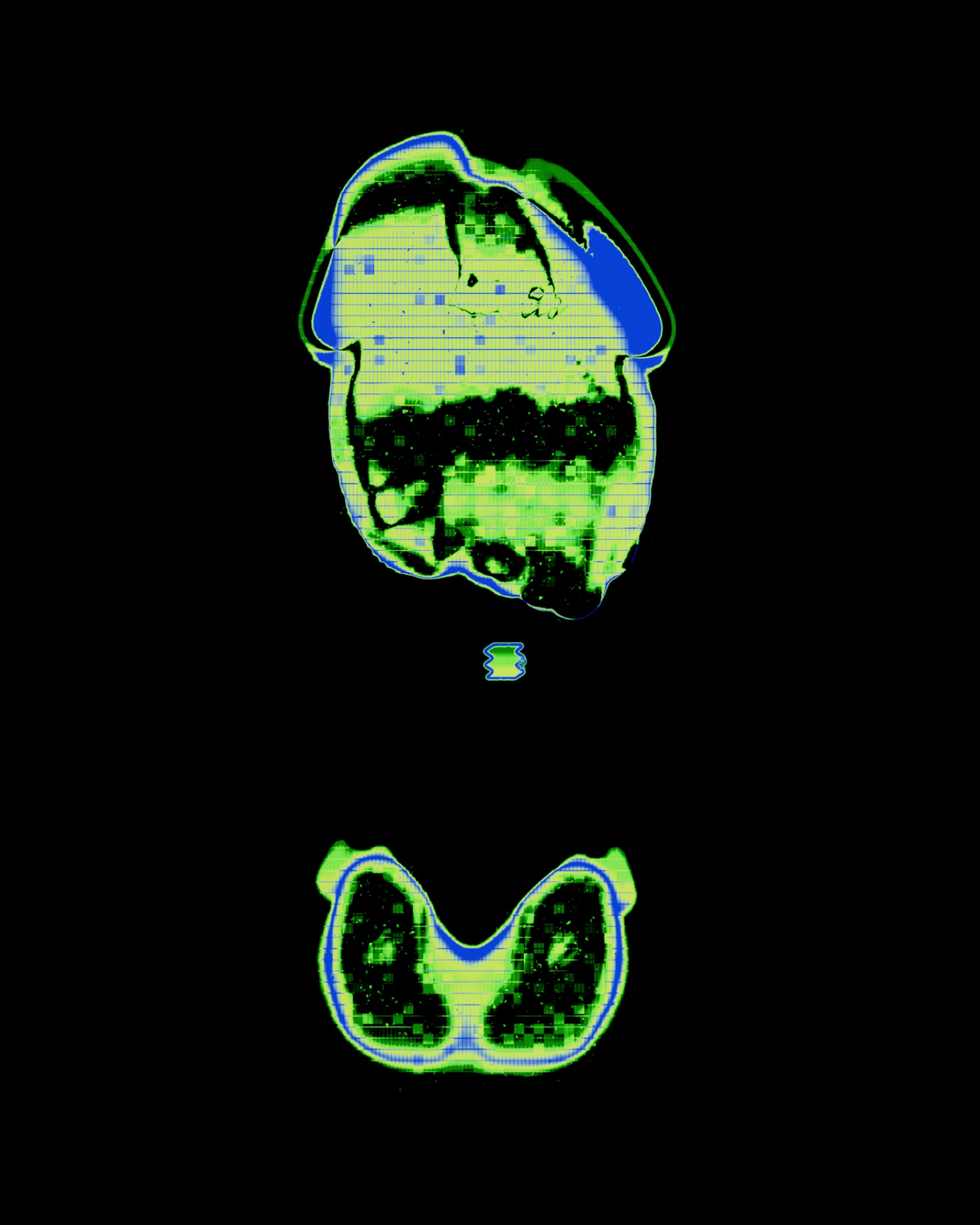
In statements accompanying the launch, the studio emphasized that the manifesto film is only the beginning of a larger exploration. "More than a reel, this was a chance to experiment, explore, and create something that felt emotionally driven, tactile, and alive," the studio noted in its official release documentation. This philosophy suggests that future projects will continue to push against the boundaries of traditional commercial output, favoring art direction and emotional resonance over purely functional product representation.
Broader Impact and Future Implications for Creative Studios
The launch of SAGA carries several broader implications for the future of digital art direction and agency business models. As generative AI and automated rendering tools become more ubiquitous, the baseline technical competence required to produce visually impressive imagery is democratizing rapidly. In this new era, technical skill alone is no longer a sufficient differentiator for a creative studio.
SAGA’s strategic pivot toward a manifesto-driven, philosophy-first brand positioning indicates where the industry is heading. True value now lies in curation, artistic vision, and the ability to imbue digital creations with a sense of tactile authenticity and emotional gravity. By demonstrating a mastery over light, material, and form, SAGA has positioned itself not just as a service provider, but as a cultural tastemaker capable of defining how consumers perceive products in both physical and virtual spaces.
As the studio looks toward the future, the primary challenge will be translating this uncompromising artistic vision into successful commercial partnerships. However, if the technical polish, conceptual maturity, and emotional resonance of the inaugural manifesto film are any indication, SAGA is well-equipped to navigate the complexities of the modern design landscape. The studio has successfully set its own benchmark; the industry will be watching closely to see how they evolve the conversation across product, automotive, fashion, and beyond.
Related posts: