Unveiling the Epic Visual Effects Behind Travis Knight’s Masters of the Universe: A Deep Dive into Eternia and Beyond

The highly anticipated summer blockbuster, Masters of the Universe (MOTU), marks filmmaker Travis Knight’s ambitious foray into his second live-action feature, promising an exhilarating return to the fantastical world of Eternia. The film chronicles the journey of an estranged prince from Earth who must reclaim his rightful throne and liberate his people from the tyrannical grasp of the nefarious, skeleton-faced dictator, Skeletor. From its inception, Knight, celebrated for his directorial work on the critically acclaimed stop-motion animation Kubo and the Two Strings and LAIKA’s upcoming Wildwood, emphasized a distinct tonal approach for the film: an embrace of its inherent, vibrant absurdity rather than a somber, overly serious interpretation.
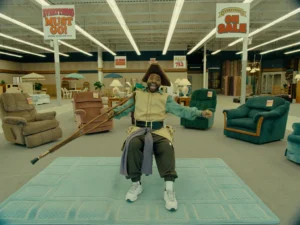
Rich Yeomans, the Visual Effects Producer for Masters of the Universe, recalls Knight’s directive with clarity. "In Travis’ words, ‘How can you with a six-foot man with muscles in a loincloth?’" Yeomans recounts, perfectly encapsulating the director’s philosophy. "Right from the outset, we had the blessing to lean into that. That was a great driver of everything we put into the visual effects." This early artistic mandate set the stage for a visual spectacle that would not shy away from the colorful, flamboyant aesthetic of the original 1980s MOTU cartoons, aiming instead to elevate it through cutting-edge visual effects.
A Vision Rooted in Animation Expertise
Travis Knight’s background as a seasoned animator and director at LAIKA, a studio renowned for its meticulous stop-motion artistry, profoundly influenced his approach to Masters of the Universe. His animated features, including the Oscar-nominated Kubo and the Two Strings, are characterized by intricate world-building, expressive character animation, and a keen eye for visual storytelling. This meticulousness translated directly into his live-action directorial style, particularly in the pre-production phase.
David Vickery, the Visual Effects Supervisor for Masters of the Universe, who also oversaw the VFX for blockbusters like Jurassic World: Dominion, elaborates on Knight’s rigorous methodology. "Travis storyboarded every single scene," Vickery explains. "And when I say storyboards, it’s not like a panel per shot. He was doing dozens of panels for every single shot, so you could play the storyboards like a loose animatic of the entire film. Travis would always say to me, ‘Go back to the storyboards.’" This detailed pre-visualization served as the foundational blueprint for the entire production, ensuring a cohesive and thoroughly planned execution of even the most complex sequences. It allowed the VFX teams to integrate seamlessly with the director’s vision from the earliest stages, translating hand-drawn panels into dynamic digital sequences.
The Immense Scale of Digital Craftsmanship
The sheer scope of visual effects in Masters of the Universe is testament to its ambition. In total, an astounding 2,181 shots were either digitally augmented or entirely computer-generated. This colossal undertaking required a coordinated effort across multiple leading visual effects studios worldwide, including Industrial Light & Magic (ILM), DNEG, Rodeo FX, Cinesite, Untold Studios, and Host VFX.
VFX supervision was meticulously managed, with Tim Burke overseeing the critical pre-production and production phases, establishing the initial framework and creative direction. As the project moved into its demanding post-production stage, David Vickery took the reins, ensuring that the collective efforts of the diverse VFX houses culminated in a unified vision that not only met but exceeded Knight’s expectations. Vickery notes the challenge and exhilaration of this process: "The whole thing is massively flamboyant. It does mean you have to treat the visual effects very carefully, because you’re trying to find this rich, beautiful and vibrant palette in the world." This emphasis on a "vibrant palette" directly reflects the film’s commitment to honoring the colorful legacy of the 1980s MOTU animation, a deliberate choice to immerse audiences in a visually lush and dynamic universe.
Building Worlds: From Eternia’s Grandeur to Oklahoma City’s Pursuit
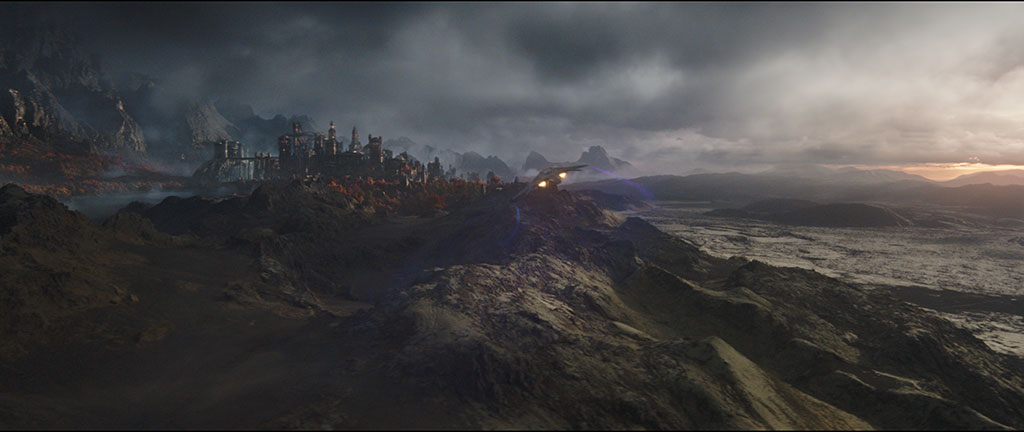
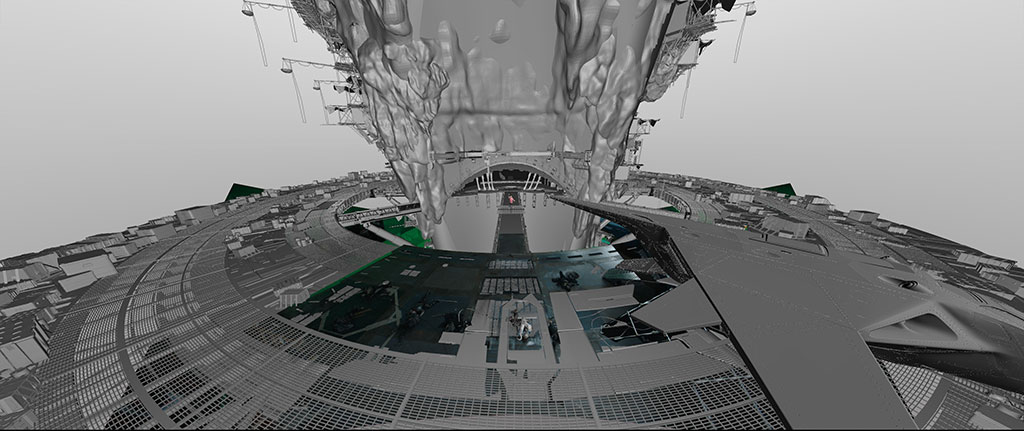
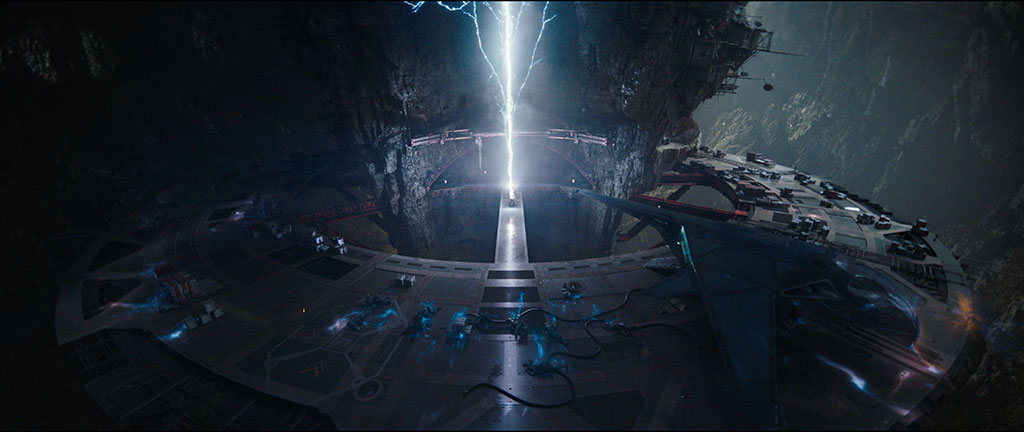
Environments play a crucial role in the narrative fabric of Masters of the Universe, demanding intricate digital construction and seamless integration with practical sets. The mythical realm of Eternia, with its iconic landmarks like Castle Grayskull and the sprawling capital city of Eternos, required significant environmental builds.
Rich Yeomans credits Production Designer Guy Hendrix Dyas and his team for their foundational work. "What Guy Hendrix Dyas and his team did was build most of Eternos, Grayskull and the bridge," Yeomans states. This initial physical and digital asset creation was then shared with the previs team at Proof, establishing a high standard that fit the designed sets. DNEG subsequently took over, polishing these assets over several months to achieve the film’s final, breathtaking visual quality.
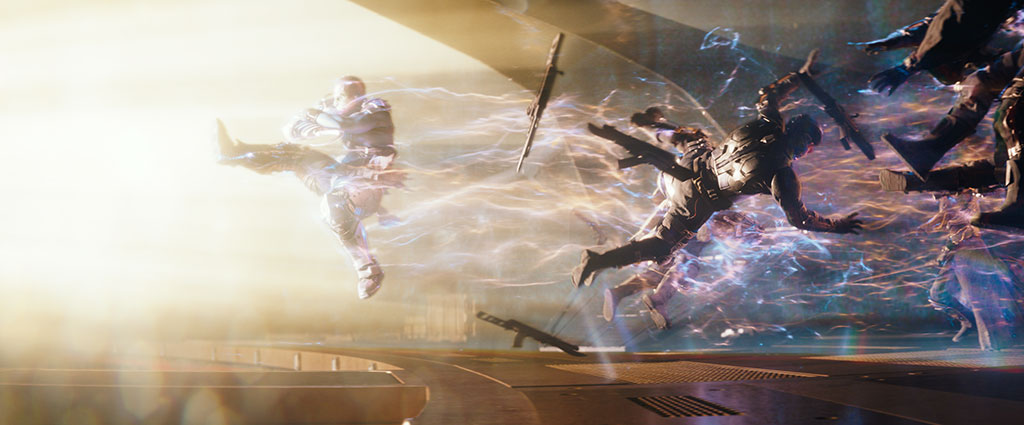
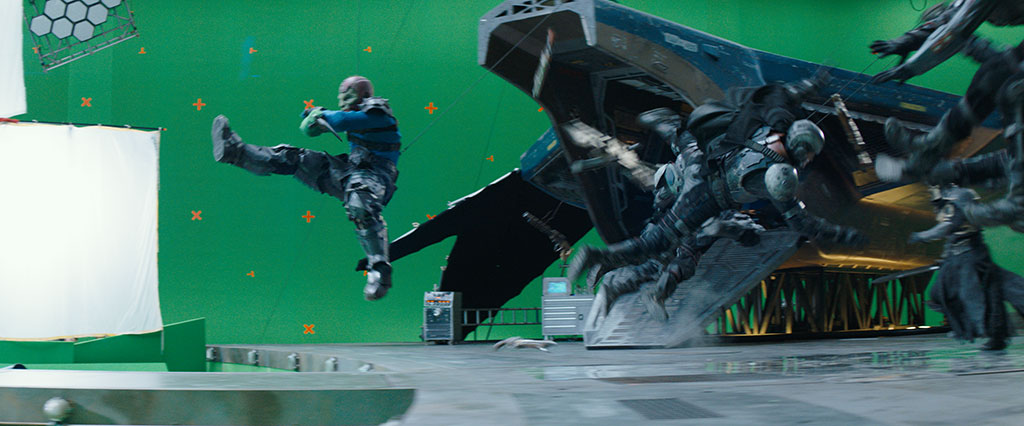
A prime example of this collaborative, iterative process is the bridge of Eternos. While initial agreements were made on its size, Knight’s keen eye for dramatic pacing led to a significant revision. "Then you get into layout when we hit our first turnover with Travis, and he’s like, ‘The bridge needs to be way longer,’" Yeomans recalls. "We’re extending it another 250 meters in virtual space in the computer. You’re like, ‘This bridge is way long, but it has to be because they have to run here and there and all of this has to happen.’ It was an interesting process!" This anecdote highlights the flexibility and power of digital environments to adapt to narrative and directorial demands, even late in the process.
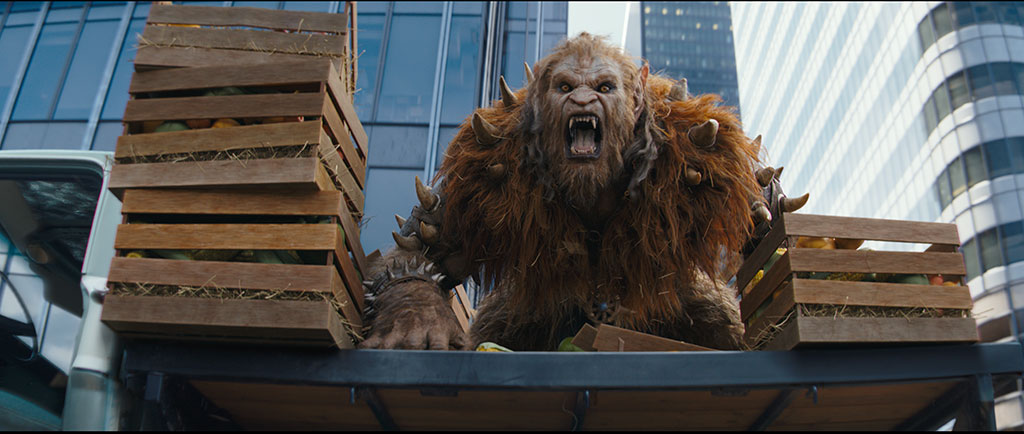
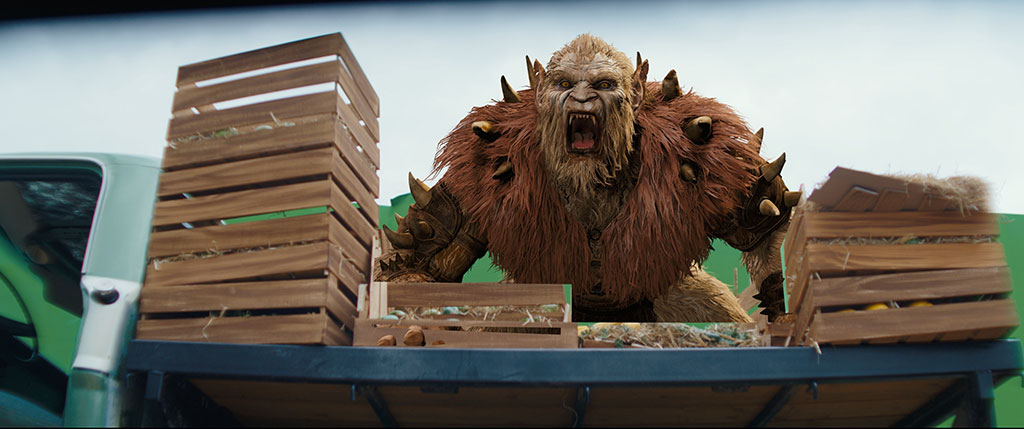
While much of the action unfolds on Eternia, a pivotal and exhilarating pursuit sequence takes place on Earth, specifically in a seemingly mundane traffic jam in Oklahoma City. This "Retrieving Adam" sequence presented a unique set of challenges, blending practical filming with extensive digital environments. The scene, featuring Beast Man pursuing Adam (Nicholas Galitzine) and Teela (Camila Mendes), was filmed on a disused runway in Boddington, England. This runway was meticulously painted to resemble an American highway, complete with concrete bollards.
Vickery reveals the ingenious blend of practical and digital elements: "The entire environment is digital, except for five or six cars ahead of and behind the main action." Pietro Ponti and the ILM team undertook the monumental task of faithfully scanning and rebuilding the entire Oklahoma environment, leveraging plates captured at Canary Wharf and comprehensive location data. This hybrid approach allowed for dynamic, high-speed action to be staged safely and efficiently, while providing the visual realism of an authentic American locale through digital wizardry.
The Sky Sled Chase: A Masterclass in Procedural Environments
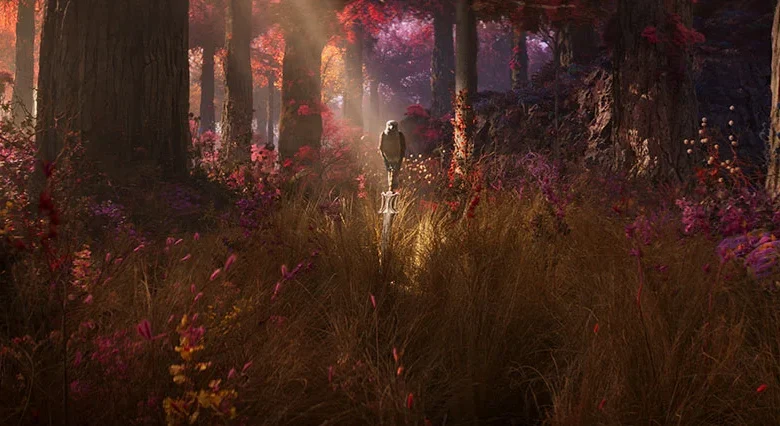
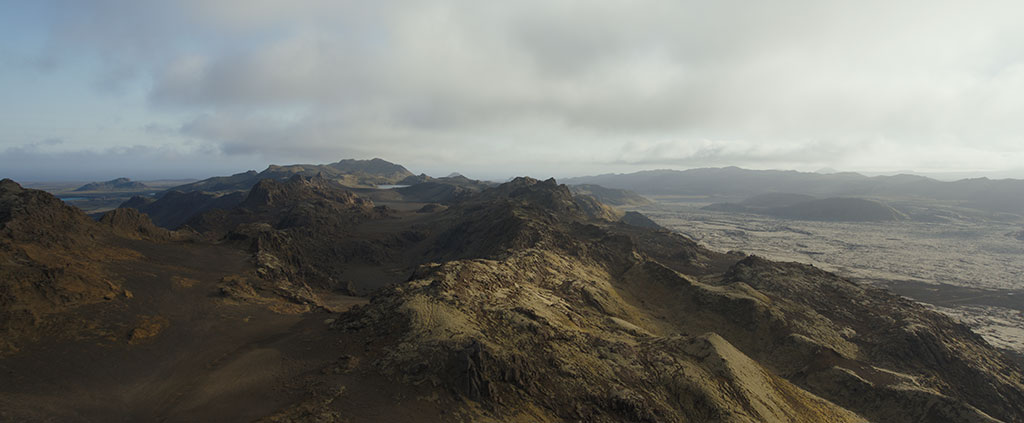
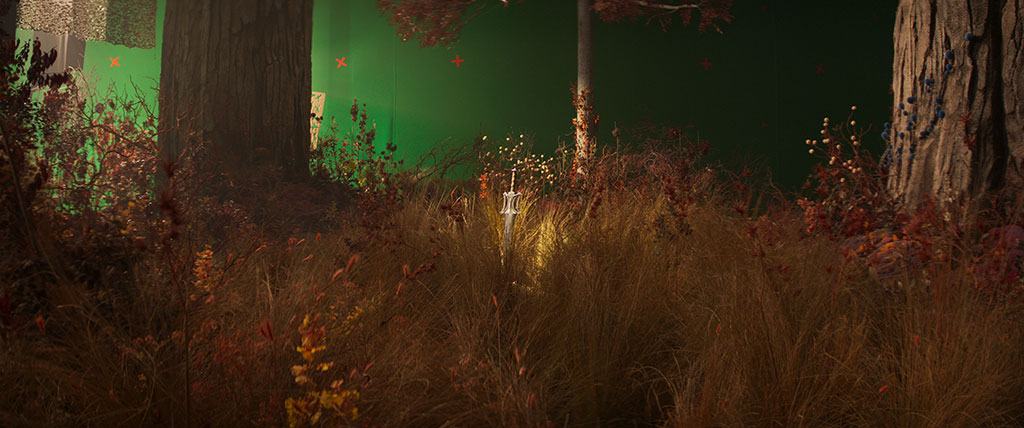
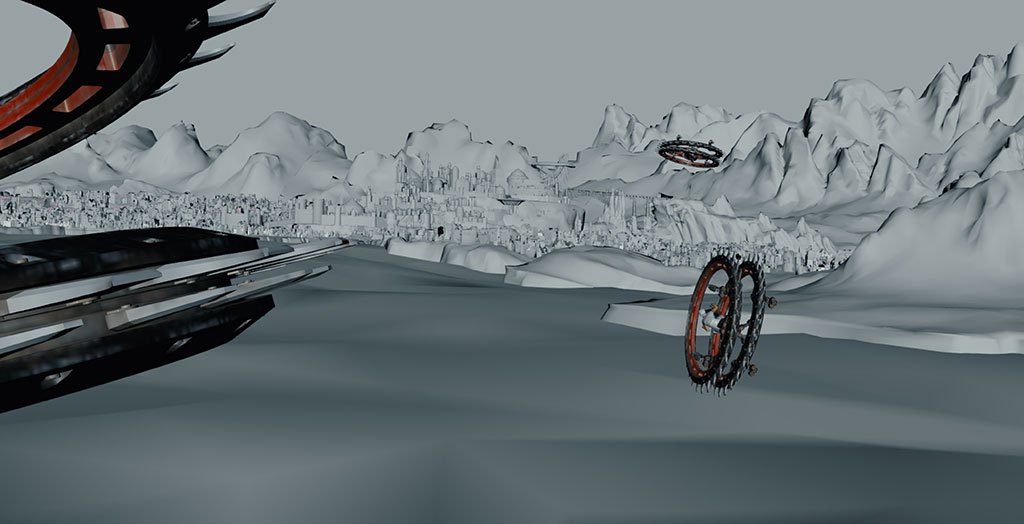
One of the film’s most visually dynamic sequences, the Sky Sled Chase, exemplifies the sophisticated procedural environment generation employed by the VFX team. David Vickery detailed the instrumental role of Joseph Kasparian at Rodeo FX in bringing this sequence to life. "We had our previs team at Proof matching, looking at putting a block or a template of that Sky Sled Chase using animatic animation," Vickery explained. "We handed it over to Joseph Kasparian at Rodeo FX. Essentially, he mapped the entire chase linearly through the canyon, over the geothermal plains down into the forest and built a procedural environment that ran from one end of the chase to the other."
The use of a procedural environment allowed for unparalleled efficiency and creative freedom. Kasparian’s setup enabled rapid iterations and global changes across the entire sequence. "Every time I got on the phone with Joe, he’d be like, ‘What do we need to do now?’ We’d choose some lighting scheme and direction. He would go, ‘Okay, great. I’m going to render the whole sequence out for you, and we’ll send it back tomorrow.’ I’m like, ‘That’s a bit quick.’ But he was able to do that. Joe had it set up in such a way that he could plot out a change within the sequence, then run the entire thing from one end to the other." This capability allowed the filmmakers to experiment with various visual parameters, lighting, and environmental details, refining the chase sequence with unprecedented speed and precision, ensuring every action beat felt dramatic and visually stunning.
Bringing Iconic Characters to Life: The Art of Digital Performance
The creation of the film’s diverse cast of characters, ranging from the monstrous Beast Man to the iconic Skeletor, presented unique challenges that pushed the boundaries of digital animation.

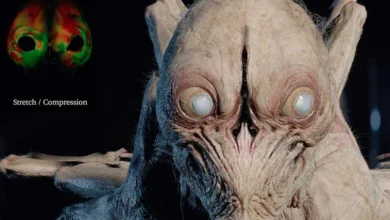
Skeletor’s Expressive Skull: As the main antagonist, Skeletor’s ability to convey a wide range of emotions—humor, rage, inquisitiveness, cynicism, and menace—despite having a skull for a face was paramount. Jared Leto, cast as the iconic villain, delivered an "incredibly physical performance" wearing a full suit. However, Leto’s decision not to wear tracking markers on his face, believing it would affect his performance, meant that the VFX team had to rely heavily on keyframe animation to translate his nuanced portrayal onto a rigid skull.
Vickery details the extensive experimentation involved: "We experimented with loads of different techniques. Some of them were animating on twos at times or introducing subtle deformations in brows to introduce frowning or surprise. But we also ended up with subtle deformations in the jawline and the teeth line, specifically to create the phonemes we needed to have him read dialogue in a way people could understand and that felt in sync." The meticulous process of capturing Leto’s emotional range and achieving accurate lip-sync without traditional facial capture was an "incredibly difficult thing to get right," underscoring the animators’ artistry in breathing life into a seemingly inanimate face.
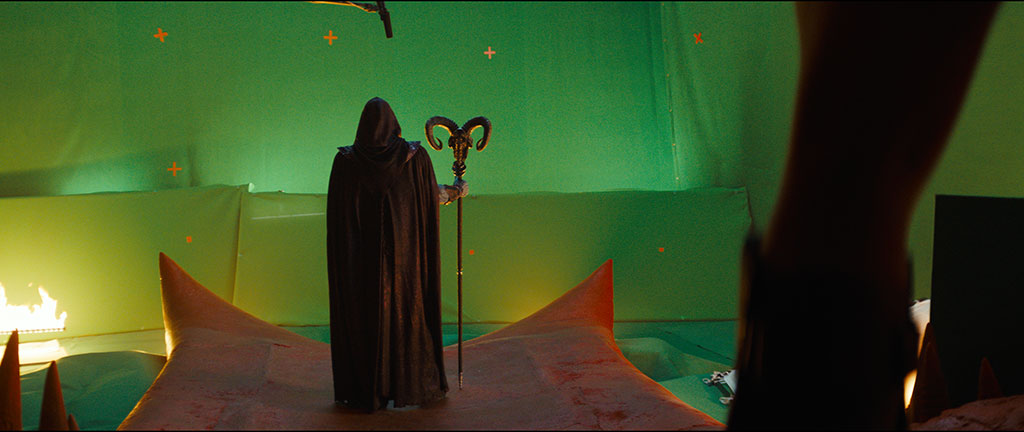
Beast Man’s Primal Pursuit: The character of Beast Man, who features prominently in the Earth-bound pursuit, was rendered "entirely digital and keyframe animation." Significantly, Travis Knight consciously opted against using motion capture for Beast Man. This decision likely stems from Knight’s background in stop-motion, where character movement is inherently crafted frame by frame, allowing for a more stylized and deliberate performance that aligns with the film’s chosen tone. On set, actors interacted with a stand-in featuring a shoulder and eyeline pole, providing a practical reference point for their performances while allowing the animators complete freedom to craft Beast Man’s feral movements digitally.
Cringer and Roboto: Other key characters also presented their own unique animation puzzles. Cringer, Prince Adam’s loyal, albeit cowardly, green tiger companion, was created using a "traditional CG creature workflow." For on-set interaction, a puppeteer with a green head provided actors with accurate eyelines, ensuring natural engagement before the digital Cringer was seamlessly integrated.
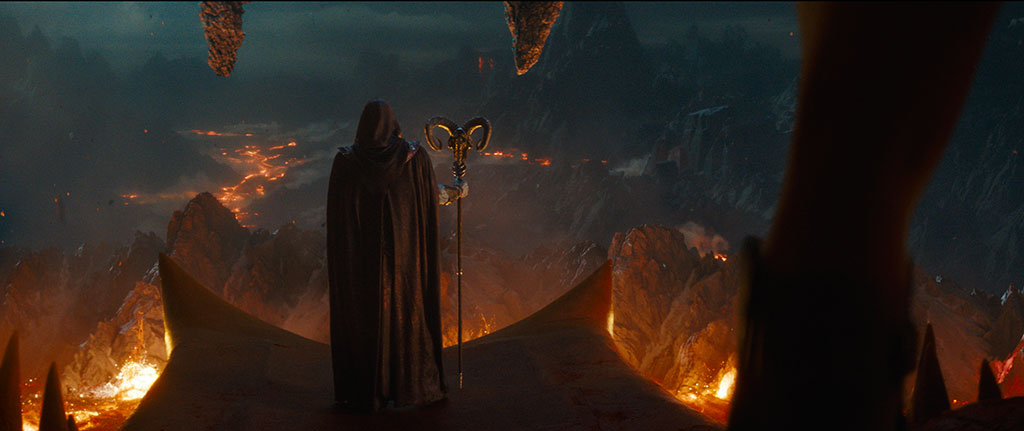
Roboto, the heroic robot, posed a different kind of challenge due to its lack of traditional lips. "The lack of lips made it hard to convey that the dialogue was actually coming from Roboto," Yeomans notes. Vickery elaborates on the solution: "Obviously, Roboto has these four lights and a visor in the middle. Now the visor is supposed to be the eye and the lights are supposed to be the mouth." The constant interplay between which lights were illuminated and how the visor functioned as either eyes or mouth created a continuous puzzle for the animation team, demanding creative solutions to make Roboto’s dialogue both intelligible and expressive. For filming, a performance artist wearing a backpack and holding a prop head on a stick provided the on-set presence for Roboto.
The He-Man Transformation: A Moment of Pinnacle VFX
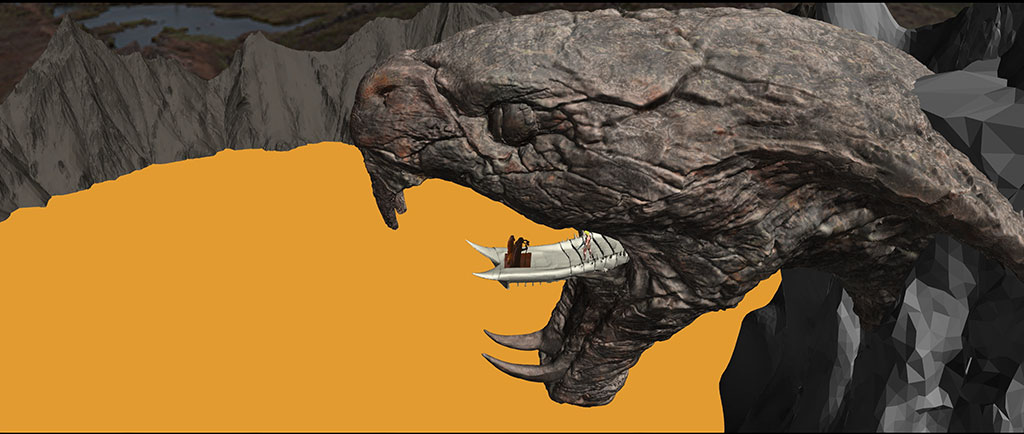
Among the myriad complex visual effects, the iconic He-Man transformation sequence stood out as one of the hardest shots to execute. This pivotal moment, where Prince Adam raises the Power Sword and declares, "By the power of Grayskull, I have the power!" before morphing into the mighty He-Man, requires a seamless blend of character animation, dynamic effects, and visual continuity. The difficulty lies in convincingly depicting a sudden, explosive physical metamorphosis, complete with glowing energy, muscle growth, and costume changes, all while maintaining the recognizability of the character and the dramatic impact of the scene. It demands intricate layering of digital effects, meticulous character rigging, and precise timing to deliver the awe-inspiring spectacle that fans anticipate.
The Enduring Legacy of Eternia
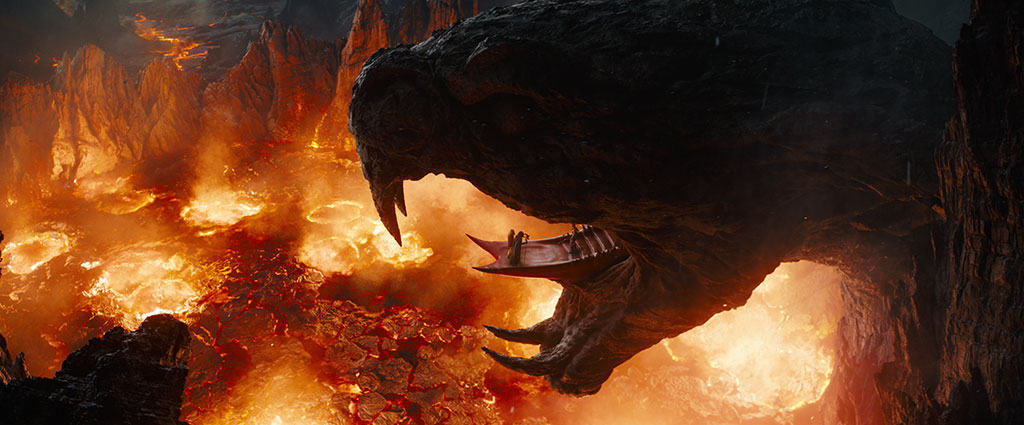
Masters of the Universe represents a significant undertaking in bringing a beloved 1980s franchise to contemporary audiences with the power of modern visual effects. Travis Knight’s unique directorial vision, blending his animation sensibilities with a commitment to the source material’s vibrant tone, has guided a vast team of VFX artists in crafting a visually rich and dynamic film.
From the meticulous storyboarding that acted as the film’s animatic backbone to the collaborative efforts across multiple VFX studios, every decision was geared towards honoring the spirit of Eternia while pushing the boundaries of digital artistry. The challenges of animating expressive skull-faces, creating vast procedural landscapes, and seamlessly integrating practical and digital elements underscore the technical prowess and creative ingenuity required.
As audiences prepare to return to Eternia, the film stands as a testament to the intricate dance between directorial vision and technological innovation, promising a summer blockbuster that is not only epic in scale but also deeply respectful of its flamboyant, muscle-bound, loincloth-clad legacy. The visual effects in Masters of the Universe are not merely embellishments; they are the very fabric through which the fantastical world and its unforgettable characters are brought to life, ensuring that the magic of Grayskull continues to captivate new generations.