Laika Studio Visit, Netflix’s Buyback Billions, and the Evolving Landscape of the Animation Industry

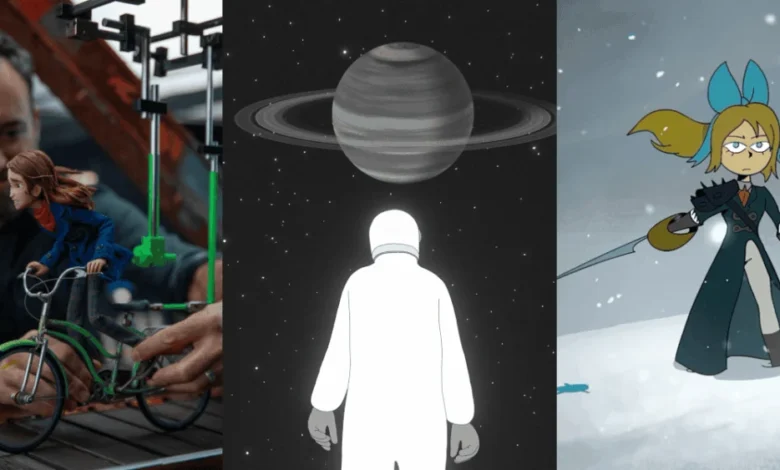
The animation industry is currently navigating a period of profound structural transformation, defined by aggressive capital reallocation, the sunsetting of long-standing creative institutions, and the persistent pursuit of technical mastery in both stop-motion and traditional mediums. This week’s developments, spanning from the meticulous craft of Laika’s upcoming feature Wildwood to the stark fiscal realities of the streaming and gaming sectors, underscore a widening gap between creative ambition and corporate austerity.
Inside Laika’s Creative Fortress: The Ambition of Wildwood
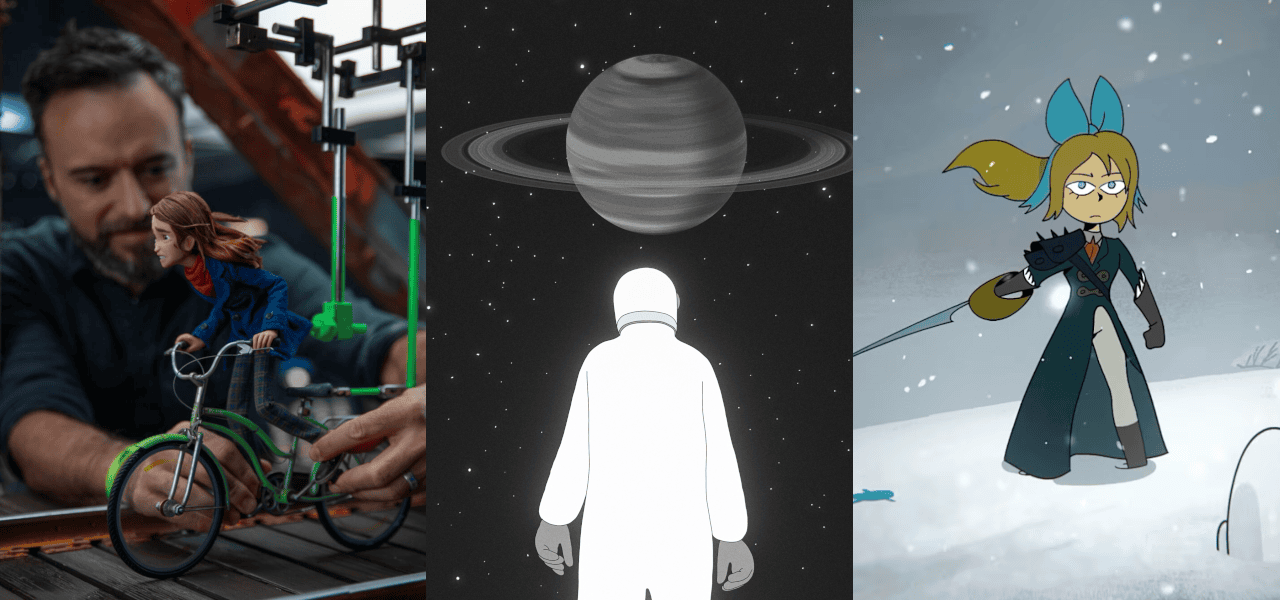
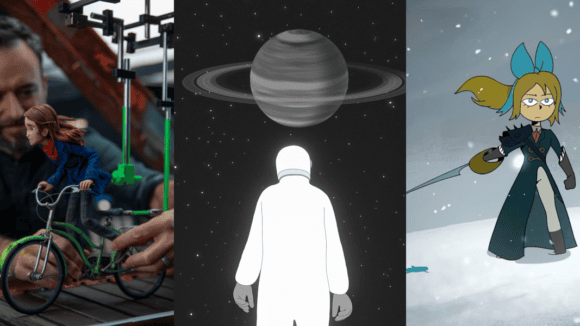
Laika, the Portland-based studio renowned for pushing the boundaries of stop-motion animation, recently opened its doors to provide a rare glimpse into the production of Wildwood. As the studio’s most ambitious project to date, Wildwood represents a culmination of years of technological R&D, combining physical puppetry with advanced digital compositing.
The production team, led by visionary directors and animators, showcased the intricate mechanics of their puppet rigs, which utilize custom 3D-printed facial plates to achieve unprecedented levels of micro-expression. The studio’s commitment to the tactile nature of filmmaking remains a central pillar of its identity. By prioritizing physical sets and hand-crafted costumes, Laika is attempting to maintain a premium "auteur" status in a market increasingly dominated by high-volume, lower-cost digital animation. However, the sheer labor hours required for such a production—often spanning five to seven years—pose a significant challenge to the traditional theatrical release model, which demands consistent output to satisfy investors.

The Streaming Paradox: Netflix’s Fiscal Strategy
In a move that has drawn intense scrutiny from labor unions and industry analysts, Netflix reported a record-breaking quarterly expenditure of $4.8 billion dedicated to stock buybacks. This capital allocation strategy—designed to bolster shareholder value and maintain stock price buoyancy—coincided with a sweeping reduction in force that resulted in approximately 1,000 layoffs across various departments.
The juxtaposition of multi-billion dollar buybacks and mass layoffs highlights a growing trend in the streaming wars: the transition from an "growth at all costs" mentality to a focus on shareholder returns and operational efficiency. Economists note that while share repurchases are a common financial tool, they often signal a maturation of a company’s lifecycle, where the potential for explosive subscriber growth is viewed as plateauing. For the animation industry, which relies on a consistent pipeline of creative talent, the uncertainty of Netflix’s workforce strategy creates a precarious environment for long-term project development.
Industry Consolidation and the BioWare Closure
Perhaps the most jarring development of the week is the dissolution of BioWare, the legendary gaming studio, at the hands of Electronic Arts (EA). This closure comes barely three months after the completion of a $55 billion, Saudi-backed takeover of the publisher. The cancellation of the upcoming Mass Effect title, a project that had been highly anticipated by the global gaming community, serves as a stark reminder of the volatility inherent in post-acquisition restructuring.
Industry experts suggest that the BioWare closure follows a recurring pattern in the gaming sector: when parent companies consolidate power, they often prioritize "live-service" titles with high recurring revenue potential over the narrative-driven, single-player experiences that defined BioWare’s legacy. The loss of such a studio not only impacts the immediate workforce but also signals a shift in the gaming industry’s creative output, potentially marginalizing the types of deep, immersive storytelling that once set the standard for interactive media.

Emerging Voices and Critical Recognition: Daniel Zvereff’s Moonfish
Amidst the turbulence of corporate restructuring, independent voices continue to offer a counter-narrative to the prevailing industry trends. Daniel Zvereff’s debut animated feature, Moonfish, has emerged as a significant critical success, despite receiving relatively little mainstream marketing support. Following its world premiere at the Venice International Film Festival, Moonfish has been lauded for its stylistic daring and narrative depth.
Zvereff’s work represents a growing contingent of independent animators who are finding success by focusing on singular, idiosyncratic visions rather than broad, franchise-based appeal. The film’s reception suggests that there is a robust, if underserved, audience for animation that operates outside the purview of the major studios. As the industry moves forward, the ability of festivals like "Animation Is Film" to elevate these independent projects will be essential to the health of the medium.

Market Trends and Global Shifts
The broader landscape remains highly fluid, with several key developments indicating shifting consumer appetites and business models:
- Anime Expansion: Sony has taken the unusual step of offering a behind-the-scenes look at its anime operations, reflecting the genre’s meteoric rise in global popularity. Sony’s aggressive acquisition of platforms like Crunchyroll has positioned it as the dominant gatekeeper in the Western anime market, a role it is leveraging to integrate anime more deeply into its theatrical and streaming offerings.
- Literary Adaptations: Amazon MGM has signaled its confidence in proven creative talent by greenlighting an adaptation of Game of Pets, spearheaded by The Bad Guys creator Aaron Blabey. This move aligns with the industry’s ongoing reliance on established intellectual property (IP) to mitigate the risks associated with original film development.
- The Streaming Library Power: A surprising data point from the current quarter shows five Ice Age films occupying half of Netflix’s global English-language film Top 10. This trend underscores the enduring value of established library content, particularly as Disney prepares for its next major theatrical installment in the franchise. The data suggests that for streaming platforms, legacy content remains a more reliable driver of engagement than many high-budget original productions.
Looking Ahead: The Evolution of Content Standards
As part of our ongoing commitment to chronicling the industry’s evolution, we examined the history of PG-13 animated features in our recent Cartoon Study. From the experimental, transgressive nature of Ralph Bakshi’s Cool World to the sophisticated, genre-bending approach of current projects like Wildwood, the PG-13 label has served as a crucible for some of the medium’s most daring experiments.

The historical data shows that while the animation industry is often unfairly categorized as "for kids," the PG-13 tier represents a critical segment that allows for complex themes, mature storytelling, and aesthetic experimentation. The success or failure of these projects often hinges on the studio’s willingness to lean into a specific creative vision, rather than attempting to capture the broadest possible demographic.
Conclusion: A Period of Reassessment
The events of this week paint a complex picture of an industry in flux. On one hand, the technical artistry of studios like Laika continues to push the boundaries of what is possible in animation. On the other, the cold calculus of corporate finance, exemplified by the layoffs at Netflix and the closure of BioWare, demonstrates the vulnerability of creative departments in the current economic climate.

As the industry moves into the final quarter of 2026, the primary challenge for studios, developers, and investors alike will be to reconcile the need for fiscal discipline with the inherent unpredictability of creative production. The rise of independent features like Moonfish and the continued dominance of legacy IP on streaming platforms provide two distinct paths forward. Whether the industry moves toward further consolidation or finds a new equilibrium that supports independent creative voices remains the central question facing the animation and gaming sectors in the years to come.