The Comprehensive Guide to Launching a Professional Career in Real Estate Photography

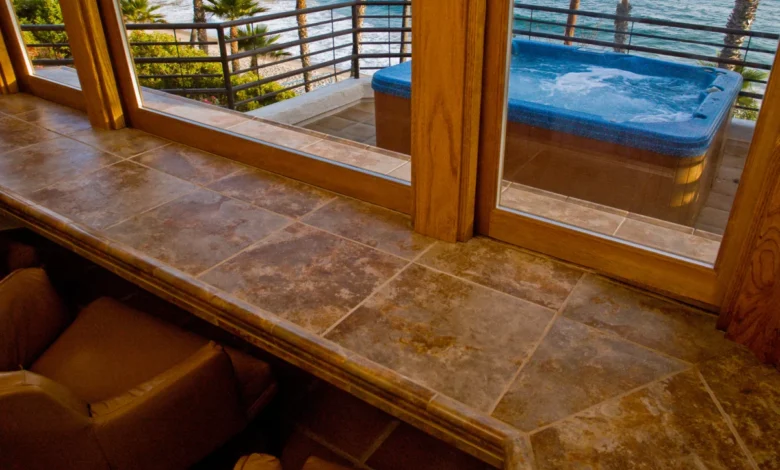
The real estate industry has undergone a significant digital transformation over the past decade, shifting from simple newspaper classifieds to high-definition, immersive online listings. This evolution has elevated real estate photography from a niche hobby into a highly specialized, essential service within the property market. As residential and commercial markets increasingly rely on visual storytelling to secure sales, the demand for professional-grade architectural imagery has reached unprecedented levels. Entering this field requires more than just a camera; it demands a fusion of technical proficiency, architectural understanding, and a disciplined approach to business management.

The Market Context and Industry Evolution
Historically, real estate marketing relied on basic snapshots taken by property agents. However, the rise of platforms like Zillow, Redfin, and Airbnb has fundamentally changed consumer expectations. According to industry analysis from the National Association of Realtors, over 97% of homebuyers use the internet as part of their home-searching process. Listings with professional, high-quality photography are statistically proven to sell faster and at higher price points compared to those utilizing amateur imagery.
This shift has created a sustainable career path for photographers. The industry is currently characterized by a steady demand for high-dynamic-range (HDR) imagery, which allows for the balancing of bright outdoor lighting with interior shadows. While the profession is competitive, the barrier to entry remains relatively low for those willing to master the technical nuances of light and composition.

Essential Technical Infrastructure
Professional real estate photography is unique because it prioritizes consistency and precision over the spontaneous, high-speed performance required in sports or event photography. The primary objective is to render architectural spaces accurately and attractively.
The Core Equipment Suite
Contrary to common misconceptions, a top-tier sports camera with rapid burst-fire capabilities is unnecessary. The foundational gear requirements include:

- The Sturdy Tripod: Because real estate photographers frequently use long exposures to capture wide dynamic ranges, a rock-solid tripod is non-negotiable. It ensures absolute stability, which is vital for later image blending.
- Ultra-Wide Angle Lenses: Interiors are often confined. A lens in the 16mm to 35mm range (on a full-frame sensor) is essential to capture the scale of a room without inducing excessive, uncorrectable distortion.
- Bracketing Capabilities: Most professional work involves capturing the same scene at three to five different exposure levels. The camera must have a reliable Automatic Exposure Bracketing (AEB) function.
- Lighting Equipment: While natural light is preferred, professional photographers often carry a wireless flash system to "fill" dark corners or neutralize color casts from interior lamps.
Software and Post-Production
The "finished product" in real estate photography is rarely a single RAW file. Instead, it is a composite of several exposures. Photographers must be proficient in RAW processing software such as Adobe Lightroom for color correction and specialized HDR software, such as Photomatix Pro, to merge bracketed shots. Advanced techniques in Adobe Photoshop are also necessary for tasks like sky replacement—a standard industry practice used to ensure that properties look appealing regardless of the weather conditions during the shoot.
Strategic Workflow and Chronology
A successful professional workflow generally follows a strict sequence:

- Preparation: Before arriving on-site, the photographer must coordinate with the client regarding staging expectations. A cluttered home is difficult to photograph effectively.
- On-Site Execution: The photographer conducts a walk-through to identify the best angles, ensuring that vertical lines remain perpendicular to the frame—a hallmark of professional architectural photography.
- Data Acquisition: Capturing bracketed exposures for each room and specific exterior angles.
- Post-Production: The labor-intensive phase where HDR merging, color balancing, and object removal (such as cleaning up messy countertops or digital staging) occur.
- Delivery: Providing high-resolution files optimized for Multiple Listing Services (MLS) and low-resolution versions for social media marketing.
Building a Sustainable Business Model
The transition from a hobbyist to a professional necessitates a shift in mindset toward business development and client relations.
Portfolio Development
For those just starting, the "catch-22" of requiring a portfolio to land clients can be overcome by documenting personal spaces or volunteering for non-commercial projects. Photographers often find success by approaching boutique real estate agencies or vacation rental hosts who need high-quality imagery to differentiate their properties on platforms like VRBO or Airbnb.

The Pitfalls of "Free" Work
A recurring issue for newcomers is the pressure to work for free. While initial practice sessions are essential, long-term industry standards suggest that professional work must be monetized from the outset. Accepting "exposure" or "future work" as payment is widely regarded as detrimental to both the individual’s brand and the broader photography market. Establishing a clear, professional price list early helps in setting expectations and prevents a reputation for being an amateur provider.
Pricing Structures
Pricing in real estate photography is usually determined by three factors: the square footage of the property, the number of images required, and the level of post-production editing needed. Industry data suggests that a entry-level shoot may range from $150 to $300, while high-end architectural assignments involving advanced lighting and extensive retouching can command several thousand dollars. Professionals are advised to track their "all-in" time—including travel, shooting, and editing—to calculate their true hourly rate.

Broader Industry Implications
The professionalization of real estate photography has direct implications for the property market. High-quality visuals serve as the "first showing" for prospective buyers. When a photographer effectively manages light, angle, and post-production, they are essentially acting as a marketing consultant for the seller.
Furthermore, the industry is increasingly adopting technologies such as 3D Matterport tours and aerial drone photography. Professionals who stay ahead of these trends are finding themselves in higher demand, as agencies look for "one-stop-shop" vendors who can provide a comprehensive visual package.

Conclusion and Future Outlook
Entering the field of real estate photography is a viable career move for those who possess the patience for technical detail and the discipline to manage a business. Success in this field is rarely accidental; it is the result of a systematic approach to equipment selection, a commitment to rigorous post-production standards, and the cultivation of strong relationships with real estate professionals. As the digital market continues to prioritize high-fidelity visuals, the role of the professional architectural photographer will remain a cornerstone of the property sales process. Those who treat their craft with professional integrity—by charging appropriately, maintaining consistent quality, and continually updating their technical skills—are well-positioned for long-term success in this evolving industry.