Apple Watch Series 12 Introduces Siri Recap and Ambient Listening, Sparking Fresh Privacy Concerns Over Always-On Conversational Surveillance

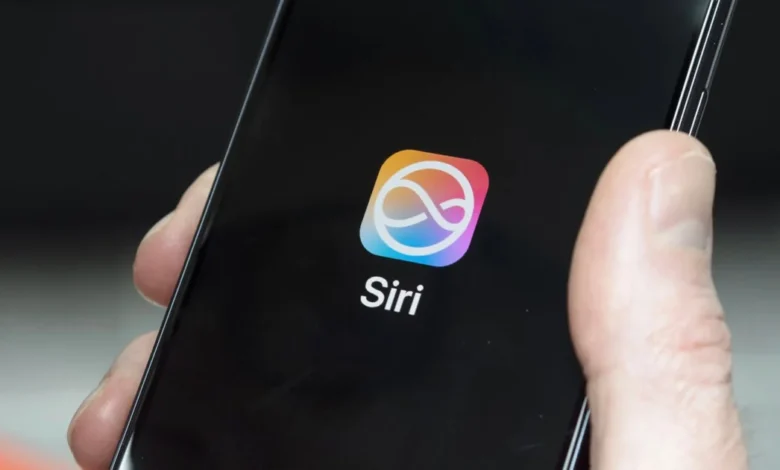
The landscape of wearable technology and personal privacy is facing a profound reckoning following the announcement of the upcoming Apple Watch Series 12. Unveiled during Apple’s autumn hardware showcase, the flagship device introduces a controversial new suite of capabilities powered by proprietary "Audio Intelligence." Chief among these features is "Siri Recap," an ambient listening tool designed to capture, process, and summarize spoken conversations in real-time. While Apple presents the feature as a powerful productivity and memory-jogging tool for the modern user, civil liberties advocates, privacy experts, and everyday consumers have raised immediate concerns regarding perpetual surveillance, non-consensual recording, and the erosion of interpersonal trust.
The introduction of ambient listening on mainstream wearable devices marks a significant escalation in how personal technology interacts with the physical world. Unlike smartphones, which typically require deliberate interaction or explicit wake-word activation, wrist-worn wearables are uniquely positioned to blend into the background of daily life. As tech companies increasingly pivot toward ambient computing and artificial intelligence integrations, the boundary between helpful assistance and invasive surveillance continues to blur.
Main Facts of the Apple Watch Series 12 Audio Suite
The core of the controversy centers on two newly announced features embedded within the Apple Watch Series 12 operating system: Siri Recap and Live Rewind.
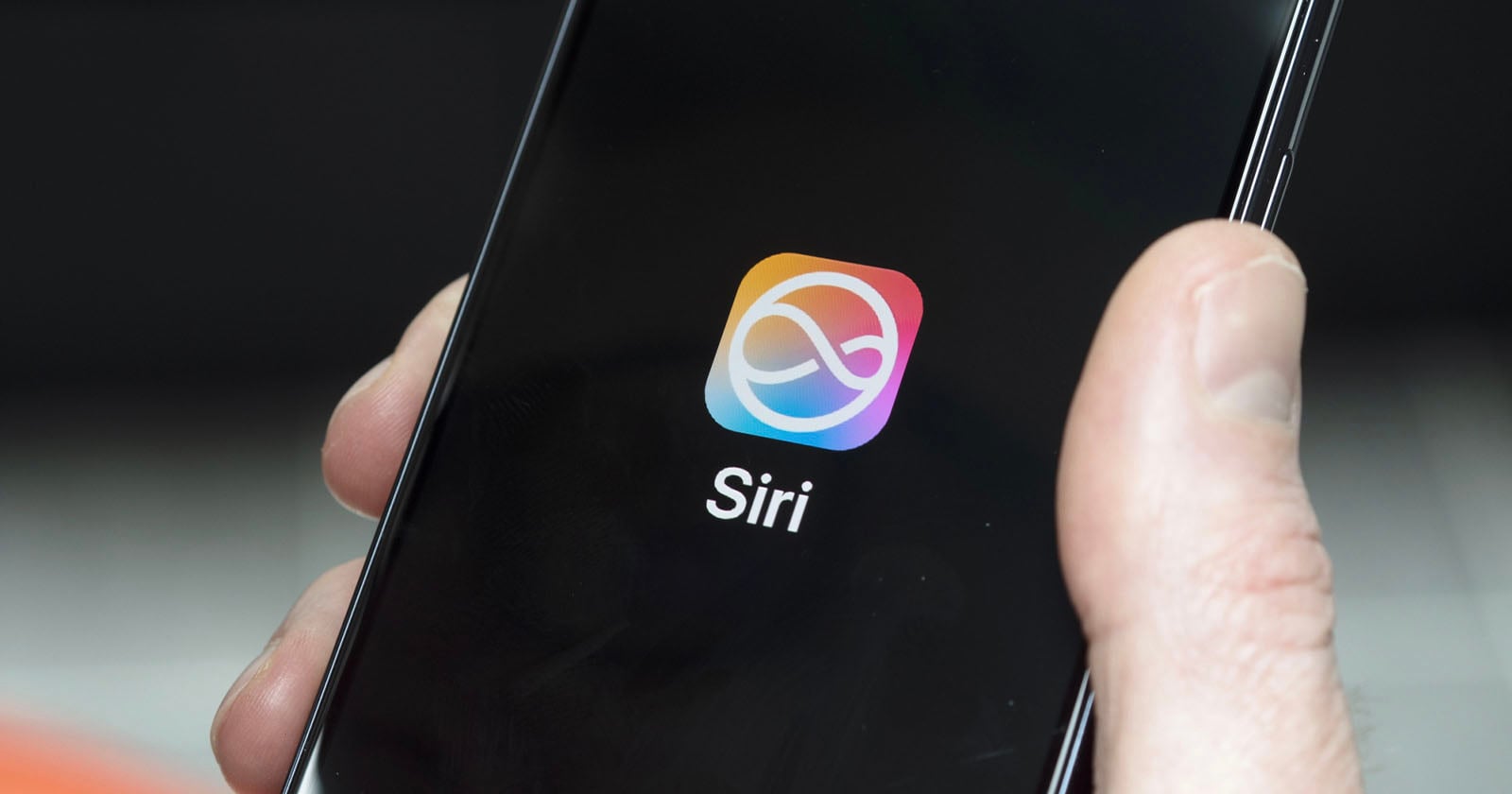
Siri Recap functions continuously in the background, leveraging advanced machine learning algorithms to ingest ambient audio during interpersonal interactions. Once a conversation concludes, the device generates a high-level, AI-driven text summary designed to help wearers recall specific details, commitments, or action items discussed throughout the day.
Complementing Siri Recap is Live Rewind, a feature that allows users to instantly replay the last 15 seconds of recently detected audio, accompanied by a live text transcript. According to Apple’s product documentation, the tool is marketed toward individuals who may have missed a detail in a noisy environment or want to clarify instructions given in fast-paced professional settings.
However, unlike enterprise-grade dictation tools or transcription software designed for designated meetings where all participants are explicitly notified, the Apple Watch Series 12 operates invisibly. The hardware features no physical recording indicator lights, nor does the operating system prompt nearby non-users for consent before capturing and processing dialogue within microphone range. This technical reality has transformed what Apple views as a consumer convenience into what critics are increasingly describing as a pocket-sized wiretap.
Chronology of Ambient Surveillance in Consumer Tech
To understand the gravity of the Apple Watch Series 12 announcement, it is necessary to examine the broader timeline of ambient recording technology over the past decade.
The integration of always-listening technology began in the smart home sector with the widespread adoption of virtual assistants like Amazon Alexa and Google Assistant. While these devices sparked initial debates regarding data privacy in domestic spaces, they were stationary appliances confined to private residences.
The paradigm shifted dramatically with the proliferation of smart eyewear. In recent years, companies such as Meta—in partnership with iconic eyewear brands—introduced smart glasses capable of capturing both high-definition video and audio. While Meta implemented a flashing LED indicator light intended to signal to the public when recording was underway, the safeguard proved insufficient to quell public unease. Investigative reports and viral incidents revealed that users frequently obstructed the indicator lights with tape or stickers, leading to widespread public discomfort. By mid-2026, public backlash reached a tipping point, with numerous venues banning smart glasses outright and reports indicating that consumers were increasingly afraid to wear them in public spaces due to social stigma and harassment concerns.
Against this backdrop, Apple’s entry into ambient audio recording via a ubiquitous wearable represents a watershed moment. Smartwatches boast significantly higher market penetration than specialized smart glasses, meaning the potential footprint of active ambient listeners is exponentially larger. By bypassing physical notification lights entirely, Apple has bypassed the modest accountability measures established by competitors, setting a new and potentially perilous precedent for public surveillance.
Supporting Data and Market Penetration
The anxieties surrounding the Apple Watch Series 12 are deeply rooted in existing public sentiment regarding data privacy and surveillance capitalism. According to recent surveys conducted by digital rights organizations, over 75 percent of consumers express deep unease regarding the collection of their conversational data by artificial intelligence models. Furthermore, more than 60 percent of respondents reported feeling that they have lost control over their personal privacy in public spaces.
The market saturation of smartwatches further exacerbates these concerns. Industry analytics from early 2026 estimate that active Apple Watch users number in the hundreds of millions globally. If even a fraction of these users enable Siri Recap, billions of hours of ambient human interaction—ranging from casual workplace banter to intimate personal arguments—will be processed by on-device and cloud-based machine learning algorithms.
While Apple has heavily emphasized its on-device processing capabilities and commitment to user privacy encryption, security researchers note that the fundamental architecture of ambient listening relies on continuous audio capture. Even if raw audio data is discarded after transcription and summarization, the resulting text logs represent a permanent digital record of private human discourse, vulnerable to subpoena, security vulnerabilities, or unauthorized access by device holders.
Official Responses and Industry Implications
As of the immediate aftermath of the announcement, Apple representatives have defended the Siri Recap feature as a strictly consumer-focused productivity tool. In official statements, the company reiterated its long-standing corporate philosophy that "privacy is a fundamental human right," pointing to advanced encryption standards and localized processing protocols designed to keep user data out of the hands of third-party advertisers. Apple maintains that users bear the personal responsibility of notifying conversational partners when recording or summarizing interactions, aligning the software with standard dictation and note-taking applications.
However, legal scholars and privacy advocates argue that placing the burden of consent entirely on individual etiquette is legally inadequate and socially impractical. Unlike formal meetings where recording consent is explicitly requested, informal social interactions governed by unwritten rules of privacy cannot easily accommodate the presence of an active, AI-powered transcription device. Legal analysts suggest that the deployment of such features could complicate existing wiretapping and two-party consent laws, particularly in professional environments where confidential client discussions or trade secrets are inadvertently captured by a nearby smartwatch.
Broader Impact and Societal Consequences
The release of the Apple Watch Series 12 touches upon profound philosophical questions regarding the nature of human communication and trust. Modern society relies heavily on the unrecorded, ephemeral nature of everyday conversation. The understanding that words spoken in confidence vanish into memory rather than being cataloged into an immutable database fosters psychological safety and open expression.
When individuals suspect that their acquaintances, colleagues, or strangers might be passively logging their dialogue for later review, the psychological equilibrium of public and private spaces shifts. Trust is eroded when conversation becomes a potential data-harvesting exercise. Critics warn that the widespread adoption of ambient note-taking could lead to a chilling effect on free speech, as people self-censor out of fear that their casual remarks will be permanently summarized, misinterpreted, or weaponized in personal and professional disputes.
Furthermore, the comparison to dystopian science fiction narratives is frequently invoked by cultural commentators who view the technology as a step too far into intrusive convenience. The ability to instantly replay a past argument or review an AI-generated assessment of a friend’s tone introduces a clinical, algorithmic detachment into human relationships.
Conclusion and Future Outlook
The Apple Watch Series 12 and its Siri Recap feature represent a critical crossroads for the technology industry. As artificial intelligence capabilities expand, manufacturers are racing to embed generative tools into every facet of daily life, frequently prioritizing technological novelty over societal consensus and ethical boundaries.
Whether consumers will embrace ambient listening as an indispensable organizational tool or reject it as an unacceptable intrusion into personal privacy remains to be seen. However, the debate ignited by Apple’s latest hardware release underscores an urgent need for robust regulatory frameworks, transparent device indicators, and a broader cultural dialogue about the limits of surveillance in a hyper-connected world. As the release date approaches, regulators, privacy advocates, and consumers alike will be watching closely to see how the tech giant navigates the mounting pushback against the erosion of unrecorded human life.