Mastering Bridal Portraits: Essential Techniques and Inspiration for Wedding Photographers

The wedding day is a whirlwind of emotions, events, and meticulous details, and for wedding photographers, capturing the essence of this monumental occasion demands a broad skillset. From the intimate moments of bridal preparation to the grand celebration and the joyous reception, their lens is tasked with preserving memories that will last a lifetime. Among the myriad of shots required, bridal portraits stand out as particularly crucial. These images encapsulate the bride’s radiance, her meticulously chosen attire, and the culmination of her journey to this significant day. To equip photographers with the knowledge to excel in this vital aspect of wedding photography, a comprehensive guide to bridal portrait techniques, creative ideas, and essential inspiration is invaluable.
The Significance of Bridal Portraits in Wedding Photography
Wedding photography is a multifaceted discipline, requiring photographers to be adept at capturing everything from candid interactions to posed portraits. The bridal portrait session, often taking place during the early hours of the wedding day, is a cornerstone of this coverage. It provides a dedicated opportunity to focus solely on the bride, highlighting her beauty, the artistry of her gown, and the personal touches that make her unique. These portraits are not merely photographs; they are visual heirlooms, cherished by the bride and her family for generations. The pressure to deliver exceptional bridal portraits is immense, as they often form the centerpiece of wedding albums and are widely shared across social media. Therefore, understanding the nuances of posing, lighting, and creative composition is paramount for photographers seeking to elevate their craft and satisfy their clients.

Must-Have Bridal Portrait Shots: A Foundation for Excellence
While creativity is the hallmark of a great photographer, a foundational understanding of essential shots ensures that clients receive the images they anticipate and desire. These "must-have" shots serve as a reliable framework, allowing photographers to build upon them with their unique artistic vision.
Detail Shots: Weaving the Narrative Thread
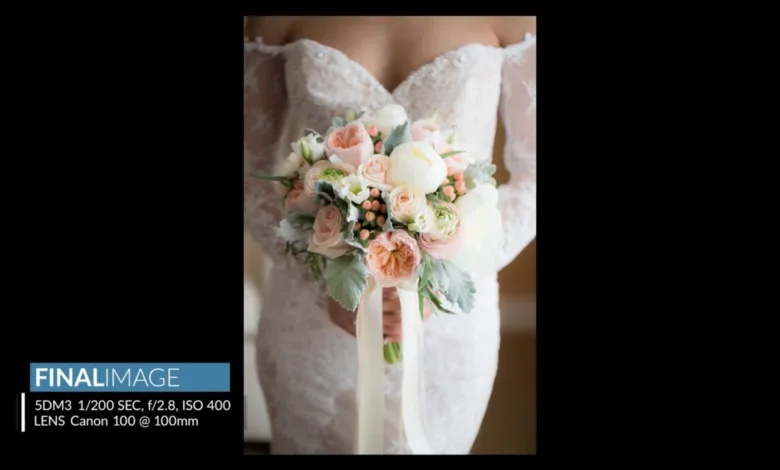
The bridal prep phase offers a prime opportunity to capture intricate details that contribute to the overall story of the wedding day. These often include the wedding dress, shoes, jewelry, bouquet, and rings. While a product photography approach can yield striking images, integrating these details with the bride provides a richer context. For instance, photographing the rings alongside the bride’s hands, adorned with her wedding manicure, or capturing the bouquet resting on her lap as she prepares, adds a personal dimension.

Extended detail captures should encompass a wide array of elements. Earrings that complement the gown, delicate beading or embroidery on the dress, and even a close-up shot focusing on the bride’s meticulously applied lashes (achieved by having her look downwards) can add depth. The bouquet, a testament to floral artistry, deserves its own moment, as do any other personal items that hold sentimental value for the bride. If a particular element of the wedding day—be it the dress or the floral arrangements—was chosen with exceptional care and attention, it warrants photographic documentation. This meticulous attention to detail not only enriches the wedding album but also provides a tangible record of the thoughtful planning that went into the celebration.
The 3/4 Standard Bridal Portrait: A Timeless Pose
A staple in any bridal portraiture session is the 3/4 standard pose. This framing captures the bride from her head down to just below her knees. A critical guideline for this pose is to avoid cropping at the natural bend points of limbs, such as the knees, ankles, or wrists. Such cropping can lead to an unflattering and disjointed appearance.
Achieving a variety of compelling images from a single 3/4 pose requires more than just static framing. Photographers often fall into the trap of rapidly moving to a new pose once they feel they have captured a shot. However, subtle variations within the same pose can dramatically alter the image’s dynamic. Encouraging the bride to shift her weight slightly, subtly adjust her gaze, or engage in a natural movement can yield significantly different and more engaging results.

Furthermore, guiding the bride’s expressions is key to infusing life into these portraits. Simply placing a subject in a pose without direction can result in stiffness and a limited range of emotional output. Wedding photographers often find themselves acting as directors, a role that requires a delicate balance between guiding the subject and allowing for natural reactions. The concept of "assisted photojournalism," which involves guiding a scene while allowing genuine moments to unfold, can be incredibly effective here. By offering gentle prompts and cues, photographers can elicit authentic smiles, thoughtful gazes, and joyful laughter, thereby creating a diverse collection of portraits from a single setup.
Full-Length Bridal Portraits: Showcasing the Gown in Its Glory
Every bride desires a full-length photograph that beautifully showcases her wedding gown, both on its own and as part of her complete ensemble. These images are crucial for capturing the silhouette, the intricate details of the dress, and the bride’s overall presence. Posing the bride from head to toe is essential, with a focus on accentuating her natural features and highlighting the craftsmanship of her attire.
To achieve a flattering full-length shot, photographers must pay meticulous attention to the bride’s posture and the drape of her dress. Small adjustments to the fabric, the angle of her body, and the placement of her hands can make a significant difference in creating a more graceful and elegant profile. It is often beneficial to demonstrate poses rather than solely relying on verbal instructions, allowing the bride to visually understand and mimic the desired posture. This interactive approach ensures that the bride feels comfortable and confident, leading to more natural and radiant photographs.

When instructing the bride for a full-length shot, specific cues can be highly effective. For example, encouraging her to imagine she is walking down an aisle, to gently place her hand on her hip to create a subtle curve, or to look over her shoulder can add dynamism and elegance. The goal is to guide her into a pose that elongates her figure and highlights the flow and details of her gown.
Seated Bridal Portraits: Emphasizing Posture and Grace
Capturing flattering seated bridal portraits requires a keen awareness of how the female form appears when seated. The cornerstone of successful seated posing is maintaining excellent posture. A slumped or hunched posture can diminish the natural elegance of the bride’s figure, shortening her spine and neck. Photographers must guide the bride to sit upright, with her shoulders back and her spine elongated.
The angle of the camera is also crucial. Shooting slightly upwards towards the bride, with the camera aligned with her spine, can help to avoid making her appear larger than she is. This perspective ensures that the lines of her body are rendered gracefully and naturally.

Taking the time to perfect these seated poses, even when under time pressure, significantly elevates the quality of the final images. A flattering and natural seated pose not only makes the bride look her best but also contributes to a higher overall production value of the photographic collection.
Creative Veil Portraits: Adding a Touch of Magic
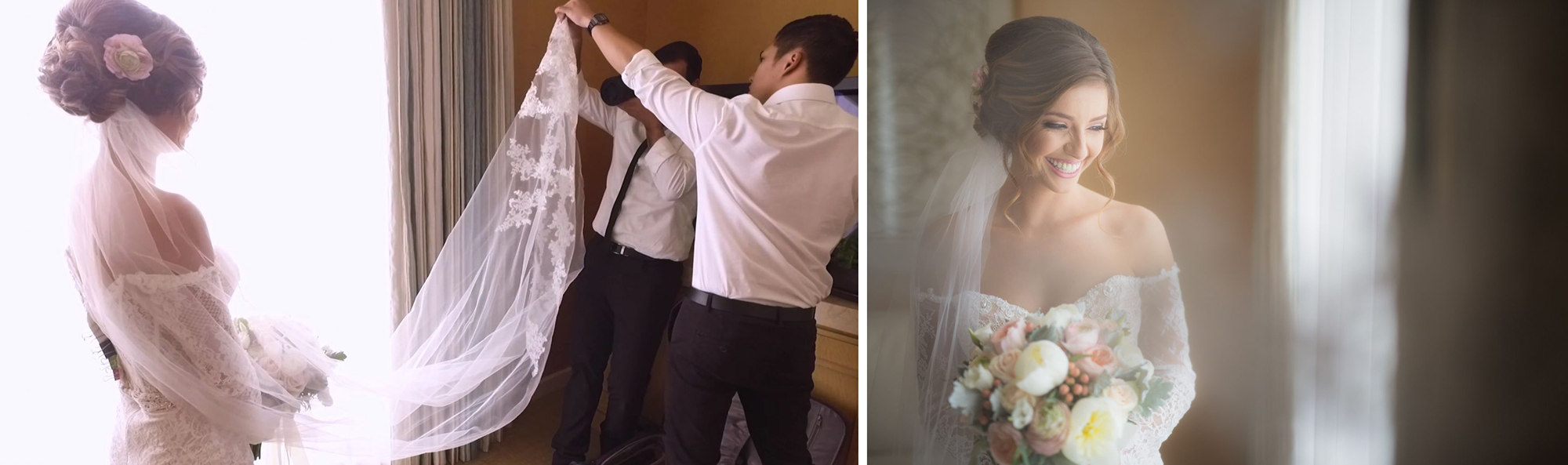
The bride’s veil, if she chooses to wear one, offers a remarkable opportunity for creative photography. One particularly effective technique is the "shoot-through" method, where the veil is held in front of the lens. This creates a soft, ethereal haze and adds texture to the image, lending a dreamlike quality to the portrait.
To execute this technique, either the photographer or an assistant holds the end of the veil near the front of the lens. The bride should remain sharply in focus, her face clearly visible, while the veil introduces a layer of artistic blur. While it is acceptable for the veil to obscure parts of the dress or background, it is essential to ensure the bride’s face remains unobstructed and in sharp focus. Careful attention to focus is paramount, as the close proximity of the veil’s fabric can sometimes trick the camera’s autofocus.

Beyond the shoot-through technique, veils can be used in numerous other creative ways. They can be draped over the bride and groom during their first look, used as a soft backdrop for a romantic portrait, or even utilized to create dramatic silhouettes against a bright light source.
Other Creative Accessories for Bridal Portraits
Photographers can expand their creative toolkit by incorporating various accessories into bridal portrait sessions. These items can add unique visual interest, help to conceal distracting backgrounds, or serve as dynamic elements within the frame. Examples include:
- Prisms: Used to refract light and create interesting flares and distortions.
- Scarf or Fabric: Can be used to create soft, flowing textures or as a creative backdrop.
- Flower Petals: Sprinkled around the bride or used to create a colorful foreground.
- Mirrors: Offer opportunities for creative reflections and unique perspectives.
- Colored Gels: Can be used with off-camera flash to add vibrant hues to the scene.
The strategic use of these accessories can transform a standard portrait into a work of art, adding a distinctive flair to the bride’s collection.
Additional Bridal Portraits to Consider
Beyond the essential shots, several other portrait types can enrich a wedding photographer’s portfolio and client offerings.
Post-Bridal Makeup Portraits: The "Robe Portrait"
While not always a formal requirement, many brides request photographs captured in their robes, particularly before they don their wedding dress. This is an ideal time to highlight the artistry of the hair and makeup stylists. These "robe portraits" offer a more relaxed and intimate glimpse into the bride’s preparation, showcasing her natural beauty and the final touches of her bridal look. As the bride transitions into her gown, the focus shifts to full-length and detail shots of the dress, making these earlier robe portraits a valuable addition to the narrative.

Journalistic and Environmental Bridal Portraits
Once the standard poses have been captured, it’s time to step back and observe the surroundings. Identifying unique reflections, architectural elements, or natural features can lead to striking journalistic and environmental portraits. These shots capture the bride within her setting, telling a story of her day and the atmosphere of the venue.
Utilizing wider lenses, such as a 35mm or 24mm prime, allows for broader environmental captures. The strategy of starting with close-up shots and gradually widening the perspective with each lens change helps to build a cohesive visual narrative. This approach allows for the creation of dynamic, story-telling images that go beyond traditional posed portraits.
Outdoor Golden Hour Bridal Portraits

The "golden hour," the period shortly after sunrise or before sunset, offers exceptionally soft and flattering natural light. Leveraging outdoor locations during this time can result in breathtaking bridal portraits. Photographers can capture both individual portraits of the bride and shots of the bride with her bridesmaids, utilizing the warm, golden light to create a romantic and radiant ambiance. It is essential to vary compositions, from wide shots that showcase the scenery and dresses to tighter shots that focus on expressions and connections.
Quick Lighting Tips for Bridal Portraits
Mastering lighting is fundamental to exceptional bridal photography. While this is not an exhaustive treatise on lighting, understanding basic principles and common techniques is vital.
Essential Lighting Gear

Lead photographers often employ specific lighting gear to enhance their bridal portraits, especially when natural light is insufficient or for creative effect. While not every item is necessary for every session, common tools include:
- Reflectors (5-in-1): Versatile tools for bouncing, diffusing, and blocking light.
- Speedlights or Strobes: Portable artificial light sources for controlled illumination.
- Light Modifiers (Softboxes, Umbrellas): To shape and soften artificial light.
- Triggers and Receivers: For wireless flash synchronization.
Creative Lighting Techniques
Often, ample natural light is available near windows indoors or in open shade outdoors. However, when creative effects are desired or ambient light is challenging, artificial lighting becomes indispensable.
Backlit Hairspray Shot
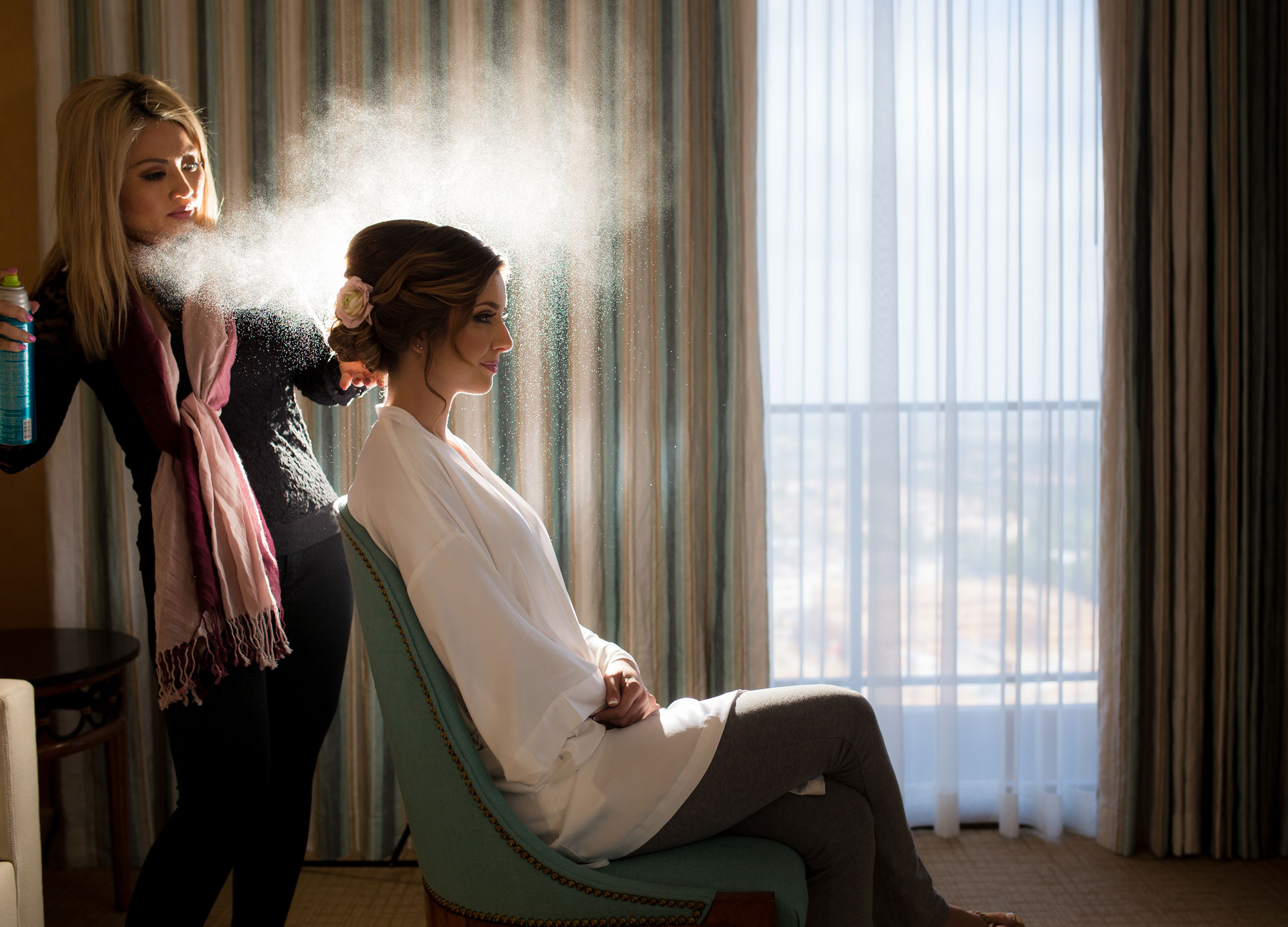
A popular and visually appealing shot for brides and their hair and makeup teams is the backlit "hairspray" portrait. This technique involves using a light source behind the bride, often with hairspray sprayed into the air, to create a halo effect and highlight the texture of the hair.
To achieve this:
- Position the Bride: Place the bride with her back to the primary light source (e.g., a window or a strobe).
- Introduce Hairspray: Lightly spray hairspray into the air around the bride’s head. The fine mist will catch the light.
- Adjust Light: Position a strobe or speedlight behind the bride, angled to illuminate the hairspray mist.
- Focus on the Hair: Ensure the focus is sharp on the bride’s hair and the illuminated mist.
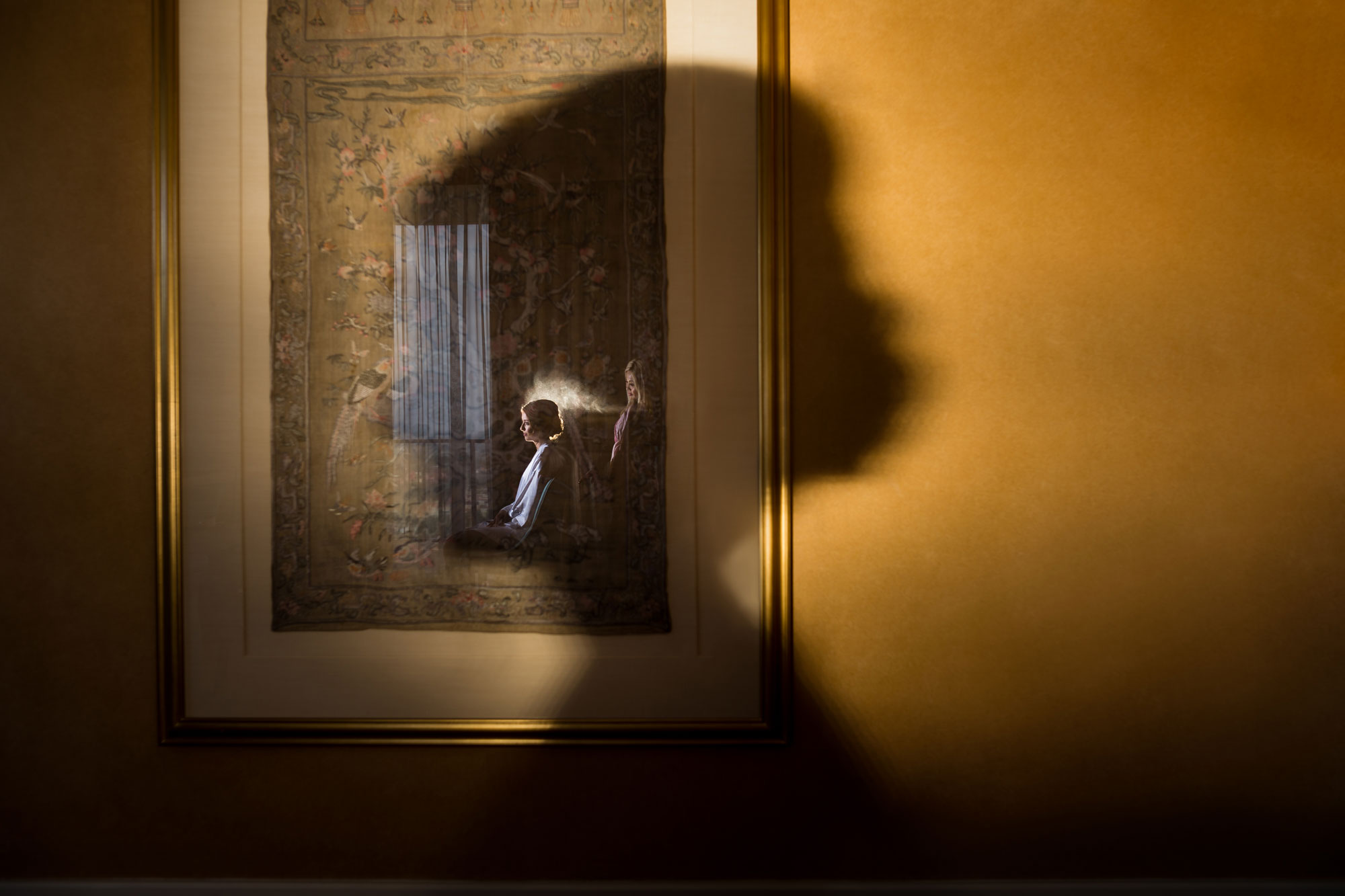
This technique can be further elaborated into shadow photography. By using a framed object as a reflective surface and a flash, a shadow can be cast onto an opposite wall, creating an artistic and unique portrait. Post-processing may be required to refine the image and remove any distracting elements.
Natural Light Portraits Using Window Light and a Reflector
Window light is a photographer’s best friend, providing soft, diffused illumination. It can also serve as a clean backdrop, even in less-than-ideal settings.
To maximize window light:
- Position the Bride: Place the bride facing the window, or with her side to it, depending on the desired effect.
- Utilize a Reflector: A silver reflector can be used to bounce light back onto the bride’s face, filling in shadows and adding dimension. For a high-key effect, a 5-in-1 reflector can have a rectangle cut out, allowing the photographer to shoot through it, creating a framed effect with diffused window light.
- Lens Choice: A telephoto lens, such as an 85mm or longer, is often recommended for this technique to achieve pleasing compression and background blur.
Side Lighting for Dimension
While flat light can be flattering, side lighting adds dimension and sculpts the subject’s features. By repositioning the bride relative to the light source (e.g., turning her 90 degrees from a window), the light will strike her from the side, creating subtle shadows that define her face and highlight details like her bouquet. This dynamic lighting is excellent for accentuating textures and forms.

Shooting for the Edit: Strategic Planning for the Final Product
Given the often-tight time constraints of wedding days, a pre-planned approach to bridal portraiture is essential.
Pre-Visualization and Planning
Before the session begins, photographers should scout the venue to assess available light and identify potential shooting locations. Thinking ahead about the desired shots allows for efficient execution on the day. This includes considering the overall aesthetic and how individual images will contribute to a cohesive album.

Cohesive Album Design
While variety is important, images within an album should flow harmoniously. Photographers should consider how lighting, contrast, and color palettes can be grouped to create visually appealing spreads. This "shooting for the edit" mindset ensures that the final collection tells a complete and beautiful story of the bride’s day.
Conclusion
Wedding photography is a demanding yet incredibly rewarding profession. The pressure to capture perfect moments, especially the crucial bridal portraits, is immense. However, by equipping themselves with a strong understanding of essential techniques, creative lighting strategies, and a well-defined plan, photographers can confidently approach bridal portraiture. The ability to capture the bride’s beauty, elegance, and the joy of her special day will undoubtedly lead to satisfied clients and a fulfilling career. The investment in mastering these skills directly translates into the creation of cherished memories that will be treasured for a lifetime.