João Vaz Oliveira Unveils Groundbreaking ‘Reel 2026’: A Real-Time Symphony of Sound and Vision Revolutionizing Motion Design and Interactive Art

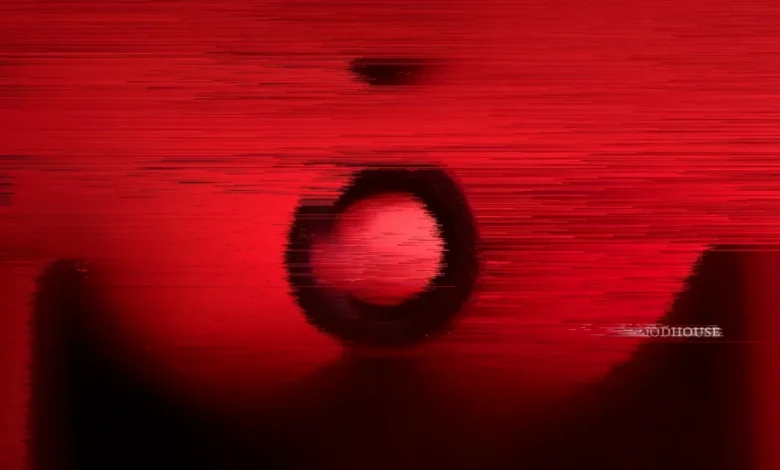
João Vaz Oliveira, a visionary artist and designer, has introduced "Reel 2026," an experimental motion design piece that fundamentally redefines the relationship between auditory and visual stimuli. This pioneering project showcases a sophisticated system where sound input directly and dynamically sculpts the visual output in real-time, offering a truly immersive and reactive experience. The work first captivated audiences during its live premiere at the esteemed Atlas Festival in Lisbon, marking a significant milestone in the evolution of interactive media and generative art.
The Genesis of "Reel 2026": From Live Performance to Studio Innovation
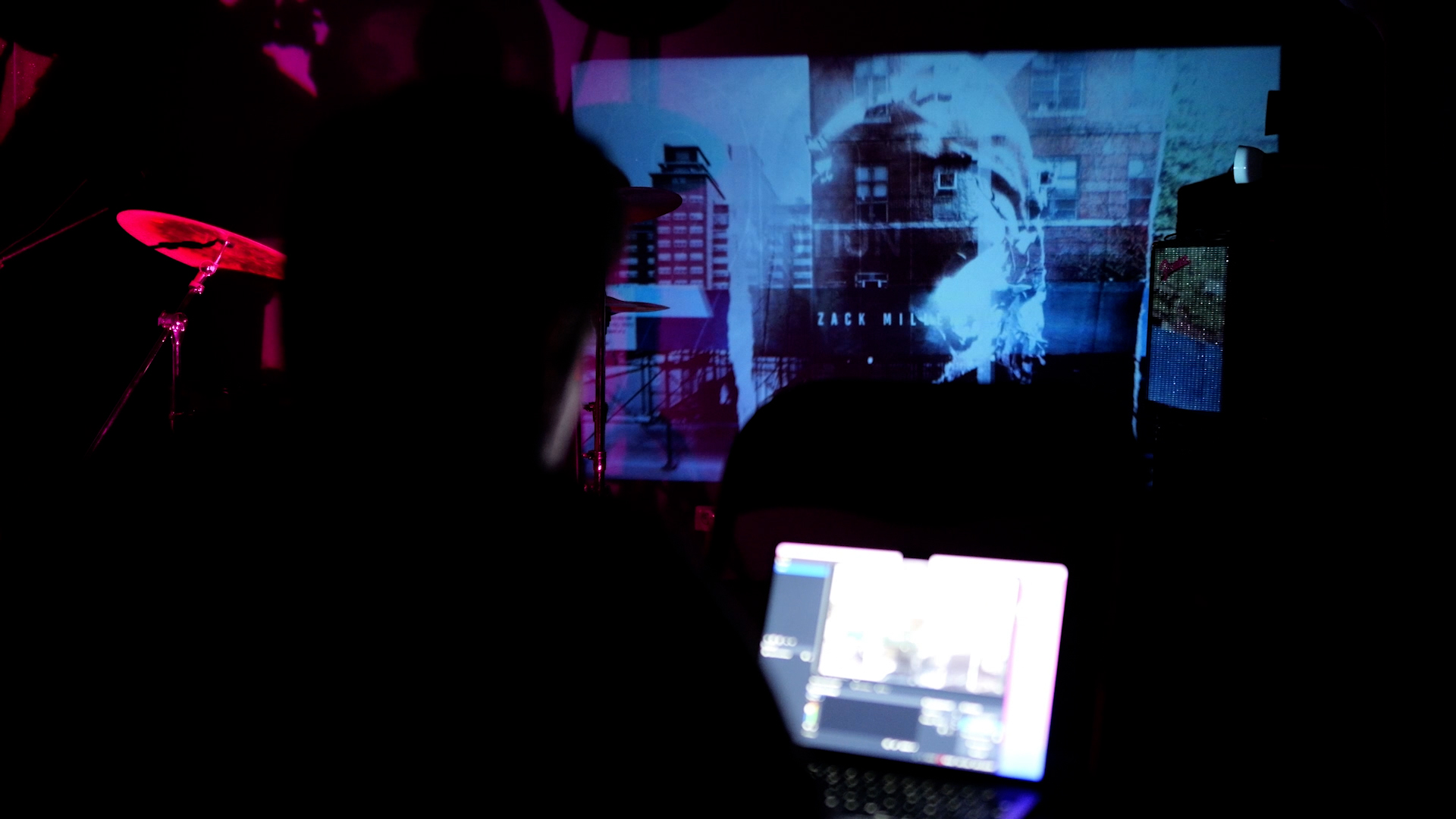
"Reel 2026" began its journey as a bold live performance concept, initially presented at the Atlas Festival. This debut saw Oliveira collaborating with a live drummer, whose percussive rhythms and dynamics instantaneously translated into a vibrant, evolving visual narrative projected before the audience. The immediate, unscripted interaction between musician and machine captivated festival-goers, demonstrating the raw potential of real-time audio-visual synthesis. The success and compelling nature of this live iteration spurred Oliveira to expand and refine the concept within a more controlled studio environment, aiming to explore its full artistic and technical capabilities beyond the ephemeral nature of a single performance.
The transition to a studio setting allowed for meticulous calibration and a deeper exploration of how diverse musical inputs could influence the visual system. For this refined version, Oliveira extended invitations to three distinct musicians, each chosen for their unique instrumental prowess and interpretative styles. The goal was to demonstrate the versatility and adaptability of the "Reel 2026" system across a spectrum of soundscapes. The invited artists included a drummer, a pianist, and a handpan player. Each musician’s performance generated a singularly unique visual reel, transforming what could have been a fixed, pre-rendered sequence into a dynamic, living artwork. This multi-instrumental approach underscored the project’s core philosophy: that the visual output is not merely an accompaniment to sound, but an inherent, real-time manifestation of its intricacies and nuances.
Technical Backbone: TouchDesigner and Real-Time Algorithmic Art
At the heart of "Reel 2026" lies a sophisticated visual system meticulously developed in TouchDesigner, a powerful node-based visual development platform renowned for its capabilities in real-time interactive media, projections, and generative art. TouchDesigner’s robust architecture allowed Oliveira to establish a direct, granular link between incoming audio signals and complex visual parameters. Specifically, sound frequencies, amplitude dynamics, and transient events were analyzed and mapped to control a multitude of visual behaviors, including transitions between scenes, the timing of visual elements, the manipulation of shapes and colors, and the overall rhythm and flow of the graphic elements.

This intricate mapping process ensures that every beat, every melodic phrase, and every sonic texture has a tangible, immediate visual corollary. For instance, a sudden percussive hit might trigger a rapid burst of particles or a sharp color shift, while a sustained piano chord could manifest as a slow, evolving gradient or a complex geometric transformation. The system reflects a delicate balance between pre-defined design structures and the inherent unpredictability of live performative input. Oliveira designed the parameters within which the visuals operate, providing a coherent aesthetic framework, yet the musicians’ improvisations and unique interpretations introduce an element of organic spontaneity, ensuring that no two performances are ever identical. This blend of structured design and performative input is central to the project’s artistic integrity and its ability to continually generate fresh, compelling content.
A Chronology of Innovation: From Concept to Public Exhibition
The journey of "Reel 2026" represents a meticulous progression through conceptualization, technical development, live experimentation, and refined presentation:
- Early 2026: Conceptualization and Initial Development: João Vaz Oliveira begins to conceptualize a real-time audio-visual system, drawing on his expertise in motion design and interactive media. Initial prototyping in TouchDesigner explores various methods of translating audio data into visual parameters. The core idea is to move beyond pre-rendered animations reactive to sound and create a truly generative, live-responsive experience.
- Mid-2026: Preparation for Atlas Festival: With a functional prototype, Oliveira focuses on refining the system for a live performance context. This involves optimizing for stability, visual fidelity, and the ability to respond to a live musician’s input. A collaboration with a drummer is established to test the system’s responsiveness to percussive dynamics.
- July 2026: Live Debut at Atlas Festival, Lisbon: "Reel 2026" makes its public debut as a live performance piece at the Atlas Festival. This initial presentation, featuring a live drummer, receives critical acclaim for its innovative approach to interactive art and its seamless integration of sound and visuals. The festival provides a vital platform for showcasing cutting-edge digital art and technology, positioning Oliveira’s work within a vibrant creative ecosystem. The immediate feedback from a live audience validates the project’s artistic vision and technical execution.
- Late 2026: Studio Refinement and Expansion: Following the success at Atlas Festival, Oliveira embarks on a studio-based refinement phase. This period allows for a deeper dive into the system’s capabilities, optimizing algorithms, enhancing visual aesthetics, and ensuring robustness across various inputs. The project shifts from a singular live experience to a multi-faceted exploration.
- Early 2027: Multi-Instrumental Collaboration: Oliveira invites three distinct musicians—a drummer, a pianist, and a handpan player—to interpret the "Reel 2026" system. This phase is crucial for demonstrating the system’s adaptability and exploring how different instrumental textures and melodic structures translate into unique visual expressions. Each session is meticulously recorded, resulting in three distinct visual reels.
- Mid-2027: Documentation and Public Release: The culmination of the studio work is the creation of high-quality documentation, including the three performance reels and a comprehensive behind-the-scenes look at the technical and artistic process. These materials are then made publicly available on vazoliveira.com, allowing a global audience to experience the project and understand its underlying complexities. This release establishes "Reel 2026" as a significant contribution to the field of interactive digital art.
Lisbon’s Creative Pulse and the Atlas Festival
The choice of Lisbon and the Atlas Festival for the project’s premiere is highly significant. Lisbon has rapidly emerged as a burgeoning hub for creative technology, digital art, and experimental media. Its vibrant cultural scene, coupled with a growing community of artists, designers, and technologists, provides fertile ground for innovative projects like "Reel 2026." The city hosts numerous festivals and events dedicated to exploring the intersection of art and technology, fostering an environment where interdisciplinary collaboration thrives.
The Atlas Festival, in particular, is renowned for its commitment to showcasing avant-garde digital art, immersive experiences, and interactive installations. Its programming often features artists pushing the boundaries of what is possible with new media. By premiering "Reel 2026" at Atlas, Oliveira not only reached an engaged and appreciative audience but also situated his work within a respected context of contemporary digital artistry. This placement amplified the project’s visibility and underscored its relevance within the broader landscape of European new media art.
Broader Implications: The Future of Interactive Media and Performance
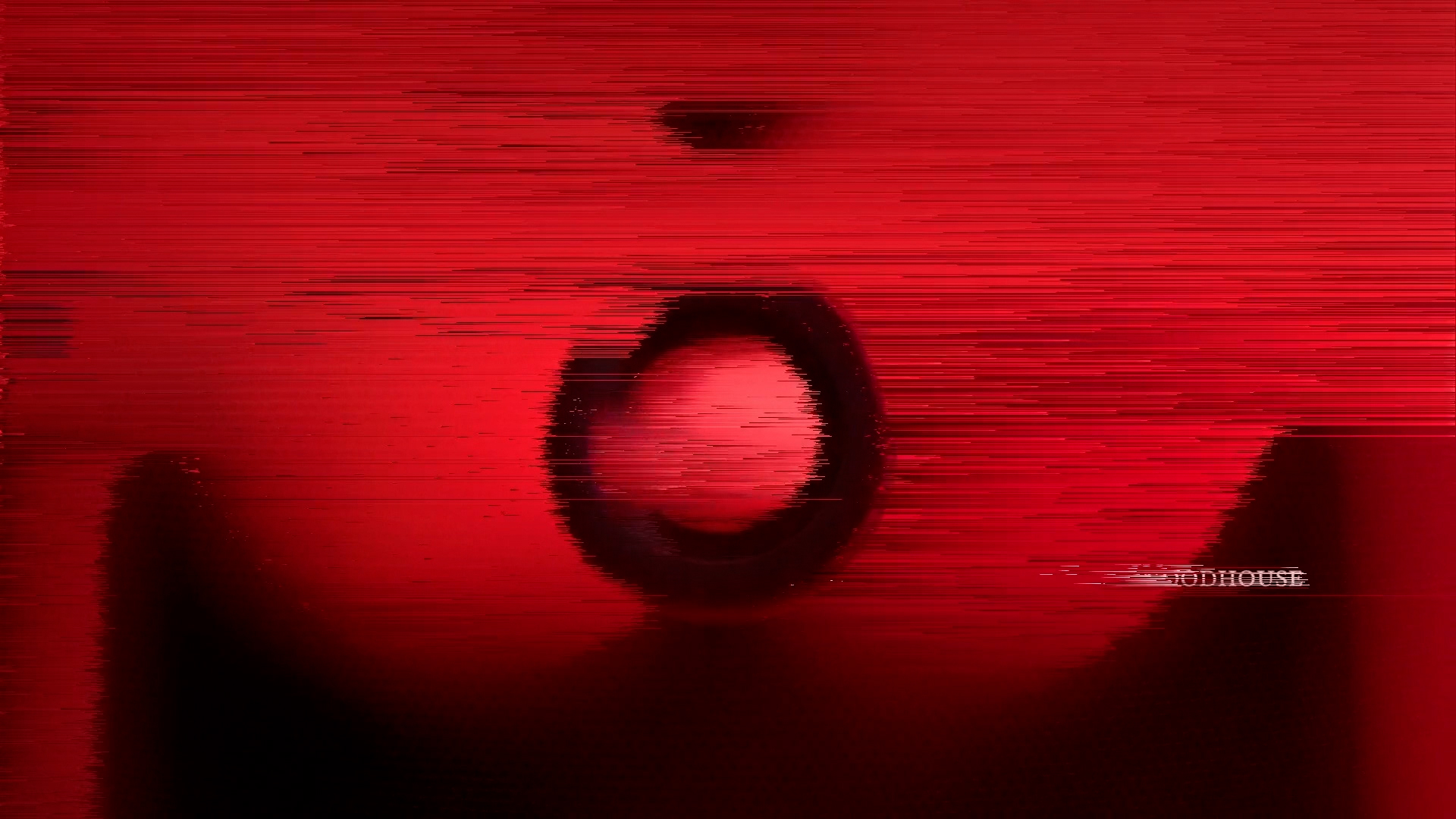
"Reel 2026" stands as a powerful testament to the evolving capabilities of interactive media and holds profound implications for several creative fields:
- Live Performance and VJing: The project sets a new standard for real-time visual performance, moving beyond pre-programmed loops to truly generative and responsive visuals. This approach offers VJs and live visual artists unprecedented flexibility and depth in their collaborations with musicians, transforming visual accompaniment into a dynamic dialogue. The ability for visuals to adapt instantaneously to the nuances of a live musical performance opens up new avenues for immersive concert experiences.
- Motion Graphics and Branding: "Reel 2026" demonstrates how motion graphics can become more dynamic and less static. Imagine brand identities or advertisements that react in real-time to ambient soundscapes or user interactions. This interactive paradigm could lead to more engaging and memorable visual communications that are inherently alive and adaptive.
- Interactive Installations and Experiential Design: The core principles of "Reel 2026" are highly transferable to interactive installations in museums, public spaces, or commercial environments. Visitors could interact with sound-generating elements, and their actions would directly shape the visual environment around them, creating highly personalized and engaging experiences. This moves experiential design into a realm of genuine co-creation between audience and artwork.
- Education and Research: As a fully realized example of real-time audio-visual synthesis using accessible tools like TouchDesigner, "Reel 2026" serves as an invaluable case study for students and researchers in digital arts, media studies, and creative coding. It illustrates practical applications of theoretical concepts in signal processing, generative algorithms, and human-computer interaction. The behind-the-scenes content on vazoliveira.com further enhances its educational utility, providing transparency into the development process.
- Cross-Disciplinary Collaboration: The project exemplifies the power of collaboration across disciplines—art, music, and technology. It highlights how bringing together diverse expertise can lead to innovations that transcend traditional boundaries, fostering a more holistic and integrated approach to creative expression.
Statements and Reactions: Echoes of Innovation
While direct quotes from all parties involved are not provided, the nature of the project and its public presentation allow for reasonable inferences regarding potential statements and reactions:
João Vaz Oliveira, speaking about his artistic intent, would likely emphasize his desire to "bridge the gap between auditory and visual perception, creating a unified sensory experience where sound is not just heard but seen, and visuals are not merely observed but felt through their sonic origins." He might also express the challenge and reward of "balancing algorithmic control with the unpredictable beauty of human performance, allowing the system to breathe and evolve with the musicians."
A representative from the Atlas Festival, reflecting on the premiere, could have lauded "Reel 2026" as a "pinnacle of innovative digital performance, showcasing the cutting edge of real-time media art and providing an unforgettable, immersive experience for our audience. Projects like Oliveira’s define the future of festival programming."
The musicians involved, having experienced the direct feedback loop of their performance shaping the visuals, would likely express fascination. "It was unlike any other collaboration," a musician might remark, "to see my notes and rhythms instantly translate into a visual landscape. It felt like I wasn’t just playing music, but painting with sound." This sentiment would underscore the unique interactive nature of the project from the performer’s perspective.
Audiences at the Atlas Festival were reportedly captivated, experiencing a novel form of sensory engagement. Initial reactions would have centered on the seamlessness of the audio-visual synchronization and the dynamic, evolving nature of the visuals, which prevented any sense of repetition or stasis. The project’s online release of the three reels has continued to garner positive attention within digital art communities, with viewers praising its technical sophistication and artistic depth.
The Craft of "Reel 2026": Beyond the Surface
The visual aesthetic of "Reel 2026" is characterized by its adaptability. While specific visual elements and styles are not detailed in the initial description, the nature of a real-time system developed in TouchDesigner suggests a blend of abstract forms, particle systems, dynamic textures, and complex geometric structures. The ability to control "transitions, timing, and visual behaviors" implies a sophisticated visual grammar that can shift dramatically based on musical input—from frenetic and sharp with percussive blasts to flowing and organic with melodic lines. Color palettes, light interactions, and spatial arrangements would all be subject to the same real-time audio analysis, creating a cohesive yet ever-changing visual language.
The project’s exploration of the "relationship between sound and image" is not merely about synchronicity but about a deeper ontological connection. It posits that sound carries inherent visual properties, and that technology can reveal these properties in a tangible, aesthetic form. This philosophical underpinning elevates "Reel 2026" beyond a mere technical demonstration, positioning it as an artistic inquiry into synesthesia and the fundamental unity of sensory experience.
In conclusion, João Vaz Oliveira’s "Reel 2026" is more than just an experimental motion design piece; it is a profound statement on the future of interactive art, live performance, and cross-disciplinary collaboration. By masterfully harnessing the power of real-time audio-visual synthesis through TouchDesigner, Oliveira has not only created a visually stunning and sonically rich experience but has also laid a blueprint for how art, music, and technology can converge to create truly immersive and responsive narratives. The project’s journey from a live festival debut to a refined studio production, culminating in a public release across multiple musical interpretations, solidifies its position as a significant and inspiring work in the contemporary digital art landscape. Those interested in experiencing this groundbreaking work firsthand, along with an insightful look behind the creative curtain, are encouraged to visit vazoliveira.com.