How the Quntis Monitor Light Bar is Redefining Home Office Ergonomics and Reducing Digital Eye Strain

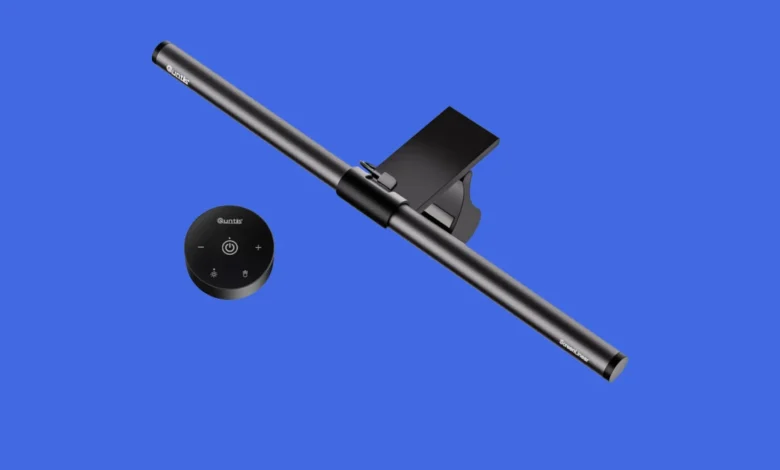
As the seasonal transition toward shorter days and diminished natural light impacts the productivity and well-being of the modern remote workforce, the integration of specialized peripheral lighting has emerged as a critical ergonomic consideration. The Quntis Monitor Light Bar, currently positioned as a leading budget-friendly solution in the workspace lighting sector, represents a growing trend in consumer electronics focused on mitigating the physiological effects of prolonged screen exposure. With a significant reduction in retail pricing—dropping from a standard $60 to approximately $33 on major e-commerce platforms—this device has gained traction among digital professionals seeking to optimize their home office environments.
The Physiology of Digital Eye Strain
Digital Eye Strain, clinically referred to as Computer Vision Syndrome (CVS), is a prevalent condition characterized by ocular fatigue, headaches, blurred vision, and dry eyes. According to the American Optometric Association (AOA), the condition is exacerbated by the high-contrast environment created when a user stares at a bright monitor in a dimly lit or dark room.
The human eye is biologically tuned to process light levels that are consistent across the field of vision. When a screen serves as the primary light source in a dark room, the pupils are forced to adjust rapidly and frequently between the intensity of the display and the surrounding darkness. This mechanical strain on the ciliary muscles leads to the symptoms associated with long-duration screen work. The implementation of bias lighting—or in this case, a monitor-mounted light bar—serves to normalize the luminance levels, creating a balanced ambient environment that reduces the disparity between the screen brightness and the immediate workspace.
Evolution of Workspace Lighting Technology
The history of monitor lighting has evolved from basic desk lamps to sophisticated optical engineering. Historically, traditional desk lamps often created glare, reflections on screen surfaces, or occupied valuable desk space. The current iteration of monitor light bars, including the Quntis model, utilizes an asymmetrical optical design. Unlike conventional lamps that project light in all directions, these bars use a precision-engineered lens to direct illumination downward onto the desk surface, effectively avoiding the screen and preventing the glare that often plagues users working with glossy displays.
The timeline of this technology’s mainstream adoption correlates with the global shift toward remote work patterns, which saw a significant surge in late 2020. As employees migrated from office spaces designed with standardized lighting to improvised home setups, the demand for compact, efficient, and health-conscious lighting solutions spiked. Market analysis indicates that consumer interest in monitor bars rose by nearly 40% between 2021 and 2023, as users sought to recreate the comfort and efficiency of professional workstations within their residences.
Technical Specifications and Ergonomic Performance
The Quntis monitor light bar operates on a standard USB-powered architecture, reflecting its design intent for integration with modern computing hardware. Key technical features include:
- Asymmetrical Optical Design: This ensures that light is directed toward the workspace—specifically targeting the keyboard and physical documents—without reflecting off the monitor glass.
- Color Temperature Adjustment: Users can typically cycle through warm, neutral, and cool white light settings, usually ranging from 3000K to 6500K. This functionality allows the lighting to mimic the natural progression of daylight, which can support the user’s circadian rhythm.
- Dimmable Brightness Controls: High-end models often include touch-sensitive or remote-controlled dimming, allowing for precise adjustments based on time-of-day fluctuations.
- Space-Saving Mounting: The mounting bracket is designed to fit a wide array of monitor thicknesses, using a counterweight system to ensure stability without the need for adhesive or permanent structural modifications to the hardware.
Comparative Analysis: Budget vs. Premium Solutions
When assessing the market for monitor light bars, there is a clear distinction between budget-tier offerings like the Quntis and premium industry leaders such as the BenQ ScreenBar series. Premium iterations often feature ambient light sensors that automatically adjust output based on room conditions and higher Color Rendering Index (CRI) ratings.
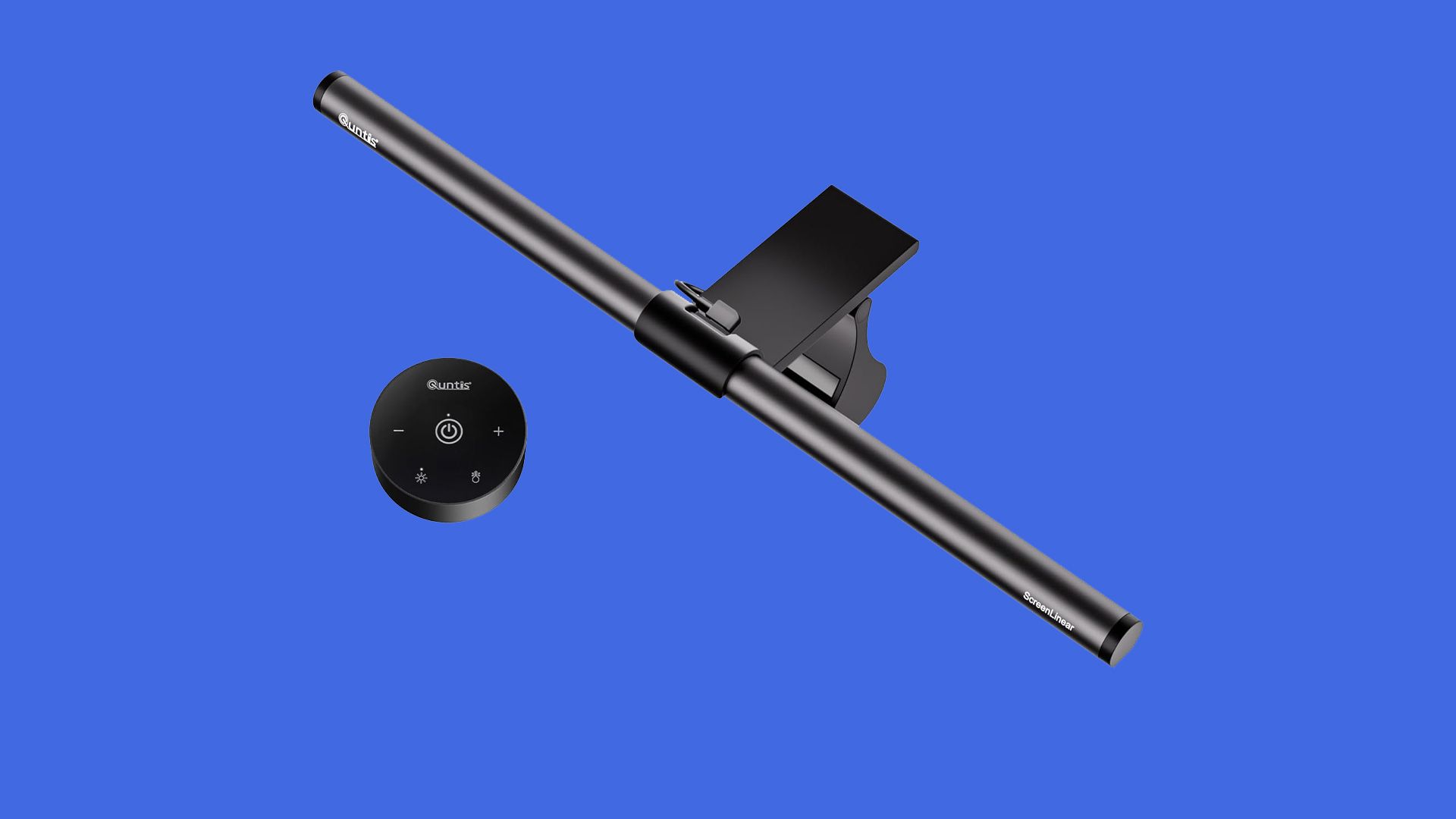
However, the current price point of $33 for the Quntis model shifts the value proposition significantly. For the average remote worker, the technical benefits—namely the elimination of screen glare and the reduction of ambient contrast—are largely achieved at this price point. While premium models may offer superior materials or automated sensors, the core health benefits remain consistent across the category, making the budget-friendly segment highly competitive and accessible to a broader demographic.
Economic and Productivity Implications
The cost-benefit analysis of investing in workplace ergonomics is increasingly recognized by both employees and employers. Reduced eye fatigue directly correlates to sustained focus and reduced error rates during long-form tasks. In the context of the "work from home" (WFH) movement, the burden of outfitting a home office often falls upon the individual. Consequently, the availability of high-performance, low-cost ergonomic tools serves as a bridge for professionals who require professional-grade setups without the premium expenditure associated with enterprise-grade equipment.
Furthermore, the environmental impact of such devices is relatively low, given their typically low wattage and reliance on existing USB ports for power. As energy efficiency becomes a more prominent metric in consumer choice, the low power draw of LED-based monitor bars makes them an attractive alternative to traditional, high-wattage desk lamps.
Future Trends in Workspace Ergonomics
Looking ahead, the market for monitor lighting is expected to continue integrating with smart home ecosystems. Potential future developments include voice-controlled brightness settings, integration with PC software to sync lighting temperatures with the monitor’s color profile, and even health-tracking sensors that prompt users to take breaks based on ambient light levels.
For the present, the current market reality is defined by the widespread adoption of essential ergonomic tools that address the fundamental challenges of digital work. The focus remains on the intersection of comfort and utility. As remote work continues to be a staple of the global economy, the role of peripheral hardware that protects the long-term health of the user—such as the monitor light bar—is likely to shift from a luxury accessory to a standard component of the modern professional desk.
Conclusion: Evaluating the Investment
For the average professional, the decision to invest in a monitor light bar is driven by the immediate need to alleviate the discomfort of late-night work sessions. The data supports the conclusion that controlling the light environment is a primary method for reducing visual fatigue. With the current availability of the Quntis model at a reduced price, the barrier to entry has lowered, allowing a wider range of users to benefit from ergonomic lighting solutions.
As with any peripheral, potential buyers should evaluate their specific monitor type—checking for compatibility with curved displays or ultra-thin bezels—before making a purchase. However, the consensus among ergonomic experts and office tech reviewers is clear: the addition of a directed, adjustable light source is one of the most cost-effective and immediate upgrades an individual can make to their home office infrastructure. By balancing the light levels within the workspace, users can effectively extend their productive hours while minimizing the cumulative impact of daily screen exposure.