Price Latimer Bridging Art History and Sustainable Innovation Through Alkemis Paint


Price Latimer, a Texas-born entrepreneur and creative strategist, has established a unique position at the intersection of fine art, interior design, and environmental advocacy. As the co-founder of Alkemis Paint, Latimer has transitioned from a background in neo-conceptual art and luxury furniture to leading a movement in sustainable home finishes. Her career trajectory reflects a deep-seated commitment to aesthetic rigor, shaped by a childhood spent in the presence of mid-century masterpieces and a professional life spent navigating the global design capitals of New York and Los Angeles. In a recent retrospective of her influences, Latimer detailed the diverse inspirations—ranging from the performance art of 1980s London to the geological striations of the Texas Panhandle—that inform her approach to color and material science.
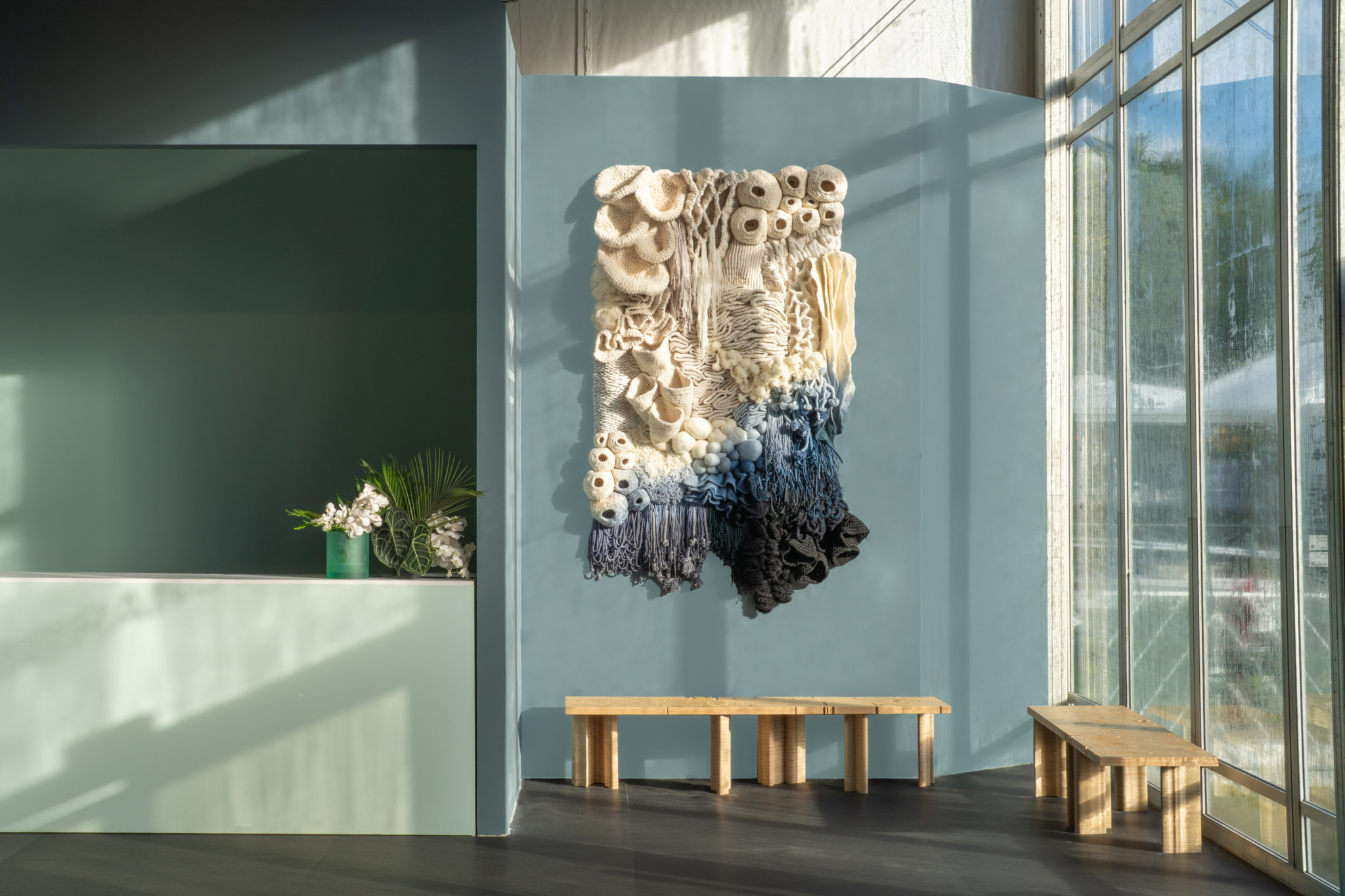
The Genesis of Alkemis Paint and the Mission of Wellness
In 2021, Price Latimer co-founded Alkemis Paint alongside Maya Crowne, aiming to disrupt a multi-billion dollar industry traditionally reliant on petrochemicals and synthetic binders. The company’s flagship product represents a departure from standard architectural coatings; it is an all-natural interior paint formulated with clear quartz and a proprietary blend of pigments and minerals. Unlike traditional latex or acrylic paints, which often contain Volatile Organic Compounds (VOCs) and microplastics that contribute to indoor air pollution, Alkemis focuses on "wellness-driven" design.
The technical foundation of Alkemis Paint relies on the use of mineral-based binders that allow walls to "breathe," a process known as vapor permeability. This prevents the buildup of moisture and mold, common issues in modern airtight construction. By utilizing clear quartz, the paint achieves a depth of color and light refraction that synthetic alternatives struggle to replicate. This focus on material purity is not merely an environmental choice but a health-conscious one, aligning with broader industry shifts toward non-toxic living environments. Latimer’s background in the arts has been instrumental in developing the brand’s sophisticated palette, which avoids the flat, plasticized look of mass-produced paints in favor of a vibrant, tactile finish.

A Chronology of Artistic and Professional Development
Latimer’s aesthetic sensibility was forged early in her life in Amarillo, Texas. Growing up just doors away from the Amarillo Museum of Art (AMoA), she was exposed to the works of Georgia O’Keeffe, Larry Bell, and Louise Nevelson before she could walk. This early immersion in the Texas Modernist tradition provided a foundational understanding of how light and space interact with color.
After leaving Texas, Latimer pursued a Bachelor’s degree at the Rhode Island School of Design (RISD), an institution renowned for its rigorous approach to both fine art and functional design. Her time at RISD was followed by a move to New York City, where she entered the orbit of the neo-conceptualist movement. Working for the influential artist Peter Halley, Latimer contributed to Index magazine, a publication that sat at the heart of the 1990s and early 2000s creative underground. This period allowed her to refine her editorial and creative direction skills, blending high-concept art theory with accessible media.

Her subsequent move to Los Angeles marked a shift toward the commercial and entrepreneurial sectors. After working within the local gallery circuit, she co-founded a pizza restaurant, serving as the Chief Creative Officer—a role that required her to translate brand identity into physical, communal spaces. This experience in hospitality was followed by a tenure at the Italian furniture powerhouse Kartell. As a consultant for architects and interior designers, Latimer managed large-scale furnishing projects for corporate offices and luxury hotels, gaining invaluable insight into the logistical and aesthetic demands of global design projects.
The Cultural Pillars of Inspiration
Latimer’s creative output is heavily influenced by a set of "cultural pillars" that she identifies as essential to her worldview. These inspirations are not merely aesthetic preferences but are deeply tied to her philosophy of art as a transformative force.

The Performance and Provocation of Leigh Bowery
One of Latimer’s primary influences is Leigh Bowery, the Australian-born performance artist and club promoter who became a fixture of London’s 1980s nightlife. Bowery’s work, which was the subject of a major exhibition at the Tate Modern, challenged traditional notions of the human form through extreme costume and body modification. For Latimer, Bowery represents the ultimate blurring of the lines between life and art. His collaborations with photographer Nick Knight and painter Lucian Freud underscore his importance as a "human sculpture." Latimer views Bowery’s "Looks" as a form of architectural intervention on the body, a concept that parallels her own work in using paint to transform the "skin" of a building.
Geological Narratives: Palo Duro Canyon
The second-largest canyon in the United States, Palo Duro Canyon, serves as a literal and figurative touchstone for Latimer’s color theory. Located in the Texas Panhandle, the canyon’s layers of siltstone, shale, and gypsum create a natural palette of oxidized reds, maroons, and lavenders. This geological history, spanning over 15,000 years of human habitation—including its significance to the Quahadi band of the Comanche—is reflected in Alkemis Paint’s "Hoodoo" collection. The connection is further bolstered by the history of Georgia O’Keeffe, who taught in the area and captured the canyon’s unique light and form in her early watercolors.

Minimalism and the Land Art Movement
Latimer’s appreciation for large-scale environmental interventions is best exemplified by her visit to Walter de Maria’s The Lightning Field. Commissioned by the Dia Art Foundation in 1977, this seminal work of Land Art consists of 400 stainless steel poles installed in a remote New Mexico desert. The work requires visitors to stay overnight, emphasizing the passage of time and the shifting qualities of natural light. Latimer’s experience at the site—marked by a meditative encounter with the local wildlife and the vast high-desert sky—reinforces her belief in the power of site-specific art to foster a deeper connection to the natural world.
Environmental Advocacy and Global Exploration
Beyond the studio and the gallery, Latimer is a lifelong scuba diver and an advocate for ocean conservation. Her obsession with the "underwater kingdom" is a driving force behind Alkemis Paint’s environmental mission. The paint industry is a significant contributor to water pollution; when traditional brushes and rollers are washed, microplastics and toxic chemicals enter the water table and eventually the oceans. By formulating a paint that is free of these harmful substances, Latimer aims to protect the fragile ecosystems she explores during her dives.

Her passion for travel often takes her to "offbeat, weird hidden gems" across the globe. These excursions are not merely vacations but research trips where she observes how different cultures utilize color and natural materials. From the conceptual thought experiments of Yoko Ono’s Acorn to the minimalist instruction pieces of the 1960s, Latimer’s interests are unified by a desire for a more compassionate and empathetic way of living.
Notable Collaborations and Industry Impact
Since its inception, Alkemis Paint has been utilized in high-profile collaborations that demonstrate the versatility of its mineral-based formulas. These projects serve as a bridge between the functional requirements of interior design and the expressive potential of fine art.

- RISD Museum: Latimer returned to her alma mater to provide the paint palette for the Liz Collins: Motherlode exhibition. Collins, a queer feminist artist known for her radical fiber experiments, required a backdrop that could compete with bold, abstract patterns without the off-gassing associated with standard paints.
- Design Miami: For three consecutive years, Alkemis has partnered with Design Miami to develop custom palettes for the fair’s curatorial narratives. This partnership highlights the growing demand for sustainable materials in the luxury collectible design market.
- Objects USA and R & Company: In a collaboration with the gallery R & Company and muralist Nick Kuszyk, Alkemis Paint was used to create complex gradient walls for the Objects USA exhibition. This project moved away from the traditional "white cube" gallery aesthetic, using vibrant visual cues to guide visitors through a chronological survey of American craft.
- The Roberto Lugo Exhibition: Alkemis provided the vibrant backdrops for the work of Roberto Lugo, a Puerto Rican-American ceramicist and activist. Lugo’s work, which addresses themes of social justice and urban identity, was complemented by Alkemis’s deep, mineral-rich colors, creating a dialogue between the pottery and the architecture of the space.
Implications for the Future of Design
The work of Price Latimer and Alkemis Paint signals a broader shift in the interior design and construction industries. As consumers become increasingly aware of "Sick Building Syndrome" and the environmental cost of synthetic materials, the demand for high-performance, non-toxic alternatives is expected to grow. The global green building materials market is projected to reach significant heights by 2030, with paint and coatings being a primary area of innovation.
Latimer’s success lies in her ability to marry technical innovation with a sophisticated aesthetic. By drawing on her background in art history and her personal experiences in the natural world, she has transformed a utilitarian product into a tool for artistic expression and environmental stewardship. As Alkemis Paint continues to expand its reach, it stands as a testament to the idea that the spaces we inhabit should be as healthy as they are beautiful. Through her "Friday Five" inspirations and her professional endeavors, Price Latimer continues to advocate for a design philosophy that values the history of the land, the health of the oceans, and the transformative power of a well-chosen color.