The Evolution of Micro-Budget Cinema and the Role of Lightcraft Spark in Redefining Hollywood Production Standards

The traditional architecture of the motion picture industry, long defined by substantial capital requirements, exclusive studio networks, and prohibitively expensive hardware, is currently undergoing a fundamental transformation. For decades, the barrier to entry for high-concept filmmaking was an intimidating checklist of studio backing and multi-million-dollar budgets. However, the recent global success of independent projects such as Backrooms and Obsession has signaled a paradigm shift. These films, characterized by their ambitious aesthetics and unconventional origins, have demonstrated that global audiences are increasingly receptive to new voices and innovative visual languages cultivated outside the legacy studio system.
A prominent example of this shift is the viral phenomenon Backrooms, which, according to industry reports, generated a staggering $367 million globally against a nominal production cost. This success was achieved through the strategic use of accessible, low-cost tools such as Blender, proving that creative ingenuity can effectively circumvent traditional financial constraints. For Eliot Mack, CEO and co-founder of Lightcraft Technology, these developments are not mere anomalies but rather the vanguard of a new era in cinematic production. Mack posits that the key films of every generation are those that rewrite established rules, and the current technological landscape is accelerating the rate at which new talent can challenge these conventions.
The Technological Catalyst: Introducing Lightcraft Spark
Central to this industrial evolution is the emergence of AI-assisted filmmaking platforms, most notably Lightcraft Spark. Scheduled for a comprehensive feature reveal at the upcoming SIGGRAPH 2026 conference, Spark is designed to address the fragmented nature of modern film production. Unlike traditional workflows that treat pre-production, principal photography, and post-production as isolated silos, Spark aims to integrate the screenplay, creative decision-making, and production planning into a unified, shared 3D environment.

The platform’s "script-first" philosophy allows writers and directors to visualize their narratives in three dimensions long before a single frame is captured on a physical set. By bridging the gap between the written word and visual execution, Spark enables creators to explore complex world-building and blocking in a virtual space, making the pitching and development process more tangible and less abstract. This approach is particularly transformative for small-to-medium-sized production teams who lack the resources for traditional, high-cost pre-visualization departments.
A Historical Context of Disruptive Cinema
To understand the magnitude of the current shift, one must look at the chronology of independent filmmaking. The 1990s saw the rise of the "Indie Wood" era, where films like The Blair Witch Project utilized consumer-grade digital video to achieve massive commercial success, albeit with a focus on "found footage" realism. The 2010s introduced the DSLR revolution, which brought high-definition, shallow-depth-of-field aesthetics to the masses.
However, the current era, defined by creators like Kane Parsons (Backrooms) and Curry Barker (Obsession), represents a move toward "spectacle at scale." By utilizing real-time rendering engines and 3D asset libraries, these filmmakers are producing visual effects and atmosphere that previously required the infrastructure of a major VFX house. Lightcraft Spark seeks to formalize this movement, providing the technical "data backbone" necessary to sustain this level of creativity across longer formats and more complex productions.
Collapsing Production Friction Points
One of the primary challenges facing independent filmmakers is maintaining visual consistency across large-scale projects. Traditional VFX pipelines are often characterized by significant "data loss" as ideas move from the director to the storyboard artist, then to the cinematographer, and finally to the VFX editor. Mack notes that Hollywood has historically scaled creativity through massive budgets, acting as a gatekeeper for any project requiring more than a minimal investment.

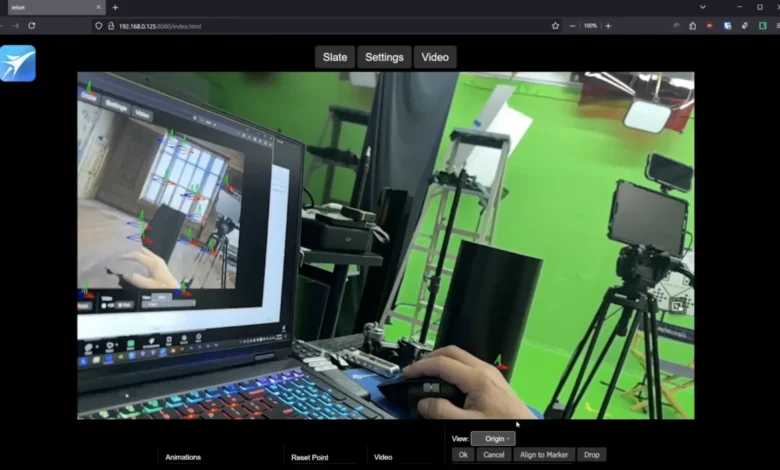
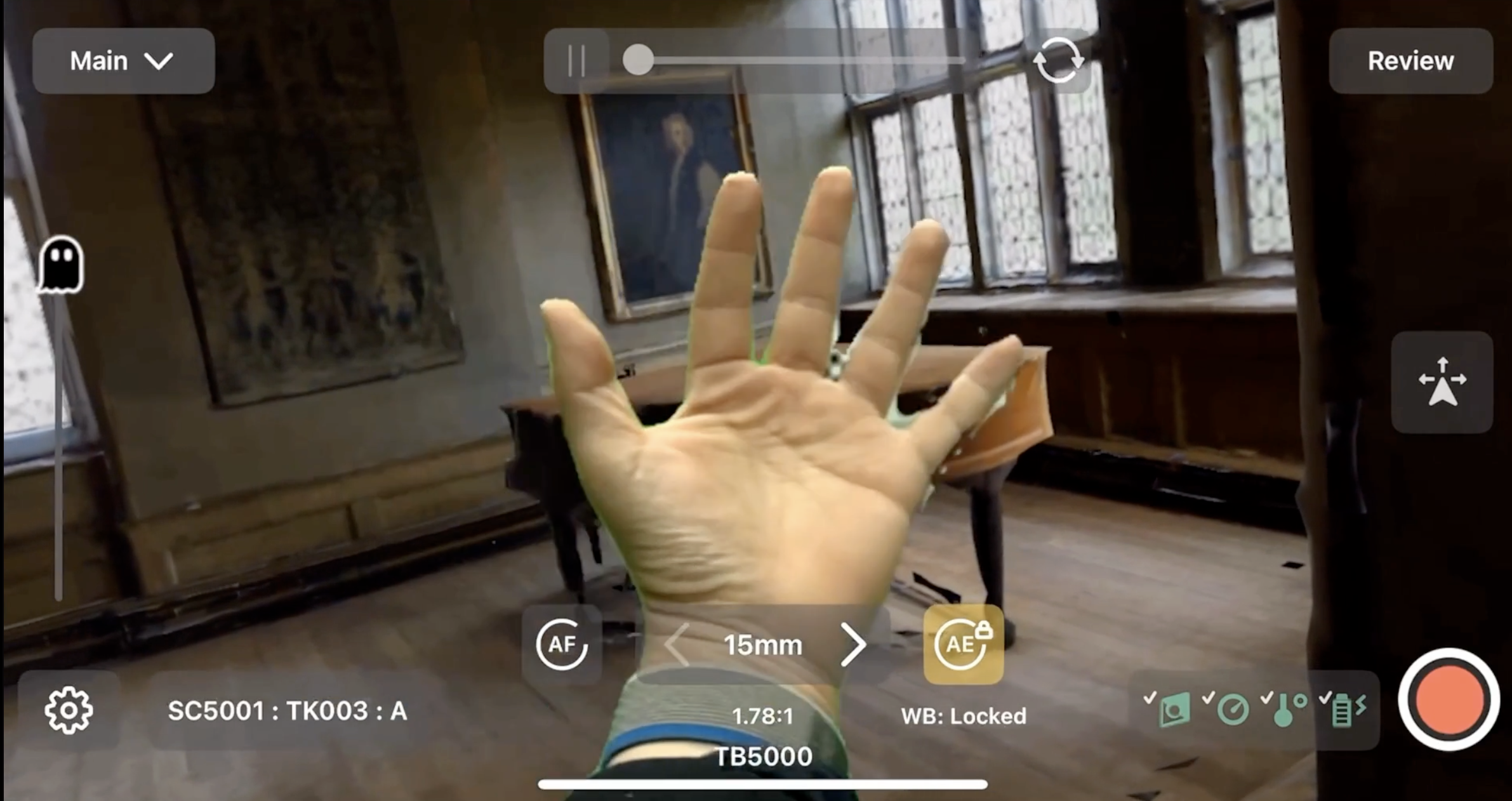
Lightcraft Spark addresses these bottlenecks by organizing production around three pillars: the screenplay, a centralized database, and collaborative 3D tracking. By using a browser or an iOS device, team members can access a "single source of truth" for the project. This allows for real-time collaboration where a director can suggest a camera position in a virtual set and the cinematographer can immediately view and refine it from their own location.
This interoperability is largely built on the Universal Scene Description (USD) framework, a studio-grade technical standard that ensures data remains consistent across various software applications like Blender, Maya, and Unreal Engine. By automating the mundane aspects of data management, Spark allows small teams to manage hundreds of VFX shots with the precision typically reserved for major studio operations.
The Shifting Relationship Between Talent and Studios
The rise of "seeing is believing" development processes is fundamentally altering the power dynamics of Hollywood. Historically, aspiring filmmakers spent years in entry-level positions, hoping for an opportunity to pitch a script to a studio executive. In the new ecosystem, creators are bypassing this "mailroom" phase by building their own audiences and proof-of-concept films first.
Mack suggests that as the cost of production continues to plummet, the role of the traditional studio will evolve from that of a "gatekeeper" to something more akin to a venture capital firm or a high-level incubator. Studios are already observing this trend, with many reportedly scouring platforms like YouTube and Reddit to identify the next "wunderkind" with a built-in community. When filmmakers can present a fully realized 3D "rough cut" of their vision, the uncertainty inherent in reading a 2D script is mitigated. This clarity allows for more efficient financing and a more equitable partnership between the creative talent and the financial backers.
Aesthetic Innovation and the "Raw" Digital Look
A notable byproduct of this micro-budget revolution is the emergence of a new cinematic aesthetic. Viral films often embrace a raw, imperfect, and "emotionally sticky" visual style that resonates with digital-native audiences. While Spark is built on high-precision, studio-grade tracking and rendering technology, it does not impose a specific "look" on the filmmaker. Instead, it provides a "playground" where creators can automate technical tasks while retaining full control over their artistic identity.
This flexibility is crucial for maintaining the "authentic" feel that has made internet-born horror and sci-fi so successful. The goal is not necessarily to mimic the polished, often sterile look of a $200 million blockbuster, but to give independent creators the tools to execute their unique visions with professional-level efficiency.
The Five-Year Outlook: The New Standard for Indie Production
As Lightcraft Spark and similar technologies become fully embedded in the industry, the "typical" indie production of 2030 is likely to look vastly different from the models of the past. The solitary process of staring at a blank page is being replaced by a more playful, collaborative workshop environment.
In this future, "pre-shooting" a film in a virtual space will become the status quo. By the time a crew arrives on a physical set, every take, every lighting setup, and every camera move will have been tested and optimized in the virtual realm. This level of preparation was a key factor in the efficiency of the Backrooms feature film production, where pre-visualization in Blender allowed for a high-value output on a relatively modest budget.
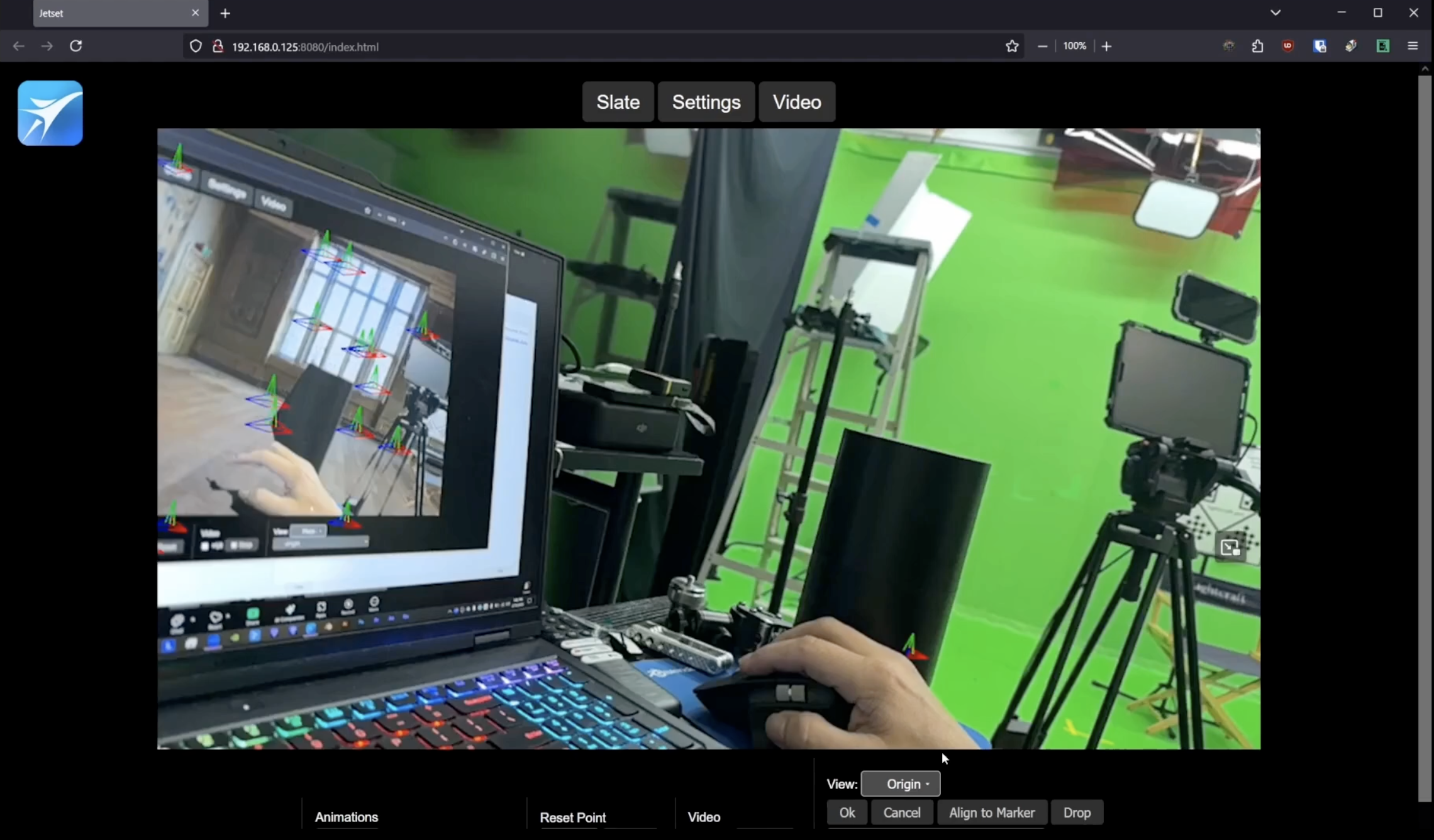
Furthermore, the "black hole" of post-production—where directors often wait weeks to see the results of a VFX shot—will be replaced by a transparent, trackable workflow. Stakeholders will be able to monitor the development of the film in real-time, ensuring that the final product remains true to the original vision.
Conclusion: A More Democratic Cinematic Future
The democratization of filmmaking tools is more than a technological milestone; it is a cultural shift that prioritizes heart and story over financial gatekeeping. As Eliot Mack and the team at Lightcraft Technology prepare to showcase the latest iterations of Spark, the industry is watching closely. The success of micro-budget films has proven that the "financial class" no longer holds a monopoly on spectacle.
By unifying the disparate islands of pre-production, production, and post-production into a single, collaborative 3D stream, Spark is providing the "lingua franca" that the industry has long lacked. As these tools become more accessible, the barrier between an idea and its cinematic execution will continue to thin, allowing a new generation of filmmakers to "swing for the fences" and redefine what is possible in the world of entertainment. The future of Hollywood may very well belong to those who can show their ideas, rather than those who simply pitch them.