Pope Phoenix Redefines Playing Card Design Through the Lens of Hip Hop Culture and Afrofuturism

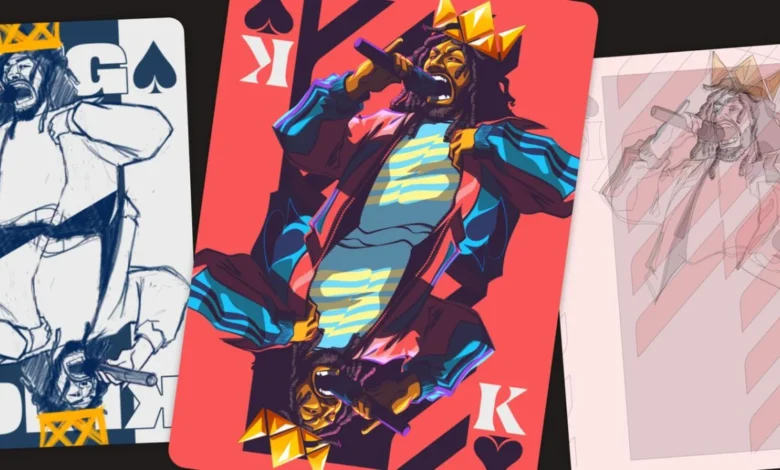
The intersection of traditional tabletop gaming and contemporary urban culture has found a new benchmark in "King of Spades," a comprehensive playing card design project by New York-based illustrator Pope Phoenix. Commissioned by Serif, the developers of Affinity Designer, the project serves as both a technical showcase for modern design software and a cultural tribute to the four foundational pillars of hip-hop: MCing, DJing, Breaking, and Graffiti. By reimagining the royal flush through the aesthetic lens of Afrofuturism and the visual language of the streets, Phoenix has transformed a deceptively simple design challenge into a complex narrative of identity, history, and artistic evolution.
The Genesis of the King of Spades Project
The project originated from an open brief provided by Affinity, tasking Phoenix with creating a deck of playing cards that could eventually transition from a digital concept to a tangible physical product. For Phoenix, whose portfolio includes work for high-profile clients such as IBM, BET, and PBS, the challenge was not merely illustrative but structural. A deck of playing cards is a unique design environment; it requires a balance between aesthetic storytelling and functional utility. Cards must be legible at a glance, functional when rotated 180 degrees, and cohesive as a singular visual system within a very confined space.
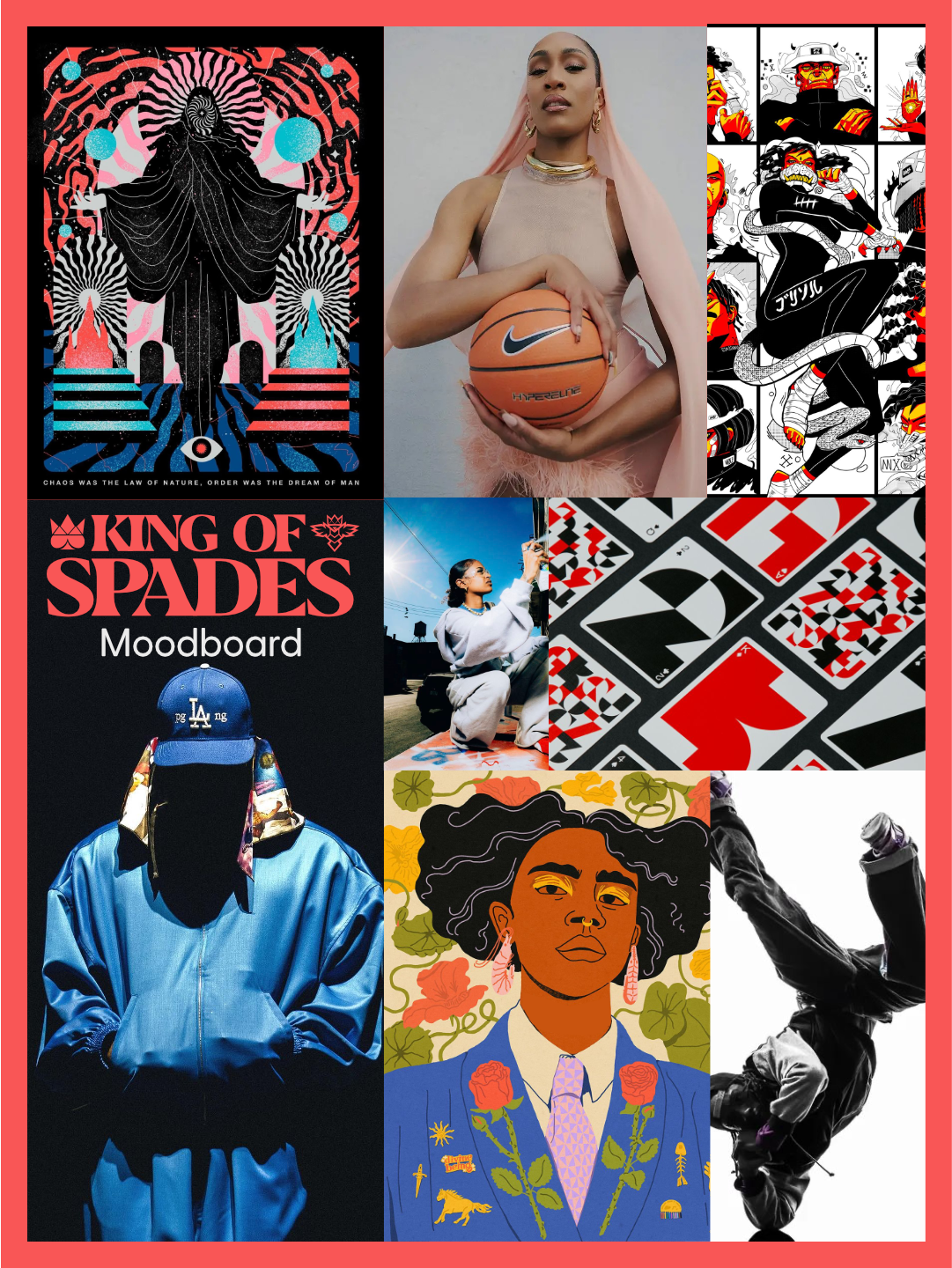
Phoenix initially explored several thematic directions, including a royal family inspired by the fictional nation of Wakanda. However, the project eventually coalesced around the concept of hip-hop culture. This decision was particularly timely, coinciding with the broader global celebration of hip-hop’s 50th anniversary, which has seen a resurgence in academic and artistic interest in the genre’s origins and its impact on global design.
The Four Pillars: A Chronology of Concept Development
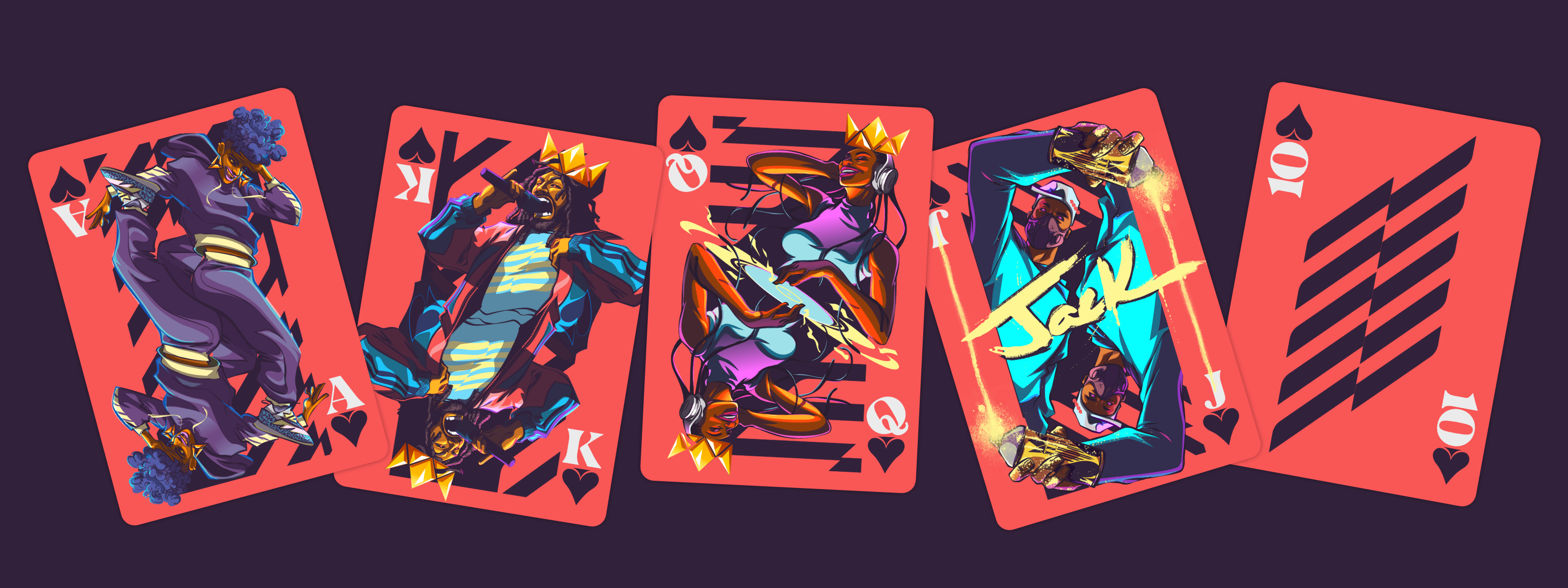
The conceptual framework of the "King of Spades" deck is built upon the four pillars of hip-hop, a term popularized by DJ Afrika Bambaataa and the Universal Zulu Nation to define the core elements of the subculture. Phoenix meticulously assigned these pillars to the face cards of the royal flush to create a hierarchy that reflects both the history of the music and the structure of a traditional deck.
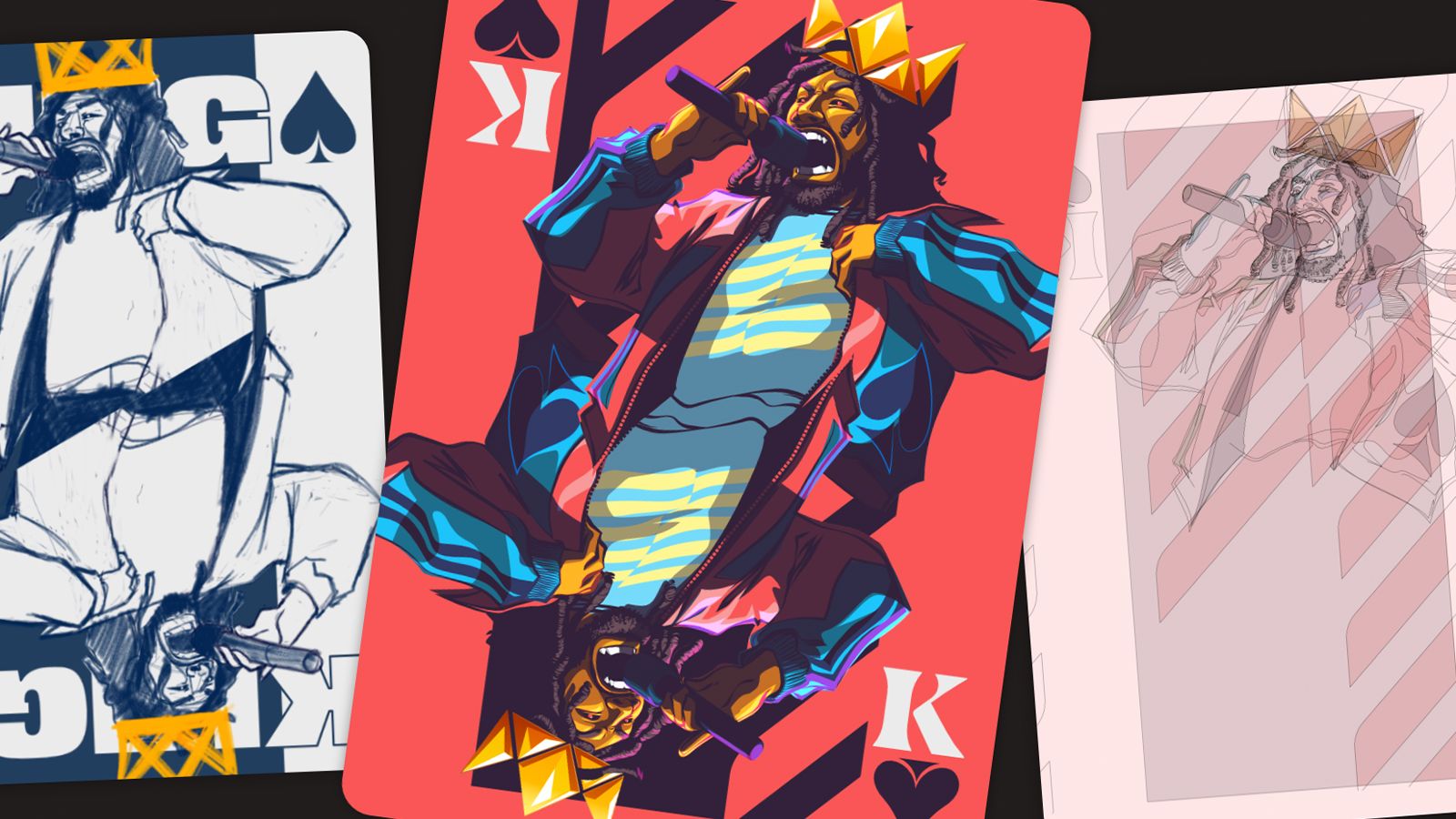
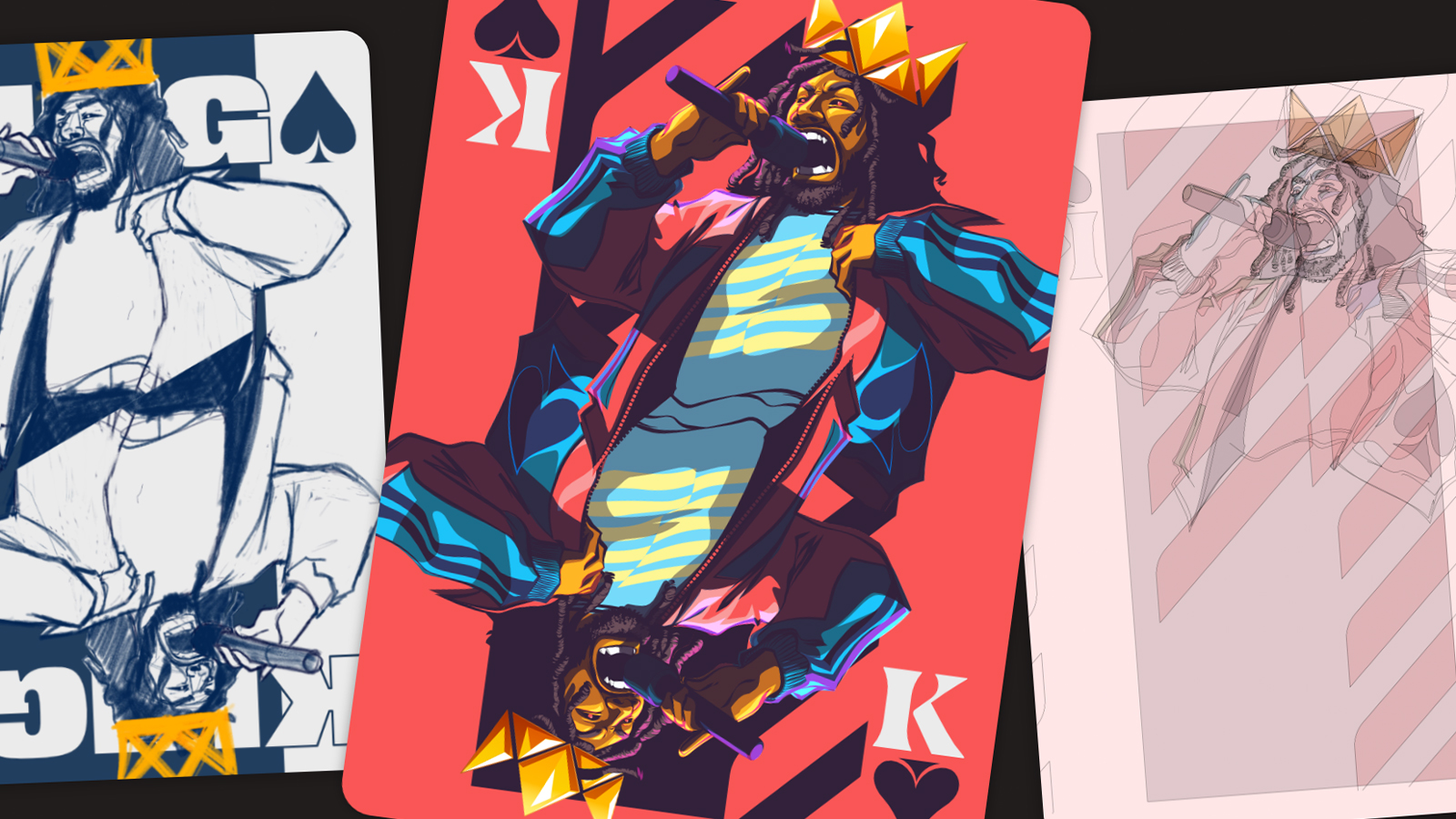
- The King (MCing): Representing the "Master of Ceremonies," the King card focuses on the lyrical and leadership aspect of the culture. Phoenix utilized Afrofuturist elements to elevate the MC from a street performer to a royal figure, blending modern tech-wear with traditional regal symbolism.
- The Queen (DJing): The Queen card pays homage to the "Architects of Sound." By placing a female figure at the turntables, Phoenix highlights the often-overlooked role of women in the early development of hip-hop’s sonic landscape.
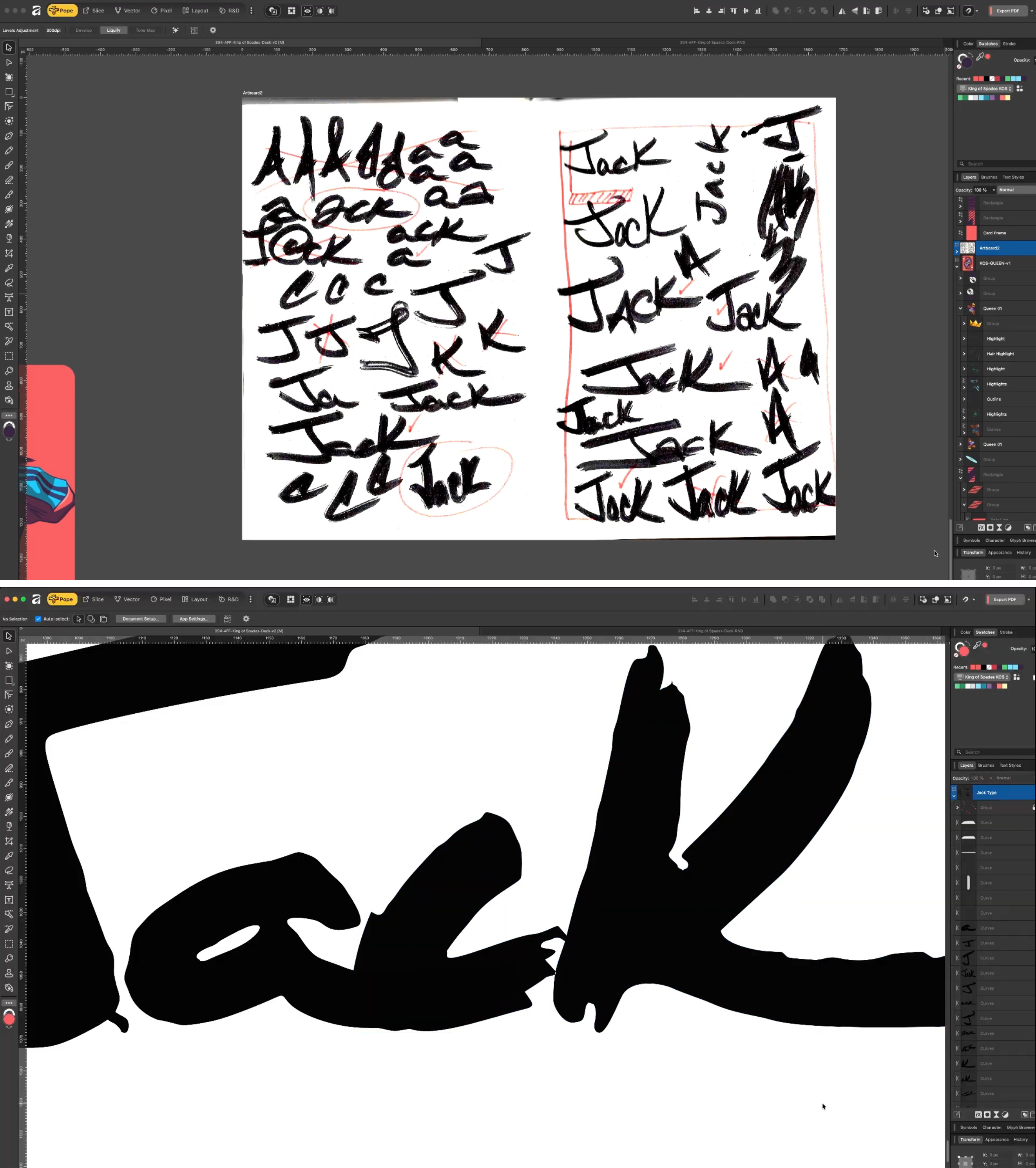
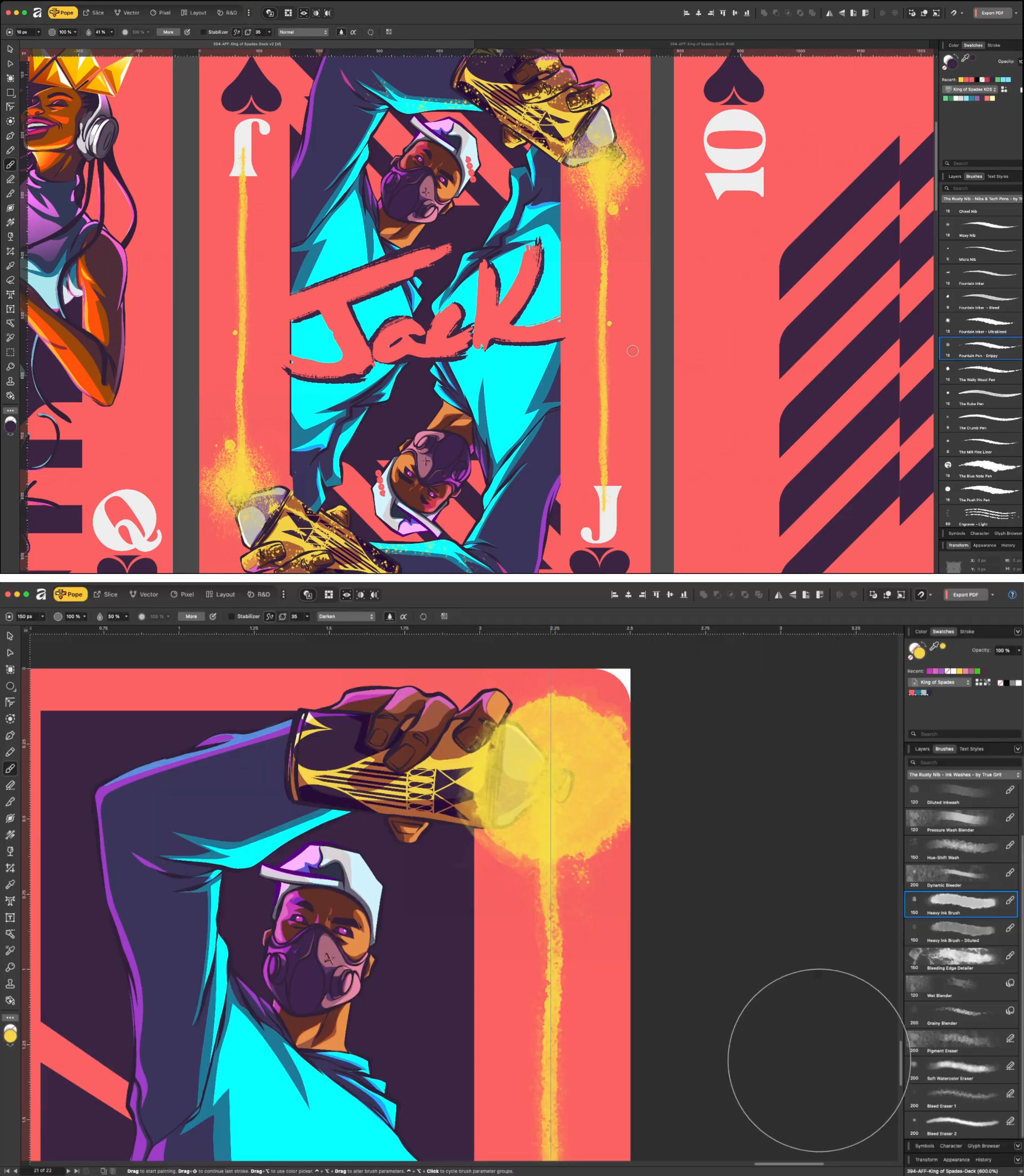
- The Jack (Graffiti): The Jack, traditionally the "knave" or the youth of the court, was the perfect vessel for the graffiti artist. This card captures the kinetic energy of street art, utilizing gritty textures and hand-drawn lettering.
- The Ace (Breaking/B-boying): The Ace serves as the foundational "high" card, representing the physical expression of the culture through dance.
The project also included a custom "10" card and a back design, ensuring that the visual system remained consistent across the entire deck.
Technical Execution and the Affinity Ecosystem
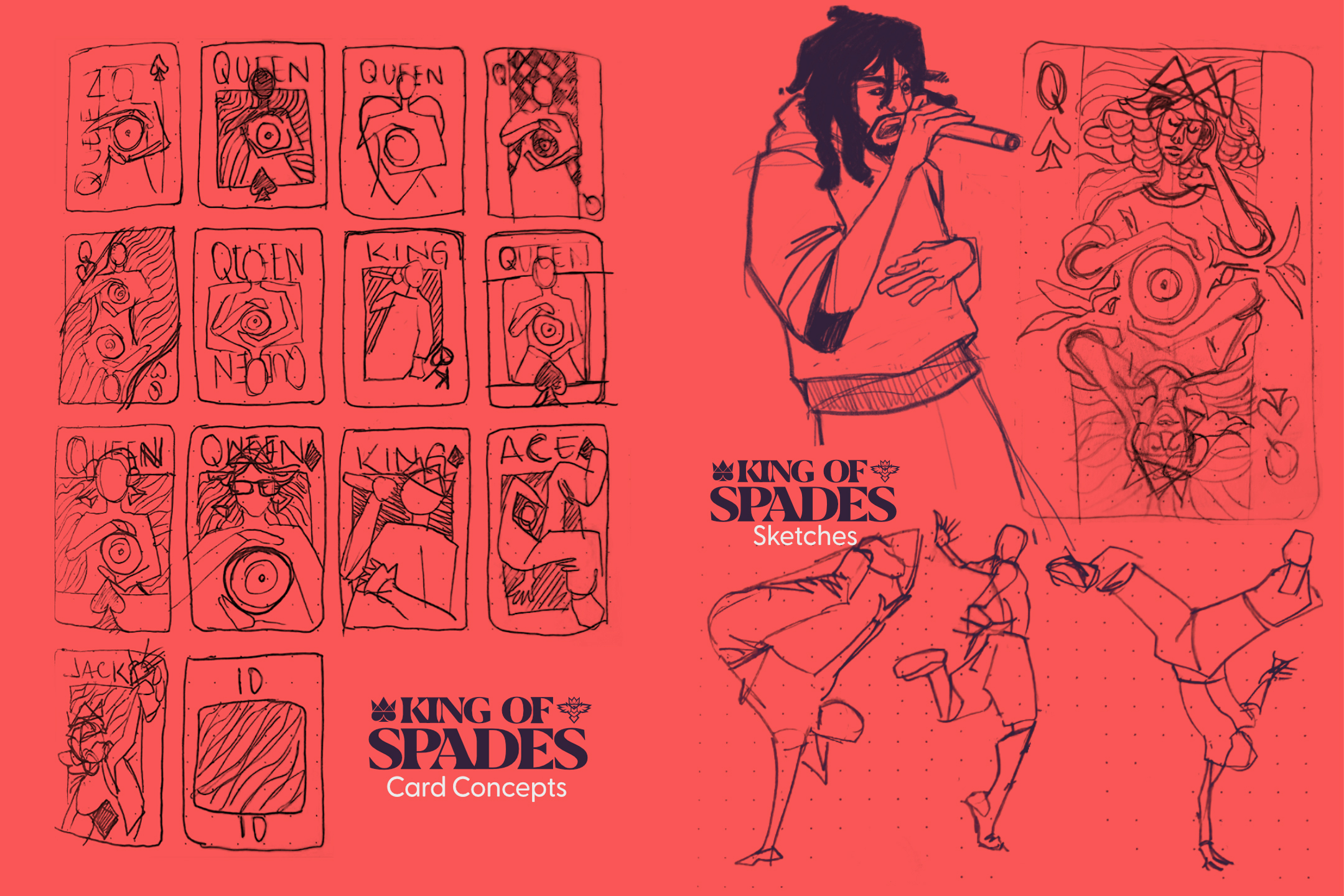
The development of "King of Spades" was a rigorous exercise in hybrid digital-analog workflows. Phoenix began the process in his physical sketchbook, using traditional raster-style pencil brushes to establish the core compositions. This stage was critical for solving the "flip" problem—the requirement that face cards be mirrored so they can be read from either side of the table.
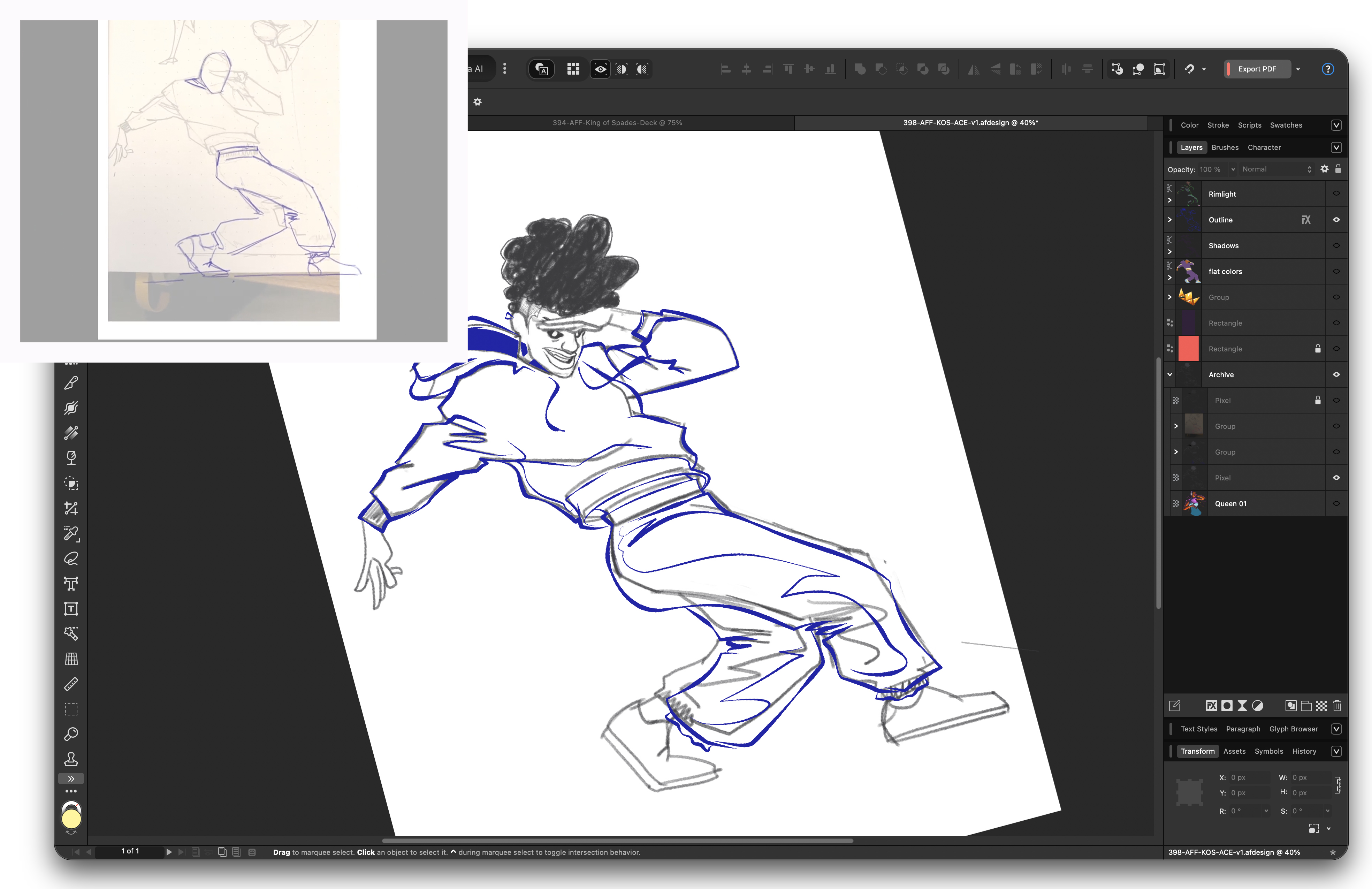
Once the sketches were refined, they were imported into Affinity Designer. Phoenix’s choice of software is significant within the current design industry landscape. As professional designers increasingly look for alternatives to subscription-based models, Affinity has emerged as a primary competitor to Adobe Illustrator. The software’s ability to switch seamlessly between vector and raster workspaces (the "Designer" and "Pixel" personas) allowed Phoenix to maintain the clean lines required for playing card symbols while incorporating the gritty, textured details essential to the hip-hop aesthetic.
A key technical innovation in the project was the creation of a dynamic template system. Phoenix utilized "Symbols" within Affinity Designer, a feature that allows a designer to edit one instance of a layout and have those changes automatically populate across all other instances. This was vital for maintaining consistency in the border treatments and the placement of the suit symbols (pips) and indices.
The Aesthetic of Afrofuturism and Color Theory
Visually, the deck is a masterclass in modern color theory. Phoenix avoided the traditional red-and-black palette of standard playing cards in favor of a more "electric" and moody selection that mirrors the neon-lit streets and late-night studio sessions of hip-hop’s history.
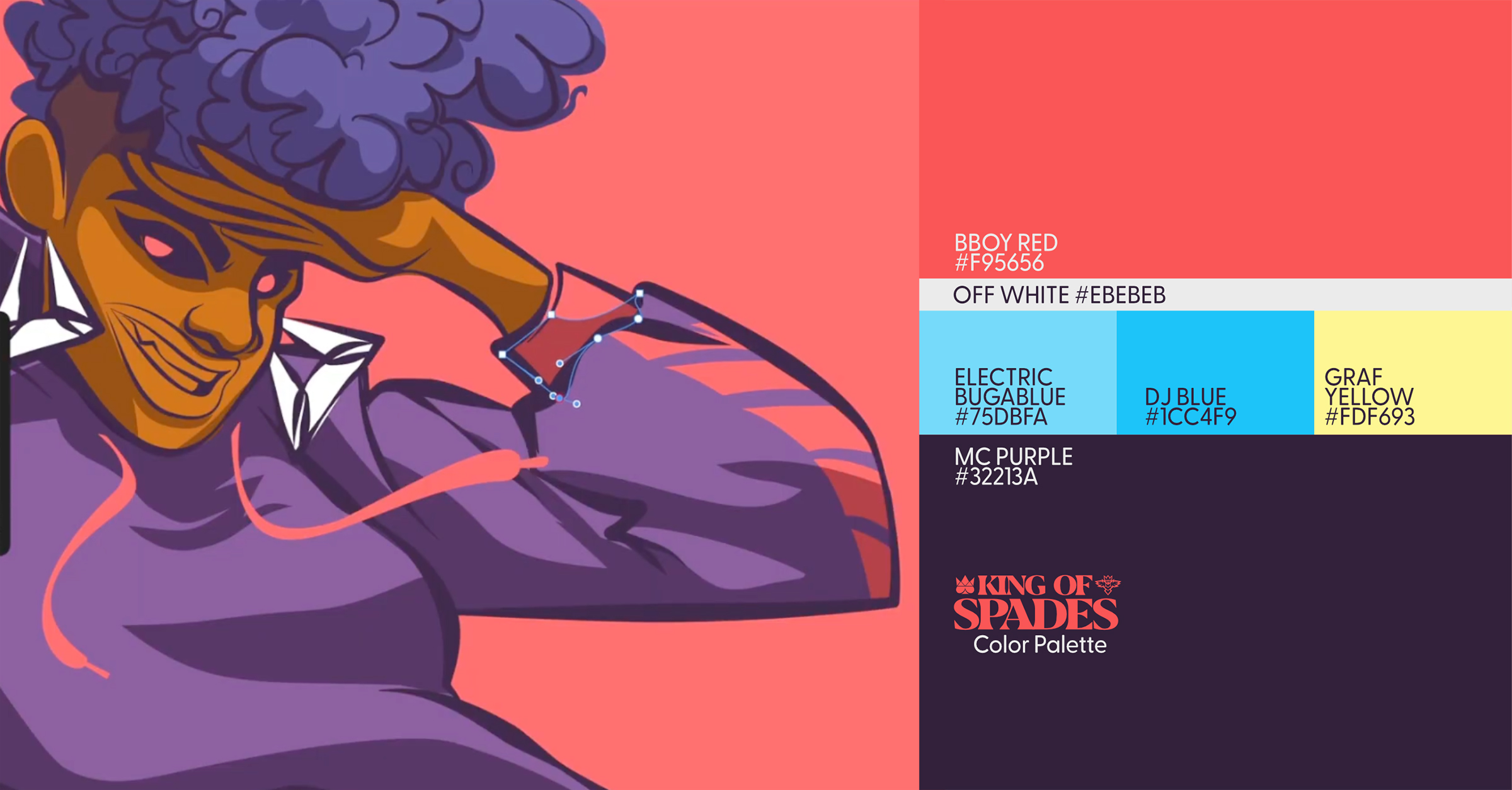
The primary palette consists of a rich, muted red paired with a deep, moody purple. These two colors provide the "vibe" of the deck, creating a sense of depth and mystery. Secondary colors include a dull yellow and a vibrant blue, with a light electric blue used sparingly for highlights. This choice of colors aligns with the Afrofuturist movement—a cultural aesthetic that combines elements of science fiction, historical fiction, and Afrocentricity to explore the African-American experience. By applying this to a deck of cards, Phoenix asserts that hip-hop is not just a past-tense history, but a forward-looking, technological, and "space-age" culture.
To add a layer of authenticity to the "Jack" card, Phoenix moved beyond digital brushes. He modified a physical Tombow marker by roughening the nib with a razor, creating an imperfect, "bleeding" ink stroke reminiscent of 1970s and 80s subway graffiti. These physical strokes were then scanned and vectorized, bridging the gap between the tactile history of the streets and the clean precision of digital design.
Supporting Data: The Market for Collectible Playing Cards
The "King of Spades" project arrives at a time of significant growth in the collectible playing card market. According to market research, the global playing cards and board games market is expected to grow at a CAGR (Compound Annual Growth Rate) of approximately 9% through 2028. This growth is driven largely by "designer decks" and limited-edition releases that appeal to hobbyists, magicians, and art collectors.
Platforms like Kickstarter have seen millions of dollars pledged toward custom-designed decks, proving that there is a high demand for physical artifacts in an increasingly digital world. For Affinity, collaborating with an artist like Pope Phoenix is a strategic move to position their software as the tool of choice for this lucrative and artistically demanding niche.
Analysis of Implications: Representation in Design
Beyond the technical and commercial aspects, "King of Spades" carries significant weight in terms of cultural representation. Historically, the iconography of playing cards has been rooted in European medieval structures—kings, queens, and knights based on Western heraldry.
By replacing these traditional figures with icons of Black culture and urban art, Phoenix is participating in a broader movement to decolonize design. The project demonstrates how universal objects—like a deck of cards—can be repurposed to tell different stories. The "King of Spades" is no longer just a game piece; it is a portrait of a community and a celebration of a movement that changed the world.
Official Responses and Future Outlook
While Serif has not released a formal sales date for a physical "King of Spades" deck, the reception within the design community has been overwhelmingly positive. Industry analysts suggest that such collaborations are essential for software companies to demonstrate "real-world" applications of their tools.
For Pope Phoenix, the project represents a pinnacle of his editorial and illustrative style. "A card has to work upside down, across a table, in someone’s hand, and still tell a story in a space barely bigger than your palm," Phoenix noted during the breakdown of the project. This philosophy of "micro-storytelling" is likely to influence his future editorial work for major publications and corporate clients.
The "King of Spades" deck stands as a testament to the power of hip-hop as a visual language. It proves that the "four pillars" are not just elements of a musical genre, but are robust enough to support an entire visual system. As the project moves toward potential physical production, it remains a primary example of how modern design software can be used to honor ancient traditions of play while pushing the boundaries of contemporary art.
Summary of the Design Chronology
- Initial Research: Analysis of traditional card frameworks and the history of hip-hop’s four pillars.
- Thumbnailing: Rapid sketching of mirrored layouts to ensure functional playability.
- Refined Sketching: Using raster pencil brushes to establish character poses and Afrofuturist details.
- Vectorization: Transferring sketches to Affinity Designer to create clean, scalable linework.
- Color Application: Developing a "neon-noir" palette of reds, purples, and electric blues.
- Texturing: Incorporating "True Grit" spray paint textures and hand-modified marker strokes for a gritty, urban feel.
- System Finalization: Designing the card backs using a repeating MPC (Music Production Center) pattern to tie the musical theme together.
The "King of Spades" project is more than a deck of cards; it is a cultural artifact that captures the spirit of an era, the precision of modern technology, and the enduring legacy of hip-hop.