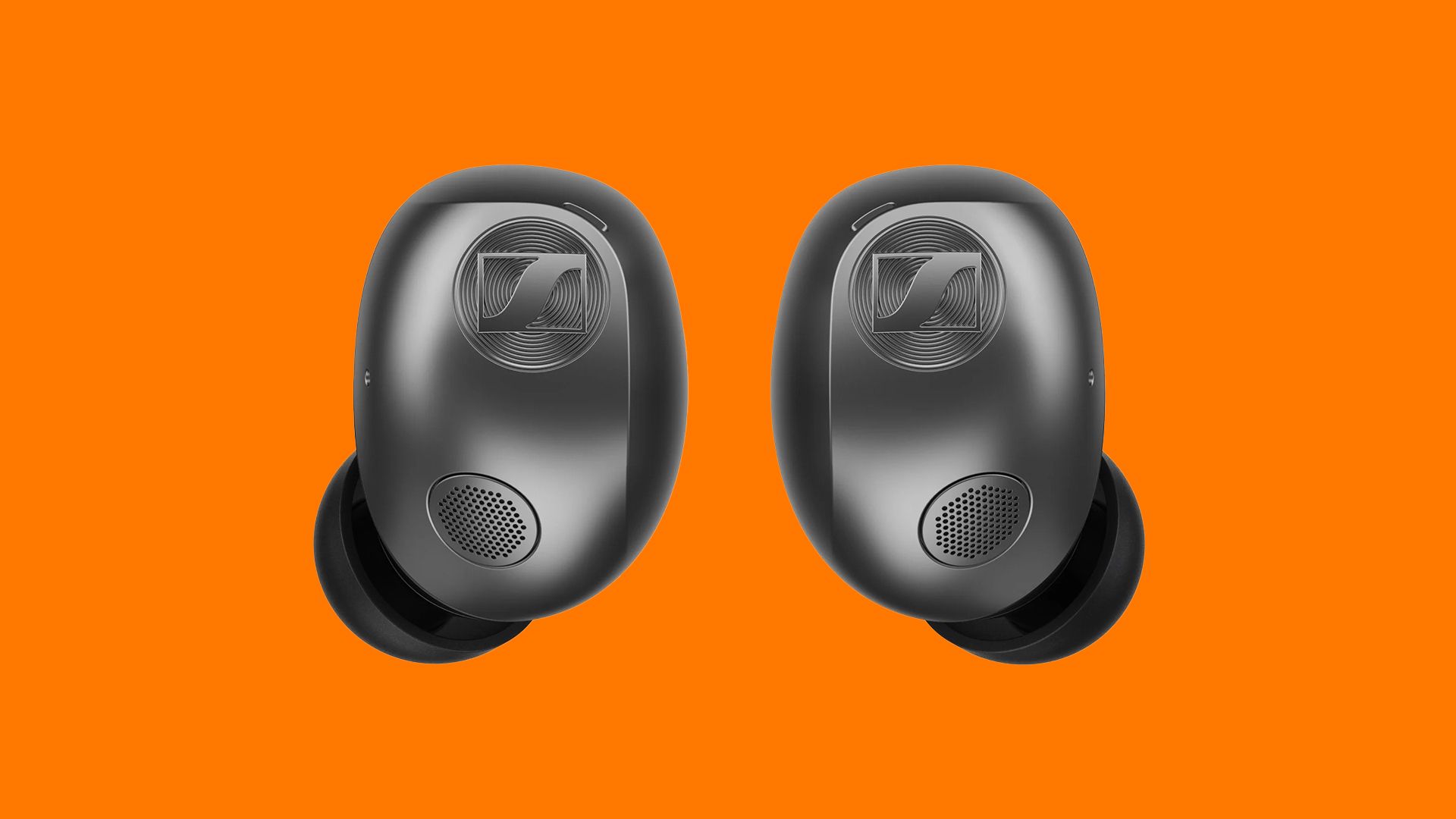
Sennheiser Momentum True Wireless 5 changes the game for earbud longevity with user-replaceable batteries

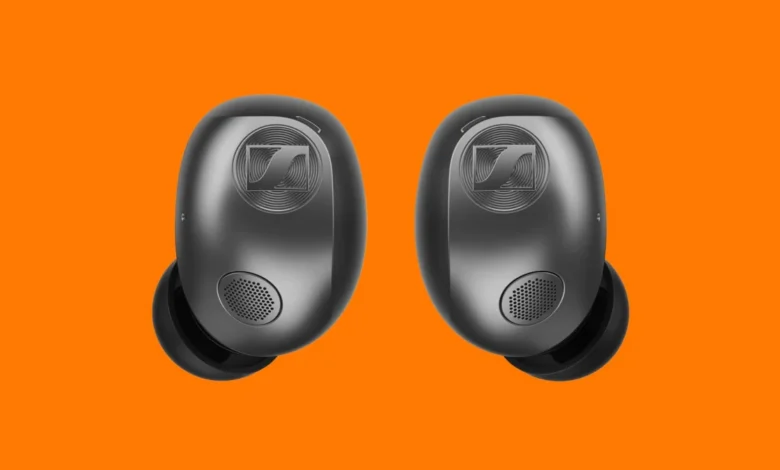
The consumer electronics industry has long faced criticism regarding the planned obsolescence of wireless audio devices. Because the lithium-ion batteries powering true wireless stereo (TWS) earbuds have a finite number of charge cycles—typically degrading significantly after 500 to 800 cycles—most products in this category are effectively disposable items. Once the battery fails, the unit is often destined for e-waste. German audio manufacturer Sennheiser is attempting to disrupt this paradigm with the launch of the Momentum True Wireless 5, a high-end audio device engineered with an explicit focus on repairability and component longevity.
The Problem of Sealed Tech
For the past decade, the trend in personal audio has favored compact, sealed designs. Manufacturers prioritize aesthetics and water resistance, often opting to seal earbud shells with industrial adhesives or ultrasonic welding. This construction method renders the internal battery inaccessible to the average consumer, and often even to professional repair technicians.
Market leaders, most notably Apple with its AirPods line, have faced intense scrutiny from consumer advocacy groups and environmental organizations. While Apple’s ecosystem integration remains a benchmark for the industry, the company’s internal hardware architecture is notoriously difficult to service. Despite the introduction of an iPhone self-repair program in 2022, the company has yet to apply similar user-accessible repair pathways to its TWS portfolio. The industry standard has become a "replace rather than repair" model, which has contributed to an escalating global e-waste crisis. Estimates from the United Nations’ Global E-waste Monitor indicate that tens of millions of tons of electronic waste are generated annually, with small accessories like earbuds constituting a growing, albeit lightweight, percentage of this volume.
A Chronology of the Right-to-Repair Movement
The shift toward more sustainable hardware has been slow but steady. In 2021 and 2022, regulatory bodies in the European Union began drafting legislation aimed at mandating replaceable batteries in portable devices by 2027. This legislative pressure, combined with public demand for more durable tech, has forced companies to reconsider their design philosophies.
- 2020: The "Right to Repair" movement gains mainstream traction as various US states propose legislation to force manufacturers to release schematics and parts to independent repair shops.
- 2022: Apple launches its Self Service Repair program, primarily focused on iPhones, signaling a change in corporate policy regarding proprietary repairs.
- 2023: Hardware enthusiasts and independent tinkerers gain attention by designing custom, modular Bluetooth earbuds, proving that the technology exists to make internal components swappable without sacrificing performance.
- 2024: Fairphone releases the Fairbuds, introducing a modular architecture that allows users to replace the battery in both the buds and the case.
- 2025: Sennheiser introduces the Momentum True Wireless 5, bringing the concept of user-serviceable batteries to the premium, audiophile-grade market.
Technical Specifications and Engineering Innovation
The Sennheiser Momentum True Wireless 5 is not merely a statement on sustainability; it is designed to compete at the top tier of the audio market. The device features proprietary TrueResponse transducers, which are engineered to provide a balanced, high-fidelity sound signature that can be further tuned through the company’s Smart Control Plus application.
Beyond the hardware, the device incorporates advanced software features, including adaptive active noise cancellation (ANC) and AI-powered voice isolation. The integration of a Lossless audio codec ensures that the device maintains signal integrity for high-resolution streaming. Perhaps most impressively, Sennheiser has managed to incorporate these high-end audio components into a chassis that remains ergonomic, all while maintaining the structural clearance required for a modular battery housing.
The ability to swap batteries using a simple screwdriver is a significant departure from standard industry practices. By utilizing a modular internal design, Sennheiser has effectively doubled or tripled the potential lifespan of the device. When a user notices a decline in battery performance after several years of heavy use, they can order a replacement kit rather than discarding the entire headset.
Market Analysis and Consumer Impact
The introduction of a user-repairable flagship earbud poses a direct challenge to premium competitors. While the AirPods Pro 3 and similar products from Sony or Bose offer industry-leading noise cancellation and feature sets, they remain trapped in the cycle of planned obsolescence.
From an economic standpoint, the Momentum True Wireless 5 offers a better "total cost of ownership." While the initial purchase price is premium, the ability to extend the life of the product by several years through a simple battery replacement makes it a more cost-effective investment over a five-year period. This creates a compelling value proposition for environmentally conscious consumers who are increasingly wary of the environmental footprint of their technology purchases.
Industry analysts suggest that if the Momentum True Wireless 5 achieves commercial success, it could force a shift in the R&D strategies of larger competitors. If market data shows that consumers are willing to pay for "repairability" as a feature, companies that currently rely on sealed designs may be forced to pivot to stay competitive.
Official Stance and Future Implications
While Sennheiser has not released a formal statement regarding the specific pressure of the Right-to-Repair movement, the design of the Momentum True Wireless 5 speaks for itself. In the current regulatory climate, companies that proactively embrace modular design are better positioned to comply with upcoming international standards regarding battery waste.
The implications for the broader audio industry are substantial. If a major player like Sennheiser can deliver flagship-level acoustic performance in a modular package, the argument that "sealed designs are necessary for high-end sound" loses its technical validity. This creates a roadmap for other manufacturers to follow.
As consumers become more informed about the lifecycle of their devices, they are beginning to factor repairability into their purchasing decisions. The Momentum True Wireless 5 serves as a bridge between the uncompromising quality demanded by audiophiles and the sustainable design required for a future where technology is built to last.
In conclusion, the launch of these earbuds represents a pivotal moment in the evolution of personal audio. By prioritizing longevity, Sennheiser is not only appealing to the ethics of its user base but is also challenging the status quo of the entire hardware industry. Whether this leads to a universal shift toward modular TWS designs remains to be seen, but the Momentum True Wireless 5 provides the clearest proof to date that premium performance and sustainable engineering are not mutually exclusive. The era of the "disposable earbud" may finally be approaching its end, as users gain the tools—and the agency—to keep their devices powered for years to come.
Related posts: