Control Resonant review: Remedy turns Manhattan into a paranatural nightmare unlike anything I’ve seen

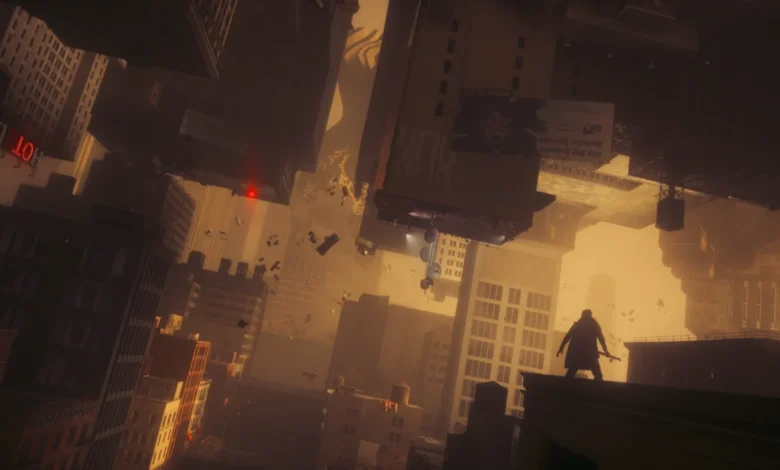
Remedy Entertainment has officially launched Control Resonant, a title that expands the studio’s "New Weird" aesthetic far beyond the confines of the Federal Bureau of Control’s brutalist headquarters. Released on September 24, 2026, for PC, PlayStation 5, and Xbox Series X/S, the game shifts the franchise’s focus from Jesse Faden to her brother, Dylan Faden. By migrating the narrative from the claustrophobic corridors of The Oldest House into a warped, reality-bending vision of New York City, Remedy has attempted to push its proprietary Northlight Engine to unprecedented levels of environmental fidelity and scale.
A Shift in Scope and Narrative
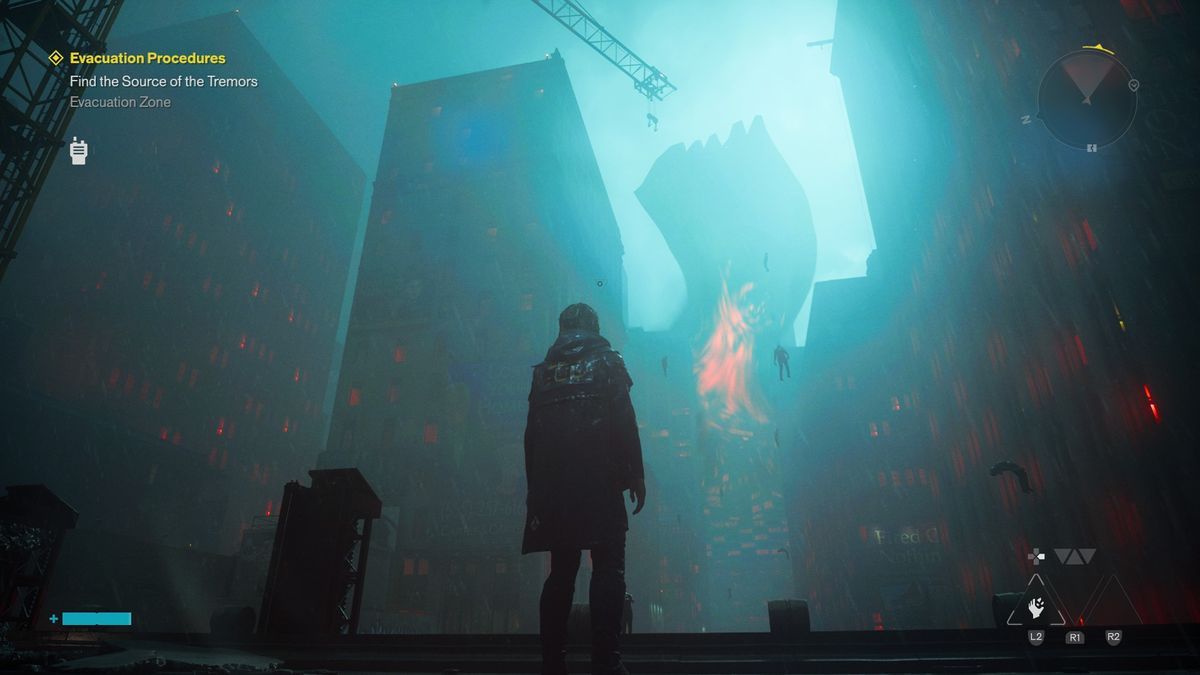
The transition from the contained environment of the original Control to the sprawling, apocalyptic streets of Manhattan represents a significant evolution in Remedy’s design philosophy. In the 2019 original, the setting—The Oldest House—acted as a character in itself, defined by its shifting, Escher-esque architecture. Control Resonant maintains this surrealism but applies it to the urban sprawl of New York. The narrative follows Dylan Faden, who, after years of traumatic isolation and experimentation within the FBC, must navigate a city being consumed by the "Hiss"—a trans-dimensional resonance that distorts physics and reality.
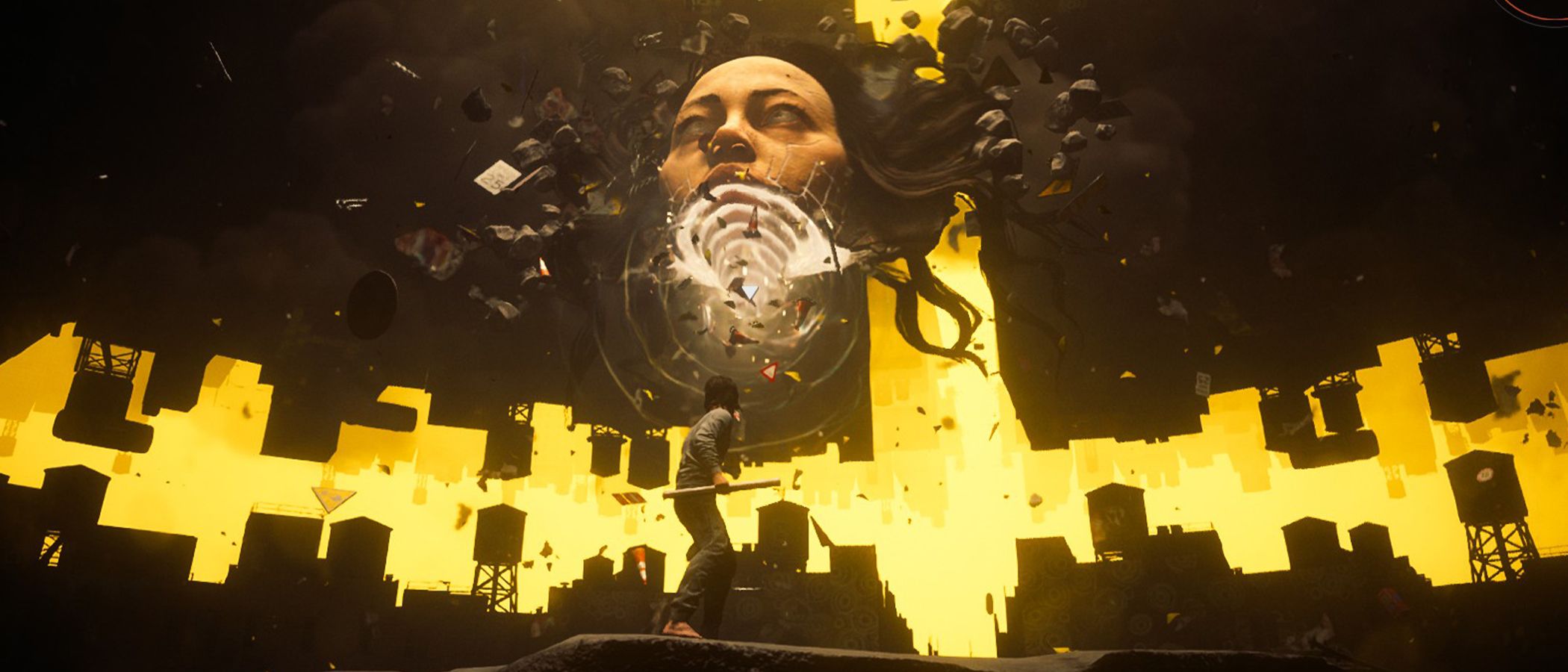
The game’s technical foundation, the Northlight Engine, has been updated to incorporate full path tracing. This allows for complex lighting scenarios where neon signage, reflected in the puddles of a rainy Manhattan, interacts with the impossible geometry of buildings folding in on themselves. According to internal development logs, the shift to a more open, yet segmented, urban environment was intended to provide players with a greater sense of scale without sacrificing the dense, atmospheric detail the studio is known for.
Chronology of the Franchise
The timeline of the Control universe has been carefully curated by Remedy since the release of the first game. The following milestones highlight the development of this narrative arc:
- 2019: Release of Control, establishing the Federal Bureau of Control and the threat of the Hiss.
- 2023: Release of Alan Wake 2, which deepened the connections between the "Remedy Connected Universe," further establishing the reach of the FBC.
- 2025: Initial teasers for Control Resonant hinted at a wider, city-wide catastrophe.
- 2026 (September 24): Global launch of Control Resonant, shifting the protagonist to Dylan Faden and expanding the conflict to the streets of New York.
Combat Mechanics and Progression
In contrast to the gunplay-focused mechanics of its predecessor, Control Resonant adopts a more melee-centric combat system. Dylan Faden utilizes a shape-shifting weapon known as the "Aberrant," which can manifest as a wide-ranging scythe for crowd control or twin blades for high-damage, precision strikes. The combat is designed to reward momentum, encouraging players to utilize air-dashes, gravity-shifting maneuvers, and vertical traversal to stay ahead of the Hiss.
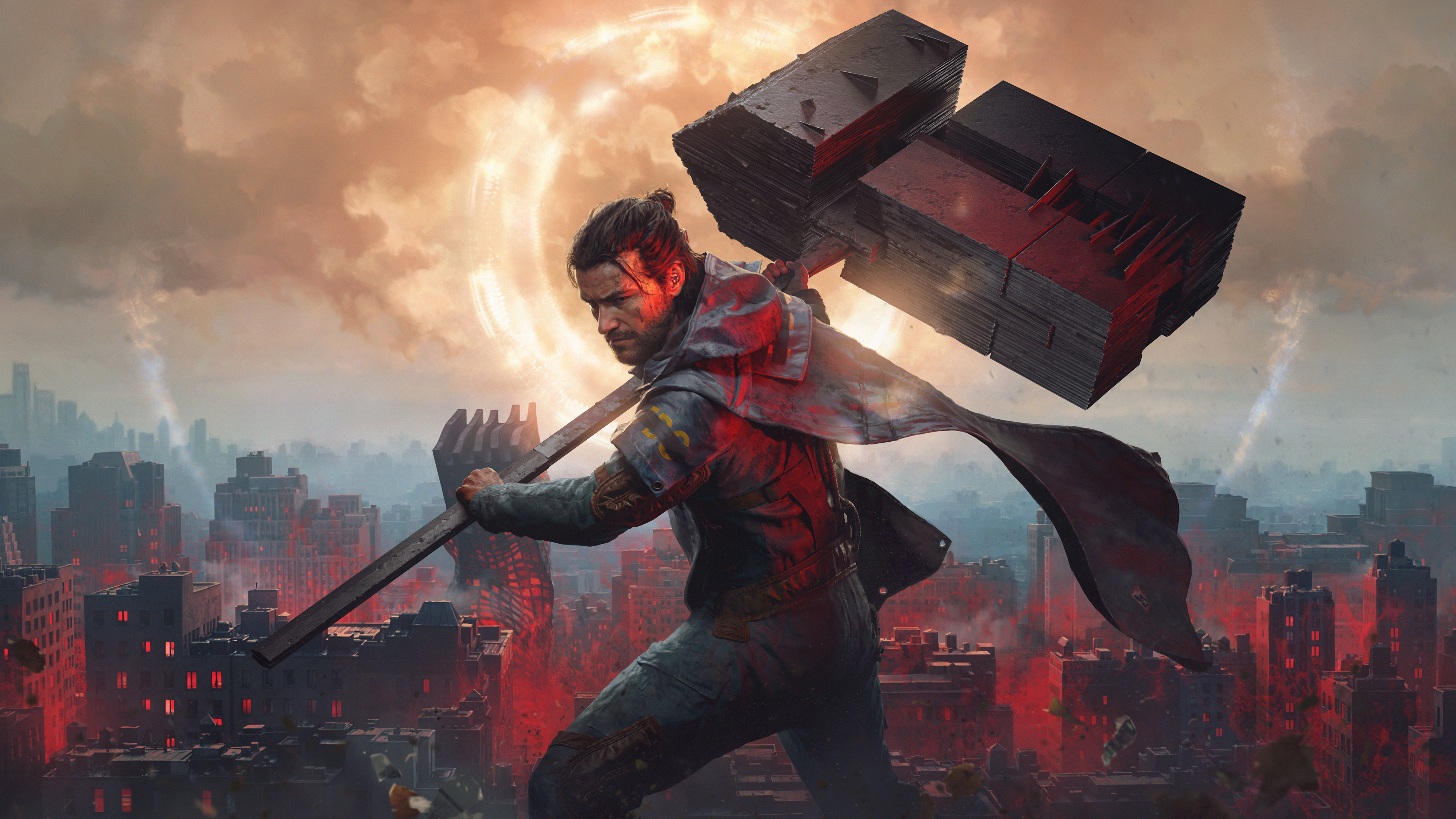
Progression is managed through "The Gap," an abstract mental construct that serves as a hub for customization. Instead of traditional menu-driven skill trees, players enter this space to unlock and refine abilities. A unique feature is the "Resonant" power acquisition system, where players defeat major antagonists to inherit their paranatural capabilities. This structure is complemented by an "Astral Arena," providing a dedicated space for players to experiment with combat loadouts.
Critical Analysis of Design Challenges
Despite the technical achievements and the ambition of its world-building, Control Resonant faces criticism regarding its pacing and design constraints. A common point of contention is the "sponginess" of enemies, where the health bars of Hiss-corrupted entities often require sustained, repetitive engagement. This can conflict with the intended flow of the game’s high-speed movement and combo-based combat.
Furthermore, while the city of Manhattan is visually striking, it functions as a series of interconnected, gated zones rather than a seamless open world. This design choice often results in navigation challenges, particularly when players are tasked with traversing vertical, non-Euclidean spaces. Without explicit waypoints—a deliberate design choice by Remedy—the lack of intuitive signage can lead to periods of disorientation.
Remedy has addressed these potential friction points through a comprehensive suite of accessibility options. Players can granularly adjust damage output, receive invulnerability toggles, or even activate one-hit-kill modifiers without disabling achievement progression. This reflects an industry-wide trend toward player-defined difficulty, ensuring that the narrative experience remains accessible despite the game’s inherently punishing combat loops.
The Integration of Multi-Media Storytelling
Remedy’s hallmark—the integration of live-action performances and surreal, multi-media segments—remains a cornerstone of the experience. The game features the return of actor Matthew Porretta, reprising his role as the eccentric researcher Casper Darling. The narrative is punctuated by experimental sequences, including a notable flashback sequence rendered in a 16-bit pixel art style, reminiscent of classic JRPGs. These stylistic pivots serve to break up the intense, atmospheric combat and provide necessary context for Dylan’s fractured psyche.
Industry Implications and Future Outlook
The release of Control Resonant arrives at a critical juncture for Remedy Entertainment. Following the mixed reception of the multiplayer-focused FBC: Firebreak, the studio needed a project that reaffirmed its mastery of single-player, narrative-driven action. By leaning into the "New Weird" aesthetic and pushing the limits of the Northlight Engine, the studio has signaled its commitment to high-fidelity, auteur-driven game design.

From an industry perspective, the game serves as a case study in the risks of creating "impossible" virtual spaces. While the visual language of the game is distinct—featuring floating debris, refracted skyscrapers, and dynamic, shifting landscapes—the mechanical execution highlights the persistent difficulty of balancing player autonomy with narrative-driven level design.
As of the current market cycle, Control Resonant is positioned as a benchmark for technical performance on current-generation hardware. The reliance on path tracing and complex lighting models underscores a shift toward high-end visual fidelity as a primary pillar of the "Triple-A" gaming experience. However, the discourse surrounding the game’s "spongey" enemy encounters suggests that players are increasingly looking for a tighter correlation between power progression and combat efficiency.
Ultimately, Control Resonant represents a bold, if occasionally uneven, expansion of the Control universe. It successfully captures the unsettling, surreal atmosphere that fans of the franchise expect, while providing a new perspective through the eyes of one of the series’ most tragic figures. Whether the game’s complex, often restrictive design choices will resonate with the broader player base remains to be seen, but it stands as a testament to Remedy’s ongoing commitment to pushing the boundaries of what is possible in interactive, paranatural storytelling. The studio has successfully crafted a vision of New York that feels entirely alien, proving that even after years of virtual representation, there are still ways to reimagine the familiar through a lens of cosmic, reality-bending horror.