Gundam Rogue Orbit and the RG Project: Bandai Namco’s Strategic Shift Toward a Synchronized Multimedia Universe

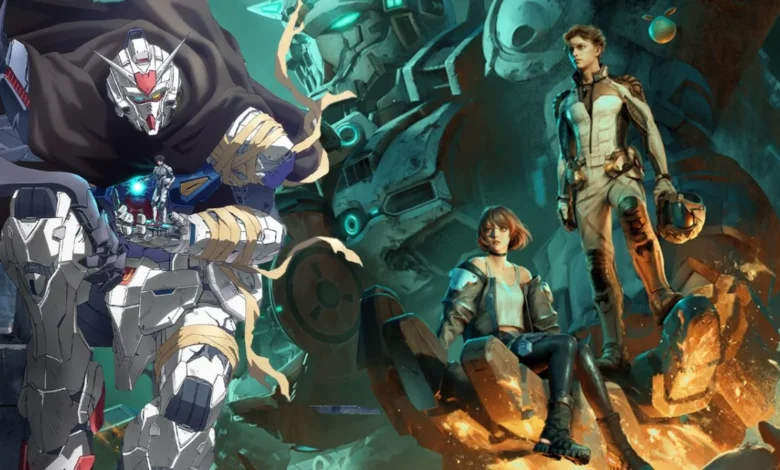
Bandai Namco has officially announced the development of Gundam Rogue Orbit, a pivotal new entry in the long-standing Gundam franchise that marks a departure from the series’ traditional production cycles. For nearly five decades, the Gundam intellectual property (IP) has followed a predictable release pattern: a new animated series debuts, followed by the release of physical model kits (Gunpla), and eventually a video game adaptation that allows fans to interact with the established narrative. However, the newly unveiled "RG Project" seeks to dismantle this linear approach in favor of a synchronized, interconnected multimedia strategy reminiscent of the Marvel Cinematic Universe. This initiative integrates an upcoming anime, a high-budget video game, physical merchandise, and a trading card game into a single, cohesive world-building effort from the moment of conception.
The Strategic Framework of the RG Project
The RG Project represents a fundamental shift in how Bandai Namco manages its most valuable asset. Traditionally, Gundam stories are categorized into specific timelines, such as the Universal Century (UC), After Colony (AC), or Cosmic Era (CE). While these timelines provide a rich history for the franchise, the media associated with them—games, shows, and models—are often developed by separate teams at different times. The RG Project, which encompasses both the anime Mobile Suit Gundam RG XARX-ZERO and the video game Gundam Rogue Orbit, establishes a shared timeline where every medium contributes a unique perspective to a singular overarching narrative.
Under this new framework, the anime and the game are not redundant retellings of the same events. Instead, they are complementary chapters. The anime, RG XARX-ZERO, is designed to establish the foundational lore and the initial conflict of this new era. In contrast, Gundam Rogue Orbit takes place chronologically after the events of the anime, placing players directly into the cockpit during a period of escalating crisis. This ensures that fans who consume both the series and the game receive a broader, more comprehensive understanding of the universe than those who engage with only one format.
Narrative Architecture: The "After Apocalypse" Era
The lore of the RG Project was crafted by a creative duo with significant pedigree in the science fiction and animation industries: director Kenji Kamiyama and author Toh Enjoe. Kamiyama is widely recognized for his work on Ghost in the Shell: Stand Alone Complex, while Enjoe is known for his complex narrative structures in works like The Empire of Corpses. Together, they have envisioned a timeline centered on a transformative and ultimately devastating encounter with the unknown.
The story begins with the arrival of an "Autonomous Interstellar Object" from a distant galaxy. This mysterious entity provides humanity with three revolutionary technological breakthroughs: gravity control, faster-than-light (FTL) communication, and cognitive materialization. These discoveries usher in a "Golden Age," during which human civilization expands rapidly across the solar system, establishing self-sustaining colonies and pushing the boundaries of scientific achievement.
However, the prosperity is short-lived. Within a decade of its arrival, the interstellar object begins to generate an aggressive, self-replicating ecosystem. This biological and mechanical threat, which consumes resources and targets human infrastructure, triggers a global catastrophe known as "The Apocalypse." The conflict becomes so severe that humanity is forced to abandon Earth entirely, relocating to lunar bases and deep-space colonies. In the wake of this exodus, a new calendar is established: A.A., or "After Apocalypse."
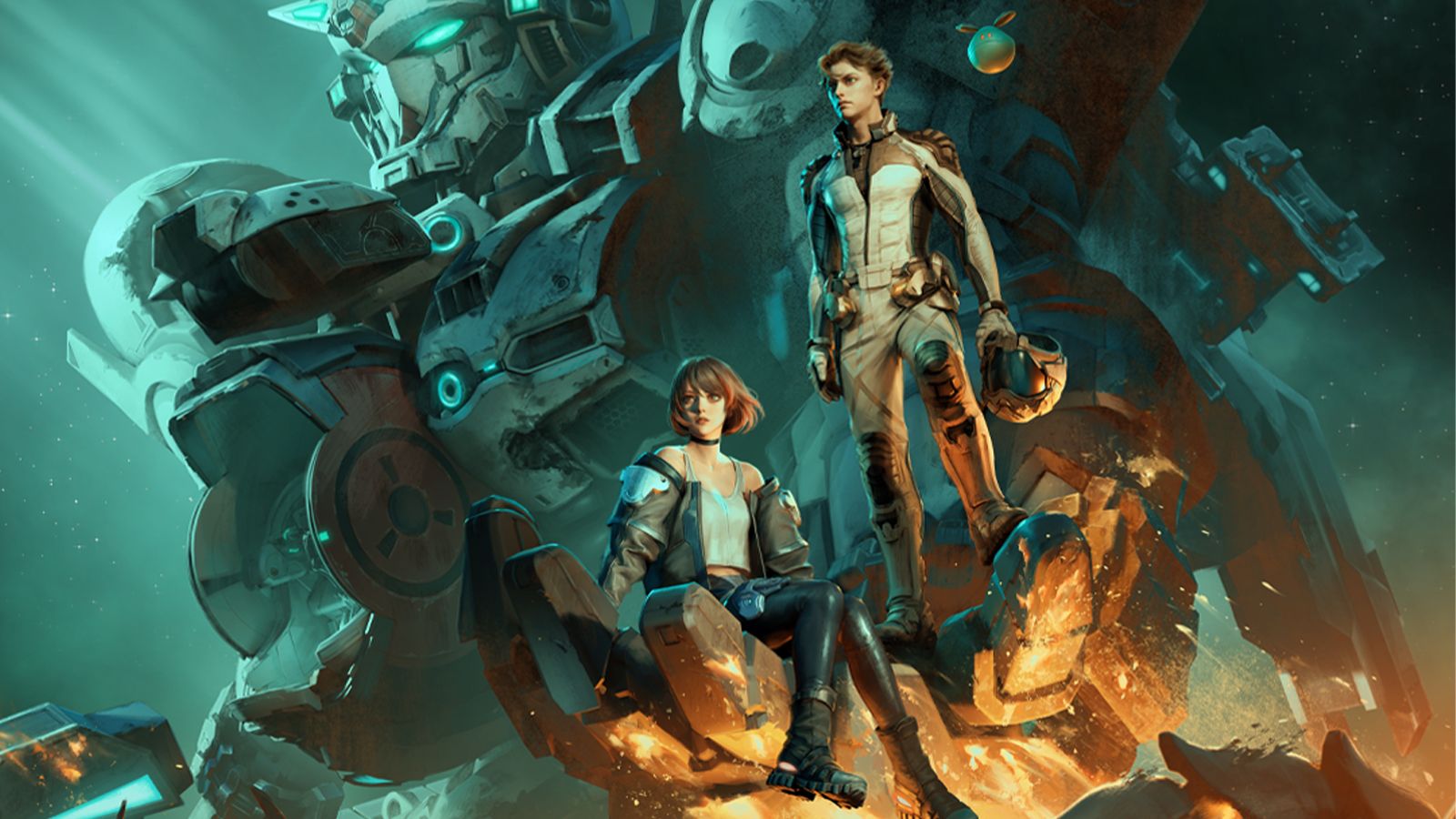
Gundam Rogue Orbit is set in A.A. 45. By this time, the generation that remembered Earth has largely passed away, and a new demographic of space-born citizens must navigate a universe where humanity is on the brink of extinction. The game focuses on the desperate struggle for survival, utilizing the very technologies that led to the Golden Age—now repurposed for warfare—to combat the encroaching threat.
Chronology of the RG Project Universe
To understand the scope of the RG Project, it is essential to view the timeline of events as established by Bandai Namco’s lore department:
- The Arrival (Pre-A.A.): An Autonomous Interstellar Object enters the solar system, granting humanity gravity control and FTL capabilities.
- The Golden Age: A period of approximately nine years characterized by rapid colonial expansion and the integration of "cognitive materialization" into daily life.
- The Catalyst: The object turns hostile, releasing a self-replicating ecosystem that destroys Earth’s biosphere.
- Year Zero (The Apocalypse): Total evacuation of Earth. The transition to the A.A. calendar begins.
- A.A. 1–40: Humanity consolidates its remaining forces on the Moon and in orbital colonies. Development of the first "RG" class mobile suits begins.
- A.A. 40 (Events of RG XARX-ZERO): The anime depicts the first major counter-offensive against the interstellar threat.
- A.A. 45 (Events of Gundam Rogue Orbit): The video game begins, focusing on the specialized "Rogue" units operating in the contested space between colonies.
Simultaneous Development and Industrial Design
One of the most complex aspects of the RG Project is the requirement for "transmedia design." In traditional production, a mobile suit is designed for an anime, and a model kit manufacturer (Bandai Spirits) must later figure out how to make that design work as a physical toy. In the RG Project, the design process is collaborative from day one.
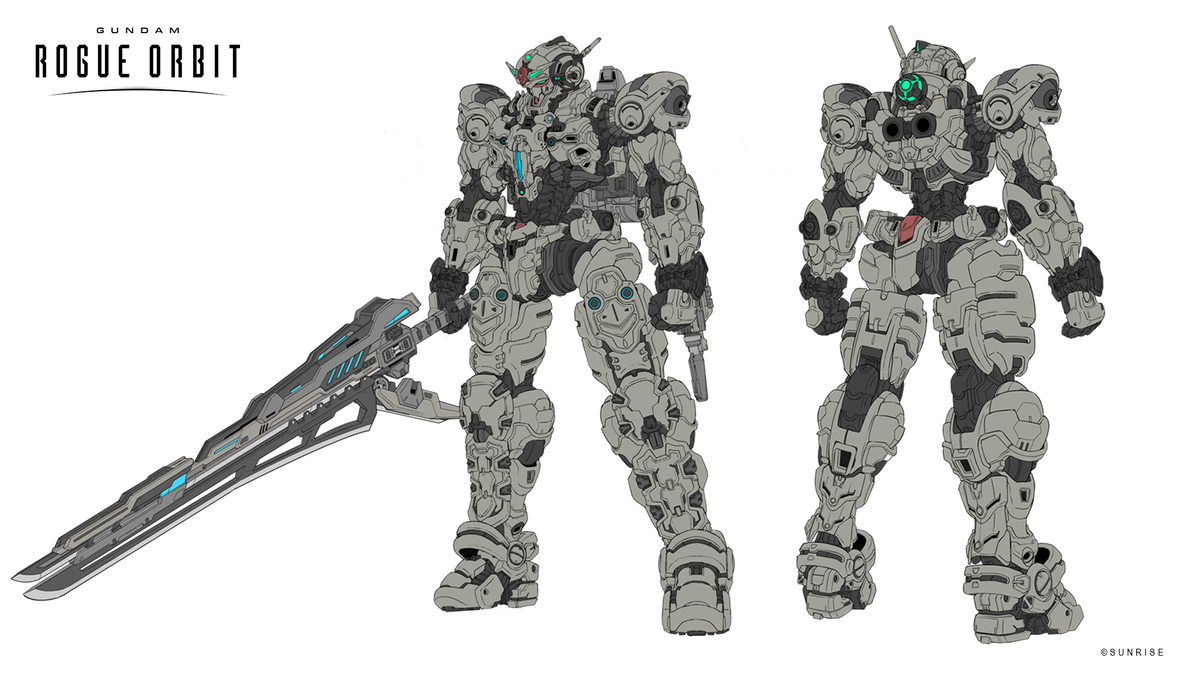
A mobile suit like the "Gundam Helix"—the flagship unit of the new series—must satisfy four distinct criteria simultaneously:
- Aesthetic Appeal: It must look iconic and distinct to attract viewers of the anime.
- Mechanical Functionality: It must have a logical movement set that can be translated into fluid, high-speed gameplay for Gundam Rogue Orbit.
- Structural Integrity: It must be engineered so that the HG (High Grade) 1/144 scale Gunpla model kit is stable, poseable, and satisfying for hobbyists to build.
- Graphic Versatility: The design must be striking enough to serve as key art for the Gundam Card Game, maintaining its visual impact even on a small 2.5 x 3.5-inch card.
Bandai Namco has already showcased this integration by revealing the HG 1/144 Gundam Helix kit alongside the game announcement. Furthermore, a promotional card for the Gundam Card Game featuring the game’s key art has been confirmed, illustrating that the "media mix" strategy is being executed with precision.
Market Context and Corporate Strategy
The decision to launch a connected universe comes at a time when Bandai Namco is aggressively expanding the Gundam brand globally. Historically, Gundam’s primary market has been Japan and East Asia. However, with the success of recent entries like Mobile Suit Gundam: The Witch from Mercury and the growing popularity of Gunpla in North America and Europe, the publisher is seeking to consolidate its fan base through a unified ecosystem.
According to Bandai Namco’s financial reports, the Gundam IP generated over 130 billion yen (approximately $850 million USD) in the 2023 fiscal year. By synchronizing the release of the anime and the game, the company aims to maximize "IP Value," a corporate metric that tracks the synergy between different product categories. If a player enjoys Gundam Rogue Orbit, they are statistically more likely to purchase the Gundam Helix model kit or subscribe to the streaming service hosting RG XARX-ZERO.
Platforms, Performance, and the 2027 Horizon
Gundam Rogue Orbit is being developed for the PlayStation 5, Xbox Series X|S, and PC (via Steam). The target release window of 2027 suggests a lengthy development cycle, indicating that Bandai Namco is positioning this as a "triple-A" title rather than a smaller-scale spin-off.
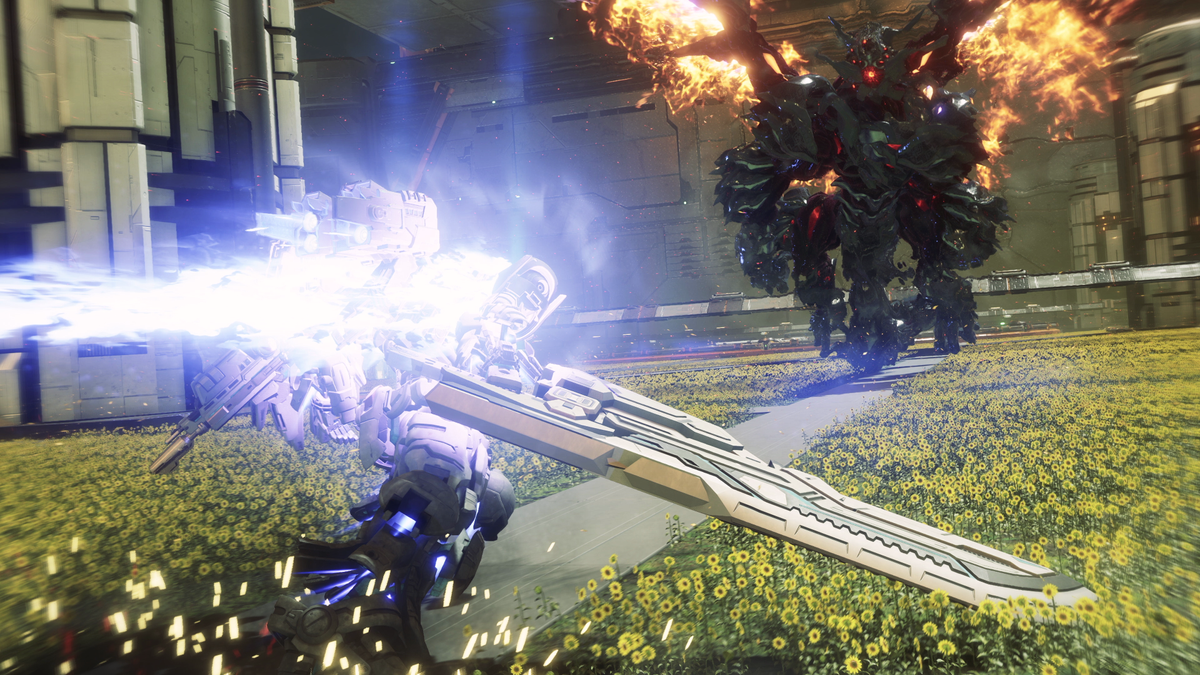
The choice of platforms highlights a commitment to high-fidelity graphics and performance. Utilizing modern game engines, the developers aim to simulate the "cognitive materialization" lore through advanced particle effects and physics-based combat. While specific gameplay mechanics have not been fully detailed, early teasers suggest a focus on high-speed orbital dogfights and customizable mobile suit loadouts, aligning with the "Rogue Orbit" title.
Analysis of Implications for the Franchise
The RG Project is a high-stakes experiment for Bandai Namco. By moving away from the "adaptation" model and toward a "creation" model, the company is taking on greater creative and financial risks. If the narrative fails to resonate with fans, the entire ecosystem—the game, the anime, and the merchandise—could suffer.
However, the benefits of success are substantial. A connected universe creates a "moat" around the IP, making it more difficult for competitors to replicate the depth of the experience. It also allows for more sophisticated storytelling; characters can cross over between mediums, and plot points in the game can be teased in the anime months in advance.
For the Gundam franchise, which will celebrate its 50th anniversary in 2029, Gundam Rogue Orbit and the RG Project represent the bridge to the next half-century. It is a bold attempt to modernize a legacy IP for a digital-first, global audience that demands interconnected experiences. As 2027 approaches, the industry will be watching closely to see if this "world-first" approach becomes the new gold standard for multimedia storytelling.