Porsche 550 Spyder J Celebrates 75 Years of Racing Heritage With an Electric, Shrunken Masterpiece

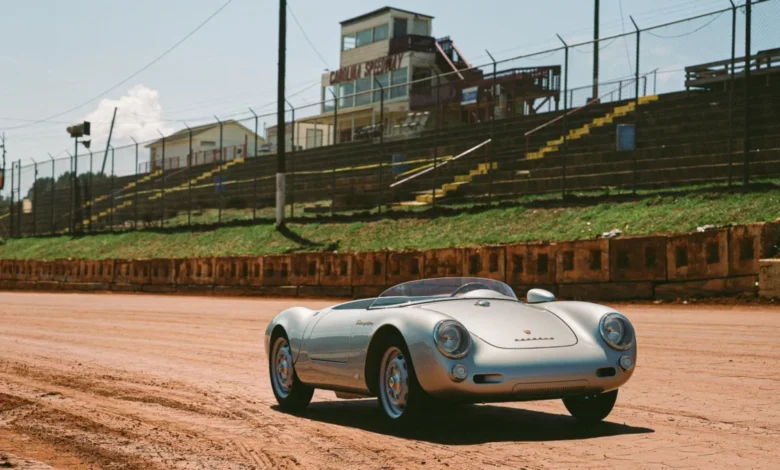
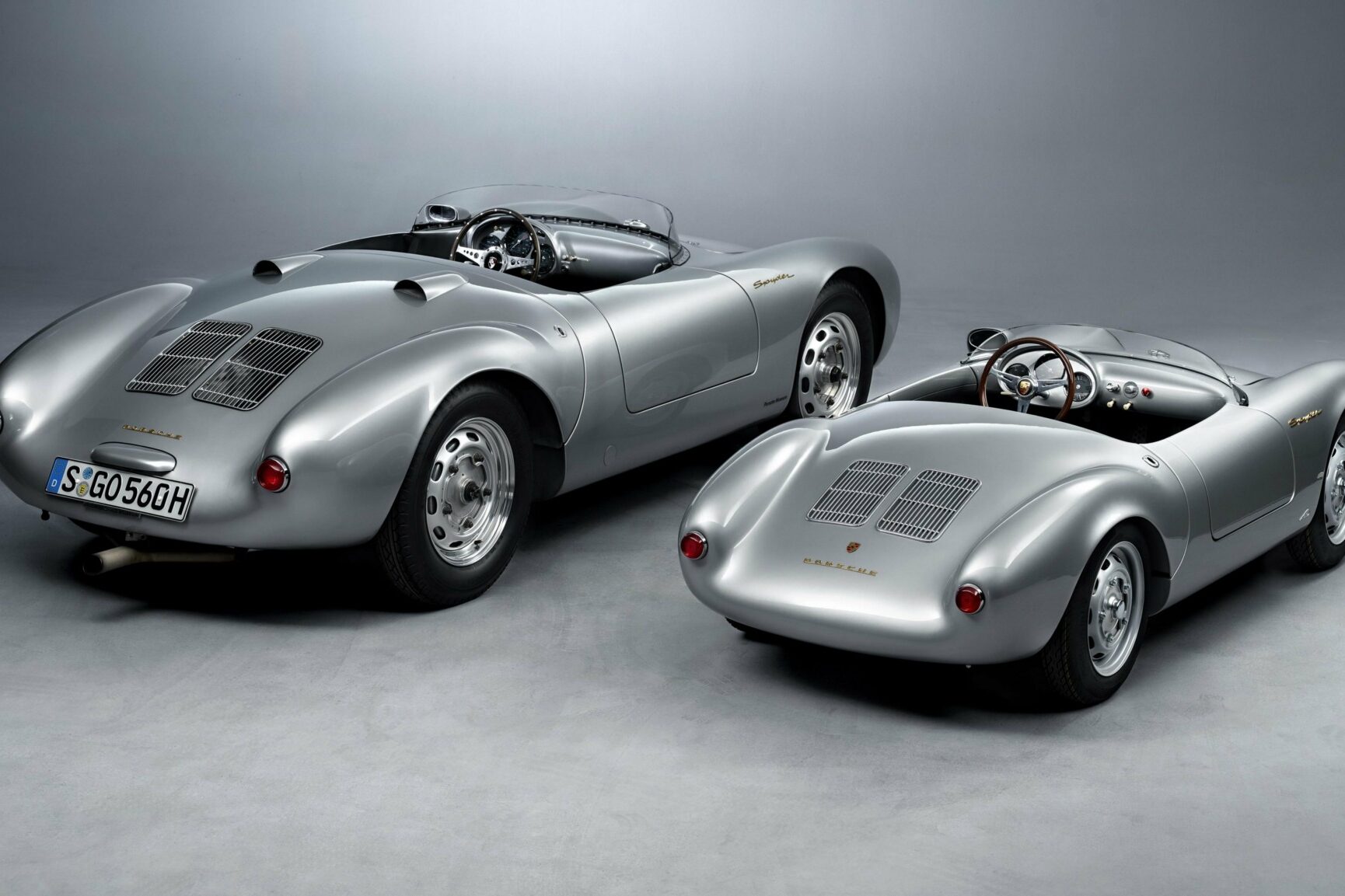
Seventy-five years after the birth of the legendary Porsche 550 Spyder, the German sports car manufacturer is commemorating its iconic racing machine through an unexpected yet meticulously engineered medium: a fully drivable, carbon-fiber-bodied scale replica. Developed in collaboration with the United Kingdom-based artisanal automotive workshop Hedley Studios, the newly unveiled Porsche 550 J—where the "J" stands for "Junior"—brings the timeless aesthetics of the 1950s motorsport legend into a compact, all-electric package. Designed at 80 percent of the original vehicle’s dimensions, this limited-production collectible bridges the gap between high-end automotive art and functional scaled engineering.
Main Facts and Engineering Specifications
While the original 550 Spyder earned its legendary status on international circuits powered by an advanced, air-cooled four-cylinder boxer engine, its modern, shrunken counterpart relies entirely on electric propulsion. The base iteration of the 550 J delivers 8 kilowatts of power, translating to approximately 11 horsepower. This configuration propels the two-seater roadster to a modest top speed of 40 miles per hour.
For buyers seeking enhanced performance, Hedley Studios offers an optional RS Package. This upgrade doubles both the battery capacity and output, elevating the vehicle’s performance to 16 kilowatts (21 horsepower) and increasing the top speed to 50 miles per hour. Because the vehicle is engineered specifically as a closed-course and private-property cruiser, it is not street-legal for highway use, freeing it from modern regulatory mandates such as airbags and crash-structure compliance while maintaining a profound focus on tactile driving engagement.

Constructed from more than 1,300 distinct components, the 550 J is far from a standard toy car or static display model. Hedley Studios achieved near-absolute fidelity to the original architecture by utilizing advanced 3D laser-scanning technology on authentic, museum-grade vintage Porsche 550 Spyders. This digital mapping was cross-referenced extensively with historical blueprints and documentation retrieved directly from Porsche’s corporate archives in Stuttgart. The resulting carbon-fiber bodywork ensures that the vehicle remains exceptionally lightweight while preserving the voluptuous, hand-formed curves that defined the mid-century racing icon.
Chronological Context and the Legacy of the 550 Spyder
The unveiling of the 550 J marks a significant milestone in the historical timeline of Porsche’s motorsport division. The genesis of the original Porsche 550 dates back to the early 1950s, when Ferry Porsche and his engineering team sought to build a dedicated, lightweight racing car capable of dominating international endurance events.

Key Milestones in the 550 Timeline
- 1953: The Porsche 550 Prototype makes its public debut at the Paris Motor Show, immediately capturing the attention of the global racing community with its low-slung aluminum body and mid-engine layout.
- 1954: The production variant, designated the 550 Spyder, secures class victories in grueling endurance tests, most notably at the Carrera Panamericana in Mexico and the 24 Hours of Le Mans.
- 1955: Hollywood icon and avid racing enthusiast James Dean purchases a silver Porsche 550 Spyder—affectionately nicknamed "Little Bastard"—tragically meeting his end in a highway collision while en route to a Salinas racing event. This event forever cemented the car in global pop culture.
- 1956–1957: The evolution of the platform continues with the introduction of the 550A, featuring a more rigid spaceframe chassis that yields further victories at the Targa Florio.
- 2026: Seventy-five years after its initial conception, Porsche partners with Hedley Studios to release the 550 J, translating the design ethos of the original racer into a modern, electric collector’s item.
Craftsmanship, Customization, and Bespoke Options
True to Porsche’s modern manufacturing ethos, the 550 J offers an extraordinary degree of individualization. Hedley Studios has integrated options inspired by both historical motorsport liveries and modern personalization programs. Buyers can select from an extensive palette of exterior finishes, ranging from period-correct metallic silvers and racing blues to hues sourced directly from Porsche’s contemporary Paint-to-Sample (PTS) catalog.
The cabin is similarly customizable, offering a wide array of fine leather and faux-suede upholstery choices, bespoke steering wheel trims, and optional racing numbers, decals, and exterior aerodynamic cowls or miniature windscreens. For clients desiring total exclusivity, a dedicated Bespoke program allows for custom commissions that ensure no two vehicles leaving the Hedley Studios workshop are entirely alike.

Production Figures and Market Positioning
Exclusivity is a core pillar of the 550 J project. Hedley Studios and Porsche have announced a strict global production cap of just 250 units, positioning the miniature sports car as a highly sought-after investment piece for dedicated automotive collectors, Porsche enthusiasts, and design aficionados.
According to industry reports from publications such as Top Gear, the vehicle commands a starting price of £69,500—approximately $93,000 USD at current exchange rates—before local taxes, shipping, and the selection of any optional bespoke packages or performance upgrades.

Broader Impact and Industry Implications
The collaboration between Porsche and Hedley Studios highlights a growing trend within the luxury automotive sector: the convergence of heritage preservation and micro-mobility. As major manufacturers navigate the transition toward electrification and autonomous technology, historical divisions are increasingly looking for creative ways to engage collectors who value tactile, mechanical, and analog driving experiences.
By producing a shrunken, electrified tribute to one of its most revered historical models, Porsche successfully reinforces its brand heritage while cultivating new avenues for luxury patronage. Projects like the 550 J demonstrate that the appeal of mid-century automotive design transcends full-scale functionality, opening up a specialized market where precision engineering, craftsmanship, and nostalgia intersect.

Further information, specifications, and allocation inquiries regarding the Porsche 550 J can be found through the official dedicated portal at 550j.com.
Related posts: