Navigating the 2026 Holiday Retail Landscape: How Social Media Search, Tariffs, and Evolving Consumer Habits Are Transforming E-Commerce

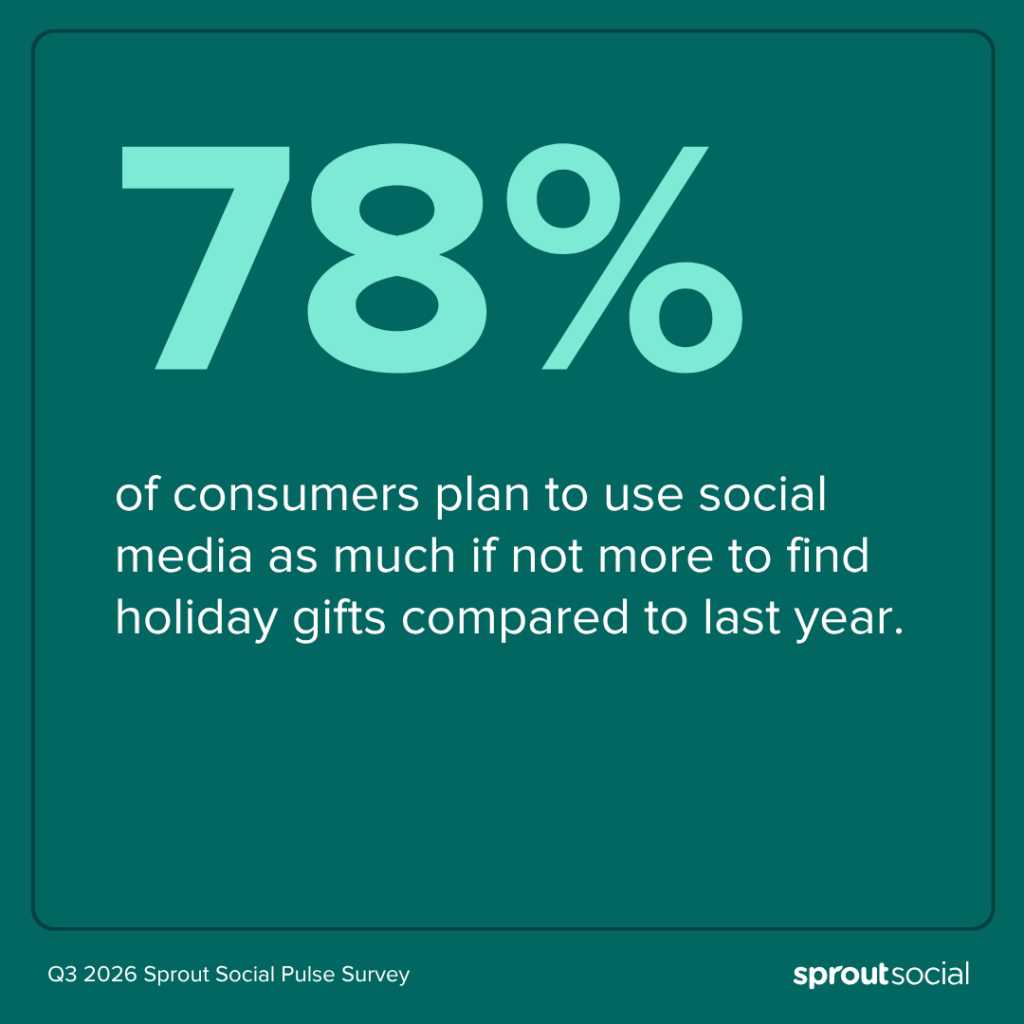
The intersection of social media and holiday retail has reached a definitive maturity point, shifting from a supplementary marketing channel to the foundational infrastructure of modern consumer behavior. According to data compiled in the Q3 2026 Sprout Social Pulse Survey—which surveyed 2,286 consumers across the United States, the United Kingdom, and Australia between August 11 and August 18, 2026—more than three-quarters (78%) of shoppers plan to use social platforms as much, if not more, to source holiday gifts compared to previous years. This extensive reliance highlights a structural change in how populations discover products, evaluate economic value, and interact with customer service divisions during the most critical retail period of the calendar year.
As retailers prepare for the fourth-quarter rush, a complex matrix of macroeconomic pressures, shifting campaign preferences, and platform preferences is dictating corporate strategy. Understanding these dynamics is no longer optional for brands seeking market share; it is a primary determinant of Q4 profitability.

The Chronology of Holiday Marketing Versus Consumer Preferences
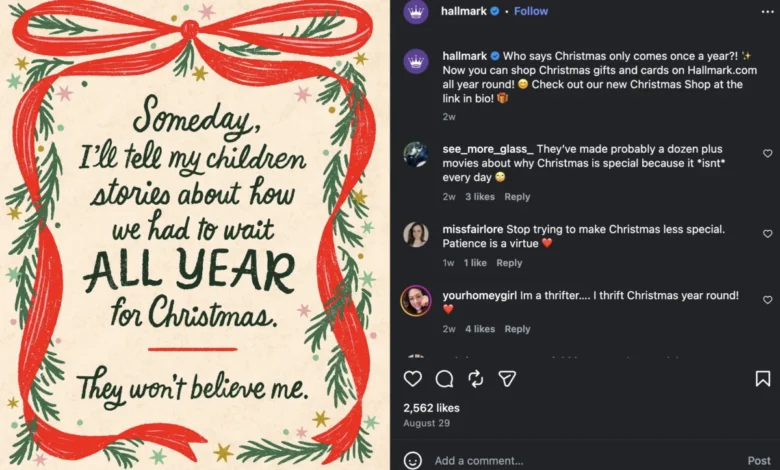
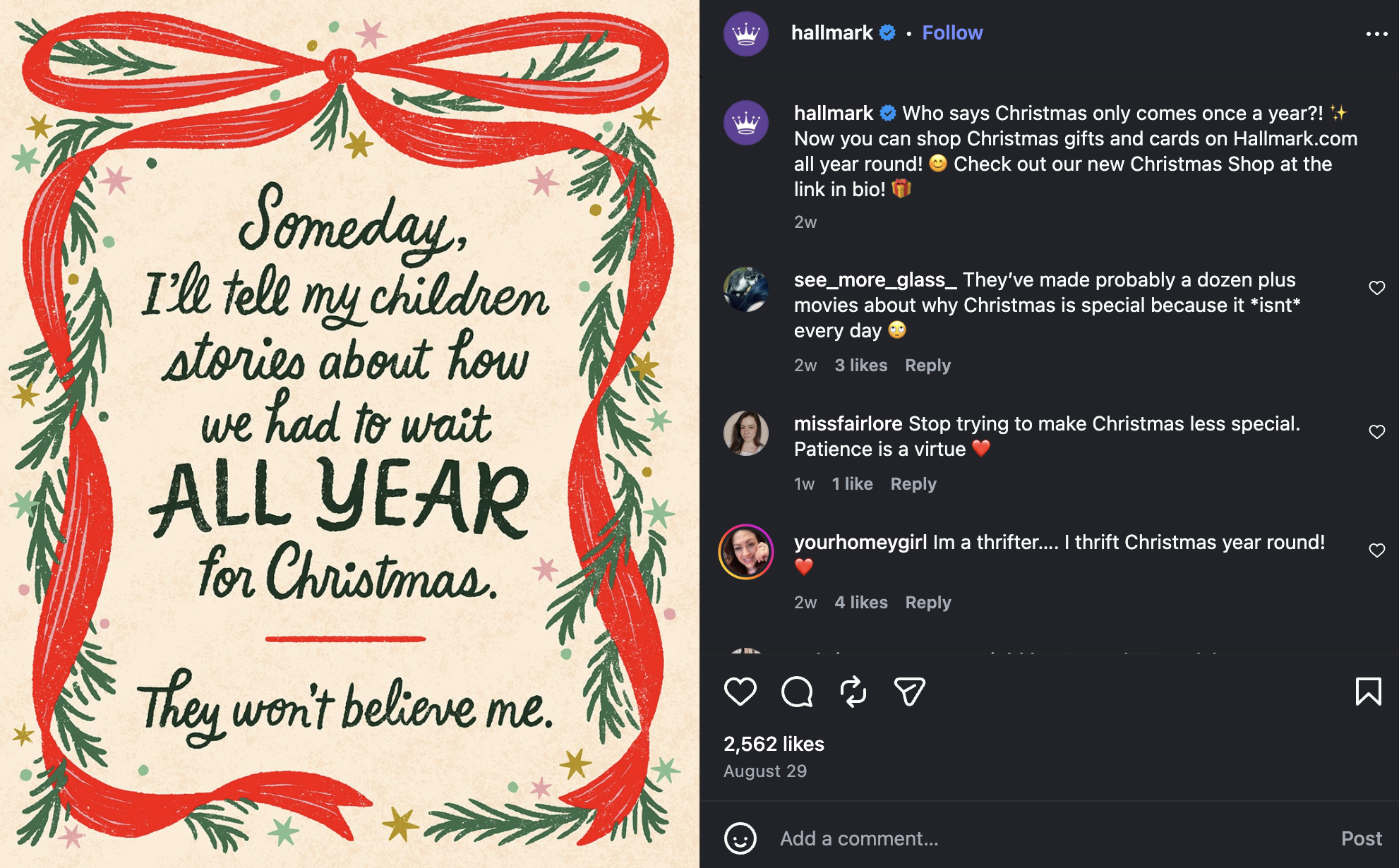
For the past several years, the phenomenon of "holiday creep"—the progressive earlier launch of seasonal marketing campaigns—has accelerated. Industry observers noted early milestones in 2026, such as themed summer marketing events in June, seasonal beverage launches arriving as early as August, and online holiday storefronts opening well ahead of historical norms.
However, consumer sentiment regarding these timelines has revealed a distinct friction point between corporate strategy and buyer readiness. Survey data indicates that 50% of consumers believe brands should ideally initiate holiday advertising campaigns in October. This reflects a notable recalibration from preferences recorded in 2025, when August and September were favored by larger pluralities.
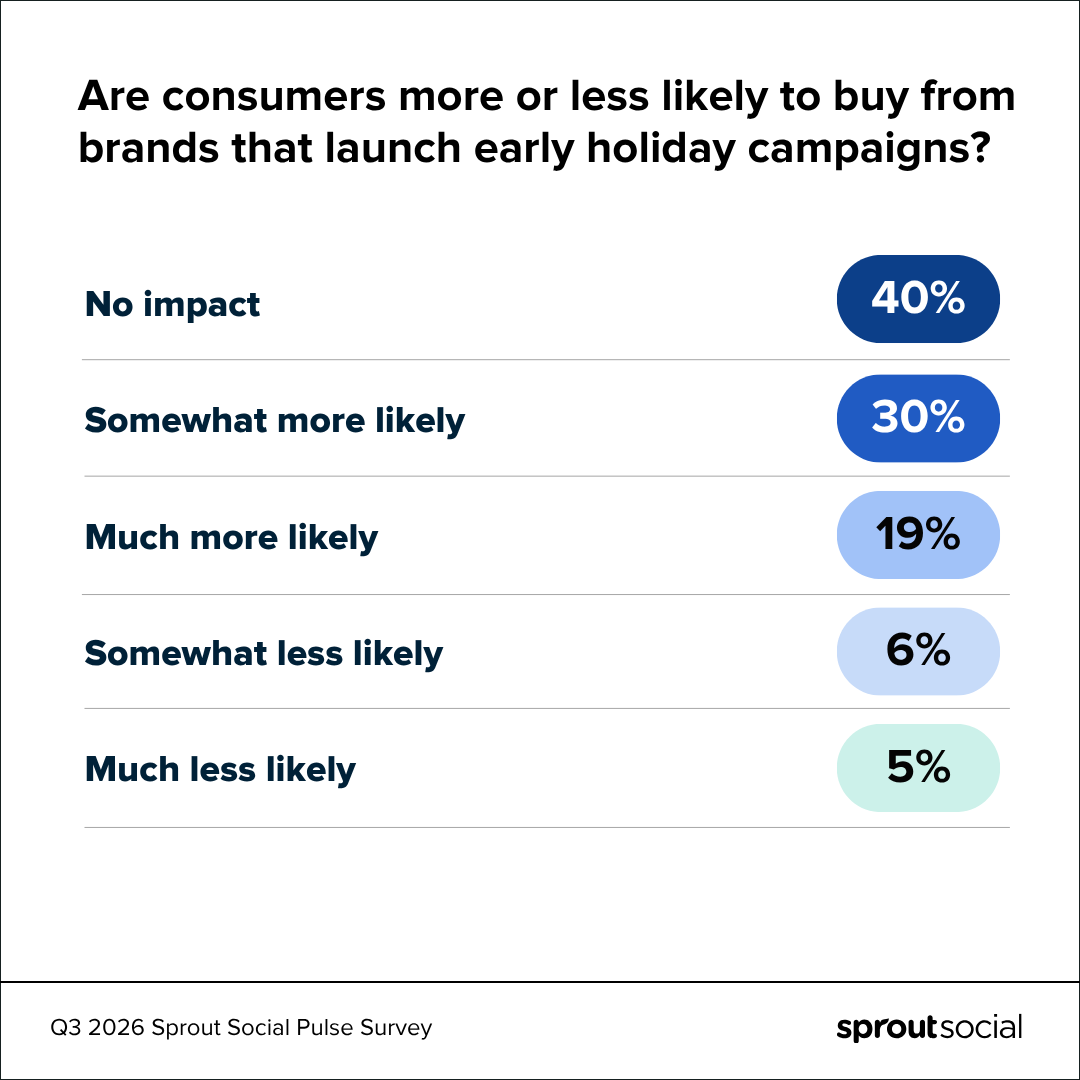
Despite this stated preference for an October rollout, actual purchasing behavior tells a different story. When evaluating campaigns launched as early as August, 40% of consumers reported that early timelines had no impact on their decision to purchase, while nearly 50% indicated they were somewhat or much more likely to patronize brands engaging in early advertising.
This behavioral dichotomy suggests that while shoppers may intellectually object to the premature arrival of holiday messaging in their feeds, campaign timing ultimately plays a negligible role in core purchasing decisions. Consequently, marketing executives are advised to pivot away from anxieties regarding optimal calendar launch dates and redirect resources toward the substance, creativity, and value proposition of the content itself.
Economic Pressures, Tariffs, and the Shift Toward Value-Driven Purchasing
While timing preferences fail to dictate buying habits, macroeconomic conditions—specifically ongoing discussions surrounding international trade tariffs and household budgetary constraints—exert a profound influence on 2026 holiday shopping patterns.
Inflationary pressures and anticipated tariff-related price increases have fostered an environment of heightened price consciousness. Approximately 69% of consumers expressed concern regarding potential price hikes driven by tariffs this year. In response to these financial vulnerabilities, 56% of consumers plan to reduce their overall holiday spending, while 36% intend to begin shopping earlier specifically to preempt future price escalations.
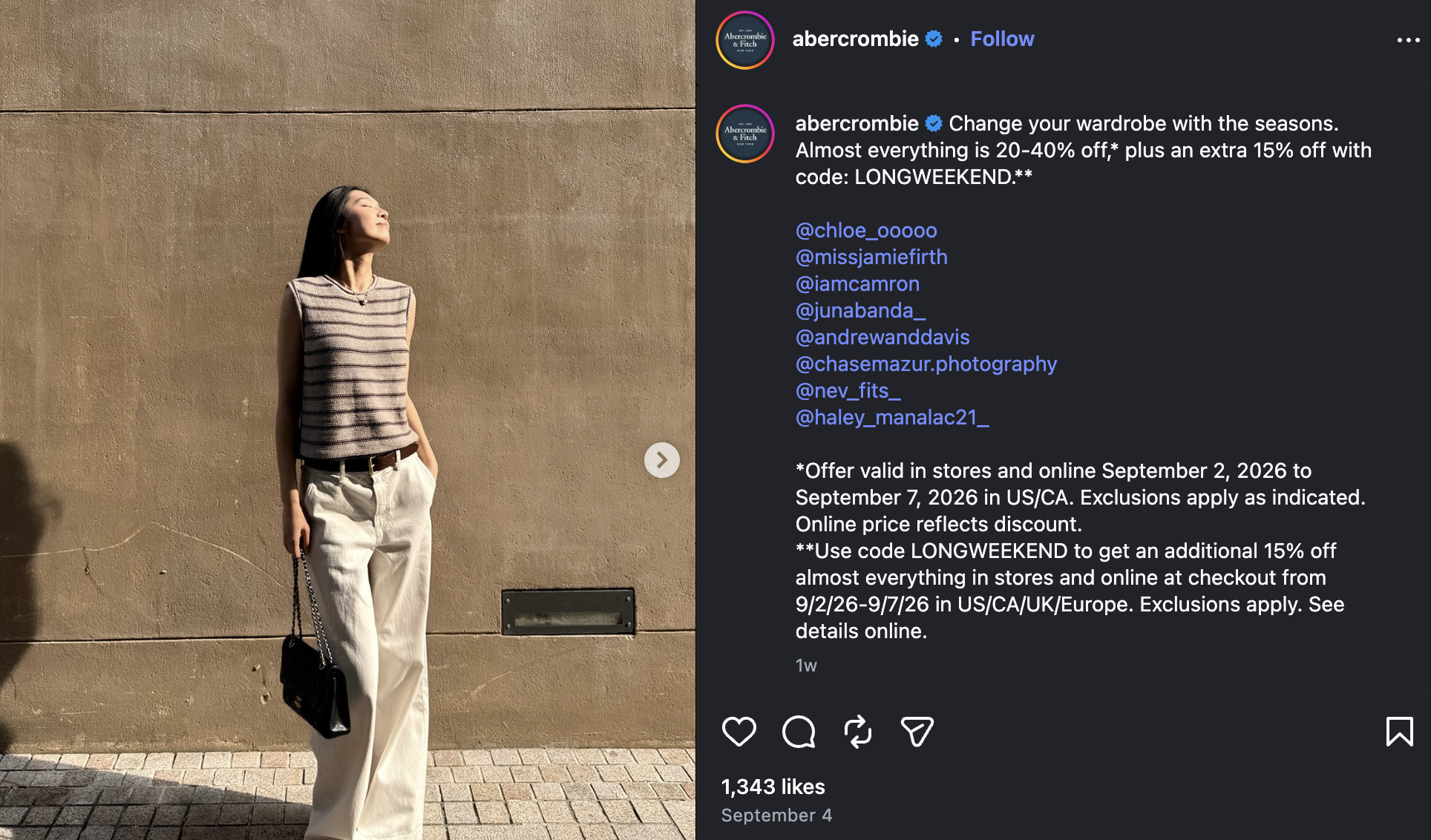
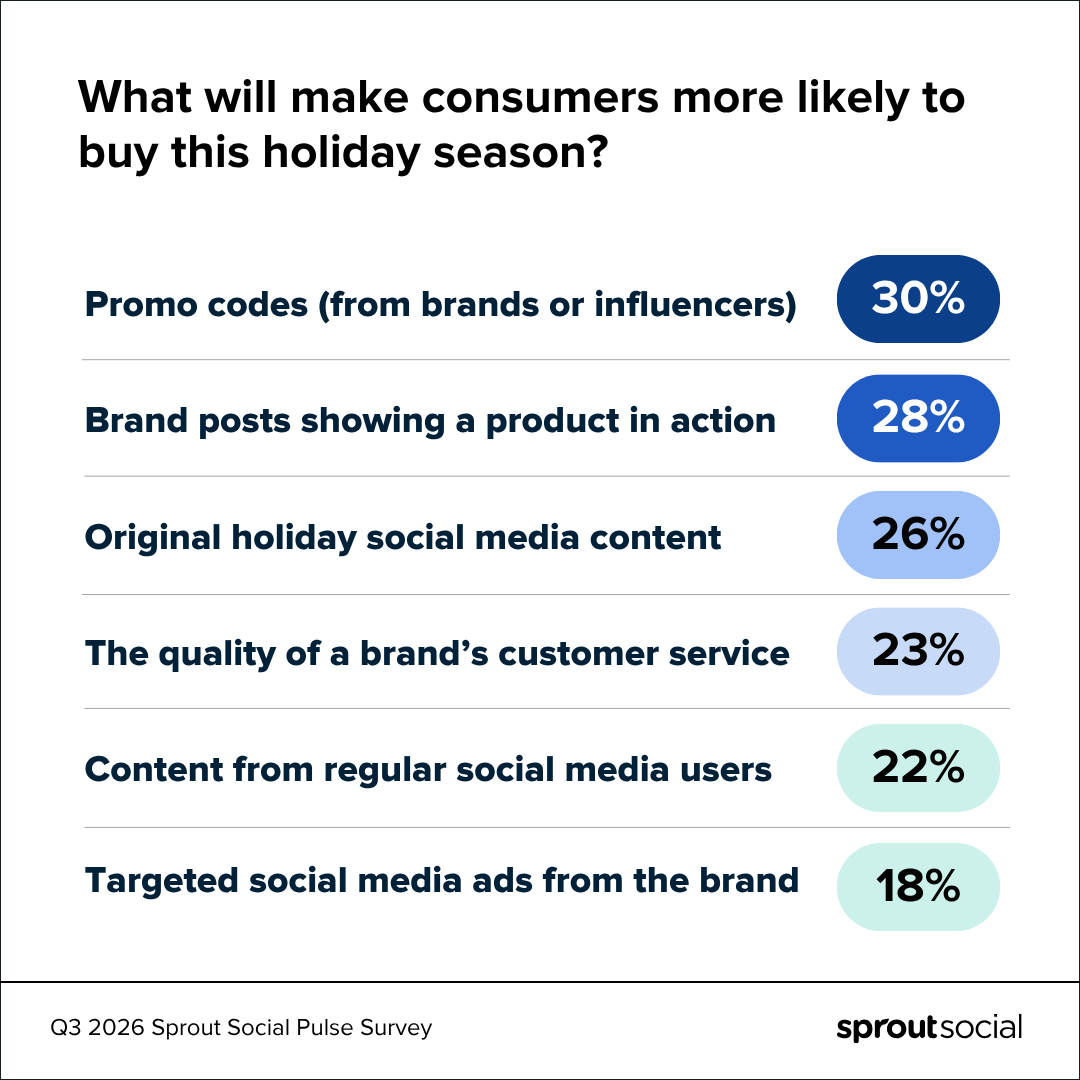
This defensive purchasing strategy has redefined what motivates a consumer to convert. Promo codes have emerged as the paramount tool for capturing attention, with 30% of shoppers stating that discounts—whether sourced directly from the brand or through influencer marketing partnerships—are essential to persuading them to buy. This reliance on promotional incentives highlights the centrality of economic value in the 2026 retail cycle.
Furthermore, consumer expectations regarding product demonstration have shifted. Approximately 28% of shoppers indicated that seeing products in action makes them significantly more likely to buy, while 23% prioritize original, holiday-specific creative content. This represents a distinct evolution from 2025 metrics, which placed higher emphasis on baseline customer service and user-generated content as primary conversion drivers. Analysts note that influencer partnerships capable of simultaneously delivering discount codes, clear product functionality demonstrations, and creative holiday narratives are uniquely positioned to capture market share under these tight financial conditions.
The Ascendancy of Social Search and Direct-to-Consumer Checkout
The structural migration of search behaviors from traditional search engines to social media platforms has continued unabated. Data from preceding quarters in 2026 demonstrated that social search is increasingly favored for experiential, highly visual, or peer-reviewed queries. This trend has scaled directly into the holiday shopping season.
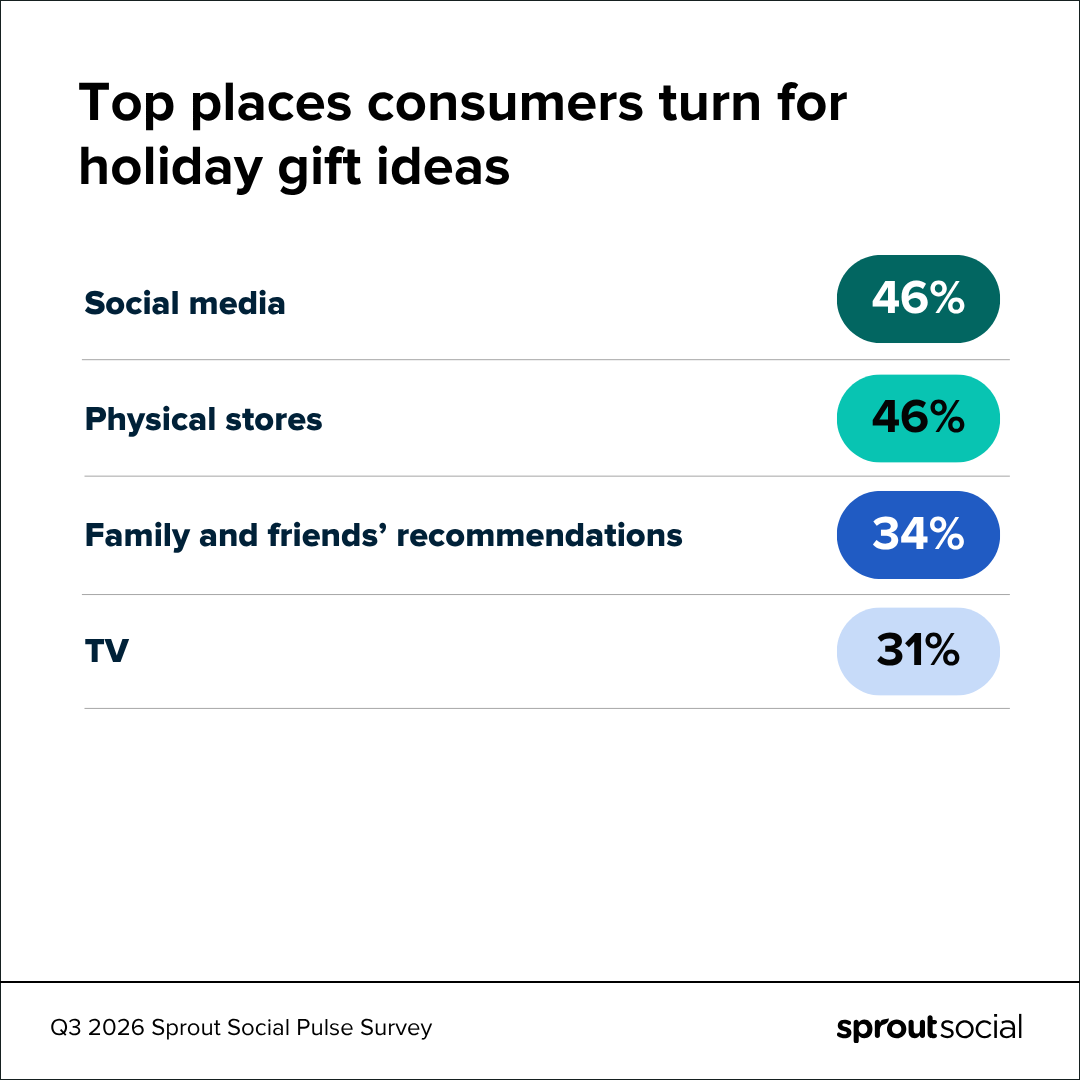
In 2026, social media achieved parity with physical brick-and-mortar storefronts as the top destination for holiday gift discovery, with 46% of consumers turning to social platforms for gift ideas—matching the percentage looking to physical retail locations. Among younger demographics, including Generation Z and Millennials, social media assumes the absolute primary role, with at least half of these cohorts utilizing social feeds for gift curation.
Crucially, discovery is no longer decoupled from transaction. Over half of surveyed consumers reported openness to executing purchases directly within social media applications. Integrated commerce ecosystems such as TikTok Shop, Facebook Shops, and Instagram Checkout are increasingly integrated into brand strategies, shortening the path to conversion and minimizing friction for the end user. Industry analysts emphasize that successful Q4 campaigns must construct a seamless, end-to-end buyer journey that begins with social discovery and terminates in native platform checkout.
Customer Service Pressures and the Integration of Artificial Intelligence
As transactional volume migrates to social channels, customer service departments face unprecedented demands. Compared to the previous holiday season, 86% of users plan to utilize social media just as much, if not more, to resolve customer service inquiries.
Consumer preference heavily favors visual and messaging-centric networks, with TikTok (50%), Facebook (46%), and Instagram (44%) serving as the primary channels for support requests, followed by platforms like X and WhatsApp. Direct Messaging (DMs) remains the preferred outreach method for 55% of consumers across all generations, though public comment sections are rapidly growing as a venue for customer inquiries, with 31% of users indicating they will seek assistance in public threads.
The operational challenge for retailers lies in velocity. Approximately 70% of consumers expect a brand response within 24 hours of outreach, and 89% state that response time directly influences their perception of a brand. Given the public nature of comment-section inquiries, unresolved service issues carry heightened reputational risks.
To manage the massive influx of holiday inquiries without sacrificing speed, a significant portion of retailers are expected to deploy artificial intelligence tools. AI-driven systems assist support teams by prioritizing incoming messages, analyzing sentiment, and drafting initial response templates. Consumer receptivity to this operational shift is high, with 70% of shoppers expressing comfort with brands utilizing AI for customer service tasks—a figure that rises to 77% among Generation Z.
Despite this tolerance for automation, retail logistics experts caution against fully autonomous customer care models. Maintaining a "human-in-the-loop" framework is vital to preserving the personalization and empathy required to sustain brand loyalty during high-stress retail periods. Brands that pair automated triage with knowledgeable human support teams, robust self-help resources, and transparent social FAQs are best positioned to protect their brand equity.
Broader Implications for the Retail Sector
The convergence of economic constraints, platform maturation, and evolving consumer preferences in the final quarter of 2026 provides a clear roadmap for corporate strategy. Retailers can no longer view social media merely as an advertising billboard; it functions concurrently as a search engine, a storefront, a content entertainment medium, and a customer support desk.
Brands that successfully synthesize economic value through promotional transparency, leverage high-performing influencer collaborations, optimize their presence for social search, and maintain responsive, hybrid human-AI customer service structures will navigate these market pressures successfully. As the retail sector closes out the year, those organizations that adapt to these permanent structural changes in consumer behavior will secure a competitive advantage extending well into the new year.