The Boroughs: Crafting 1980s Amblin Nostalgia with Cutting-Edge VFX

Netflix’s highly anticipated eight-episode series, The Boroughs, is set to premiere on July 21, 2026, promising a potent blend of horror, comedy, and adventure deeply inspired by the beloved 1980s cinematic style of Amblin Entertainment. Created by Jeffrey Addiss and Will Matthews, and executive produced by The Duffer Brothers, the acclaimed minds behind Stranger Things, the series features an impressive ensemble cast led by Alfred Molina (Spider-Man: No Way Home), Alfre Woodard, Denis O’Hare (True Blood), Clarke Peters (Foundation), Jena Malone (Rebel Moon), and Academy Award-winner Geena Davis (Thelma & Louise). Set within a seemingly idyllic luxury retirement community in New Mexico, the narrative follows a group of senior residents who stumble upon an otherworldly menace and valiantly endeavor to defeat it.
A Homage to Amblin: Blending Nostalgia and Modern Horror
The creative vision for The Boroughs deliberately taps into the wellspring of 1980s nostalgia, a trend successfully capitalized on by The Duffer Brothers in their previous work. Amblin Entertainment, co-founded by Steven Spielberg, established a distinct cinematic language characterized by a balance of fantastical elements, genuine human connection, and moments of both peril and wonder, often centered around extraordinary events disrupting ordinary lives. Films like The Goonies, E.T. the Extra-Terrestrial, and Gremlins exemplify this era, and The Boroughs aims to channel these specific tonal qualities through its senior protagonists. Visual Effects Supervisor Tara DeMarco elaborated on this, stating, "The vibe started in the script, in terms of the characters, how they care about each other, and the Goonies-like way that they go on adventures as seniors." This core concept underscores the series’ ambition to deliver a narrative that is both thrilling and emotionally resonant, appealing to audiences who grew up with or appreciate the distinct storytelling ethos of that decade. The choice of a retirement community as the setting cleverly subverts the usual youthful protagonists of Amblin-esque tales, adding a fresh layer of character depth and unexpected heroism to the familiar genre tropes.
The Creative Minds Behind the Vision
The Duffer Brothers’ involvement as producers immediately signals a commitment to high-quality genre storytelling, particularly given their track record with Stranger Things, a series that arguably reignited widespread interest in 80s-inspired narratives. Their expertise in blending horror, sci-fi, and heartfelt character drama positions The Boroughs as a natural extension of their creative universe, albeit with a unique demographic focus. Creators Jeffrey Addiss and Will Matthews, frequent collaborators with notable writing credits including The Lord of the Rings: The War of the Rohirrim, bring a shared passion for fantastical elements and creature work to the project. DeMarco noted their enthusiasm, remarking, "Will and Jeffrey are in love with creature work and magic, and they want the audience to be transported." This passion translated into a highly collaborative environment, with directors like Ben Taylor playing a significant role in establishing visual effects keyframes and previs for creature sequences, ensuring that the otherworldly elements were magical when intended and seamlessly integrated into the narrative. The synergy between the showrunners, directors, and VFX team was crucial in achieving the desired aesthetic, balancing practical filmmaking with sophisticated digital enhancements.
Crafting a Rooted Reality: World-Building and Cinematography
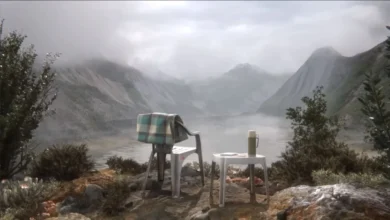
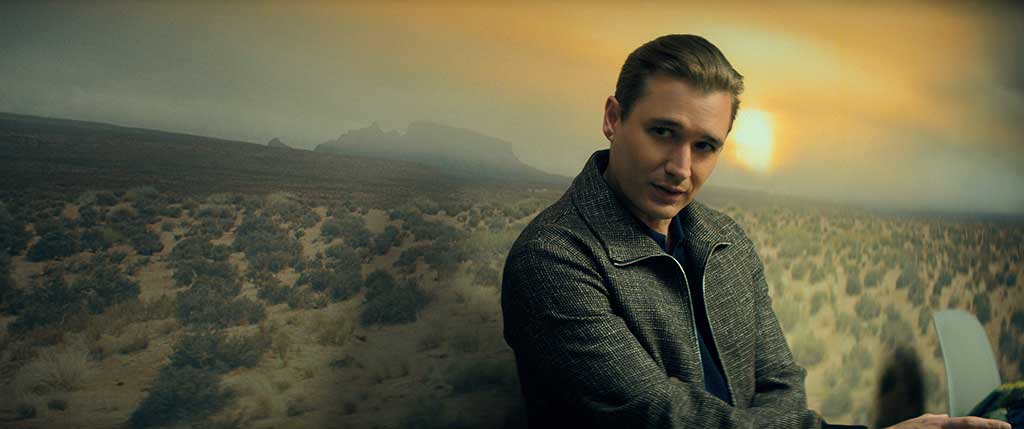
A fundamental aspect of grounding the fantastical elements of The Boroughs was the meticulous creation of a believable and inviting setting. The luxury retirement community in New Mexico needed to feel like a real place, worth fighting for. DeMarco emphasized this, stating, "Will and Jeffrey wanted the town to feel integral to the story, and that had to be a real place that the seniors wanted to fight for." This sense of place was meticulously constructed through a unique architectural mashup, blending 1950s mid-century modern design, reminiscent of Palm Springs houses, with Southwestern elements like adobe structures and a central town square. To further enhance authenticity, a "plant bible" was developed, detailing the specific flora native to New Mexico and the Southwest, ensuring environmental accuracy.
Director of Photography Matthew Jensen played a pivotal role in establishing the visual language of the series. His preference for slightly softer lenses and specific lens treatments was incorporated early in the production. Rigorous testing ensured these choices worked harmoniously with the visual effects pipeline. Jensen and the showrunners also championed an "in-camera" approach wherever possible, limiting the reliance on extensive post-production fixes. This philosophy necessitated comprehensive pre-production planning. Pixomondo, one of the contributing VFX studios, developed an asset in Unreal Engine, allowing the team to previs scenes, determine what could be captured practically, where set extensions would be needed, and where additional physical sets could be built. DeMarco explained, "That allows for more magic and spookiness later because you’re not trying to fix every frame. The visual effects were more intentional." This strategic blend of practical and digital elements is a hallmark of the Amblin aesthetic, where tangible effects often enhance the immersion.
Bringing the Otherworldly to Life: The Creature Design and Animation
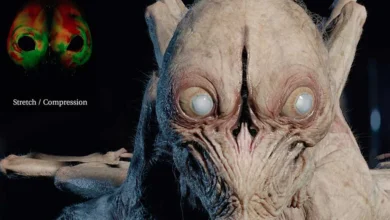
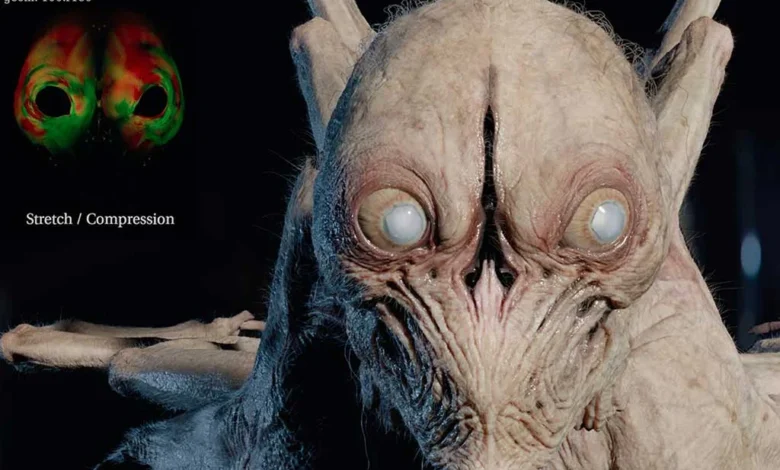
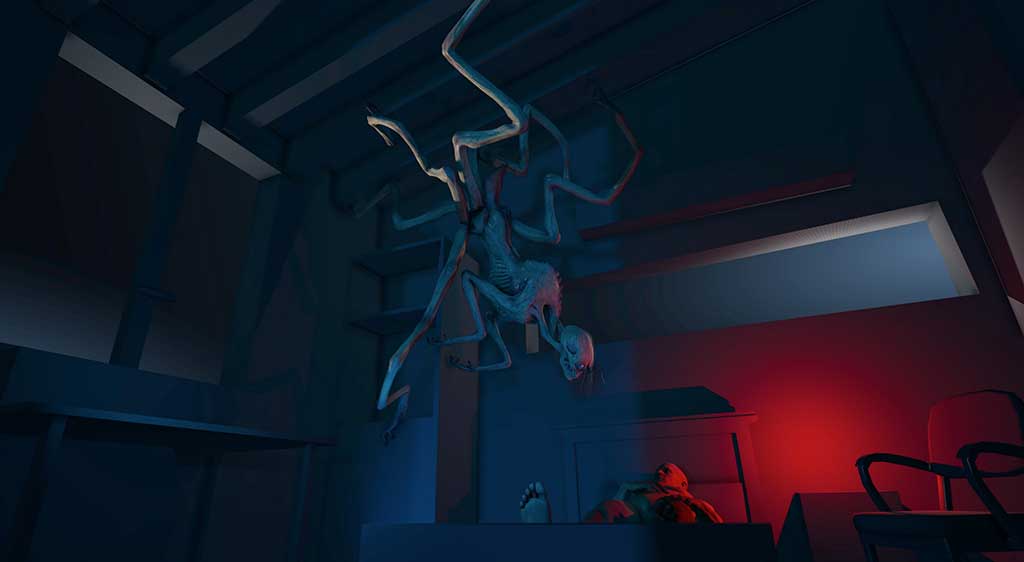
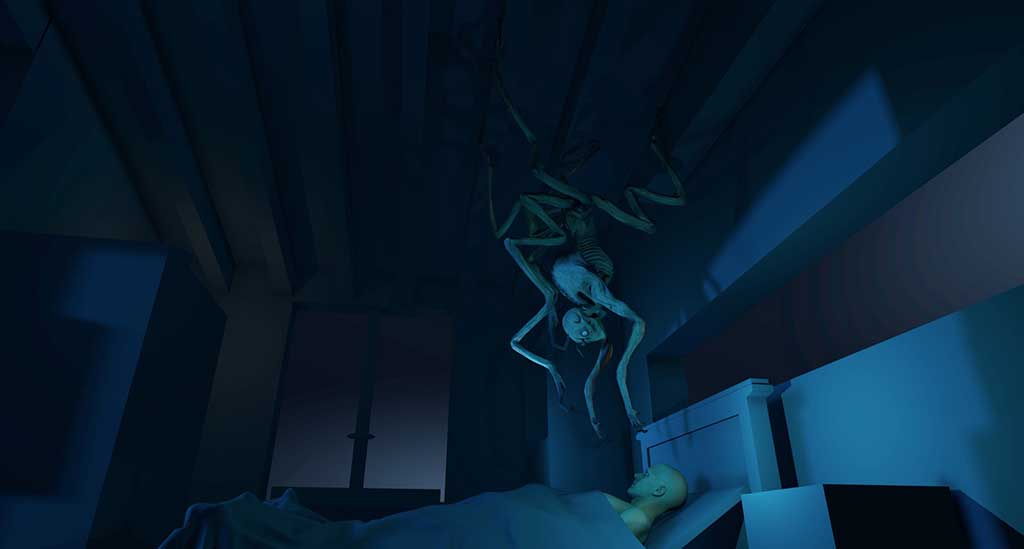
Central to the otherworldly threat in The Boroughs is a unique creature, referred to as "Mother," whose design and animation presented significant challenges and opportunities for innovation. The creature needed to convey both an ancient, frail quality and a surprising agility. DeMarco revealed, "It had to feel old, with thin skin, hair and liver spots, and have trouble moving." Extensive discussions focused on animation nuances, particularly how the skin would "wobble and react." To achieve this, the team even studied an elderly ballerina in her 70s to understand how musculature would be defined while still exhibiting skin laxity. The goal was to create an ancient being that audiences could ultimately sympathize with, charting an arc from terrifying to childlike.
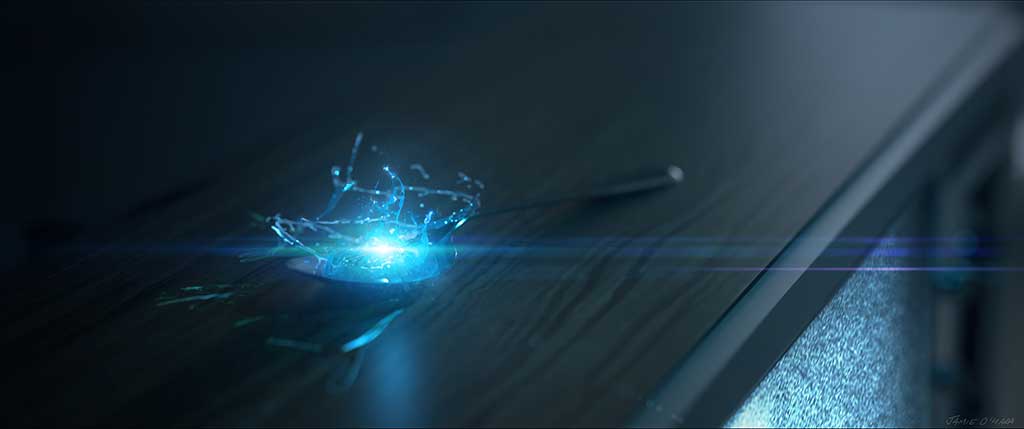
The design process began with concept artist Jerad Marantz (Doctor Strange in the Multiverse of Madness) focusing on the creature’s initial appearance. This was followed by visual effects concept artist Jamie O’Hara, who helped create keyframes to guide the animation. A crucial part of the workflow involved previsualization (previs) and postvisualization (postvis) facilitated by Industrial Light & Magic (ILM). Sets were scanned using Polycam, and these scans were sent to ILM to previs the creature within the scenes, informing on-set shooting decisions. Postvis, conducted by ILM after principal photography, essentially served as blocking animation, streamlining the process.
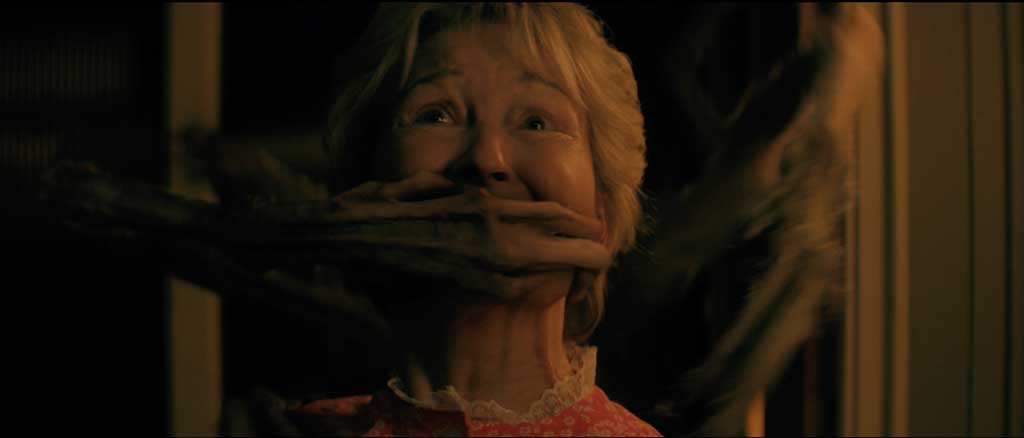
The creature’s eight limbs, with six of them featuring five segments each, added immense complexity to its movement. ILM London spearheaded the animation, developing a distinctive style dubbed "geriatric parkour." This unique approach allowed the creature to move in ways that suggested its age and physical limitations while also demonstrating unexpected bursts of agility, such as emerging from an oven, moving along the ceiling, and lowering itself onto the seniors. To facilitate realistic interactions on set and provide accurate lighting references, Onyx Forge Studio crafted a range of practical props, including tiny hands for actors to interact with, a stand-in proboscis, a bust for early lighting reference, and a full-size creature for the finale sequence. This hybrid approach allowed for seamless integration of the digital creature with the live-action performances.
Strategic VFX: A Symphony of Practical and Digital Effects
The series boasted just under 1,200 visual effects shots across its eight episodes, a testament to the intricate work undertaken by leading studios including ILM, Framestore, Ghost VFX, Crafty Apes, and Platige. This extensive visual effects effort was carefully planned to be intentional, rather than purely corrective.
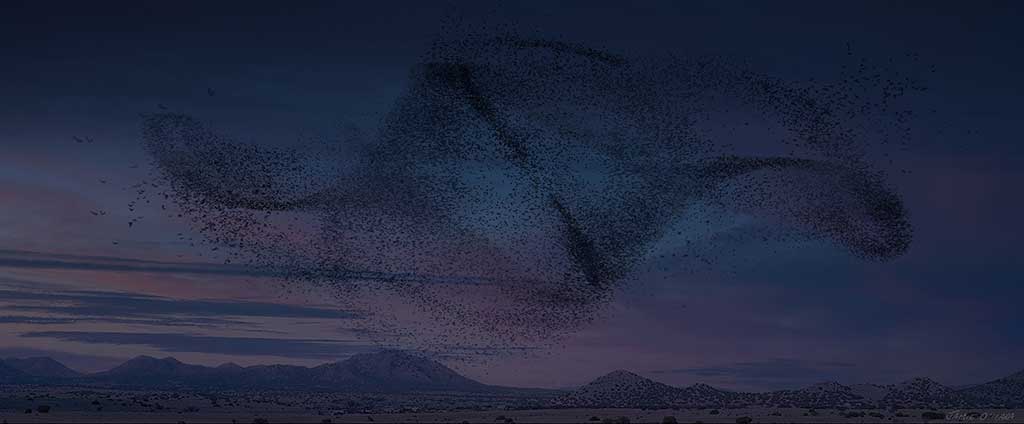
One of the most complex visual challenges involved a crow murmuration. While real crows do not typically form such elaborate patterns, the narrative required a large bird flock to move in a complicated, story-driven manner, culminating in their mass demise. DeMarco recounted, "The crow murmuration was probably the most complicated series of shots to finish because it’s an odd thing… Additionally, the crows had to both die en masse and tell a story." While two trained crows, including one named Shadow, were used on set for specific beats, many shots, especially those requiring precise performance or large-scale flock dynamics, necessitated full CG replacement and intricate animation.
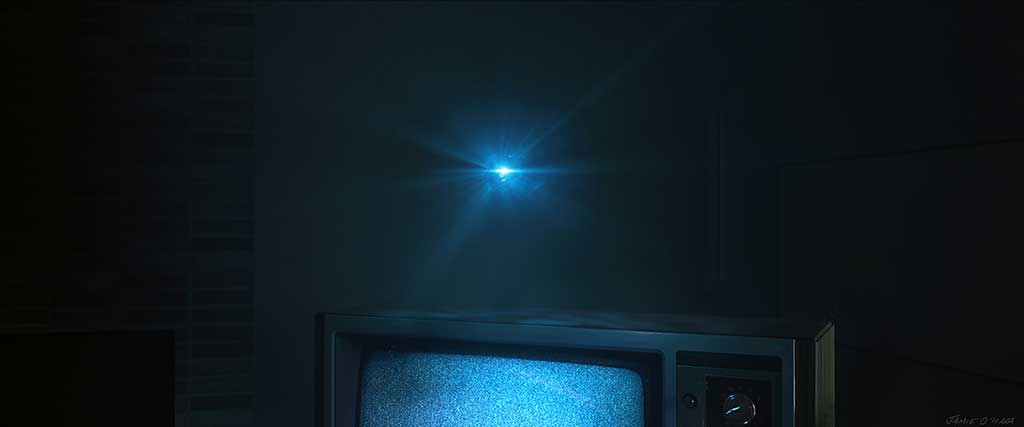
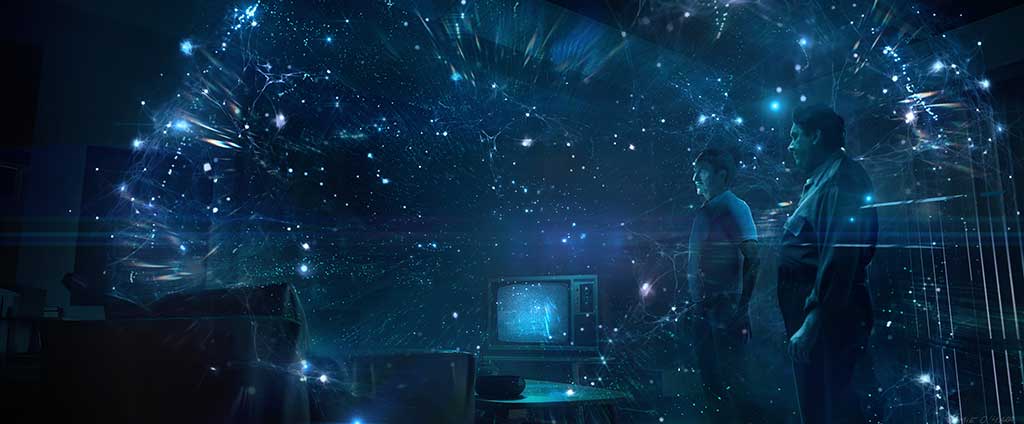
Another significant visual element was the "glitching" effect, particularly during protagonist Sam Cooper’s (Alfred Molina) hallucinations, which are depicted as communications from "Mother." These glitches, often tied to old television sets, were designed to mimic the language of malfunctioning vintage TVs. DeMarco noted, "It’s meant to be a communication from Mother… We added a few glitches to the moments that are supposed to be like a transmission using Sam’s language. Sam loves old TVs. We added grain and all kinds of great stuff to the assets that needed it." This aesthetic choice not only served a narrative purpose but also reinforced the nostalgic 80s vibe.
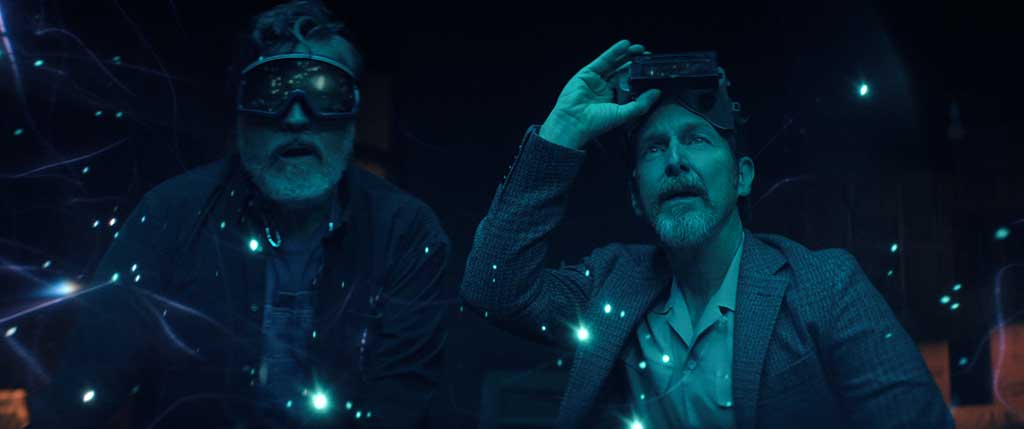
Television sets themselves were crucial visual and narrative elements. Some on-set TVs were functional, displaying footage, while others featured milk or dark glass to allow for reflections or to serve as self-contained lighting sources. For the dramatic explosion at the end of Episode 102, which resembles a star map, extra white lights were brought in and synchronized with the performance. The lighting department created a "funky, multicolored, glowing hammer" prop for concentrated energy, complemented by overall blue lighting with a subtle flicker. Visual effects enhanced this with additional caustics and breakup, creating a "handshake between in-camera lighting and visual effects enhancement." Art direction ensured that actors’ faces remained clear amidst the swirling magic, demonstrating a thoughtful integration of effects and performance. The variable flicker and increasing power of the TV lights were pre-programmed to align with story beats, triggering changes in the monsters, while all static was visual effects compositing, and much of the glow was VFX enhancement.
Iconic Moments Reimagined: Stunts and Character Transformations
The series also features thrilling action sequences and unsettling character transformations. Academy Award-winning actress Geena Davis, portraying Renee, remarkably recreated an iconic moment from her film Thelma & Louise, driving a car off a cliff. DeMarco praised Davis’s commitment: "Gina, as a human and an actor, wants Renee to kick ass and take names, so she was all-in on doing as much of that scene herself as she could." Most of the scene, including wrestling and car interaction, was filmed with Davis and a static car for safety. For the actual car plunge, a dummy was initially used, but through a clever blend of motion control and compositing, the dummy was replaced with actor Eric Edelstein (Hank) to ensure a realistic portrayal of the character being flung from the vehicle. This "super win for visual effects" highlighted a meticulously planned and executed digital face replacement, a rare feat often overshadowed by last-minute digital doubles.
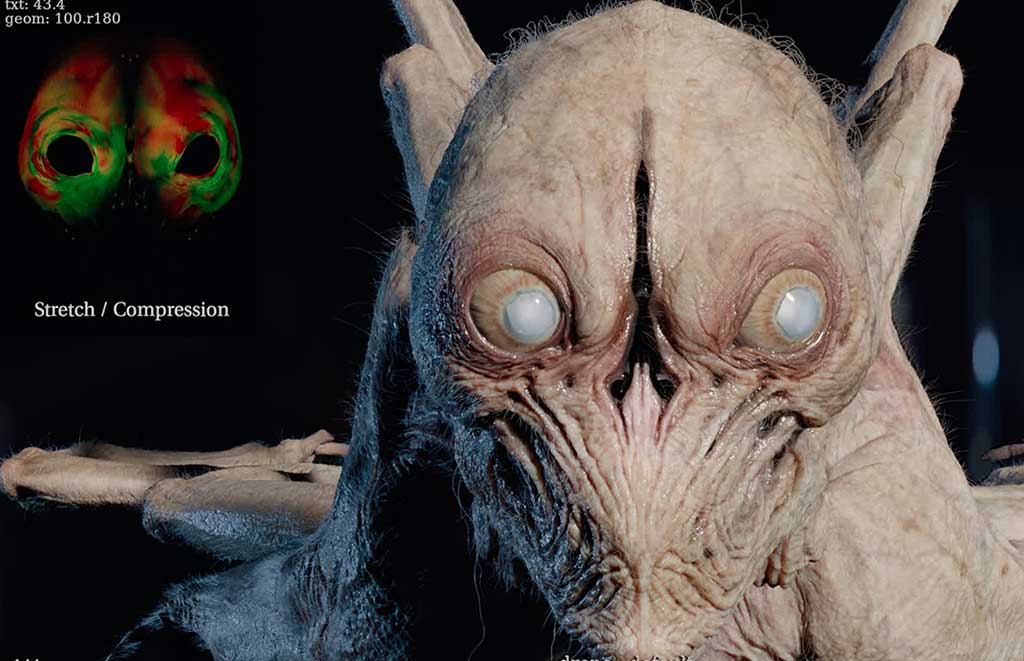
The monstrous transformations, where human skin melts away to reveal the underlying creature, were dubbed "monster-y" by the team. These transformations began with prosthetic builds for the monster faces, which were then enhanced with visual effects. The showrunners wanted the wounds to appear "wet" and "painful," requiring shot sculpting to achieve fresh, visceral cuts. Actors were filmed in both their human and monster states, and ILM London was responsible for choreographing the transition. Visual Effects Supervisor Steve Ellis (ILM) envisioned the skin peeling away, complete with "little flecks of skin in the other particulate that go away. It’s gross!" This attention to gruesome detail underscores the series’ commitment to its horror elements.
Constructing the "Boroughs": An Expansive Digital Landscape
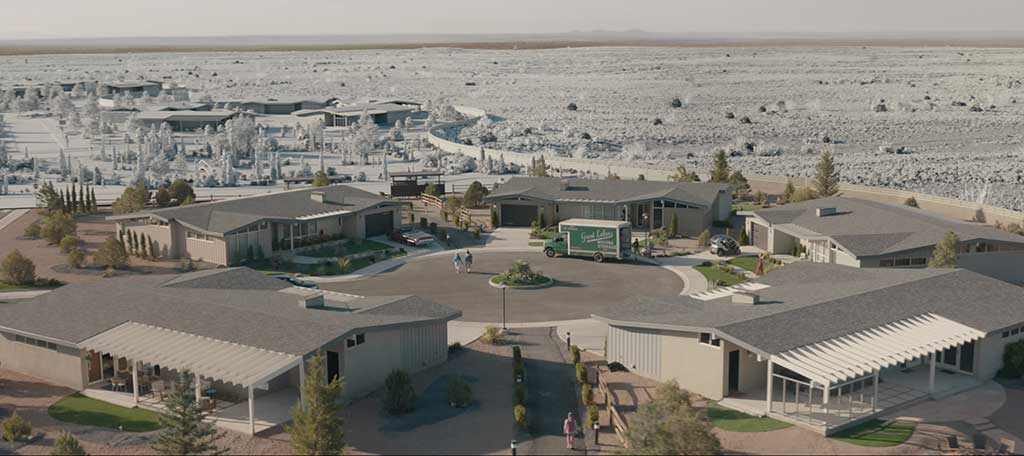
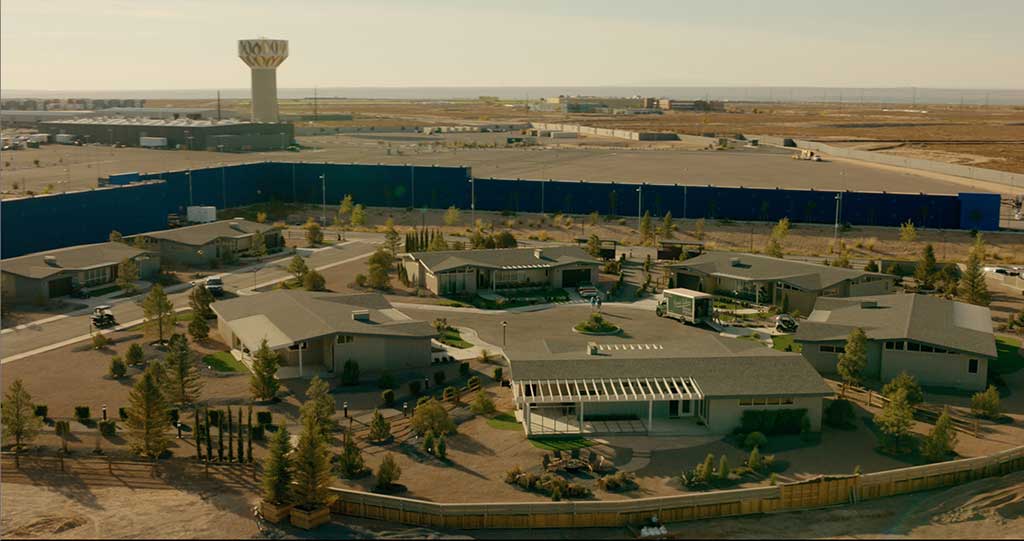
The overall world-building extended beyond individual sets to encompass the entire luxury retirement community. Eight major sets were scanned, but the most significant world-build was the expansive view from the hero cul-de-sac. The physical filming location featured five houses in a circle and three at the end of a row, surrounded by bluescreens and fencing. VFX artists painstakingly created the panoramic view of the town from Sam’s house, which was depicted as two miles across from the main settlement. A full CG city was meticulously placed into a golf course plate—which, surprisingly, was filmed during a snow day and transformed into a warm, sunny environment. This digital town integrated all the filming locations, including the manor, headquarters, town square, and mortuary, positioning them accurately on the map to create a cohesive and believable environment. The skies of New Mexico, known for their constant changes, were also digitally manipulated to ensure consistent sunny and warm moods, reinforcing the idyllic facade of the community.
The Future of Blended Storytelling
The Boroughs exemplifies the evolving landscape of television production, where sophisticated visual effects are seamlessly integrated into storytelling from the earliest stages of development. The series showcases how a clear creative vision, coupled with advanced pre-production tools like Unreal Engine and Polycam, and the expertise of multiple leading VFX studios, can bring complex fantastical worlds to life. By honoring the spirit of 1980s Amblin Entertainment while leveraging cutting-edge technology, The Boroughs aims to deliver a unique, multi-generational adventure that balances horror and humor, proving that even in a digital age, the magic of filmmaking lies in the intentional fusion of imagination and technical mastery. The strategic choice to prioritize in-camera effects and use VFX for enhancement rather than correction further solidifies its commitment to a tangible, immersive viewing experience.