Fujifilm unveils the instax mini Evo 2 hybrid instant camera to redefine the intersection of digital and analog photography

The landscape of instant photography has undergone a significant transformation over the last decade, shifting from a niche hobby for analog enthusiasts to a mainstream cultural phenomenon. Fujifilm, the primary architect of this resurgence, has consistently leveraged its heritage in film chemistry to bridge the gap between digital convenience and the tactile satisfaction of physical prints. With the announcement of the instax mini Evo 2, the company is signaling its intent to further consolidate its market dominance by introducing advanced features that cater to a generation of creators who demand both high-fidelity digital control and the immediate gratification of a "hard copy" photograph.
Scheduled for a late November 2026 market release, the instax mini Evo 2 arrives as a successor to one of the most successful hybrid cameras in the company’s history. Priced at an MSRP of $289.95 USD and $379.99 CAD, the device is positioned as a premium offering within the instax ecosystem. By blending a digital imaging sensor with the mechanical printing capabilities of the instax mini film format, the Evo 2 aims to solve a perennial problem for mobile photographers: the "digital graveyard," where thousands of photos reside on cloud servers, never to be viewed again.
A Chronology of the Instax Evolution
The trajectory of the instax line is a case study in modern product strategy. While the photography market saw a sharp decline in point-and-shoot camera sales following the ubiquity of smartphones in the early 2010s, Fujifilm took a counterintuitive approach. Rather than abandoning physical media, the company doubled down on it.
The original instax mini Evo, released to significant acclaim in late 2021, served as a proof of concept for the hybrid model. It allowed users to select their best shots from a digital preview before committing to a physical print, effectively eliminating the wasted film costs that once plagued the medium. This move proved vital in attracting younger demographics—specifically Gen Z—who were simultaneously discovering the "aesthetic" value of film and the convenience of smartphone-integrated workflows.
By 2023, industry analysts noted that instax sales were a primary driver of Fujifilm’s imaging division revenue, often outperforming the company’s high-end professional mirrorless camera lines in terms of sheer volume. The announcement of the Evo 2 represents the next phase of this strategy: adding sophisticated "creativity-first" features that turn the camera from a novelty gadget into a legitimate tool for visual storytelling.
Advanced Technical Features and User Experience
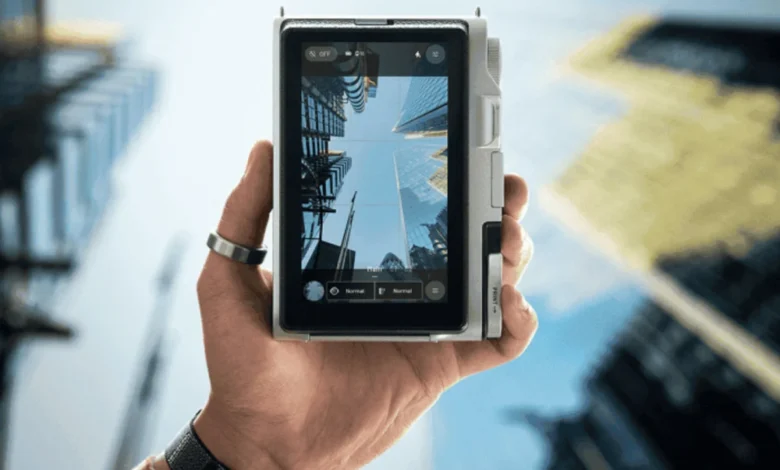
The most immediate change in the instax mini Evo 2 is the incorporation of a 4.5-inch LCD touchscreen. In the context of instant photography, this is a substantial upgrade. The larger display allows for finer control over exposure settings, film simulations, and digital filters, providing users with a more tactile, professional-grade interface.
Beyond the hardware, two new software-driven features stand out: the "instax Expanded View" and the "instax Immersive Movie."
The Expanded View is designed to combat the "tunnel vision" that can occur with fixed-lens cameras. By utilizing an on-screen framing guide, the camera provides a broader field of view than what is captured in the final frame. This empowers photographers to compose their shots with more context, ensuring that the subject sits perfectly within the frame while allowing the user to see the surrounding environment before the shutter is pressed. It is a pedagogical tool disguised as a feature, teaching users the fundamentals of composition.
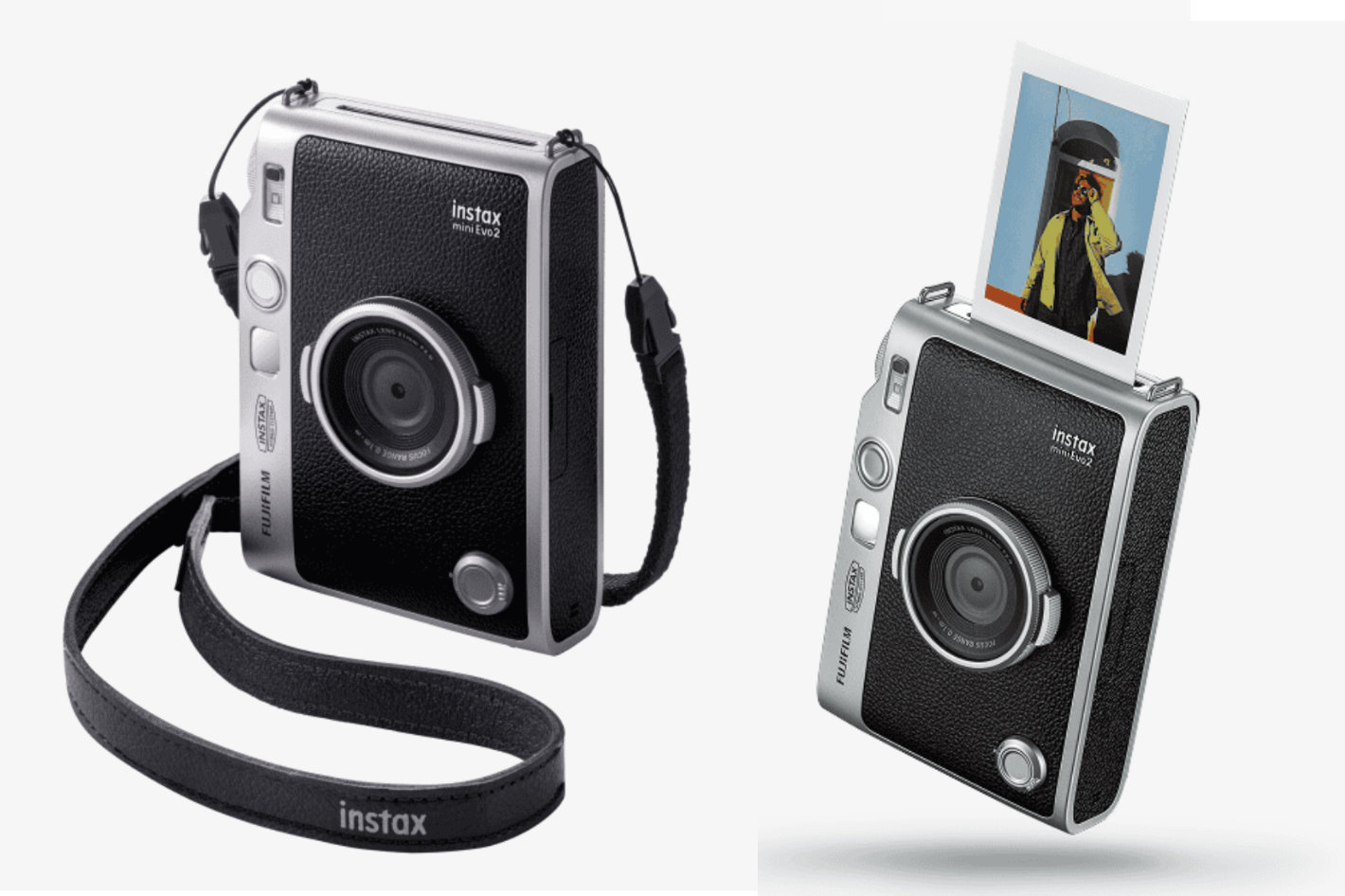
The Immersive Movie feature is perhaps the most significant departure from traditional instant camera logic. By capturing the four seconds of video leading up to a still shot, the camera archives the "atmosphere" of the moment. In an era where short-form video content dominates social media, this hybrid approach—pairing a physical print with a digital "memory fragment"—positions the Evo 2 as a device designed for the multi-platform era. It allows a user to hold a printed photo in their hand while retaining a digital record of the laughter, motion, or silence that preceded it.
Official Perspectives and Market Positioning
Bing Liem, the division president of the Imaging Division at FUJIFILM North America Corporation, emphasized that the development of the Evo 2 was largely informed by the feedback loop between the company and its user base. "The instax Evo line remains an incredibly popular part of the instax product family," Liem stated. "It made perfect sense to take everything about the original Evo that made it great and enhance it even further. The Evo 2’s new features give creators even more options for both still photography and video, creating a meaningful, immersive creative experience."
From a strategic standpoint, Fujifilm is effectively insulating itself against the rise of sophisticated smartphone AI photography. By focusing on the "process" rather than just the "result," the company is selling an experience. The decision to release the camera in November is also calculated, placing the product in the center of the holiday retail season, where it is likely to be marketed as both a lifestyle accessory and a high-end gift.
Broader Implications for the Photography Industry
The release of the instax mini Evo 2 holds broader implications for the photography industry. First, it demonstrates that there is still a robust demand for physical artifacts in a digital world. The success of the instax line proves that consumers are willing to pay a premium for the tangibility of a printed photo.
Second, the integration of digital-to-analog features suggests a convergence. Professional photographers, who have historically been skeptical of instant cameras, are increasingly finding value in these devices for on-the-spot networking, behind-the-scenes documentation, and client deliverables. The hybrid nature of the Evo 2—which allows for the digital saving of files while providing an instant, physical print—offers a versatility that neither pure film nor pure digital can match on their own.
However, the product also faces challenges. As the price point approaches the $300 threshold, the Evo 2 moves into a territory where it competes with entry-level mirrorless cameras and high-end smartphone lenses. Fujifilm’s challenge will be to continue convincing consumers that the "instax experience"—the act of waiting for the chemical development of the film, the unique color science of the instax print, and the physical collection of images—is worth the investment over the instantaneous, free digital sharing provided by modern mobile devices.
Economic Context and Sustainability
The sustainability of the instax business model is also a frequent topic of discussion. Unlike digital-only cameras, the instax model relies on a recurring revenue stream through film packs. This "razor and blades" model is highly effective for long-term profitability. By introducing a camera that encourages more experimentation, Fujifilm is not just selling hardware; it is securing a long-term commitment to its film production lines.
Furthermore, as the company scales its operations to meet global demand for the Evo 2, supply chain logistics will be critical. The transition from the original Evo to the Evo 2 involves a refined manufacturing process that necessitates higher precision in the electronics assembly. If the company can maintain the build quality of its predecessor while integrating the larger display and new software, it will likely sustain its lead in the hybrid market.
Conclusion
The Fujifilm instax mini Evo 2 is more than an iterative update; it is a refinement of a philosophy. By prioritizing the "story" behind the photograph, Fujifilm is tapping into a deep-seated human desire to preserve memories in a way that feels permanent and intentional. As the release date approaches, the industry will be watching to see if this marriage of 21st-century digital connectivity and mid-20th-century analog charm continues to command the attention of the modern creator. Whether it is used for casual snapshots or as a component of a professional’s creative toolkit, the Evo 2 stands as a testament to the enduring power of the printed image in an age of ephemeral content.