The Complete Guide to Navigating the 2026 Black Friday Social Media Landscape and Early Holiday Shopping Shifts

The commercial landscape surrounding the traditional holiday shopping season is experiencing a fundamental structural shift, with preparations for Black Friday commencing earlier each year. Driven by macroeconomic pressures, shifting consumer behavior, and the rapid expansion of social commerce, digital platforms have officially established themselves as primary destinations for holiday gift discovery. According to recent industry data from a Q3 2026 Sprout Social Pulse Survey, 78% of consumers report planning to use social media platforms as much as, or more than, they did in previous years to research and purchase holiday gifts.

This transformation marks a turning point in retail marketing. Social media is now tied directly with physical retail stores as a top choice for gift discovery, with 46% of consumers identifying social channels as their primary source of inspiration. As economic headwinds challenge household budgets, modern shoppers increasingly turn to digital networks to source reliable deals, compare prices, and evaluate brand trustworthiness. Consequently, retailers are forced to abandon last-minute marketing approaches in favor of comprehensive, early-season digital strategies.
Macroeconomic Pressures and Shifting Consumer Sentiment
The urgency behind early holiday shopping is not merely a preference for convenience; it is a calculated response to broader economic anxieties. Survey data indicates that 69% of respondents harbor distinct concerns regarding rising prices driven by tariffs and global trade adjustments. To mitigate these anticipated expenses, 36% of shoppers have initiated their holiday purchasing cycles significantly earlier to bypass potential tariff-related price surges. Concurrently, 56% of consumers intend to reduce their overall holiday spending compared to previous years due to ongoing financial constraints.
These compounding pressures create a highly competitive environment for brands and merchants. Earning consumer trust requires substantial strategic effort well ahead of the traditional November holiday window. Furthermore, consumer expectations regarding digital interactions have evolved. Nearly a quarter (23%) of survey respondents emphasize that the quality of a company’s social media customer service directly influences their purchasing decisions during the holiday season. A matching percentage highlights the necessity of original, highly engaging holiday-specific content as a differentiator in a saturated marketplace.
To navigate these challenges successfully, brands are deploying diversified social media campaigns tailored to specific consumer segments, leveraging influencer partnerships, executing targeted giveaways, and integrating omnichannel activations.
Chronology and Evolution of the Modern Shopping Weekend
What once constituted a single-day, brick-and-mortar retail event on the Friday following Thanksgiving has organically evolved into a multi-day digital shopping marathon. The modern commercial cycle now spans several distinct phases, beginning with early-bird social media promotions in October, accelerating through Black Friday, incorporating Small Business Saturday, extending into Cyber Monday, and culminating in charitable initiatives like GivingTuesday.
Retailers have adapted their timelines to match this extended calendar. Rather than dropping promotional assets on Thanksgiving evening, brands routinely launch teaser campaigns weeks in advance. This extended timeline allows companies to conduct A/B testing on creative assets, secure necessary micro-influencer partnerships, and build robust retargeting funnels before consumer attention becomes fragmented by competing advertisements.
Key Strategies for Social-First Holiday Campaigns
Industry analysts and brand strategists emphasize several proven post formats and tactical approaches designed to maximize engagement and conversion rates during the Q4 shopping rush.
Influencer Collaborations and Micro-Targeting
Partnering with content creators allows brands to connect authentically with high-intent niche audiences. Rather than focusing purely on macro-influencers with massive follower counts, successful campaigns increasingly leverage micro-influencers who boast high discoverability and deep community trust within specific demographics.

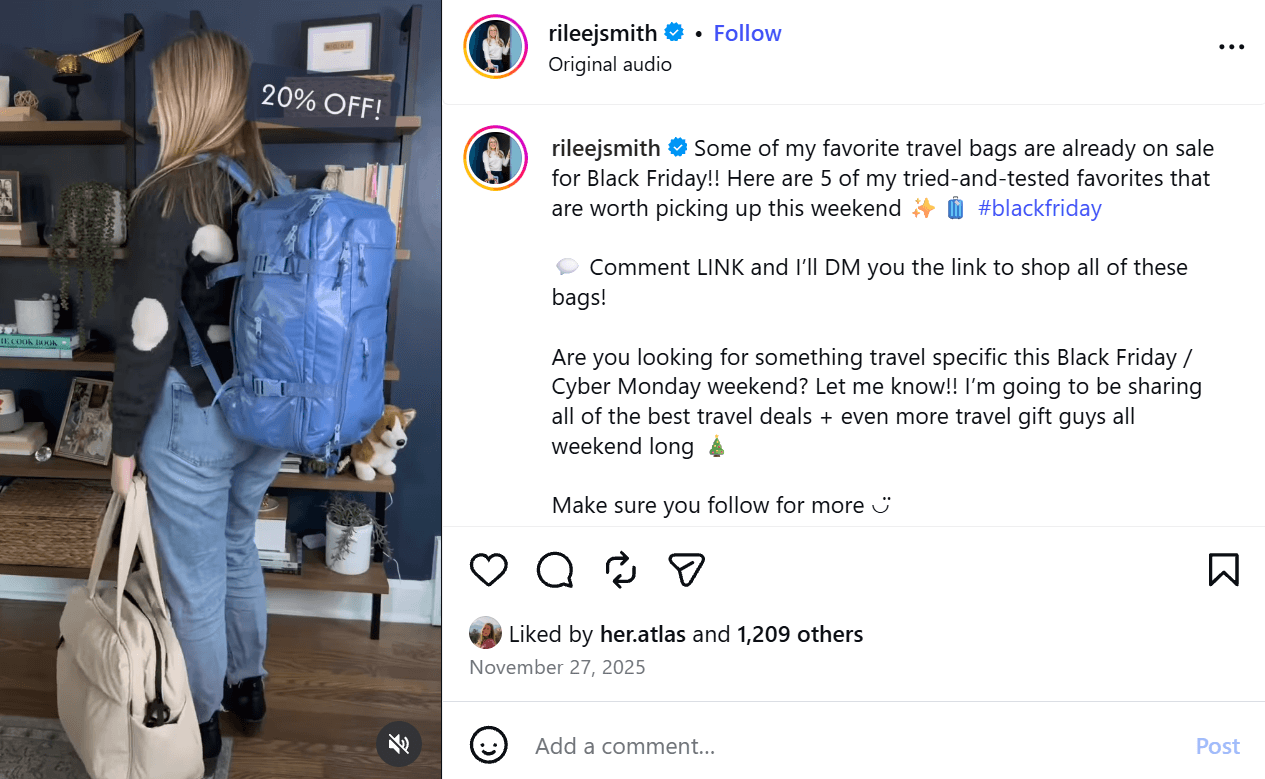
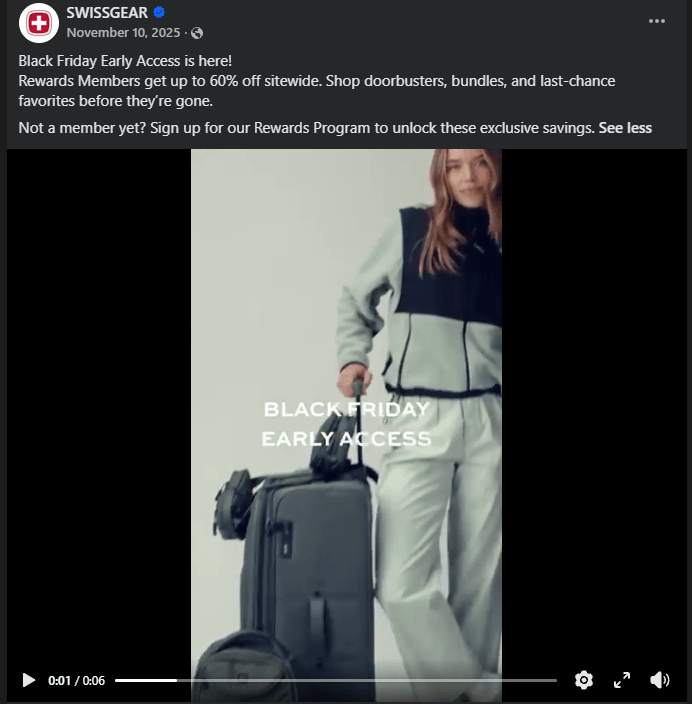
Promo codes distributed via trusted creators remain among the most influential drivers of consumer behavior. Data indicates that 30% of shoppers consider influencer-shared discount codes to be the single most potent factor influencing their holiday purchasing decisions. For example, travel and lifestyle influencers frequently partner with luggage and accessory brands to demonstrate products in real-world scenarios, coupling visual proof with exclusive promotional discounts to track direct campaign return on investment (ROI).
Giveaways, Contests, and Scarcity Marketing
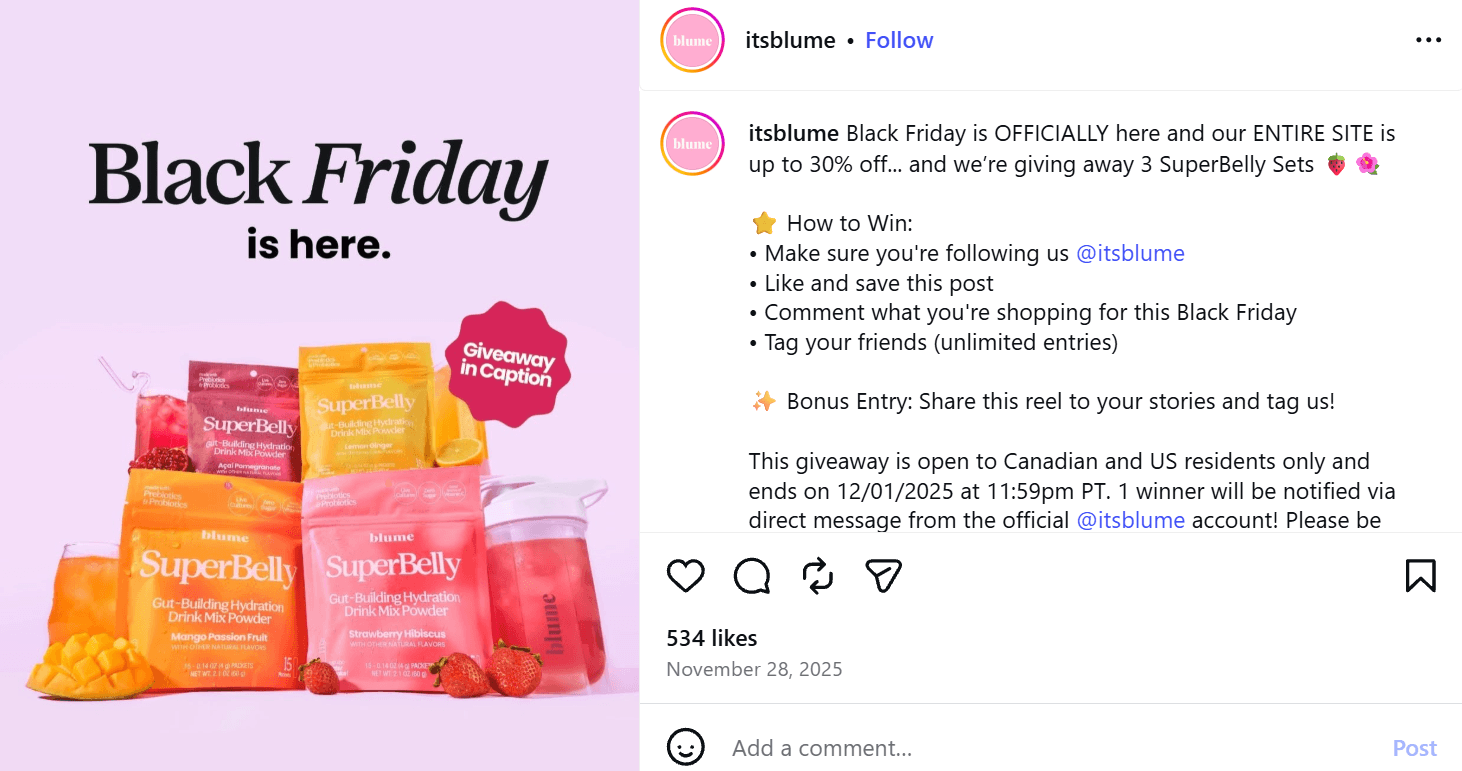
Giveaways and interactive contests serve as effective mechanisms for capturing consumer attention, expanding follower bases, and boosting organic engagement. By tying merchandise giveaways to specific social actions—such as tagging friends or sharing posts—brands amplify their overall visibility.
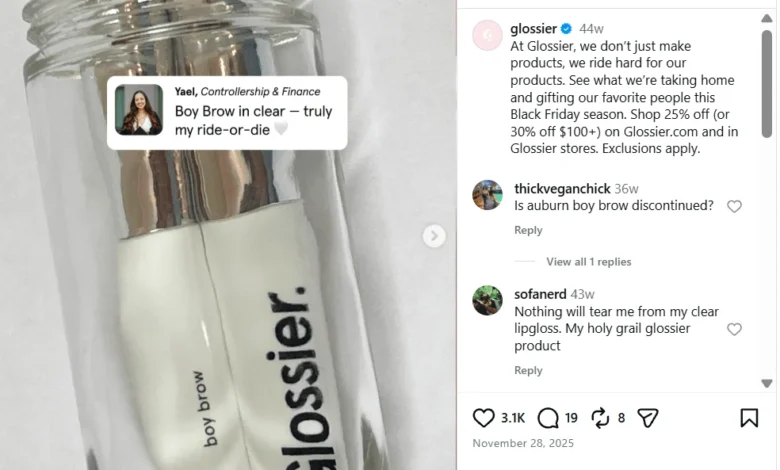
Creative variations of traditional scarcity marketing have also proven successful. Retailers frequently blend physical retail incentives with digital promotions, such as limiting exclusive merchandise bundles to early-arriving loyalty program members. These activations generate user-generated content (UGC) as elated customers organically record unboxing videos and share their experiences across platforms like TikTok and Instagram, providing authentic social proof that money cannot buy.
Omnichannel Integration and Brand Consistency
Because modern consumers rarely rely on a single platform, effective campaigns utilize a multichannel approach. Shoppers routinely cross-reference items across TikTok, Instagram, Pinterest, Reddit, and traditional digital channels before making a final purchase. Brands that maintain a unified, seamless customer experience—integrating social media ads, interactive chatbots, responsive email marketing, and physical store touchpoints—successfully capture fragmented consumer attention and reduce friction in the purchasing journey.

Community-Centric Initiatives and Social Responsibility
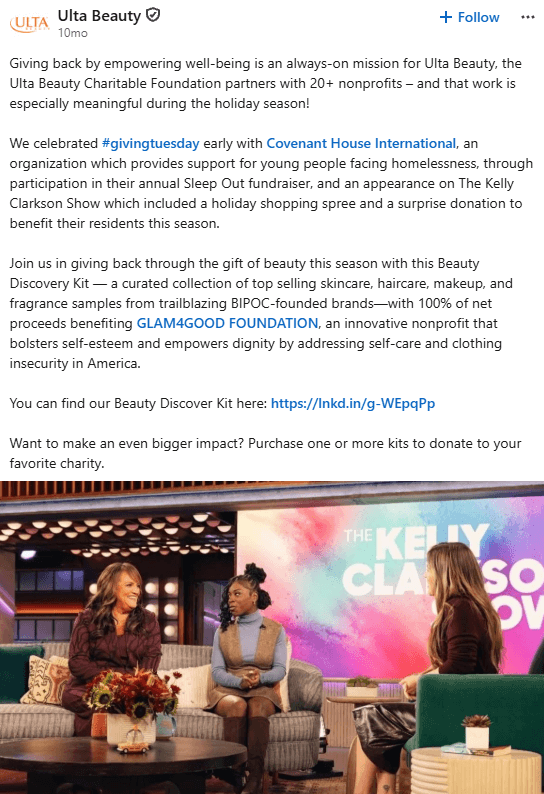
Brand communities built on shared values often evolve into passionate brand advocates. Capitalizing on this dynamic involves aligning promotional strategies with causes that matter to the audience. Initiatives that bridge Black Friday consumerism with philanthropic efforts—such as participating in GivingTuesday by offering dedicated product bundles that support charitable foundations—help brands demonstrate corporate social responsibility while deepening emotional connections with their consumer base.
Implementation Guidelines and Actionable Marketing Tips
Executing a cohesive holiday campaign requires meticulous planning across several operational pillars:
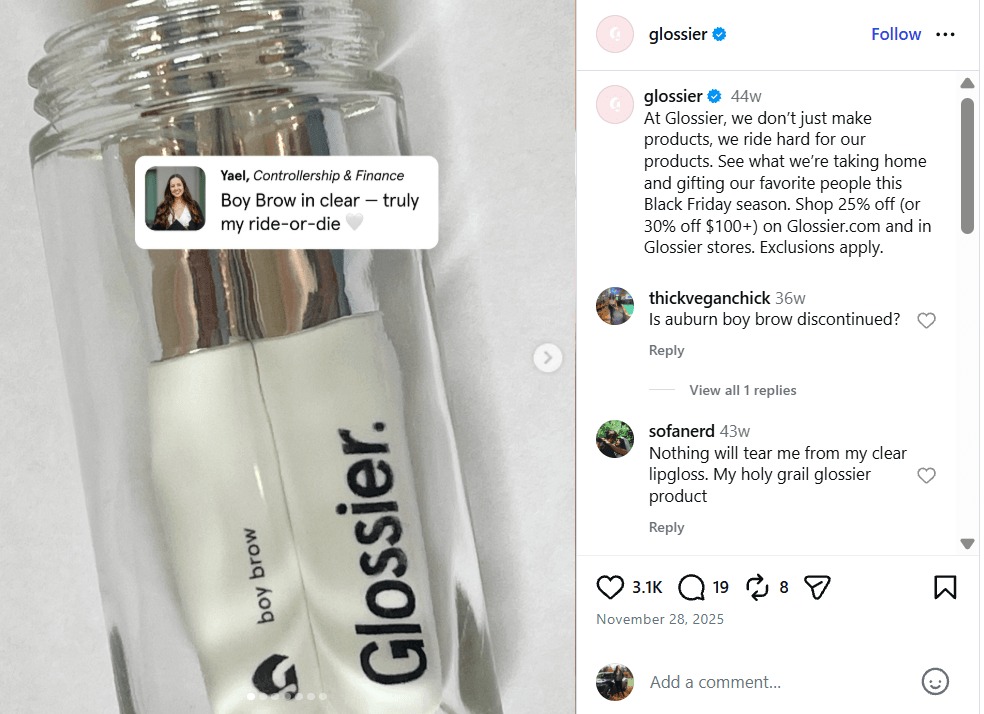
- Early-Bird Opt-Ins: Brands are encouraged to capture audience interest early by offering exclusive discount codes in exchange for social media follows or email newsletter subscriptions, effectively widening the remarketing funnel before peak shopping days arrive.
- Data-Driven Creative Testing: Marketers should initiate A/B testing well in advance of November to compare the performance of short-form video content against static graphics, allocating advertising budgets toward the formats generating the highest engagement and positive sentiment.
- Advanced Creator Vetting: Utilizing artificial intelligence and semantic search tools allows marketing teams to identify relevant creators whose historical content matches specific campaign themes, ensuring authentic alignment between the influencer and the brand.
- Digital Profile Optimization: Refreshing profile imagery with seasonal branding and ensuring that "link-in-bio" tools direct users straight to active holiday sales pages can significantly reduce friction for prospective buyers.
- Customer Service Automation: With up to 38% of consumers expecting brand responses on social media within one to two hours during the holidays, implementing automated messaging tools and AI-driven ticketing systems is essential for maintaining high customer satisfaction and preventing team burnout.
- Audience Segmentation: Rather than deploying uniform messaging, brands with diverse product lines must tailor distinct promotional content to separate market segments based on individual consumer preferences and past purchasing habits.
- Comprehensive Performance Measurement: Post-campaign analysis utilizing automated reporting tools ensures that brands can accurately measure reach, engagement, and conversions, establishing a data-backed foundation for future holiday planning cycles.
Broader Economic Implications and Industry Outlook
The maturation of social commerce during the 2026 holiday season underscores a permanent shift in retail economics. As consumer price sensitivity remains elevated due to global trade adjustments and inflation, digital platforms have democratized access to comparison shopping and direct-to-consumer deals.
For retailers, the implication is clear: social media is no longer merely a brand-awareness channel or an auxiliary marketing afterthought. It has transformed into a critical transactional environment where customer service quality, authentic community engagement, and rapid responsiveness dictate commercial success. Companies that successfully integrate data-driven insights, automation, and human-centric storytelling into their holiday strategies are best positioned to secure consumer loyalty and achieve sustainable revenue growth well beyond the Q4 shopping window.
Related posts: