Mastering the Art of Portrait Cropping: A Definitive Guide to Professional Framing Techniques

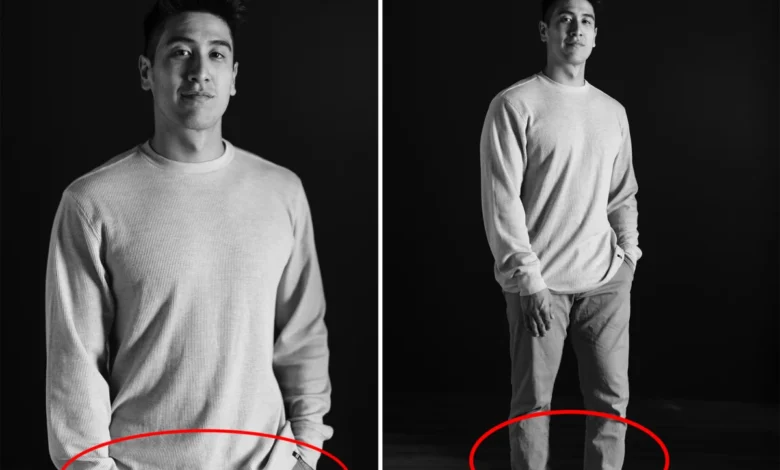
The fundamental challenge of portrait photography often lies not in the camera settings or the lighting, but in the final composition—specifically, where the photographer chooses to crop the human form. Improper cropping can create jarring visual artifacts, such as the appearance of missing limbs or an unintended sense of anatomical distortion. For both amateur and professional photographers, understanding the geometry of the human body is essential to producing high-quality imagery that maintains the structural integrity of the subject.
The Anatomy of Composition: Avoiding Joint Crops
One of the most pervasive errors in portraiture is the tendency to crop at the body’s natural joints. In a professional studio environment, this practice is generally avoided because it creates an optical illusion of amputation. When a frame cuts directly through the ankles, knees, or elbows, the brain perceives the subject as having incomplete anatomy.
A comprehensive analysis of body mechanics in photography reveals that the eye naturally seeks continuation. When a limb is severed at a joint, the viewer’s focus is drawn to the lack of transition. According to industry standards established over decades of portrait practice, photographers should aim to crop either above or below the joints—for example, mid-calf or mid-thigh—to create a more natural visual flow. This principle extends to the neck, shoulders, and wrists. By cropping through the limbs rather than the junctions, the photographer ensures that the subject’s silhouette remains robust and complete within the frame.

The Science of Tapering and Visual Slimming
Beyond the avoidance of joints, the concept of "tapering" plays a crucial role in how a subject is perceived. The body is not a uniform cylinder; it possesses natural curves and narrowing points. Professional portraiture utilizes these points to guide the viewer’s eye and influence the perceived proportions of the subject.
When a crop is made at a widening point—such as the upper arm or the thigh—it can inadvertently make the subject appear wider than they are. Conversely, cropping at a narrowing or "tapering" point creates a slimming effect. This is a deliberate technique used to enhance the aesthetic appeal of a portrait.
However, there is a nuance in gender-specific portraiture. While slimming effects are generally preferred for female subjects to align with conventional beauty standards, the photography of male subjects often prioritizes a sense of "presence" and authority. Consequently, photographers may intentionally allow shoulders to broaden as they exit the frame to emphasize strength and stature. This distinction underscores the importance of intent; a crop is never merely a technical choice, but a stylistic one that conveys specific character traits.
Chronology of Photographic Composition Trends
The evolution of portrait composition has shifted significantly with the advent of digital photography and social media. In the early 20th century, portraiture was heavily influenced by formal portrait painting, where full-body or half-body shots were standard. The constraints of film, which were often costly, led to a more rigid adherence to traditional framing.

With the rise of the digital age in the early 2000s, the ability to rapidly review and adjust compositions allowed for greater experimentation. By 2010, the proliferation of high-resolution sensors enabled photographers to shoot wider and crop in post-production, a technique that remains controversial among purists but is widely accepted in commercial work. Today, the prevalence of mobile platforms—such as Instagram and TikTok—has introduced new constraints. Portrait cropping must now account for vertical orientations (9:16 aspect ratio), forcing photographers to reconsider how they frame subjects to ensure they remain visually appealing on smaller, handheld screens.
Supporting Data and Industry Standards
In workshops led by industry experts, such as those conducted by Pye Jirsa of SLR Lounge, the "Joint Rule" is consistently ranked as the number one technical error among emerging photographers. Data from educational programs indicates that when photographers implement strict cropping guidelines, client satisfaction rates regarding "posed" imagery increase by approximately 25%.
The industry standard for a "classic" portrait crop generally falls into three categories:
- The Full Body: Requires careful consideration of the ground plane and foot placement to avoid "floating" subjects.
- The Three-Quarter Crop: Typically executed at the mid-thigh, providing enough context to show the subject’s outfit and posture while maintaining focus on the face.
- The Bust/Headshot: Requires precise framing around the shoulders and neck to avoid cutting off the chin or creating a "decapitated" appearance.
Expert Perspectives and Methodological Approaches
The consensus among seasoned professionals is that there are no "hard" laws in art, but there are "soft" rules that provide a foundation for excellence. For instance, the transition from a traditional portrait to a modern, dynamic shot often involves "breaking" the rules of symmetry. However, such deviations must be intentional.

Professional bodies, including the Professional Photographers of America (PPA), emphasize that composition is a form of communication. When a photographer crops at the wrists, they are essentially telling the viewer that the hands are not important to the story of the portrait. If the hands are expressive or holding a prop, cropping them out diminishes the narrative. Thus, the decision to crop is inextricably linked to the intent of the image.
Broader Impact and Implications for Modern Portraiture
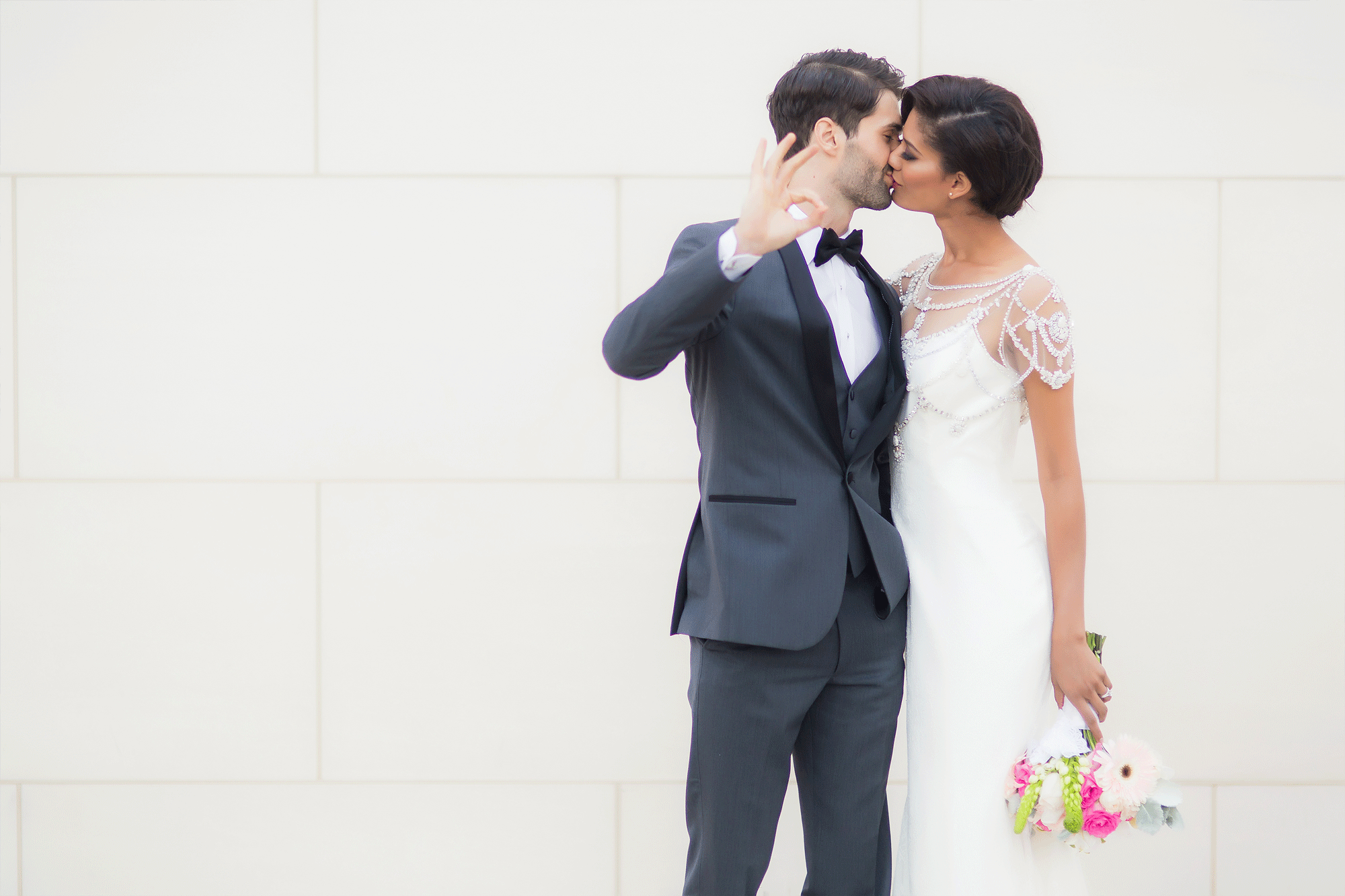
The implications of these cropping techniques extend into the realms of fashion, wedding, and corporate photography. In fashion, a crop is often used to emphasize a garment’s drape, necessitating specific tapering points. In wedding photography, the emotional connection between subjects often dictates that the crop must include enough space to show the interaction between individuals, rather than focusing solely on the anatomy of one person.
As artificial intelligence begins to enter the editing space, the "human" element of choosing where to crop becomes even more vital. AI-driven auto-cropping tools often struggle with the nuanced psychological impact of joint-cropping or the deliberate broadening of shoulders for effect. Consequently, the photographer’s role is shifting from a mere operator of equipment to a curator of human aesthetics.
Understanding these technical nuances ensures that the final image is not just a photograph, but a polished piece of visual communication. By adhering to the principles of avoiding joints, utilizing tapering points, and considering the intended narrative of the portrait, photographers can elevate their work from snapshot quality to professional-grade imagery. As the landscape of media continues to evolve, these foundational techniques will remain the bedrock of high-impact visual storytelling, ensuring that the subject is always framed with purpose and precision.