The Strategic Path to Gallery Representation: A Comprehensive Guide for Fine Art Photographers

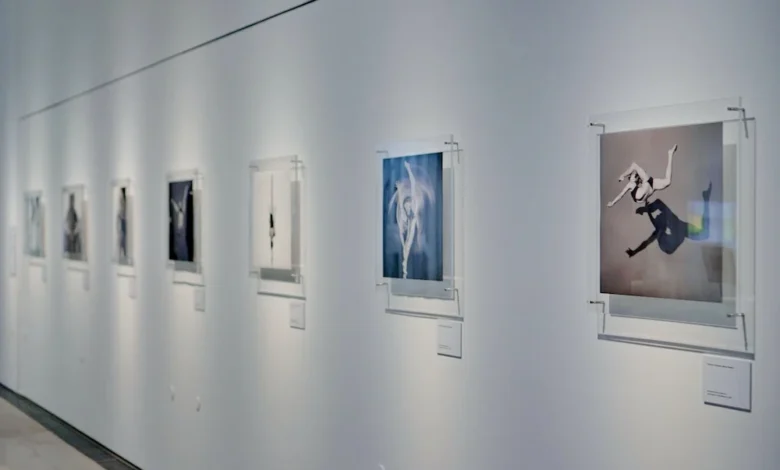
For the professional photographer, the transition from digital screens and printed portfolios to the curated walls of a fine art gallery represents a significant career milestone. Securing gallery representation or an exhibition space is a complex process that demands more than mere technical proficiency; it requires a sophisticated understanding of the art market, strategic networking, and a disciplined approach to professional branding. As the photography market continues to evolve, with global fine art photography sales projected to maintain steady growth in the coming decade, the competition for wall space in reputable galleries has intensified, making preparation and professional conduct essential.
The Evolution of the Fine Art Photography Market
Historically, the inclusion of photography in high-end galleries was a contentious issue, with many institutions favoring painting and sculpture. However, the last forty years have seen a radical shift. Since the mid-1970s, when major institutions like the Museum of Modern Art began dedicating significant space to photography, the medium has gained parity with traditional fine arts. Today, the art market relies on a symbiotic relationship between artists, gallerists, and collectors. Understanding this ecosystem is the first step for any photographer seeking to move beyond commercial or hobbyist work and into the realm of professional exhibition.
Curating for Impact: The Necessity of a Cohesive Body of Work
Before initiating contact with a gallery, a photographer must possess a body of work that is both technically flawless and conceptually unified. Industry experts suggest that the most successful artists avoid the "generalist" trap. While technical versatility is an asset in commercial photography, fine art galleries typically look for a singular, recognizable voice.
A portfolio should consist of 15 to 20 images that demonstrate a clear narrative arc or thematic consistency. Data from curator surveys indicate that gallery owners often spend less than two minutes reviewing initial submissions. Consequently, the strength of the first three images is often the deciding factor in whether a submission is reviewed in full. Quality control is paramount; including a "filler" image to reach a certain quantity can undermine the integrity of the entire collection.

Digital Presence as a Professional Prerequisite
In the contemporary era, the traditional physical portfolio has been augmented, not replaced, by the digital presence. A professional website serves as the primary gateway for gallery directors to conduct initial due diligence. According to industry analytics, a clean, high-speed, and mobile-responsive portfolio site is non-negotiable.
Beyond personal websites, social media channels such as Instagram and 500px function as auxiliary vetting tools. Gallery directors frequently monitor these platforms to assess an artist’s engagement with the community and their ability to maintain a consistent output. However, social media should be treated as a curated extension of the artist’s brand rather than a casual feed. The goal is to signal professional intent, demonstrating that the photographer understands how to position their work for a target audience.
The Documentation Suite: Resumes and Artist Statements
A common mistake among emerging photographers is the failure to provide proper documentation. When approaching a gallery, the artist must provide a clear, concise, and professional artist statement. This document should explain the "why" behind the work, situating the photography within a broader cultural or personal context.
The artist statement should be accompanied by a Curriculum Vitae (CV) that highlights relevant exhibitions, awards, publications, and education. Even if a photographer lacks formal institutional representation, they should document participation in group shows, local art fairs, or photography competitions. These milestones serve as proof of concept, showing gallery owners that other organizations have already vetted and approved the work.
Navigating the Gallery Ecosystem: Research and Targeted Outreach
Not all galleries are equal in their focus or mission. The gallery market is segmented into tiers, ranging from commercial spaces that focus on interior design-oriented photography to high-end contemporary art galleries that prioritize conceptual rigor. Researching a gallery’s history—specifically the artists they have represented in the last three to five years—is essential.

Sending unsolicited emails to gallery owners is rarely successful if the outreach is not targeted. A professional approach involves familiarizing oneself with a gallery’s specific submission guidelines. Many galleries have "open call" periods or specific times for portfolio reviews. Adhering to these protocols is a test of a photographer’s professionalism. If a gallery does not accept walk-ins, attempting to drop off a portfolio in person can be perceived as an annoyance rather than a sign of initiative.
Networking and the Role of Peer Validation
The art world operates heavily on referral and reputation. Regularly attending gallery openings and exhibition premieres is a vital strategy for building visibility. These events provide an opportunity to observe what kind of work a specific gallery champions and to engage in organic conversation with the staff.
Joining local photography associations or participating in workshops can also facilitate mentorships. Peer-to-peer networking often leads to opportunities for group exhibitions. Group shows are highly recommended for those entering the gallery space for the first time; they offer the benefit of shared marketing costs and a built-in audience, while simultaneously lowering the financial risk for both the artist and the gallery owner.
Financial and Legal Arrangements: Consignment and Contracts
Once a gallery expresses interest, the artist must understand the financial implications of the relationship. The most common arrangement is consignment, where the gallery takes a percentage of the sale price (typically ranging from 40% to 50%) in exchange for representation, marketing, and the use of the physical space.
This arrangement is inherently low-risk for the gallery, as they do not invest in purchasing the inventory upfront. For the photographer, this means assuming the costs of production, framing, and shipping. It is imperative that all agreements are formalized in a contract that outlines duration of representation, commission structures, insurance liabilities, and return policies. Photographers should never proceed without a clear, written understanding of these terms.

Persistence and the Reality of Rejection
The path to a solo exhibition is rarely linear. Rejection is a standard, albeit difficult, component of an artist’s career. Many renowned photographers faced dozens of rejections before securing their first significant exhibition. Data from art market analysts indicate that most successful gallery-represented artists have been working in their specific niche for at least three to five years before gaining major traction.
Persistence, therefore, is the most critical asset. Each rejection provides an opportunity to refine the artist statement or strengthen the portfolio. If a gallery provides feedback, it should be treated as professional advice rather than a personal slight. By viewing the process as an iterative cycle of creation, submission, and refinement, photographers can eventually align themselves with the right exhibition partners.
Broader Implications and Future Trends
As the art world integrates more digital and virtual reality exhibition spaces, the definition of a "gallery" is expanding. While the prestige of a physical, white-wall gallery remains the gold standard, virtual galleries and hybrid exhibitions are becoming increasingly prevalent. These new platforms offer lower barriers to entry for emerging artists and provide global reach.
Ultimately, the goal of exhibition is to bridge the gap between the artist’s internal vision and the public’s perception. By focusing on professional presentation, thematic cohesion, and strategic networking, photographers can ensure their work reaches the audience it deserves. The journey requires a blend of creative passion and administrative discipline—a combination that defines the modern, successful artist in an increasingly competitive global landscape.